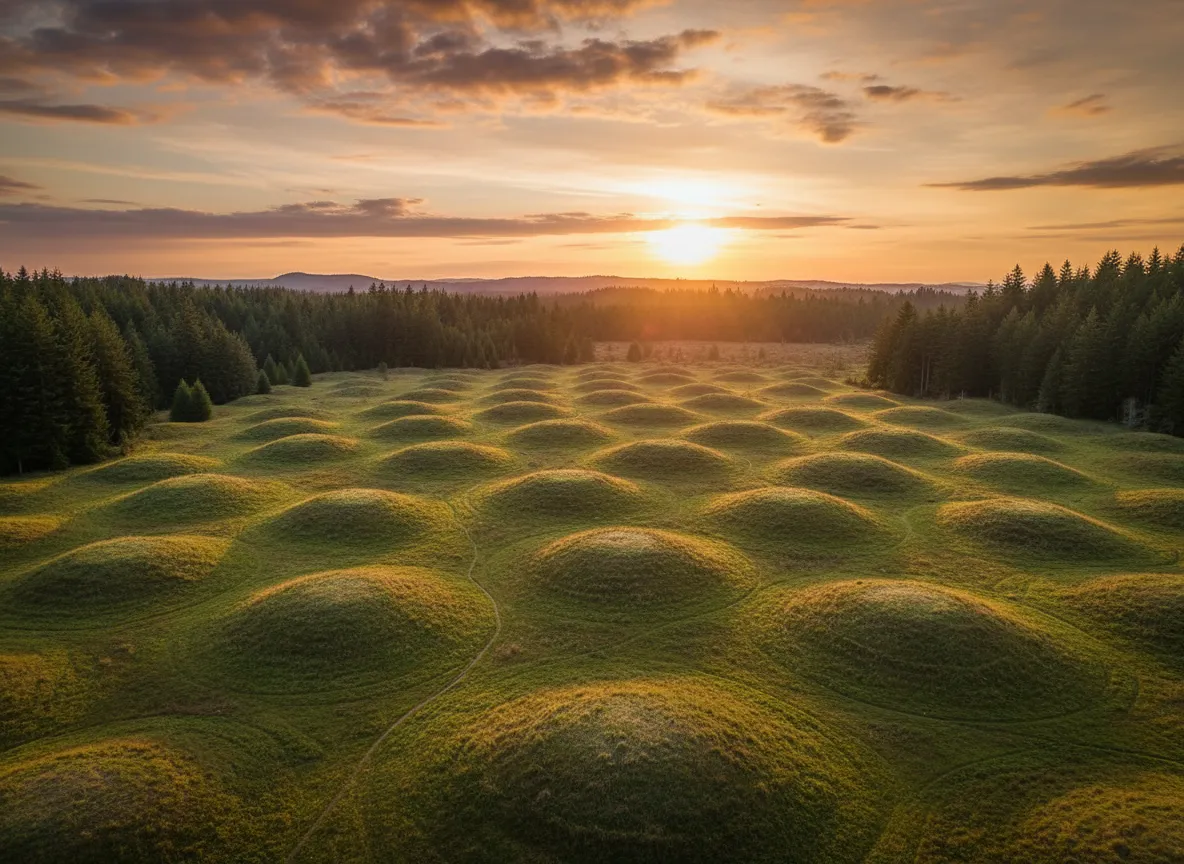
Imagine a vast prairie, stretching as far as the eye can see, but with a bizarre, almost alien twist. This isn't just any field; it's inexplicably dotted with thousands upon thousands of perfectly symmetrical, dome-shaped earth mounds. Their true origin? Still one of nature's most enduring and baffling mysteries. Welcome, my friends, to the Mima Mounds Natural Area Preserve in Washington State, a place that will challenge everything you thought you knew about geology and leave you utterly captivated by the unknown.
Nestled near Olympia in the Pacific Northwest, the Mima Mounds aren't just a local curiosity; they're a global geological enigma. Picture a landscape where the earth itself seems to have erupted in a uniform pattern of hillocks, each one a miniature dome. Ranging from a few feet to over 50 feet in diameter and standing up to seven feet tall, these perfectly formed, uniform mounds are a sight you have to see to believe. Scientists have debated their formation for centuries, proposing everything from ancient gopher activity and seismic forces to flood erosion and even glacial meltwater. Yet, no single theory completely explains this surreal, patterned terrain, leaving every visitor to ponder the impossible. It’s a place that whispers secrets, a natural puzzle box waiting for you to try and solve it.
The Enduring Mystery: What ARE the Mima Mounds?
Stepping onto the preserve, you're immediately struck by the sheer scale and uniformity of the mounds. They stretch across the landscape like giant, forgotten cobblestones laid by an unseen hand. Each mound is a distinct, rounded dome, separated from its neighbors by shallow depressions or swales. It's not a chaotic jumble; it's an organized, almost intelligent pattern that seems to defy the randomness of natural processes. This isn't just a quirky geological feature; it's a profound question etched into the very earth.
For centuries, these mounds have stumped geologists, biologists, and anyone with a curious mind. The leading theories are as varied as they are fascinating. One of the most enduring, and perhaps charming, is the "gopher theory." Proponents suggest that generations of burrowing rodents, like pocket gophers, systematically moved soil outwards from their central burrows, creating these distinctive mounds over millennia. It sounds plausible, right? Until you consider the sheer size of some of the mounds and the uniform distribution over such a vast area. Could such tiny creatures truly sculpt a landscape on this grand a scale?
Other theories lean towards more dramatic geological forces. Some scientists propose that seismic activity, perhaps repeated small earthquakes, could have caused soil liquefaction and subsequent mounding. Another idea suggests that intense flood erosion during ancient times carved out these features. Then there's the glacial theory, positing that meltwater from retreating glaciers, carrying sediment and debris, somehow deposited or shaped the mounds. Each theory has its merits and its flaws, its proponents and its skeptics. What makes the Mima Mounds so special is that no single explanation has ever achieved universal acceptance, leaving the door wide open for wonder, debate, and personal speculation.
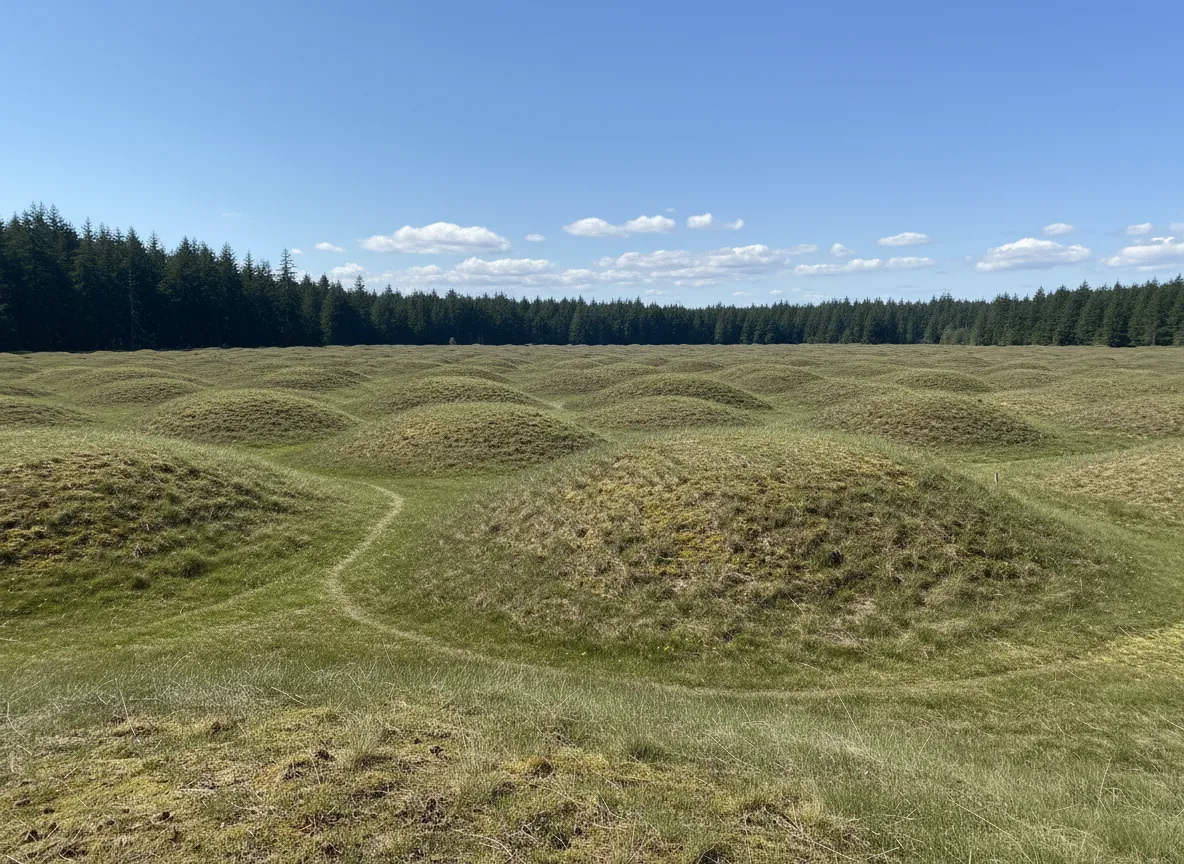
Centuries of Speculation: A Deep Dive into the Theories
The scientific fascination with the Mima Mounds dates back to the 19th century. Early explorers and settlers were as baffled as we are today. The debate has raged on through generations of researchers, each bringing new tools and perspectives to the table. What makes the Mima Mounds even more intriguing is that similar, though often smaller, patterned ground formations exist in other parts of the world – from California to Argentina, and even in parts of Africa. These global parallels suggest a common underlying mechanism, yet the exact conditions and processes remain elusive.
Consider the "periglacial theory," which suggests that the mounds formed in cold, non-glacial environments, possibly due to freeze-thaw cycles pushing sediments upwards or trapping them in ice lenses that later melted. Or the "eolian theory," where wind erosion and deposition played a role. The very fact that so many diverse and well-reasoned theories exist, each with compelling evidence yet none fully conclusive, is a testament to the profound complexity of nature. It’s like nature set up a giant riddle, and all the smartest minds have yet to crack the code. When you walk among them, you can almost feel the weight of this scientific endeavor, the centuries of human curiosity trying to make sense of the inexplicable.
This ongoing scientific discussion is part of the Mima Mounds' charm. It's not just a beautiful place; it's a living, breathing scientific puzzle. Visiting isn't just about seeing a unique landscape; it's about engaging with one of geology's greatest cold cases. You're not just a tourist; you're an armchair detective, invited to observe the evidence and form your own conclusions. And honestly, isn't that far more exciting than a place with all the answers already laid out?
Wandering Among Wonders: Your Experience at the Preserve
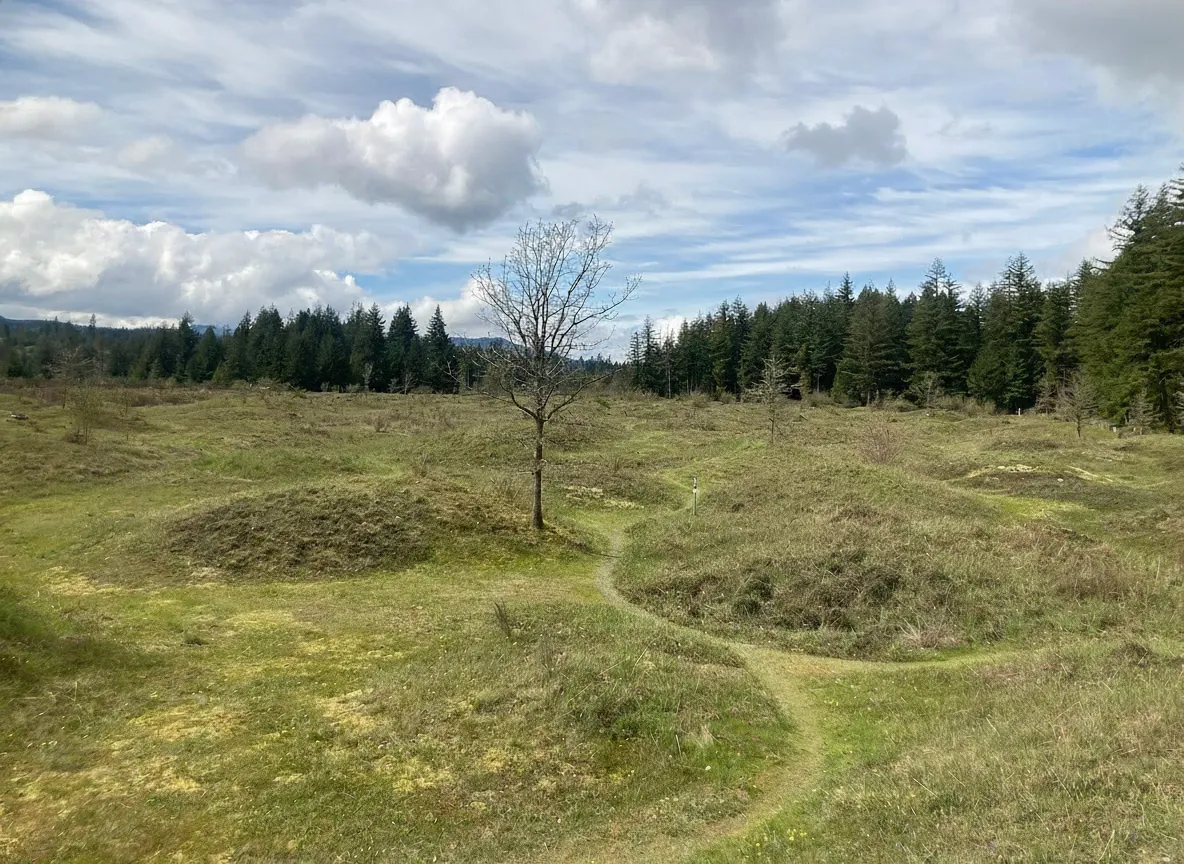
Beyond the scientific intrigue, the Mima Mounds Natural Area Preserve offers a truly serene and captivating experience. The landscape itself is breathtaking. During spring and early summer, the prairie bursts into life with a vibrant tapestry of wildflowers, painting the mounds in hues of purple, yellow, and white. The open grasslands are interspersed with pockets of Garry oak woodlands, adding texture and diversity to the scenery. It's a place where the air feels fresh, and the only sounds are the rustle of the wind and the calls of birds.
The preserve features well-maintained trails, including a paved, accessible loop that allows everyone to experience the mounds up close. This makes it a fantastic destination for families, nature lovers, and anyone seeking a peaceful escape. As you walk, you can truly appreciate the scale and symmetry of the mounds, feeling like you're traversing an ancient, patterned garden designed by giants. Interpretive signs along the paths offer insights into the various theories, the native flora and fauna, and the preserve's conservation efforts, enriching your understanding of this special place.
Keep an eye out for wildlife! The preserve is home to a variety of bird species, deer, and smaller mammals. It’s a fantastic spot for birdwatching or simply enjoying the quiet beauty of the Pacific Northwest ecosystem. The experience is contemplative, almost meditative. There's something about walking through such a unique and unexplained landscape that encourages reflection, inviting you to slow down, breathe deeply, and marvel at the mysteries our planet still holds. It’s an ideal spot for photography, too – the changing light casting dramatic shadows over the mounds offers endless opportunities for stunning shots.
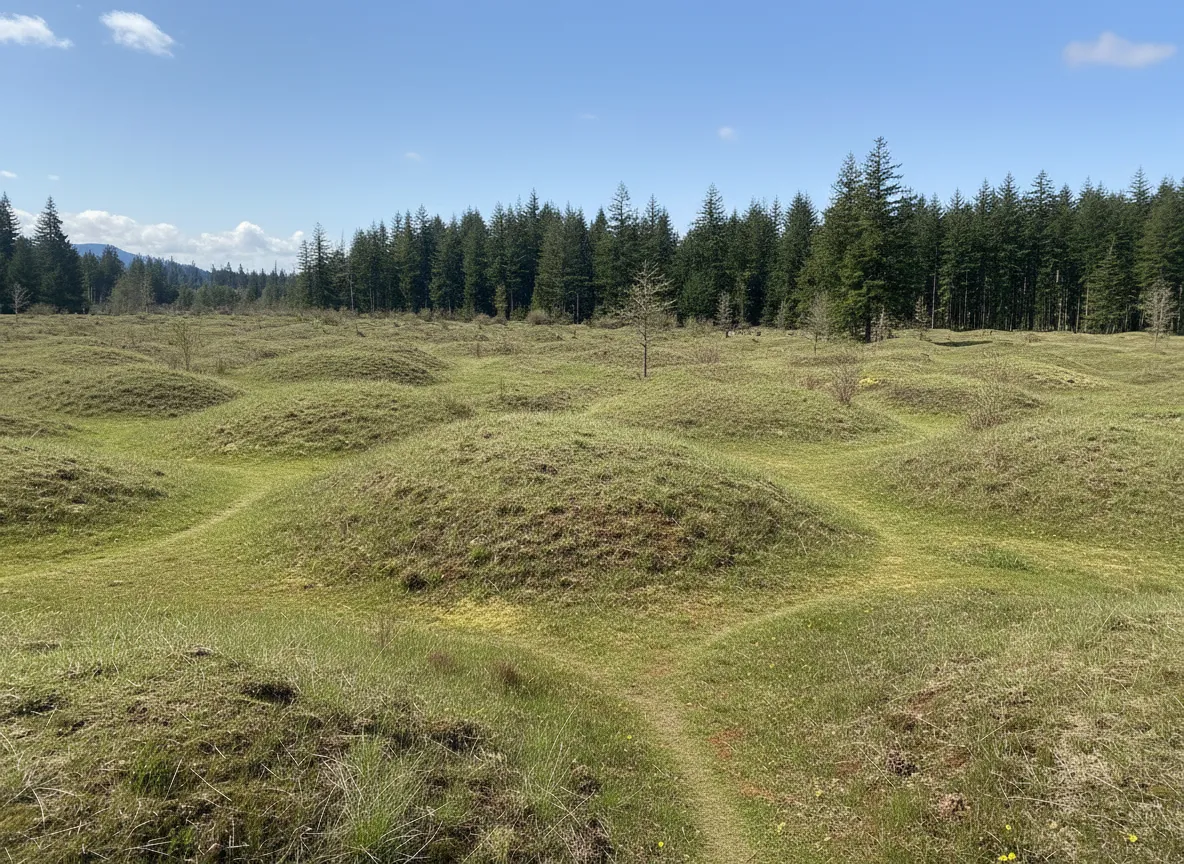
Planning Your Pilgrimage: Practical Tips for Visiting Mima Mounds
Ready to embark on your own Mima Mounds adventure? Here are a few friendly tips to help you make the most of your visit:
- Best Time to Visit: Spring (April-June) is glorious for wildflowers and lush greenery. Early summer (July) is also beautiful. Fall brings lovely golden hues to the grasses. Winter can be stark but offers a different kind of beauty, especially on a crisp, clear day.
- Getting There: The Mima Mounds Natural Area Preserve is located just southwest of Olympia, Washington. It's easily accessible by car, with clear signage from nearby highways. Just plug "Mima Mounds Natural Area Preserve" into your GPS, and you'll be guided right to the parking area.
- What to Bring: Comfortable walking shoes are a must, even for the paved trails. Bring water, especially on warmer days, as there are no services on site. A camera is essential for capturing the unique landscape, and binoculars will enhance your wildlife viewing. Sunscreen and a hat are advisable, as much of the area is open and exposed.
- Accessibility: The preserve boasts a fully paved, accessible interpretive trail, making it welcoming for visitors with mobility challenges, strollers, or wheelchairs. There are also gravel trails for those who want to venture further into the mounds.
- Etiquette: This is a natural preserve, so please practice Leave No Trace principles. Stay on marked trails to protect the delicate ecosystem, respect wildlife from a distance, and pack out everything you pack in. Dogs are allowed on leash.
- Nearby Attractions: While in the area, consider exploring Olympia, Washington's charming state capital, with its beautiful Capitol building and waterfront. Capitol State Forest, adjacent to the preserve, offers additional hiking and outdoor recreation opportunities.
The Mima Mounds Natural Area Preserve is more than just a destination; it's an experience that sparks curiosity and wonder. It's a testament to the fact that even in our modern, mapped-out world, there are still places that hold profound secrets, inviting us to ponder the immense power and enigmatic artistry of nature. So, pack your sense of adventure, your camera, and your most inquisitive mind, and come discover one of the Pacific Northwest's most captivating and mysterious treasures. You won't just see a landscape; you'll encounter a question, waiting patiently for you to arrive.
Essential Travel Information
- Location Mima Mounds Natural Area Preserve, USA
- Best Time Spring (April-June) for wildflowers, early summer, and fall for vibrant colors.
- Getting There Located southwest of Olympia, Washington. Accessible by car; follow signs from nearby highways.
- Airport Seattle-Tacoma International Airport (SEA)
- Budget Budget (Free entry, minimal costs beyond travel)
- Language English
Find Places to Stay Near Mima Mounds Natural Area Preserve
Compare hotels, hostels, and unique stays in USA.
Search AccommodationTours & Experiences Near Mima Mounds Natural Area Preserve
Book guided tours, day trips, and unique experiences.
Browse Tours