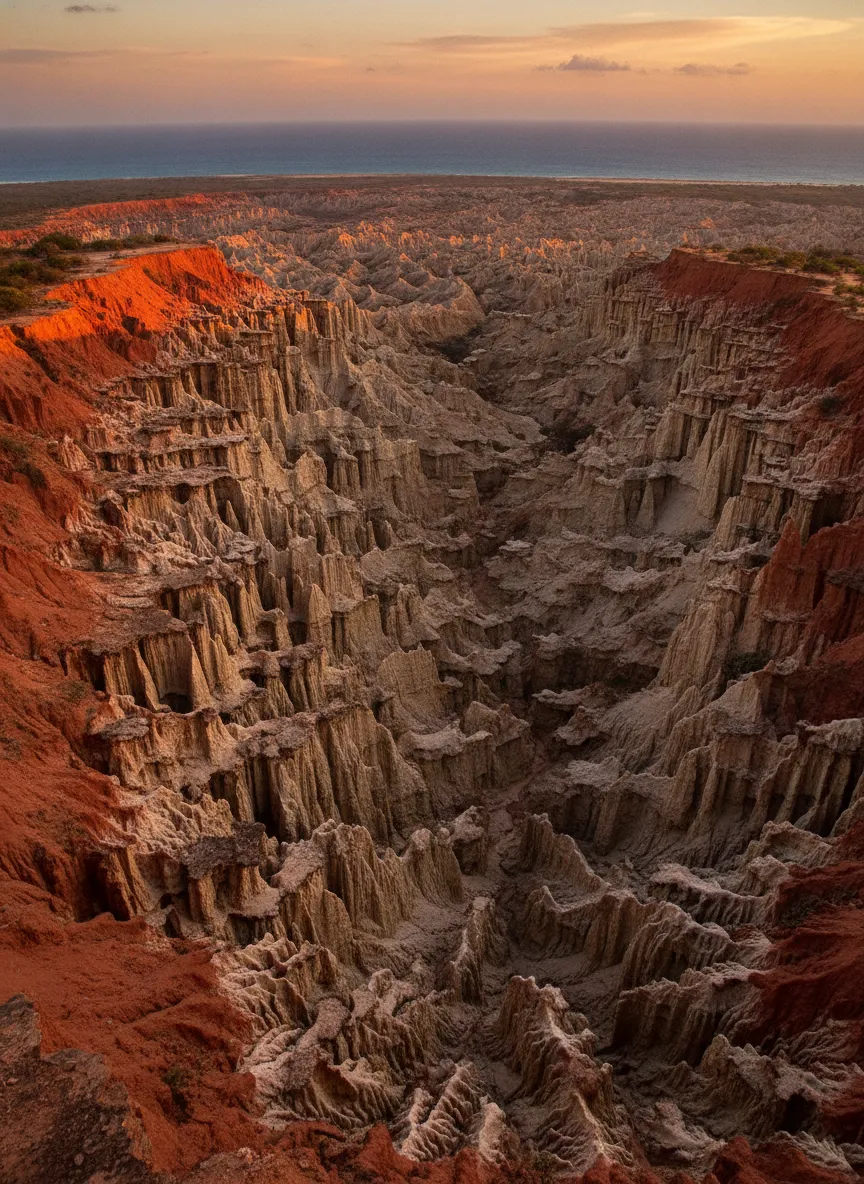
Imagine a landscape so alien, so dramatically sculpted by the forces of nature, that it earns the name 'Moon Viewpoint'. Eons of relentless wind and rain have painstakingly carved Angola's coastline into an otherworldly panorama of jagged spires, deep canyons, and bizarre, lunar-like formations. This isn't a scene from a sci-fi movie; this is Miradouro da Lua, a hidden gem nestled just south of Luanda, a place that promises to redefine your understanding of natural beauty and leave an indelible mark on your adventurous spirit.
For those who yearn for destinations off the well-trodden path, for travelers who seek genuine wonder and a connection with Earth's raw power, Miradouro da Lua calls. It's a testament to the planet's artistic prowess, a natural amphitheater of reddish-brown cliffs plunging dramatically towards the vast, blue Atlantic. Prepare to have your breath stolen, your imagination ignited, and your camera roll filled with images that seem to defy reality. Welcome to Angola’s very own slice of the moon.
What Makes Miradouro da Lua So Special?
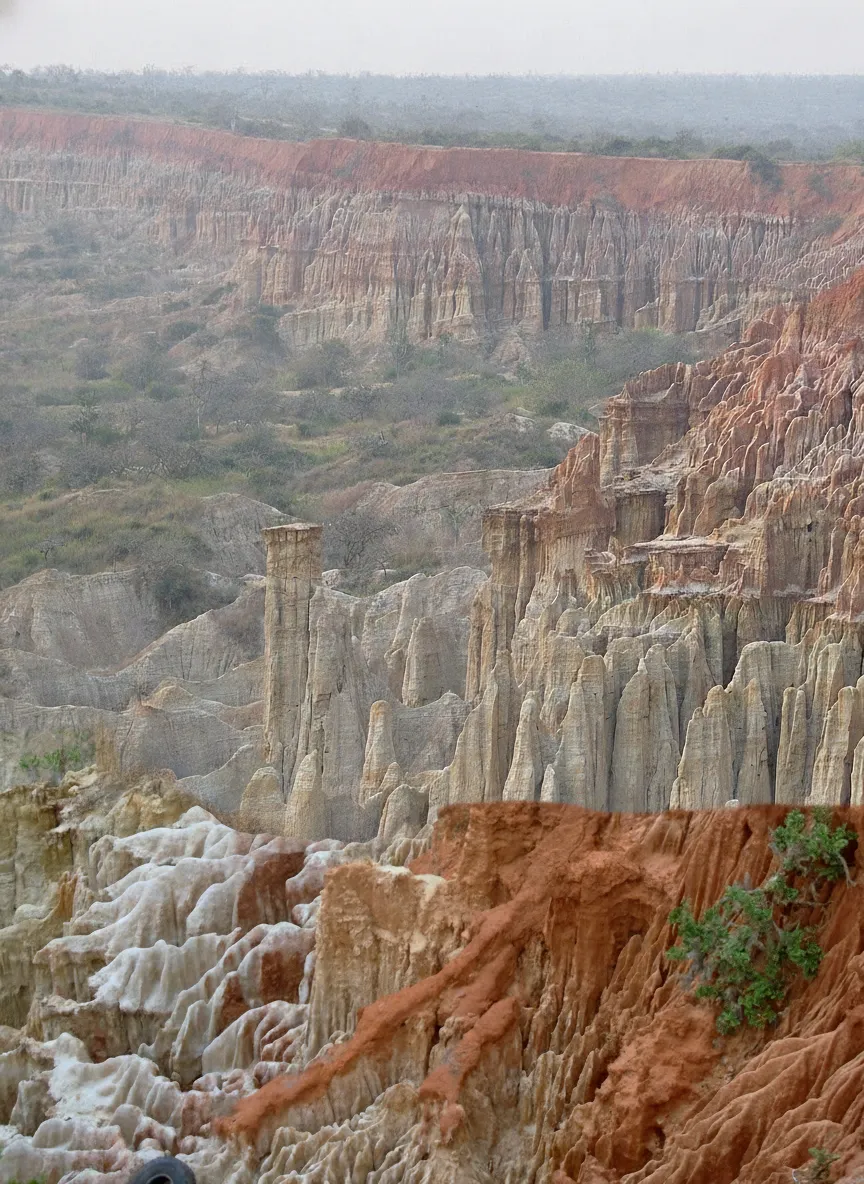
Miradouro da Lua, meaning 'Moon Viewpoint' in Portuguese, isn't just a name; it's an accurate descriptor of a truly unique geological spectacle. What sets this place apart is the sheer scale and intricacy of its erosion. Over countless millennia, the soft sandstone and clay cliffs have been relentlessly battered by the elements, resulting in a landscape that appears to have been carved by a giant, whimsical sculptor. Think of colossal termite mounds, towering cathedrals, and intricate labyrinths, all painted in hues of ochre, rust, and deep red, starkly contrasting with the vibrant azure of the sky and ocean.
Unlike many famous natural landmarks that draw crowds, Miradouro da Lua offers an experience of profound solitude and connection with nature. It’s a place where the silence is broken only by the whispers of the wind and the distant roar of the Atlantic waves. This sense of untouched wilderness, combined with its dramatic visual appeal, makes it an unparalleled destination for photographers, nature lovers, and anyone seeking a moment of awe-inspired contemplation. It’s a vivid reminder that some of the planet's most breathtaking wonders are still waiting to be discovered, far from the madding crowds.
A Glimpse into its History and Formation
The story of Miradouro da Lua is written in its very geology, a narrative spanning millions of years. The cliffs themselves are composed primarily of sedimentary rock, laid down layer by layer over eons, remnants of ancient seabeds and landscapes. It's these relatively soft layers that have proven susceptible to the relentless forces of erosion, particularly wind and water.
Rainfall, though seasonal in Angola, has played a crucial role. Each raindrop, over time, carves tiny channels into the soft earth. These channels deepen and widen, eventually forming the dramatic ravines and canyons we see today. The wind, carrying abrasive sand particles, acts like a natural sandblaster, further sculpting the exposed rock into the myriad spires and bizarre shapes. It’s a slow, patient, and utterly powerful process, a masterclass in geomorphology that continues even now.
Culturally, while Miradouro da Lua is primarily a natural wonder, its evocative name likely emerged from local Angolan observations of its otherworldly appearance. For a country like Angola, which has navigated a complex past, the re-discovery and appreciation of such natural treasures signify a new era of openness and pride. It’s a symbol of the nation’s enduring beauty, now slowly but surely opening its doors to curious travelers eager to explore its untouched landscapes and vibrant culture.
What You'll See and Experience There
Arriving at Miradouro da Lua is an experience in itself. As you approach, the landscape gradually transforms, giving way to the first hints of the bizarre formations. But nothing truly prepares you for the moment you step out and gaze over the precipice. The view is simply breathtaking, a vast panorama of geological artistry stretching as far as the eye can see.
From the main viewpoint, you'll witness an expansive amphitheater of sharp peaks, deep ravines, and intricate ridges, all bathed in the warm, reddish glow of the earth. The cliffs plunge dramatically towards the Atlantic, where the deep blue of the ocean meets the sky in a seamless horizon. It's a vista that feels utterly alien, a testament to the raw, untamed artistry of nature.
Beyond the initial awe, take your time to appreciate the details. Observe the myriad shades of red, orange, and brown that paint the cliffs, changing with the angle of the sun. Look for the subtle patterns carved by water flow, the delicate balance of rock formations that seem to defy gravity. Photographers will be in paradise, with endless angles and compositions to capture the dramatic interplay of light and shadow, especially during sunrise or sunset when the colors explode in a fiery display.
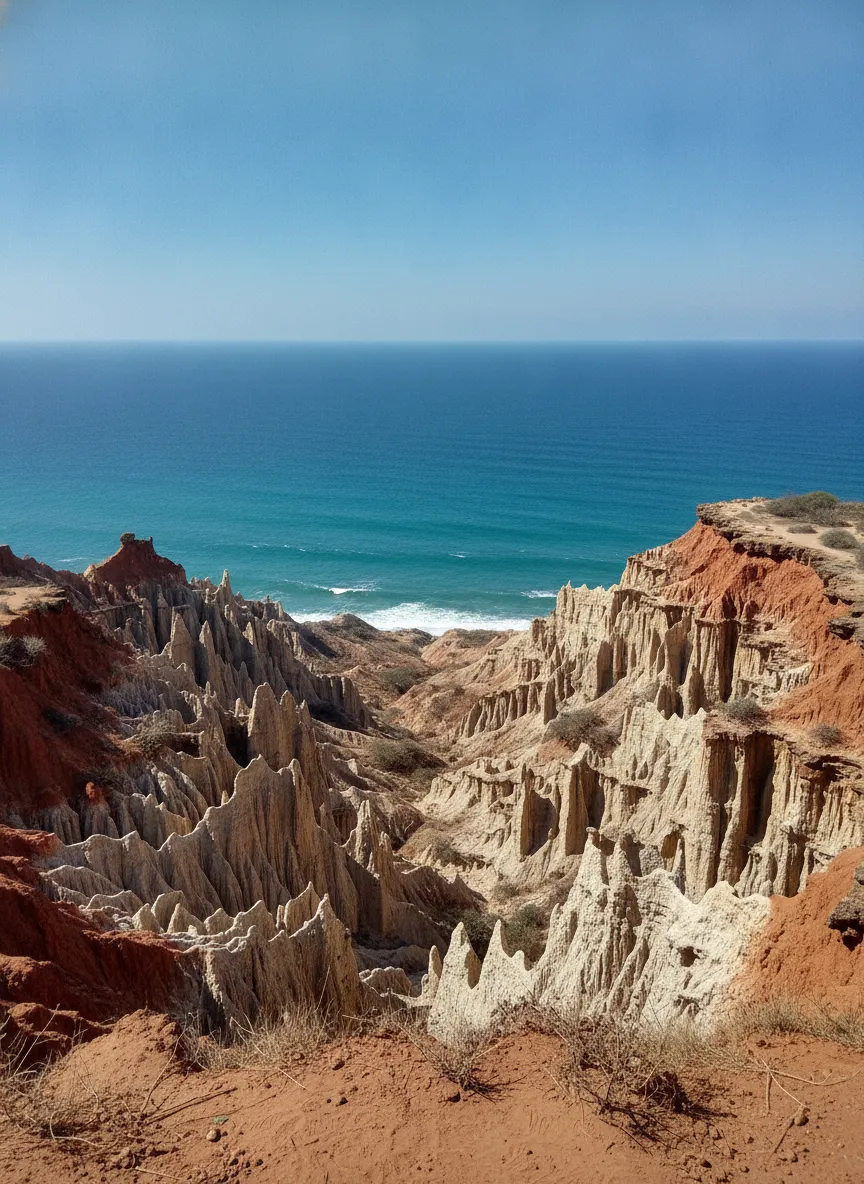
While the primary attraction is the viewpoint itself, you might also spot local vendors selling crafts or refreshments, offering a small glimpse into Angolan life. The air is often fresh, carrying the scent of the ocean, and the vastness of the landscape encourages a sense of peace and reflection. You might even spot some local birdlife soaring gracefully on the thermal currents above the canyons.
Practical Tips for Your Visit
Ready to embark on this lunar adventure? Here’s what you need to know to make your visit to Miradouro da Lua smooth and unforgettable:
Getting There
Miradouro da Lua is located approximately 40-50 kilometers south of Luanda, the capital city. The most common way to get there is by car. While parts of the road are paved, the final stretch to the viewpoint can be unpaved and a bit rough, so a 4x4 vehicle is highly recommended, especially during or after the rainy season. Many visitors opt for organized tours from Luanda, which often combine the visit with other nearby attractions and handle all the logistics.
Best Time to Visit
The dry season, typically from May to October, is the ideal time to visit. During these months, the weather is generally cooler and drier, making for more comfortable travel and clearer views. The rainy season (November to April) can make the unpaved roads challenging, if not impassable, and views might be obscured by mist or clouds.
What to Bring
- Water: It can get hot, and there are limited facilities. Stay hydrated!
- Sun Protection: A wide-brimmed hat, sunglasses, and high-SPF sunscreen are essential.
- Comfortable Shoes: While you won't be doing extensive hiking, comfortable walking shoes are good for navigating the viewpoint area.
- Camera: This is a photographer’s dream. Don’t forget extra batteries and memory cards!
- Snacks: While there might be local vendors, it's wise to bring your own snacks.
- Cash: For any local purchases or tips.
Safety and Respectful Travel
Angola is generally safe for tourists, but it's always wise to travel with a reputable tour operator or a local guide. Exercise common sense, keep valuables out of sight, and be aware of your surroundings. When visiting, remember to leave no trace – take all your rubbish with you and respect the natural environment. The beauty of Miradouro da Lua lies in its untouched state, and it's up to us to preserve it.
Beyond Miradouro da Lua
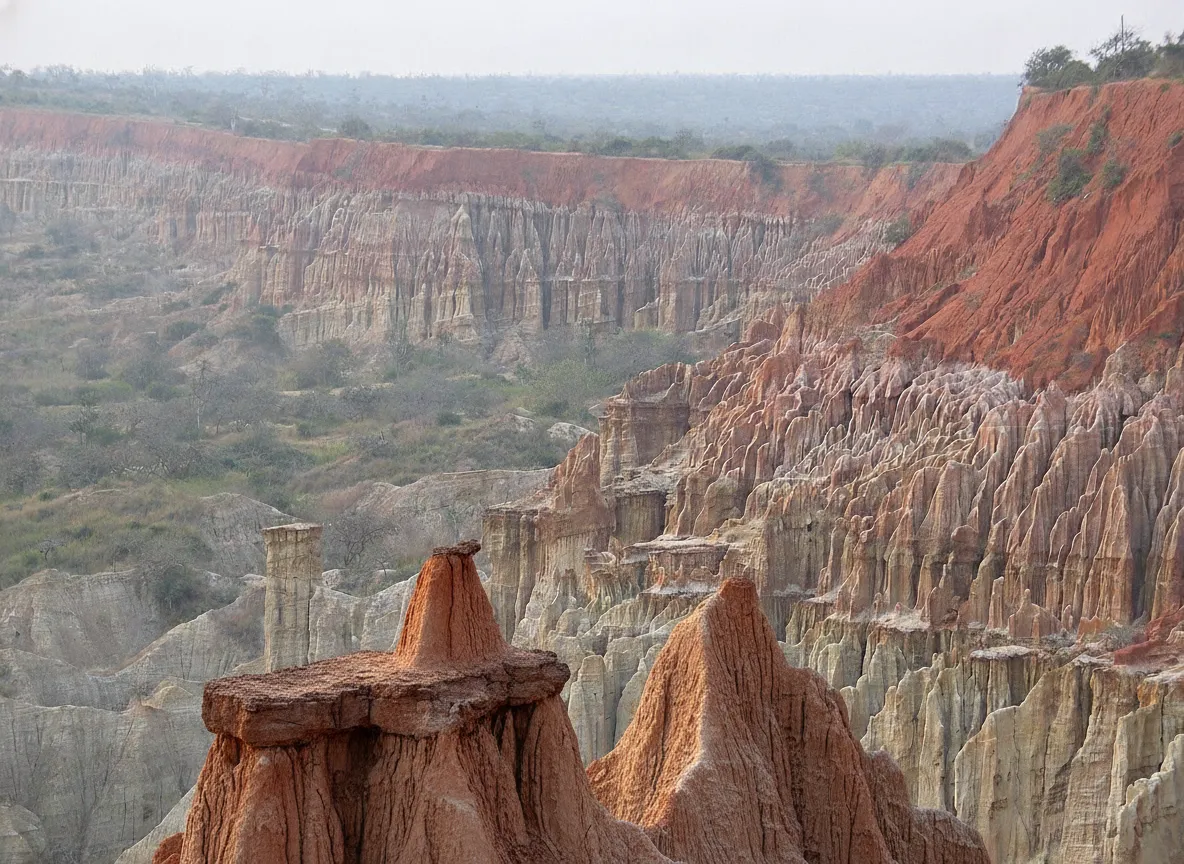
Consider combining your visit with other attractions in the Luanda Province, such as the beaches south of the city, or exploring Luanda itself. Angola is a country rich in culture, history, and natural beauty, and Miradouro da Lua is just one spectacular facet of its charm. It’s a journey into the heart of an often-misunderstood nation, revealing its profound natural wonders to those brave enough to explore.
Miradouro da Lua isn't just a destination; it's an experience that challenges your perceptions and deepens your appreciation for the natural world. It's a reminder that true magic often lies off the beaten path, waiting for the curious and the adventurous to discover it. So, pack your bags, embrace the spirit of exploration, and prepare to stand on the moon, right here on Earth, in the heart of Angola.
Essential Travel Information
- Location Miradouro da Lua, Angola
- Best Time May to October (dry season)
- Getting There Approximately 40-50 km south of Luanda; best accessed by 4x4 vehicle or organized tour.
- Airport Quatro de Fevereiro International Airport (LAD), Luanda
- Budget Mid-range to Luxury (approx. $150-$300+ USD daily, depending on activities and accommodation)
- Language Portuguese
Find Places to Stay Near Miradouro da Lua
Compare hotels, hostels, and unique stays in Angola.
Search AccommodationTours & Experiences Near Miradouro da Lua
Book guided tours, day trips, and unique experiences.
Browse Tours