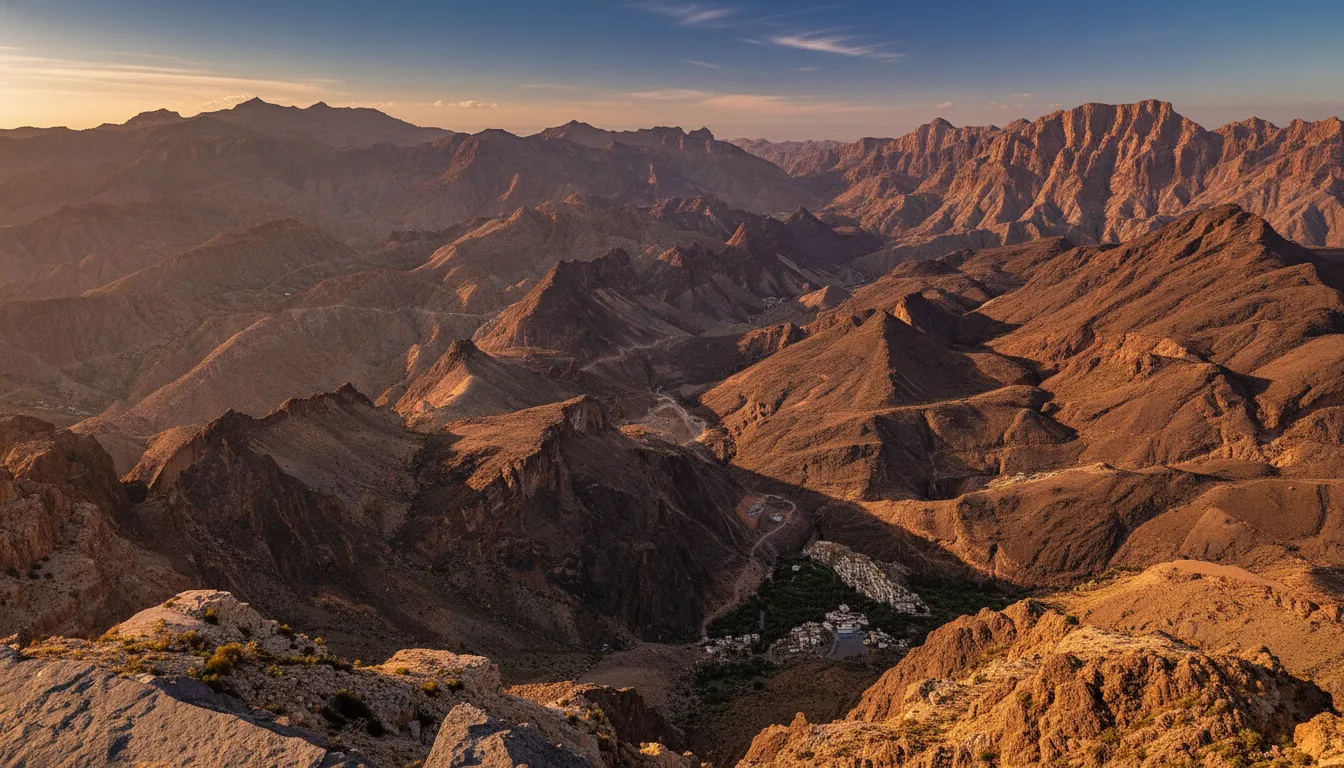
Imagine a village where time stands still, carved into the very mountainside, with ancient mud-brick homes cascading down a steep slope, fed by a millennia-old irrigation system. This isn't a scene from a fantasy novel or a forgotten historical text; it's the living, breathing reality of Misfat al Abriyeen, a truly extraordinary destination nestled high in Oman's majestic Al Hajar Mountains. If you're searching for an escape that transcends the ordinary, a place where history whispers from every stone and nature's ingenuity defies expectation, then Misfat al Abriyeen is calling your name. Prepare to be enchanted by a world where tradition isn't just preserved—it's vibrant, essential, and utterly captivating.
Misfat al Abriyeen, often simply called Misfat, is far more than just a picturesque village. It's a living archaeological site, a testament to human resilience and harmonious coexistence with a challenging environment. Here, the traditional mud-brick houses don't just stand; they cling precariously to the cliff face, their sturdy roofs often forming the terraces of the homes above, creating an architectural marvel that seems to defy gravity. This improbable village is sustained by an intricate falaj irrigation system, a UNESCO-recognized marvel that channels life-giving water from mountain springs to lush date palm gardens carved into the valley. The result? A verdant oasis in an otherwise arid landscape, a place that defies the logic of its harsh surroundings and offers a window into an ancient way of life.
A Living Canvas: What Makes Misfat al Abriyeen So Special
What sets Misfat al Abriyeen apart from other beautiful mountain villages? It's the profound sense of stepping back in time, into a place where the rhythms of life are dictated by the sun, the seasons, and the ancient flow of water. The village isn't a museum; it's a vibrant community where families have lived for centuries, preserving their heritage through their daily lives. The architecture itself is a marvel – multi-story mud-brick and stone houses, some centuries old, blend seamlessly with the rugged mountain terrain. Walking through its narrow, winding alleys, you'll feel the cool shade of overhanging buildings, hear the gentle gurgle of water in the falaj channels, and catch glimpses of daily life unfolding as it has for generations.
The ingenuity of the Omani people is nowhere more evident than in the *falaj* system. These ancient irrigation channels, some dating back over 2,000 years, are not just engineering wonders; they are the lifeblood of Misfat. They meticulously collect water from mountain springs and distribute it, often through gravity-fed channels, to every household and, crucially, to the terraced date palm plantations that cascade down the valley. These gardens are a riot of green, bursting with date palms, banana trees, papaya, citrus, and a variety of vegetables, transforming the barren mountainside into a fertile paradise. It's a powerful demonstration of sustainable living, a delicate balance struck between human need and environmental respect that has endured for millennia.
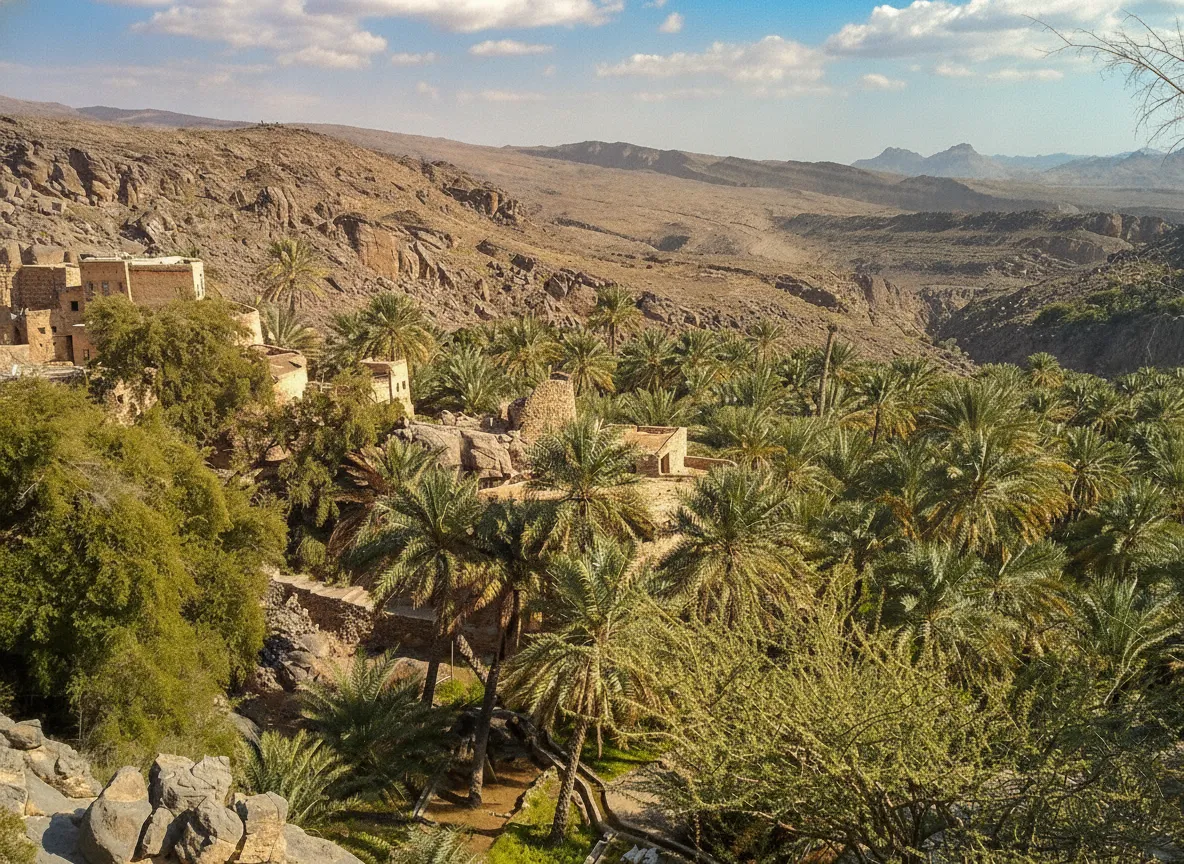
The sheer improbability of Misfat's existence, thriving in such an extreme environment, is what truly makes it special. It's a place that challenges modern notions of convenience and progress, offering instead a profound connection to history, nature, and community. Every corner turned reveals another breathtaking view, another architectural detail, another sensory experience that grounds you in its timeless beauty. It's an invitation to slow down, breathe deeply, and appreciate the enduring magic of a place that truly stands apart.
Echoes of Eternity: The History and Heritage of Misfat
The story of Misfat al Abriyeen is etched into its very foundations. While the exact origins are lost to the mists of time, archaeological evidence suggests human habitation in the region dates back thousands of years. The village as we see it today, with its distinctive mud-brick and stone architecture, reflects building traditions that have been perfected over centuries. The use of natural materials, expertly crafted to withstand the elements and provide insulation against the desert heat and mountain chill, speaks volumes about the wisdom of its early inhabitants.
Central to Misfat's enduring legacy is the *falaj* system. Oman is home to thousands of these ancient waterways, five of which are collectively recognized as a UNESCO World Heritage Site, and Misfat's system is a prime example of their brilliance. These irrigation channels are not merely conduits for water; they represent a sophisticated understanding of hydrology, social organization, and communal resource management. The construction and maintenance of a falaj required immense collective effort, fostering a strong sense of community and shared responsibility that continues to define life in Misfat today. The falaj ensures equitable distribution of water, a vital resource, and has allowed agriculture to flourish in an otherwise inhospitable landscape, sustaining generations.
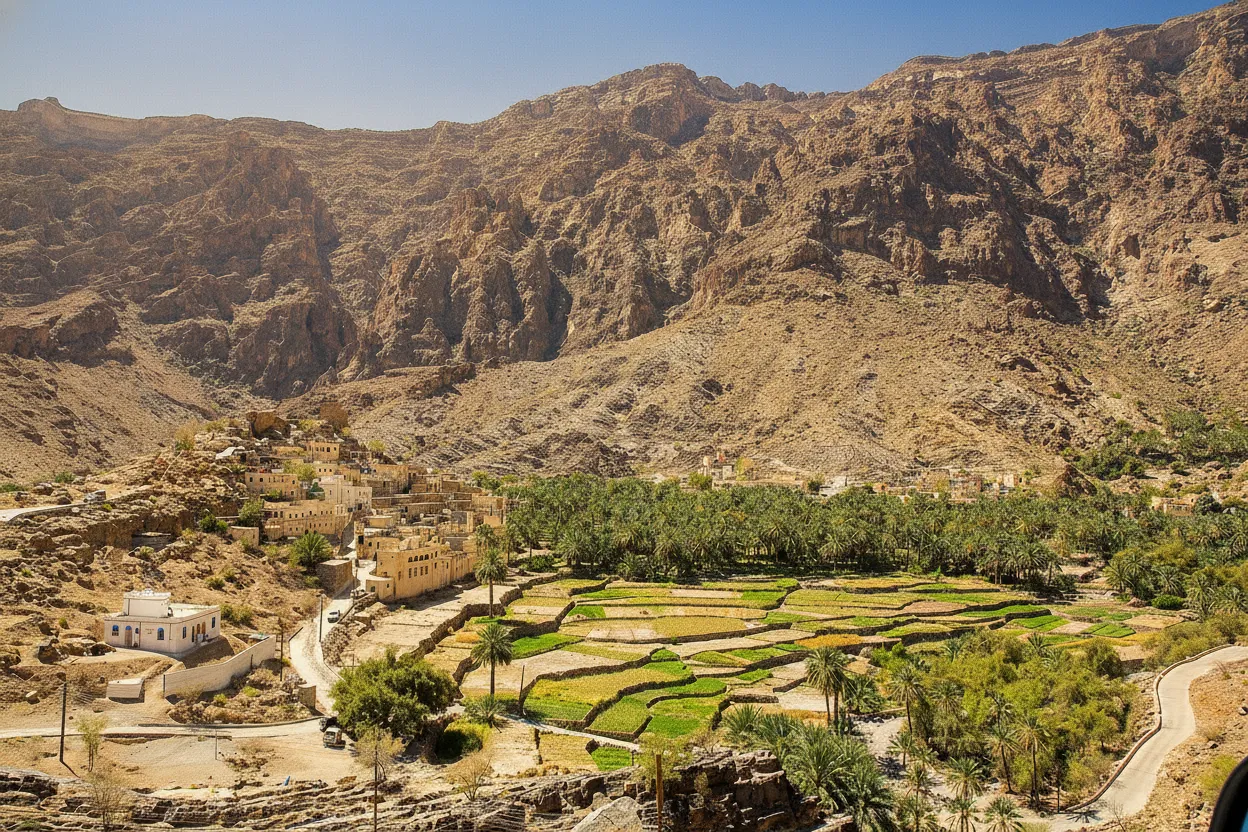
The village's name itself, "Misfat al Abriyeen," refers to the Al Abri tribe, who historically inhabited this area and whose descendants still reside here. This deep-rooted lineage contributes to the village's authentic character and its commitment to preserving traditional Omani culture. Life here has largely remained unchanged for centuries, offering visitors a rare glimpse into a way of life that values simplicity, community, and an unbreakable bond with the land. It's a testament to the resilience of Omani heritage, demonstrating how ancient traditions can not only survive but thrive in the modern world.
Wander Through Wonder: What You'll See and Do in Misfat
Visiting Misfat al Abriyeen is an immersive experience that engages all your senses. Your journey typically begins at the edge of the village, where you'll leave your vehicle and embark on foot, entering a world where cars simply don't belong. The narrow, stone-paved alleys are designed for walking, leading you deeper into the heart of this ancient settlement.
Explore the Labyrinthine Alleys: Allow yourself to get wonderfully lost in the maze of pathways that wind between the mud-brick homes. Notice the incredible architecture: multi-story houses built into the hillside, often with their upper floors accessed from a higher street level, or their roofs serving as terraces for the house above. The intricate wooden doors, some adorned with traditional carvings, hint at the life within. You'll pass by small shops, community gathering spots, and perhaps catch a glimpse of villagers going about their daily routines. The air here is often cooler, shaded by the towering buildings and the abundant foliage.
Descend into the Terraced Gardens: Follow the signs (or the sound of water) down into the valley, where the true magic of the *falaj* system unfolds. Here, you'll walk amidst the lush, terraced date palm gardens, a vibrant contrast to the stark mountain backdrop. The ancient falaj channels crisscross the landscape, their cool, clear water gurgling softly as it nourishes the bounty of fruit trees – dates, bananas, papayas, mangoes, and limes. It’s an incredibly peaceful and refreshing experience, a true oasis in every sense of the word. You can often find small seating areas or shaded spots to simply sit and absorb the tranquility.
Discover Panoramic Viewpoints: As you ascend or descend through the village, keep an eye out for designated viewpoints. These offer breathtaking panoramas of Misfat al Abriyeen cascading down the mountain, the verdant valley below, and the dramatic peaks of the Al Hajar Mountains stretching into the distance. Sunrise and sunset are particularly magical times to capture these vistas, as the changing light paints the mud-brick homes and the surrounding landscape in hues of gold and amber.
Engage with Local Culture: While Misfat isn't a performance, respectful interaction with the local community can enrich your visit. You might find small guesthouses run by local families, offering traditional Omani hospitality and delicious meals. A simple "Salaam alaikum" (peace be upon you) is always appreciated. Remember that this is a living village, not just a tourist attraction, so always be mindful of privacy and local customs.
Planning Your Journey to Oman's Hidden Gem: Practical Tips
A visit to Misfat al Abriyeen requires a bit of planning, but the rewards are immeasurable. Here's what you need to know to make your trip truly unforgettable:
Getting There: Misfat al Abriyeen is located in the Ad Dakhiliyah Governorate, about a 2-hour drive southwest of Muscat. The nearest significant town is Al Hamra. While the roads leading to Al Hamra are excellent, the final ascent to Misfat involves a steep, winding mountain road. While a 4x4 vehicle is not strictly required for the paved road, it is highly recommended for comfort and safety, especially if you plan to explore other mountain areas. There's a designated parking area at the entrance of the village; vehicles are not permitted inside.
Best Time to Visit: The cooler months in Oman, from October to April, are ideal. Temperatures are pleasant for walking and exploring. The summer months (May to September) can be intensely hot, making extended outdoor activities challenging, although the village itself might offer some respite from the heat due to its elevation and shaded alleys.
Where to Stay: For a truly authentic experience, consider staying at one of the traditional guesthouses within Misfat al Abriyeen itself, such as Misfat Old House or The Misfat Al Abriyeen Old Inn. These guesthouses are renovated mud-brick homes offering a unique blend of traditional charm and modern comfort. Alternatively, you can find hotels in the nearby town of Al Hamra or the larger city of Nizwa, making Misfat a day trip.
Respectful Travel: Misfat is a traditional Omani village, and modesty is appreciated. Dress respectfully, covering your shoulders and knees. When taking photos, always ask for permission, especially if people are in your shot. Be mindful of noise levels, particularly early mornings and evenings. The village relies on its pristine environment, so dispose of all waste responsibly and do not disturb the falaj system or the gardens.
What to Bring: Comfortable walking shoes are essential for navigating the uneven stone paths. Bring plenty of water, especially if you plan on hiking. Sunscreen, a hat, and sunglasses are also recommended. A small backpack for essentials will be useful. Don't forget your camera – you'll want to capture every stunning view!
Misfat al Abriyeen is more than just a destination; it's an experience that will linger in your memory long after you've left. It's a powerful reminder of how humanity can thrive in harmony with nature, preserving ancient traditions while offering a profound sense of peace and wonder to those who seek it. So, pack your bags, open your mind, and prepare to be utterly captivated by Oman's hidden gem.
Essential Travel Information
- Location Misfat al Abriyeen, Oman
- Best Time October to April (cooler months)
- Getting There Approximately 2 hours southwest of Muscat. Drive to Al Hamra, then a steep, winding paved road to Misfat. A 4x4 is recommended but not strictly required for the paved road.
- Airport Muscat International Airport (MCT)
- Budget Mid-range (approx. $100-200 USD daily for accommodation and activities, excluding major transport)
- Language Arabic (English widely understood in tourist areas and by younger generations)
Find Places to Stay Near Misfat al Abriyeen
Compare hotels, hostels, and unique stays in Oman.
Search AccommodationTours & Experiences Near Misfat al Abriyeen
Book guided tours, day trips, and unique experiences.
Browse Tours