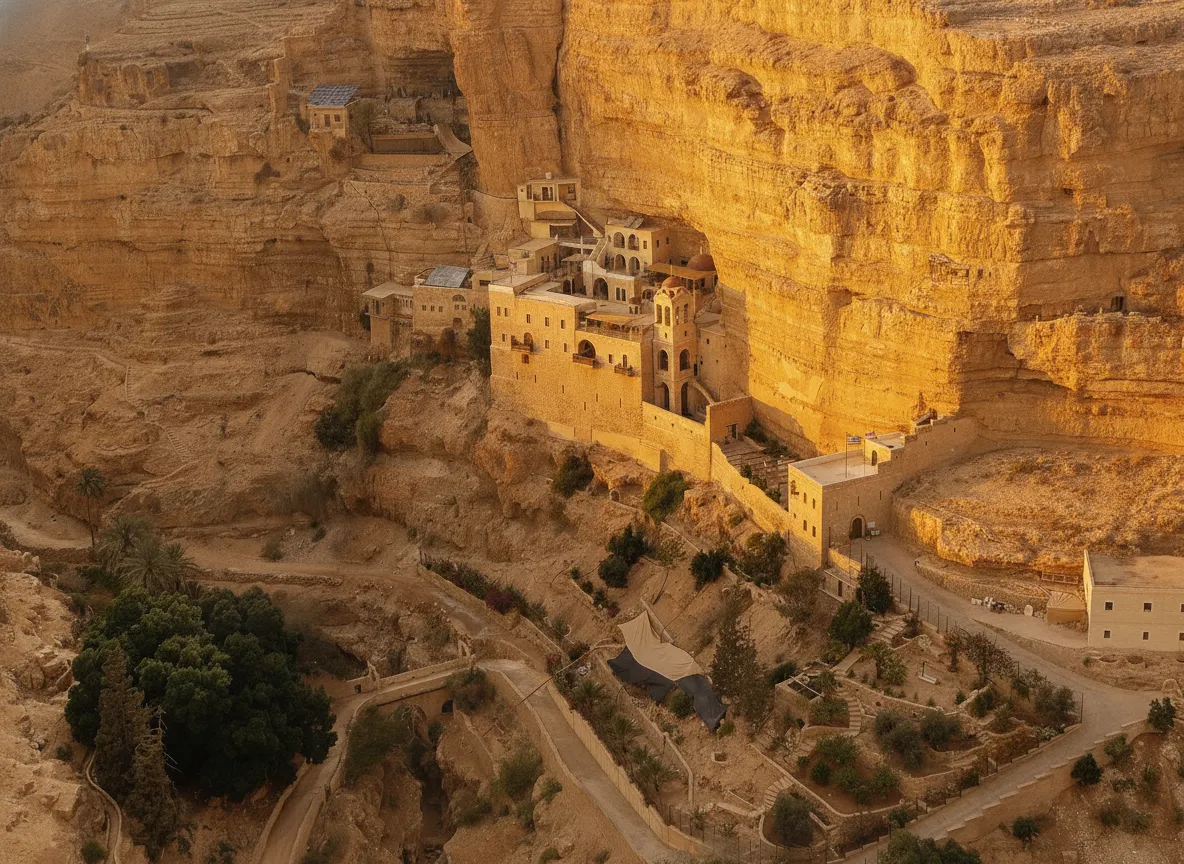
Clinging impossibly to a sheer cliff face in the Judean Desert, this ancient monastery looks like it was plucked from a fable and dropped into reality. Imagine a place where time seems to slow, where the whispers of centuries past echo through canyons, and where human devotion has literally carved sanctuary out of stone. This isn't a dream sequence from an adventure movie; it's the awe-inspiring reality of the Greek Orthodox Monastery of Saint George of Choziba, a hidden gem nestled deep within Palestine’s dramatic Wadi Qelt.
For those who crave travel that transcends the ordinary, that challenges perceptions and ignites the spirit of discovery, Choziba isn't just a destination – it's an experience. It's a place where the grandeur of nature meets the resilience of faith, creating a landscape so unique, so profoundly moving, that it imprints itself on your soul. Get ready to journey with me to a site that will make you question what's truly possible when determination meets devotion.
A Miraculous Marvel Carved into the Desert
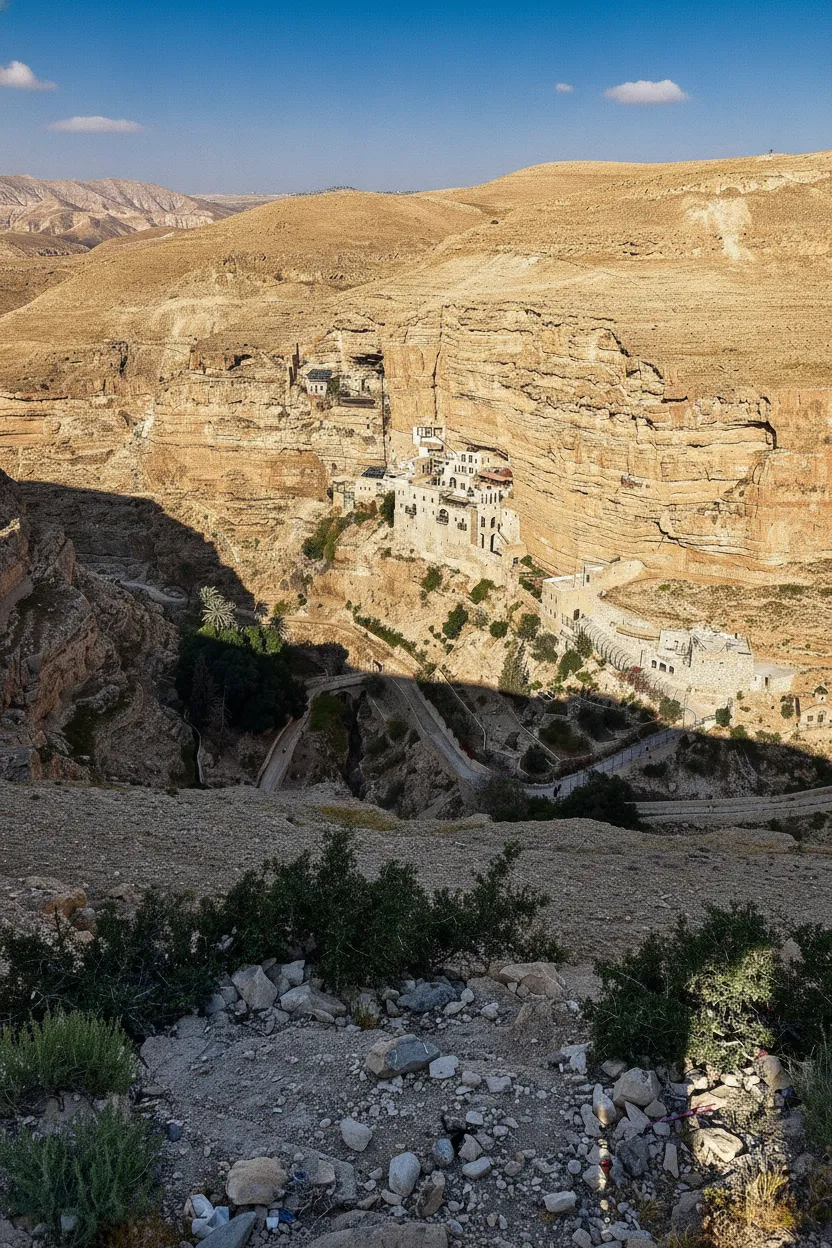
What makes the Monastery of Saint George of Choziba so special? It's not just one thing; it's a symphony of extraordinary elements that converge in this remote corner of the Judean Desert. First and foremost is its mind-boggling location. Picture this: rugged, sun-baked cliffs plunging into a narrow canyon, and there, seemingly defying gravity, is a complex of buildings, chapels, and terraces literally integrated into the rock face. It’s a testament to human ingenuity and a profound commitment to asceticism, a desire to be closer to the divine in the most challenging of environments.
This isn't a museum; it's a living, breathing monastery, continuously inhabited by Greek Orthodox monks for centuries. The sight of their black-robed figures moving through the ancient courtyards, against the backdrop of the desolate yet strangely beautiful desert, adds an almost surreal layer to the experience. You're witnessing a tradition that has endured for over 1500 years, a direct link to the earliest days of Christianity in the Holy Land.
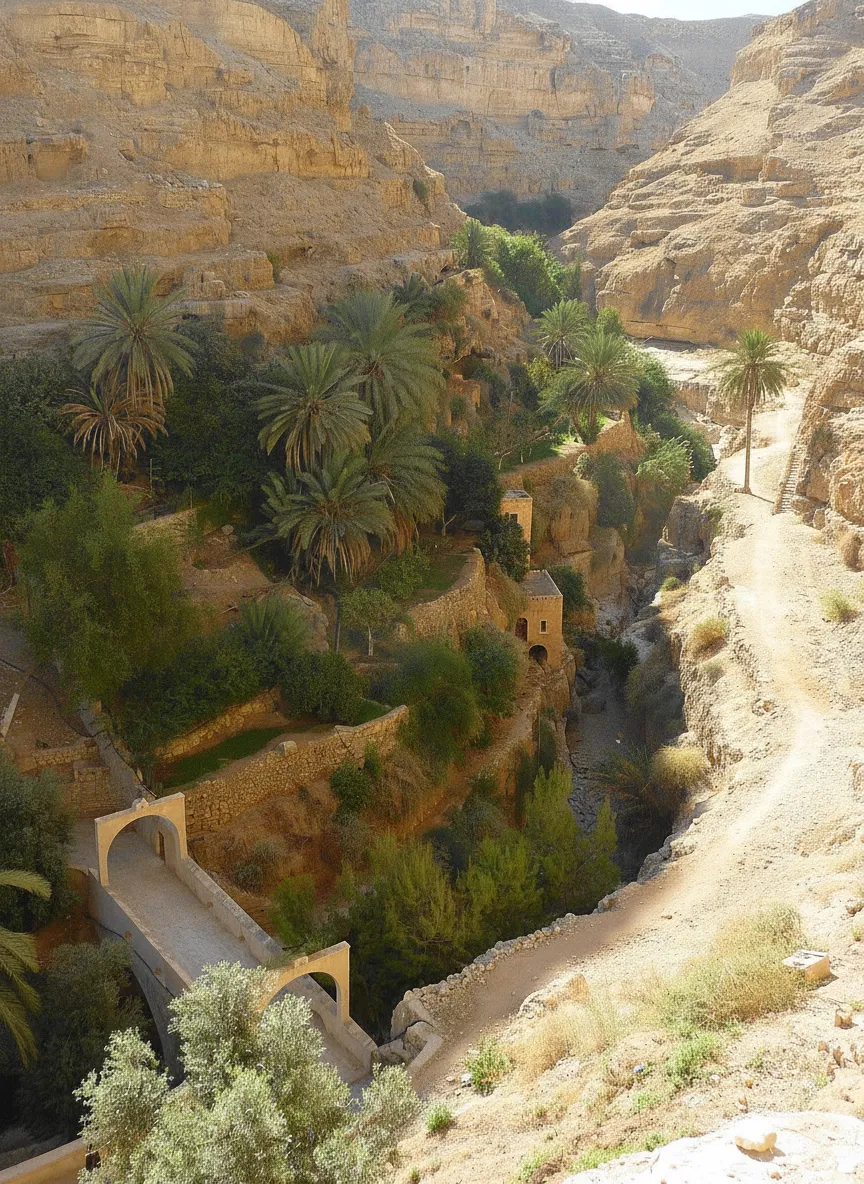
Adding to its mystique is the improbable oasis that thrives in the canyon below. The Wadi Qelt, despite its arid surroundings, is fed by natural springs, creating a ribbon of lush greenery, palm trees, and flowing water – a truly miraculous sight in the heart of the desert. The monastery itself draws its lifeblood from these springs, a symbol of spiritual sustenance in a barren land. To stand on the monastery's terraces, gazing down at this verdant strip amidst the stark desert, is to witness a profound metaphor for hope and resilience.
The journey to the monastery itself is part of the adventure. Accessible only by a footbridge that spans the dramatic canyon, crossing it feels like stepping back in time, leaving the modern world behind to enter a realm of ancient sanctity. It’s a place that asks you to slow down, to observe, and to reflect, offering a rare opportunity for introspection away from the clamor of everyday life. This isn't just sightseeing; it's a pilgrimage, whether spiritual or simply a journey of wonder.
Echoes of Eternity: A Glimpse into its Ancient Past
The story of Saint George of Choziba is as captivating as its appearance. Its origins trace back to the 5th century, during a period when the Judean Desert became a thriving hub for hermits and monks seeking solitude and spiritual enlightenment. This era saw the rise of 'Desert Fathers,' who established some of the earliest monastic communities, transforming the harsh landscape into a cradle of Christian monasticism.
The monastery was founded around 480 AD by five Syrian hermits, with its most significant development attributed to Saint John of Thebes, who arrived in 480 AD and organized the community. However, the monastery truly flourished under Saint George of Choziba, who resided there in the late 6th and early 7th centuries. It was during this period that the monastery became a prominent spiritual center, attracting monks and pilgrims from across the region.
Tragedy struck in 614 AD when the Persian invasion of Palestine led to the massacre of many monks, a dark chapter in its history. The monastery lay largely deserted for centuries, falling into disrepair, a silent testament to its former glory. But the spirit of Choziba was not extinguished. It was revitalized in the late 19th century by the Greek monk Kallinikos, who undertook the arduous task of rebuilding and restoring the monastery to its former splendor. His dedication brought the monastery back to life, ensuring its continuity as a beacon of faith.
Today, the monastery stands as a living museum, a continuous thread connecting the ancient world to the present. It houses relics of its founders and saints, including the tomb of Saint George of Choziba himself and the remains of Saint John of Thebes. Every stone, every fresco, every quiet courtyard whispers tales of devotion, resilience, and the enduring human quest for meaning in a challenging world. It’s a place where history isn't just read in books; it's felt in the very air you breathe.
Stepping Inside: What Awaits You at Choziba
Your visit to the Monastery of Saint George of Choziba begins with the approach – a breathtaking walk down into the Wadi Qelt, followed by the iconic footbridge crossing. This journey itself is a preparation, a shedding of the mundane as you descend into this sacred space. Once inside, you'll find a world rich with spiritual artistry and profound tranquility.
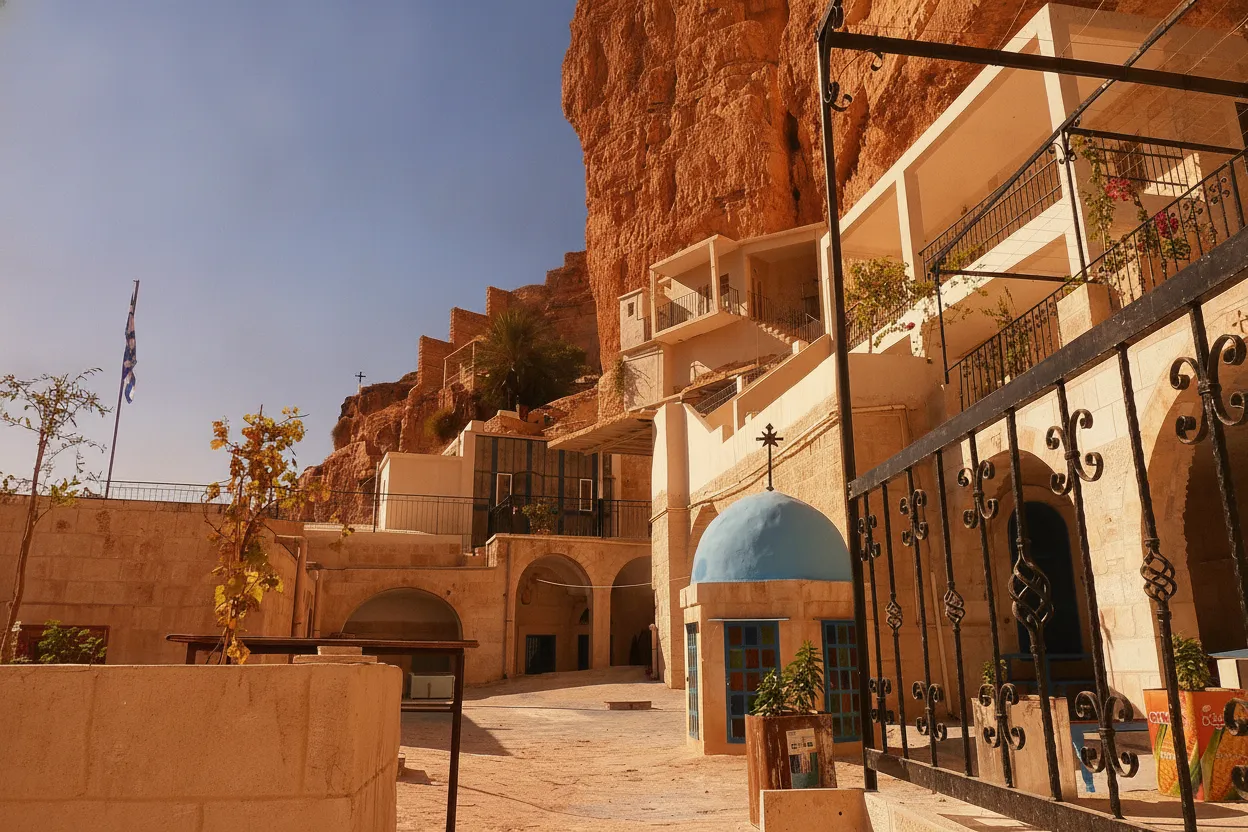
The monastery complex is a labyrinth of chapels, courtyards, gardens, and monks' cells, all ingeniously built into and out of the limestone cliffs. You'll explore the main church, dedicated to the Virgin Mary, adorned with stunning Byzantine frescoes, intricate icons, and the soft glow of flickering candles. The air is thick with the scent of incense, and the quiet reverence of the space is palpable. Don't miss the chapel of Saint George and Saint John, where their sacred relics are preserved, offering a powerful connection to the monastery's foundational figures.
One of the most remarkable features is the Cave of Elijah, a natural grotto within the monastery complex where tradition holds that the Prophet Elijah rested on his journey to Mount Horeb. This ancient cave adds another layer of historical and spiritual significance, predating the Christian monastery itself and linking it to earlier prophetic traditions in the region.
As you wander through the narrow passages and climb the ancient stairs, you'll discover charming courtyards filled with potted plants and olive trees, providing shaded retreats from the desert sun. The monks' cells, carved directly into the rock, offer a glimpse into the austere and dedicated lives led by the inhabitants. From various vantage points, you'll be treated to unparalleled views of the Wadi Qelt below, with its unexpected ribbon of green contrasting sharply with the ochre desert cliffs. It's a photographer's dream and a contemplative's paradise.
While the monastery is a sacred place, the monks are generally welcoming to visitors, offering a rare opportunity to witness their daily life and perhaps even engage in a brief, respectful conversation. Remember, you are a guest in their home, a living testament to faith and tradition.
Planning Your Pilgrimage: Practical Tips for Visiting
A visit to the Monastery of Saint George of Choziba requires a bit of planning, but the rewards are immeasurable. Here’s what you need to know to make your trip smooth and respectful:
Getting There: The monastery is located in the Wadi Qelt, between Jericho and Jerusalem. The most common way to get there is by taxi from Jericho or a shared taxi (sherut) from Jerusalem to the turn-off for Wadi Qelt. From there, it's a walk down into the canyon to the monastery. The walk is manageable but involves a descent and ascent, so wear comfortable shoes.
Dress Code: As a sacred religious site, modest attire is essential. For women, this means covering shoulders and knees; a headscarf is also advisable. For men, long trousers are appropriate. Respectful dress shows deference to the monks and the sanctity of the place.
Opening Hours: The monastery generally welcomes visitors during daylight hours, but it's always wise to check current opening times, as they can vary, especially around religious holidays. Avoid visiting during midday in summer, as the desert heat can be intense.
Respectful Conduct: Maintain a quiet and respectful demeanor throughout your visit. Photography is generally permitted in the exterior areas and courtyards, but always ask permission before taking photos inside chapels or of the monks themselves. This is a place of worship and contemplation, not just a tourist attraction.
Bring Water & Snacks: Especially if visiting during warmer months, carry plenty of water. There are no shops or facilities once you start the descent into the wadi, so come prepared. A hat and sunscreen are also highly recommended.
Accessibility: Please note that the monastery is not wheelchair accessible and involves walking down a winding path and crossing a footbridge. The terrain can be uneven, so visitors with mobility issues might find it challenging.
Combine with Other Sites: The monastery is often visited as part of a day trip that might include Jericho (the oldest city in the world), the Mount of Temptation, or other sites in the Judean Desert. This allows you to fully immerse yourself in the rich history and spirituality of the region.
Visiting the Monastery of Saint George of Choziba is more than just ticking off a bucket list item; it's an encounter with history, faith, and the astonishing power of human endeavor. It’s a journey to a place where the ancient world still breathes, offering a profound sense of peace and wonder. If you're ready to step off the well-trodden path and discover a truly extraordinary destination, let the Monastery of Saint George of Choziba be your next adventure. You won't just see a monastery; you'll feel its spirit, a timeless echo in the heart of the desert.
Essential Travel Information
- Location Monastery of Saint George of Choziba, Palestine
- Best Time Autumn (September-November) and Spring (March-May) for pleasant temperatures.
- Getting There Taxi or shared taxi (sherut) from Jericho or Jerusalem to the Wadi Qelt turn-off, followed by a walk down into the canyon and across a footbridge to the monastery.
- Airport Ben Gurion Airport (TLV)
- Budget Budget/Mid-range (cost mainly for transportation, entrance is free but donations are welcome)
- Language Arabic, Hebrew, English (widely spoken in tourist areas)
Find Places to Stay Near Monastery of Saint George of Choziba
Compare hotels, hostels, and unique stays in Palestine.
Search AccommodationTours & Experiences Near Monastery of Saint George of Choziba
Book guided tours, day trips, and unique experiences.
Browse Tours