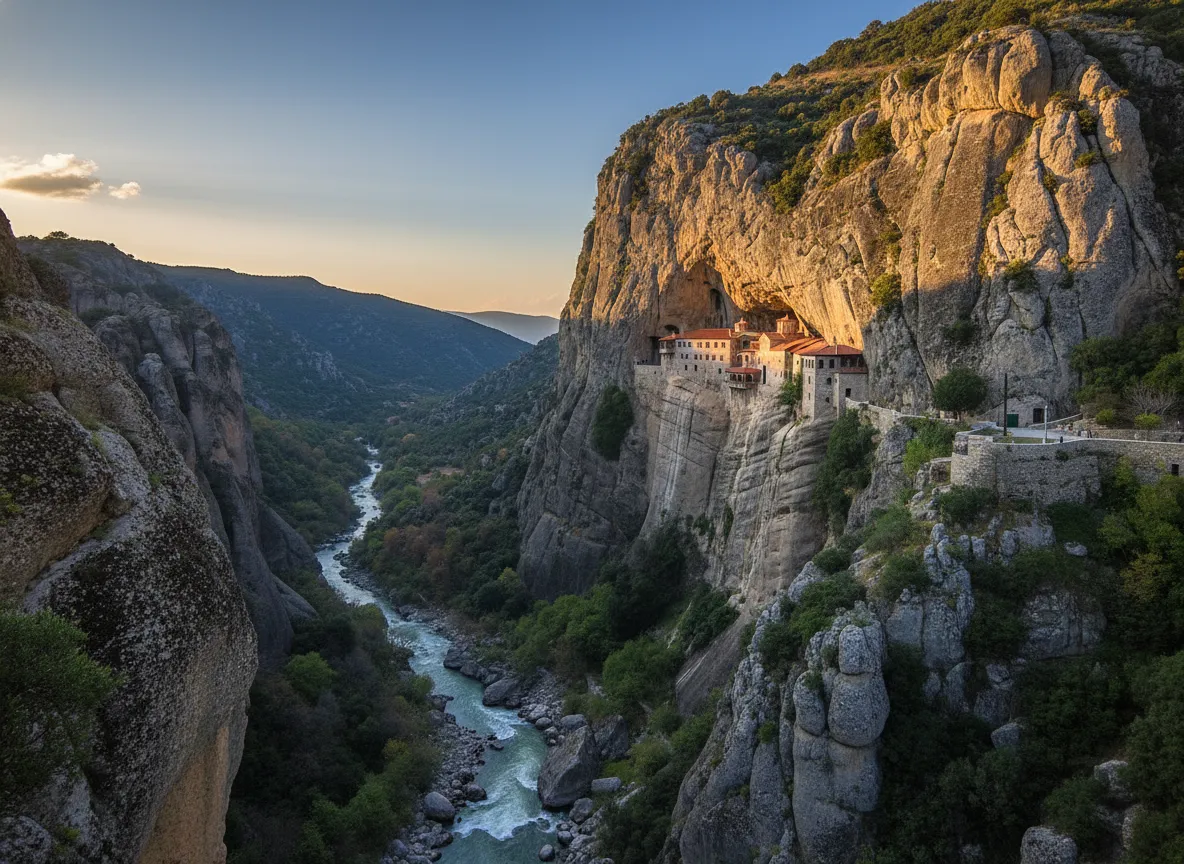
Imagine a place where faith quite literally clings to the impossible. A sanctuary so dramatically carved into the very sinews of the earth, it looks less like a building and more like a natural extension of the rock itself. Perched precariously in the sheer face of a towering limestone cliff, high above a rushing river, lies Moni Prodromou – the Monastery of St. John the Baptist. This isn't just another beautiful spot in Greece; it's a profound experience, a testament to human spirit and devotion, hidden deep within the wild heart of the Peloponnese. Prepare to have your breath stolen, your senses awakened, and your understanding of what’s possible challenged, as we journey to this extraordinary 'swallow's nest' of faith.
Moni Prodromou: A Monastery Woven into the Wild
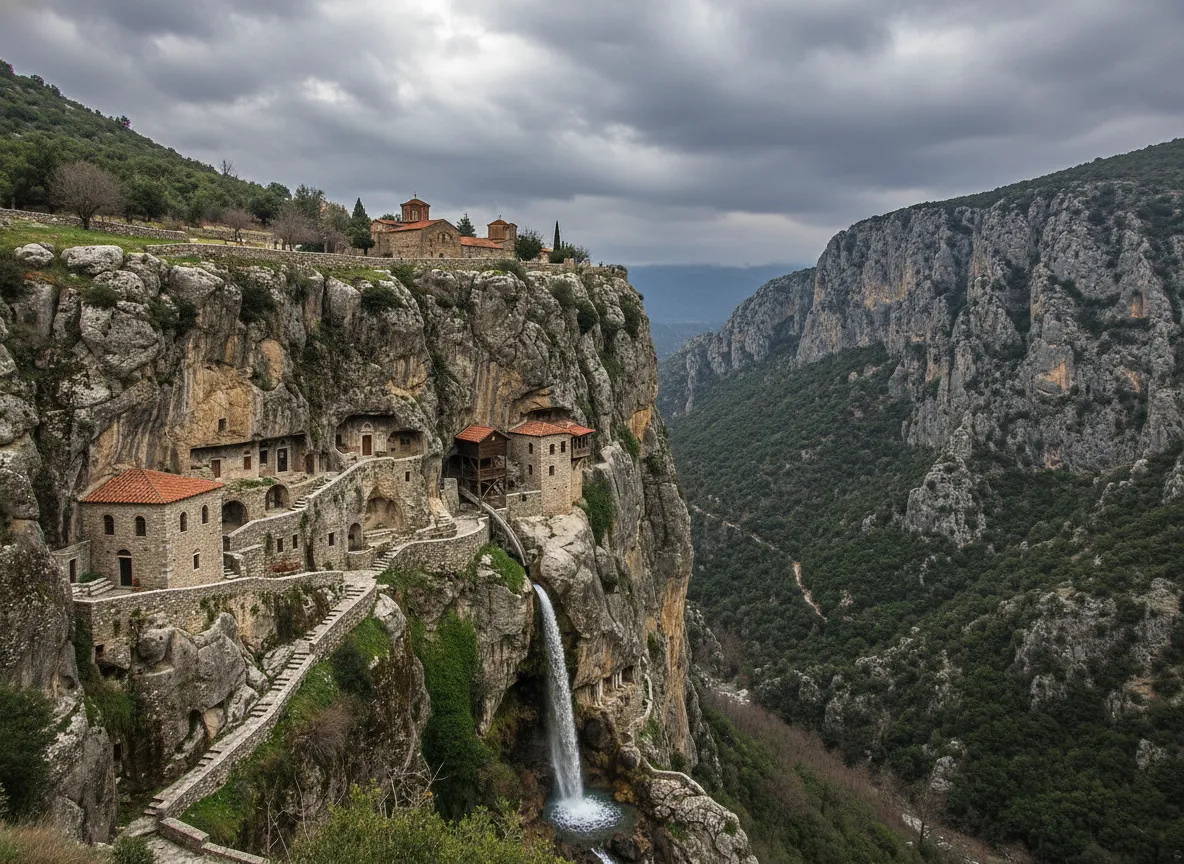
Nestled deep within the dramatic Lousios Gorge, in the rugged region of Arcadia, Moni Prodromou is an Orthodox monastery unlike almost any other. It doesn't just sit on a cliff; it's *part* of the cliff. Largely carved directly into the vertical rock face, its ancient cells, chapels, and precarious balconies appear to defy gravity, clinging miraculously to the stone hundreds of meters above the crystalline waters of the Lousios River. This isn't a destination for the faint of heart, nor for those seeking manicured lawns and easy access. Instead, it offers an authentic, raw, and utterly unforgettable encounter with history, nature, and profound spirituality.
The sheer audacity of its construction is what first strikes you. How did monks, centuries ago, manage to hew living spaces, places of worship, and even simple walkways from such an unforgiving canvas? The answer lies in unwavering faith and an incredible resilience that characterizes much of Greek monastic tradition. Moni Prodromou is more than just a site; it's a living monument to a life of isolation and devotion, a literal 'swallow's nest' of faith that has sheltered generations of monks from the outside world, offering them an unparalleled vantage point for contemplation and prayer.
Echoes of Devotion: A Glimpse into Moni Prodromou's History
The origins of Moni Prodromou date back to the 16th century, a period when the Peloponnese, like much of Greece, was under Ottoman rule. In these tumultuous times, remote monasteries like Prodromou served not only as spiritual havens but often as centers for preserving Greek culture, language, and Orthodox Christian identity. The isolation provided by the Lousios Gorge was not just a means for ascetic practice, but also a strategic defense against invaders and external pressures.
Imagine the daily lives of the monks here, centuries ago. Their existence would have been one of profound simplicity, arduous labor, and unshakeable faith. Every drop of water, every morsel of food, every piece of building material would have been painstakingly brought to this lofty perch. The very act of living here was an act of devotion. Over the centuries, the monastery witnessed countless sunrises paint the gorge in hues of gold and crimson, endured the whisper of the wind through its rock-hewn passages, and stood as a silent sentinel through periods of peace and upheaval. It even played a significant role during the Greek War of Independence in the early 19th century, offering refuge to fighters and contributing to the revolutionary cause, a testament to its enduring connection with the Greek people.
Walking through its ancient halls, you can almost hear the echoes of Byzantine chants, the rustle of monastic robes, and the quiet prayers whispered into the stone. It's a place where history isn't just read; it's felt, reverberating through every carved niche and sun-drenched balcony.
Your Journey to the 'Swallow's Nest': What to Expect
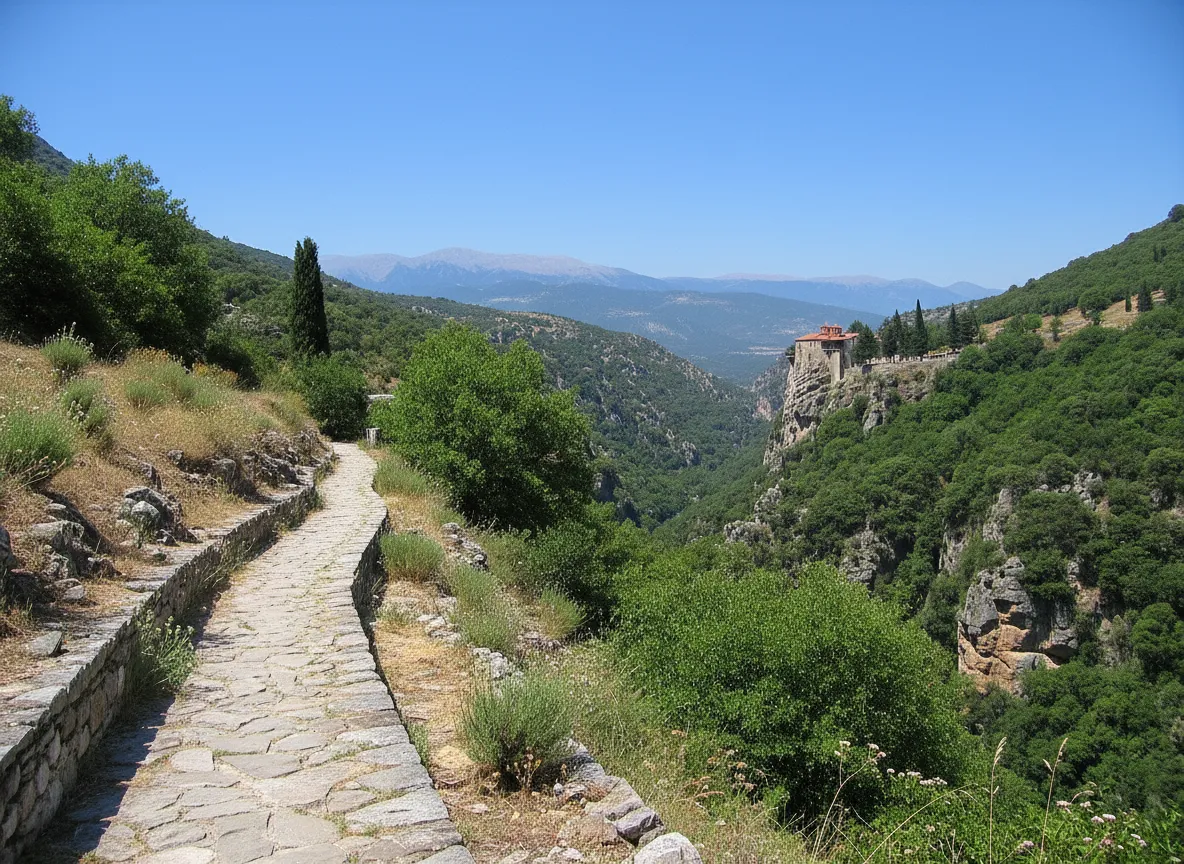
Visiting Moni Prodromou is an adventure in itself, an integral part of the experience. The monastery is accessible only by a winding, sometimes challenging path that snakes along the Lousios Gorge. Most visitors begin their trek from either the charming village of Dimitsana or the equally picturesque Stemnitsa, both of which serve as excellent bases for exploring the wider region.
The hike itself is breathtaking, leading you through lush vegetation, past ancient ruins (including the archaeological site of Ancient Gortys), and offering ever-changing perspectives of the dramatic gorge. The air is crisp, scented with pine and wild herbs, and the only sounds are the rush of the river and the calls of birds. As you round a bend, the monastery suddenly appears, seemingly suspended in mid-air – a truly awe-inspiring sight that makes every step of the journey worthwhile.
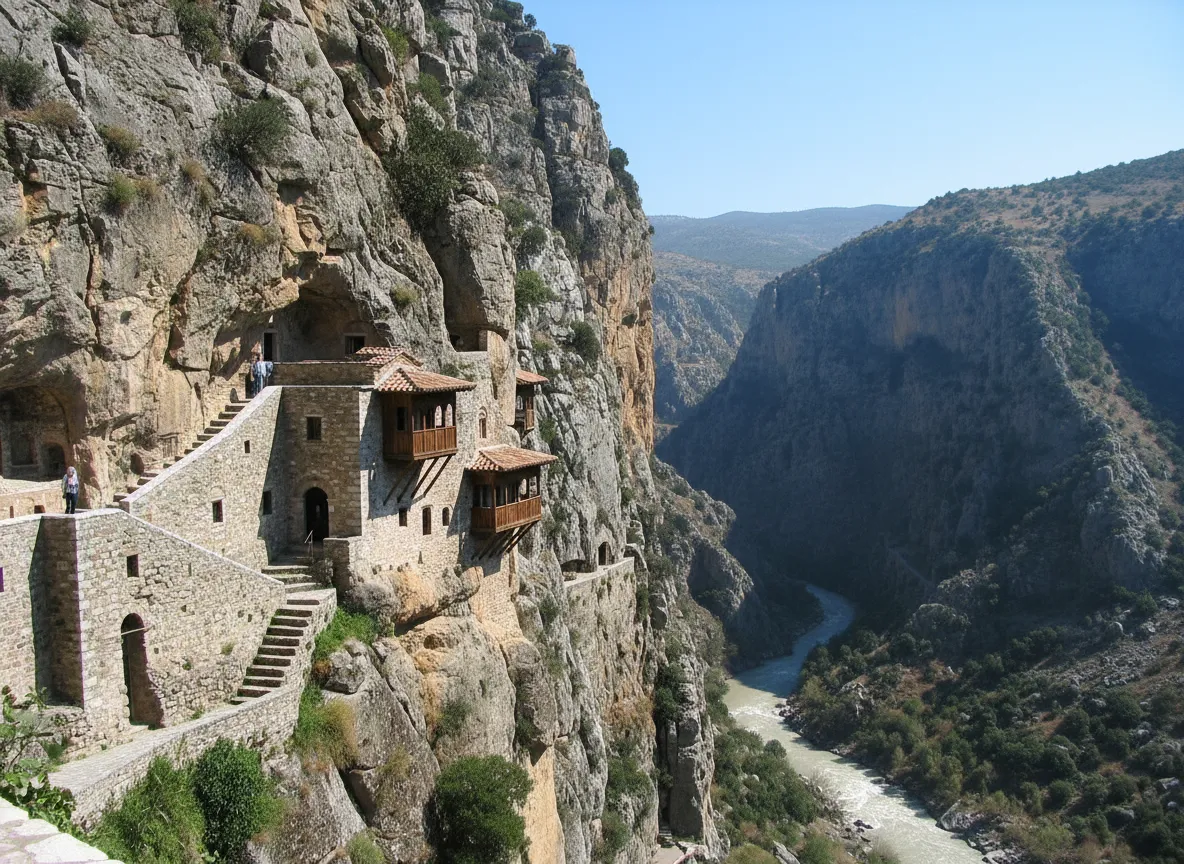
Upon arrival, you'll be greeted by the resident monks, who continue the centuries-old tradition of hospitality. The entrance leads into a labyrinth of narrow corridors, low-ceilinged rooms, and small chapels, all carved directly from the rock. You'll explore dimly lit cells, marvel at ancient frescoes (some dating back to the 16th century) adorning chapel walls, and discover hidden balconies that offer arguably the most spectacular views in all of the Peloponnese. From these precarious perches, the Lousios River winds like a silver ribbon far below, framed by the towering cliffs and verdant slopes of the gorge. It's a panorama that inspires both reverence and wonder, a truly humbling experience.
The atmosphere inside is one of profound peace and tranquility. Despite its dramatic setting, there's a quiet hum of spiritual energy that permeates the monastery. It’s a place to slow down, to reflect, and to connect with something much older and deeper than ourselves. You might even be offered a traditional treat – a glass of water and a spoonful of glyko tou koutaliou (spoon sweet), a gesture of welcome that has been extended to weary travelers for centuries.
Practical Tips for Visiting This Hidden Gem
To make your visit to Moni Prodromou as enjoyable and respectful as possible, keep these tips in mind:
- Access & Footwear: The monastery is part of the Lousios Gorge hiking trail. The hike can range from 1 to 2 hours depending on your starting point (Dimitsana or Stemnitsa) and pace. Wear sturdy hiking shoes with good grip. The path can be uneven and rocky in places.
- Dress Code: As an active monastery, modest attire is required. Men should wear long trousers, and women should wear long skirts or trousers and have their shoulders covered. If you forget, sometimes the monastery provides wraps at the entrance, but it's best to come prepared.
- Best Time to Visit: Spring (April-May) and Autumn (September-October) offer the most pleasant weather for hiking, with lush greenery or vibrant fall colors. Summers can be very hot, and winters can be cold and potentially snowy, making the paths more challenging.
- What to Bring: Plenty of water, snacks, sunscreen, a hat, and a camera (though photography may be restricted inside some areas of the monastery itself – always ask or look for signs).
- Respectful Conduct: Maintain a quiet and respectful demeanor throughout your visit. Remember, this is a place of worship and monastic life.
- Combine Your Visit: Moni Prodromou is often visited as part of a longer hike through the Lousios Gorge, which also includes the Monastery of Philosophou (another incredible cliff-side monastery, albeit older and partly ruined) and the archaeological site of Ancient Gortys. Consider staying a few nights in Dimitsana or Stemnitsa to fully explore the region.
- Opening Hours: Monasteries often have specific visiting hours and may close for lunch or during certain religious services. It's wise to check locally or online before you set off, especially if you're traveling a long distance.
Moni Prodromou is more than just a destination; it's an experience that etches itself into your memory. It's a journey into Greece's spiritual heart, a testament to human ingenuity, and a profound encounter with nature's raw beauty. If you're seeking an adventure that goes beyond the typical tourist trail, a place that truly inspires wonder and reflection, then the 'swallow's nest' of Moni Prodromou awaits.
Essential Travel Information
- Location Moni Prodromou (Monastery of St. John the Baptist), Greece
- Best Time Spring (April-May) and Autumn (September-October)
- Getting There Drive to Dimitsana or Stemnitsa, then hike along the Lousios Gorge trail (approx. 1-2 hours) to reach the monastery.
- Airport Kalamata International Airport (KLX) or Athens International Airport (ATH)
- Budget Mid-range (approx. €50-€100 per day, excluding international flights, including local accommodation, food, and transport)
- Language Greek
Find Places to Stay Near Moni Prodromou (Monastery of St. John the Baptist)
Compare hotels, hostels, and unique stays in Greece.
Search AccommodationTours & Experiences Near Moni Prodromou (Monastery of St. John the Baptist)
Book guided tours, day trips, and unique experiences.
Browse Tours