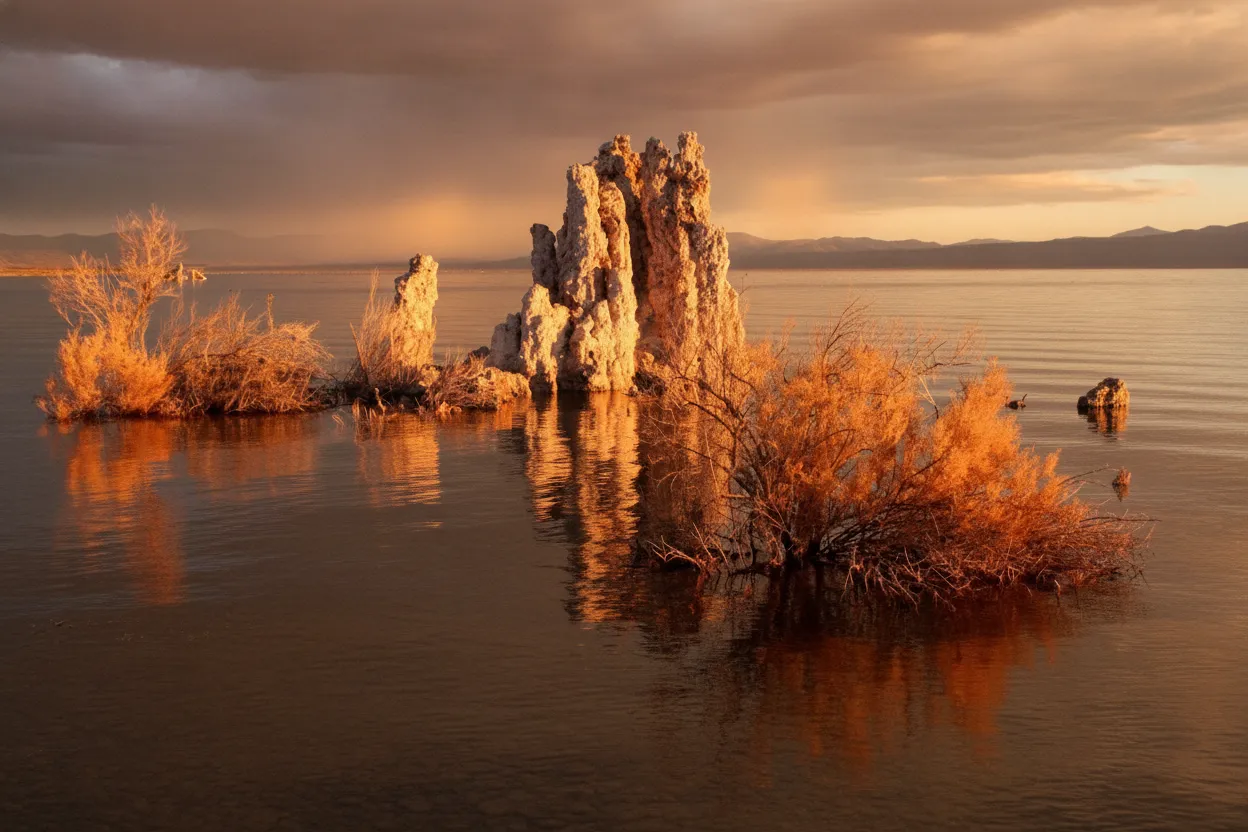
Imagine an alien landscape, not on some distant planet, but right here on Earth. Picture towering, calcified spires rising dramatically from the shimmering surface of a hyper-saline lake, where freshwater springs meet ancient alkaline waters. This isn't a scene from a sci-fi movie; it's the breathtaking reality of Mono Lake Tufa Towers in California's mystical Eastern Sierra. If you've ever dreamt of stepping into a postcard or exploring a place that feels utterly unique, then prepare to be captivated by one of North America's most surreal natural wonders. Let me tell you why this hidden gem should be at the very top of your travel list.
Unveiling Mono Lake's Mystical Tufa Towers
What makes Mono Lake so utterly fascinating? It all comes down to a remarkable geological ballet. These surreal tufa towers are formed through a process that sounds like something from a mad scientist's lab. Deep beneath the lake's surface, calcium-rich freshwater springs bubble up, meeting the lake's highly carbonate-rich, alkaline water. When these two distinct water types combine, they react, precipitating limestone into fantastical, spire-like shapes that grow over thousands of years.
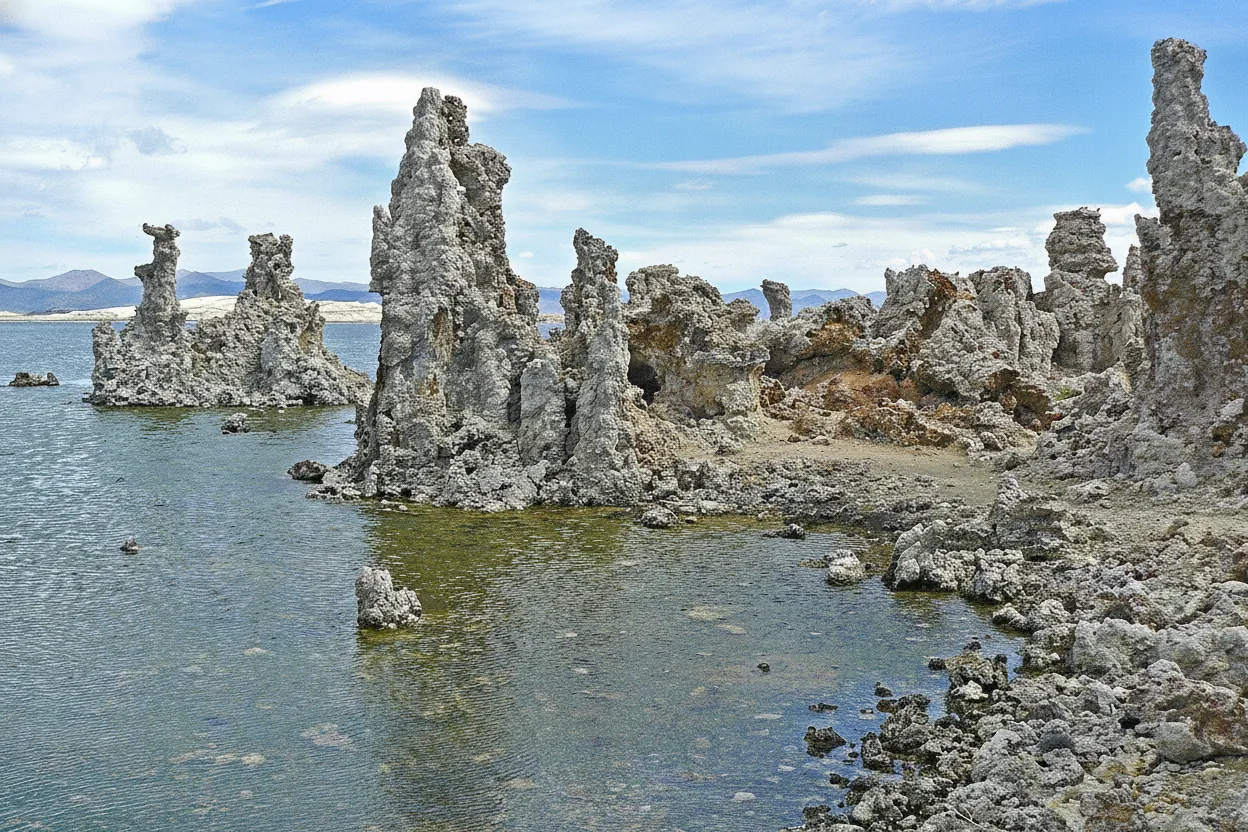
For millennia, these magnificent formations remained hidden, submerged beneath the lake's ancient waters. They were the 'ghosts' of the deep, silent and unseen. However, decades of water diversion to Los Angeles, starting in the 1940s, dramatically lowered Mono Lake's water level, exposing many of these magnificent structures to the open air. What was once a secret world beneath the waves is now a hauntingly beautiful, otherworldly landscape that constantly evolves with the lake's changing levels. Walking among them, you feel a profound connection to geological time, witnessing a stark, beautiful testament to unique geology and a living laboratory of environmental resilience.
A Glimpse into the Past: The Saga of Mono Lake
Mono Lake isn't just a geological marvel; it's also a powerful story of human impact, environmental activism, and incredible recovery. For thousands of years, the lake was a thriving ecosystem, supporting a unique food chain based on its abundant brine shrimp and alkali flies. These tiny creatures, specially adapted to the lake's hypersaline conditions (it's roughly 2.5 times saltier than the ocean!), in turn, provide a vital food source for millions of migratory birds that stop at Mono Lake each year, making it a critical avian sanctuary.
The diversions of its tributary streams by the Los Angeles Department of Water and Power led to a catastrophic drop in the lake's level. This not only exposed the tufa towers but also increased the lake's salinity to dangerous levels, threatening its delicate ecosystem. The exposed lakebed also created dust storms laden with toxic arsenic, posing a health risk to nearby communities. Thankfully, a concerted effort by environmental groups, notably the Mono Lake Committee, led to a landmark court decision in 1994, mandating that the lake level be restored to a healthier elevation. This ongoing restoration project is a beacon of hope, demonstrating that with dedication and advocacy, even significantly altered natural environments can begin to heal and thrive once more. Visiting Mono Lake is not just seeing a beautiful place; it's witnessing a living testament to successful environmental conservation.
What Awaits You: Exploring Mono Lake's Otherworldly Shorelines
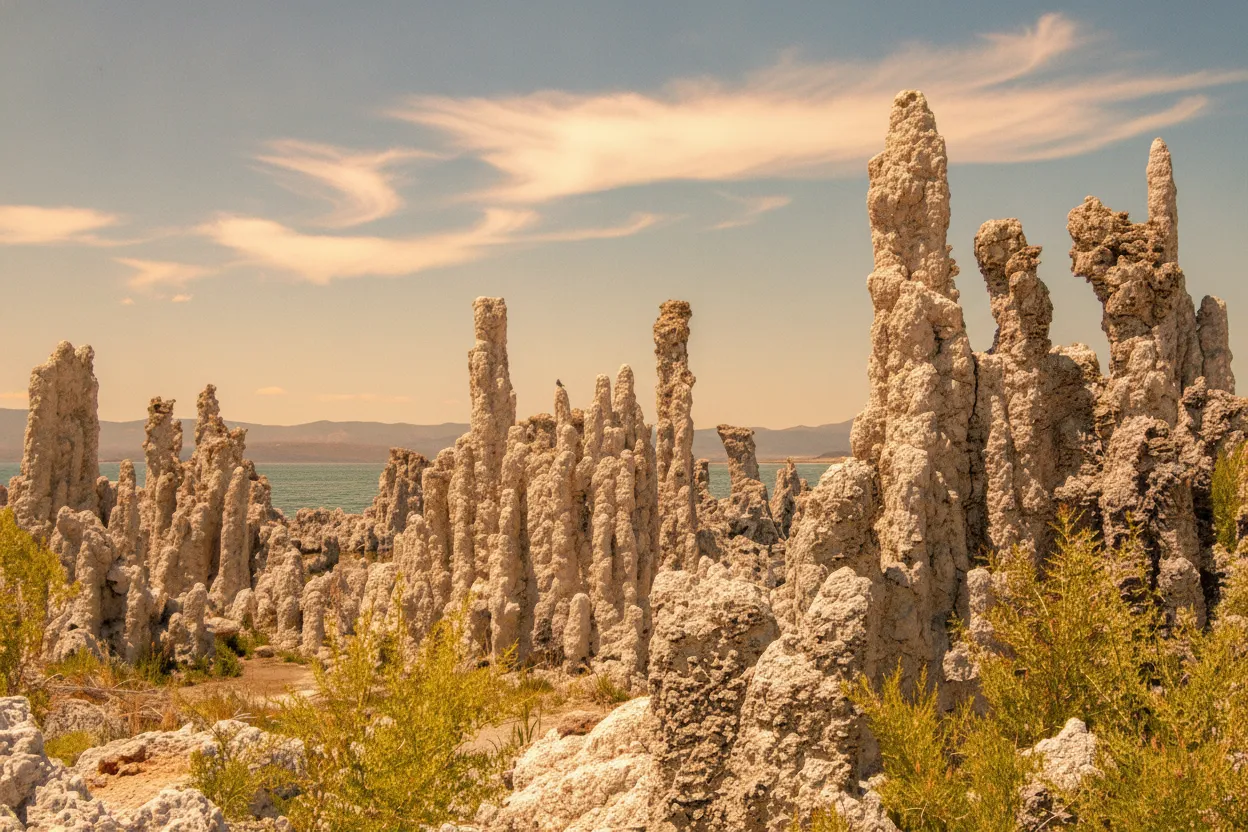
Stepping onto the shores of Mono Lake is like stepping onto another planet. The most popular and accessible spot to experience the tufa towers up close is the South Tufa area. Here, a well-maintained boardwalk and interpretive trails guide you through a forest of these ancient limestone spires. You can wander among them, marveling at their intricate shapes and textures, some resembling melted candles, others towering like ancient castles. The air is often still, broken only by the gentle lapping of the lake's waves and the cries of gulls.
Photography enthusiasts, prepare for paradise! Sunrise and sunset transform the landscape into a painter's dream, casting long shadows and bathing the towers in hues of gold, pink, and purple. The reflective surface of the lake often creates stunning mirror images, doubling the beauty. Beyond the South Tufa, other areas like Navy Beach offer different perspectives and opportunities for kayaking or canoeing (seasonal and conditions permitting) right among the towers – an unforgettable experience. Keep an eye out for the millions of brine shrimp in the summer, and the countless eared grebes and Wilson's phalaropes that gather here during their migrations. It’s a place that invites quiet contemplation, awe, and endless exploration.
Planning Your Adventure: Essential Tips for Visiting Mono Lake
Ready to embark on your journey to this California marvel? Here are some friendly tips to make your visit unforgettable:
Best Time to Visit: Spring (April-May) and Fall (September-October) offer mild temperatures, fewer crowds, and often stunning photographic opportunities. Summer (June-August) is popular but can be hot, while winter (November-March) provides a stark, snow-dusted beauty but can be very cold, and some roads may close.
What to Bring: The Eastern Sierra weather can be unpredictable. Dress in layers, bring plenty of water, sunscreen, a wide-brimmed hat, and sturdy walking shoes. Don't forget your camera – you'll want to capture every angle!
Respect the Environment: Mono Lake is a fragile ecosystem. Stay on marked trails, do not climb on the tufa towers (they are delicate!), and pack out everything you pack in. Leave no trace, allowing others to enjoy its pristine beauty for generations to come.
Visitor Information: Start your visit at the Mono Lake Committee Information Center & Bookstore in Lee Vining for maps, current conditions, and fascinating exhibits about the lake's history and ecology. There's a small entrance fee for the South Tufa area, which helps support conservation efforts.
Nearby Attractions: Mono Lake is perfectly situated for a broader Eastern Sierra adventure. It's just a short drive from the eastern entrance to Yosemite National Park, the charming mountain town of Mammoth Lakes, and numerous hiking trails, hot springs, and fishing spots along scenic US-395.
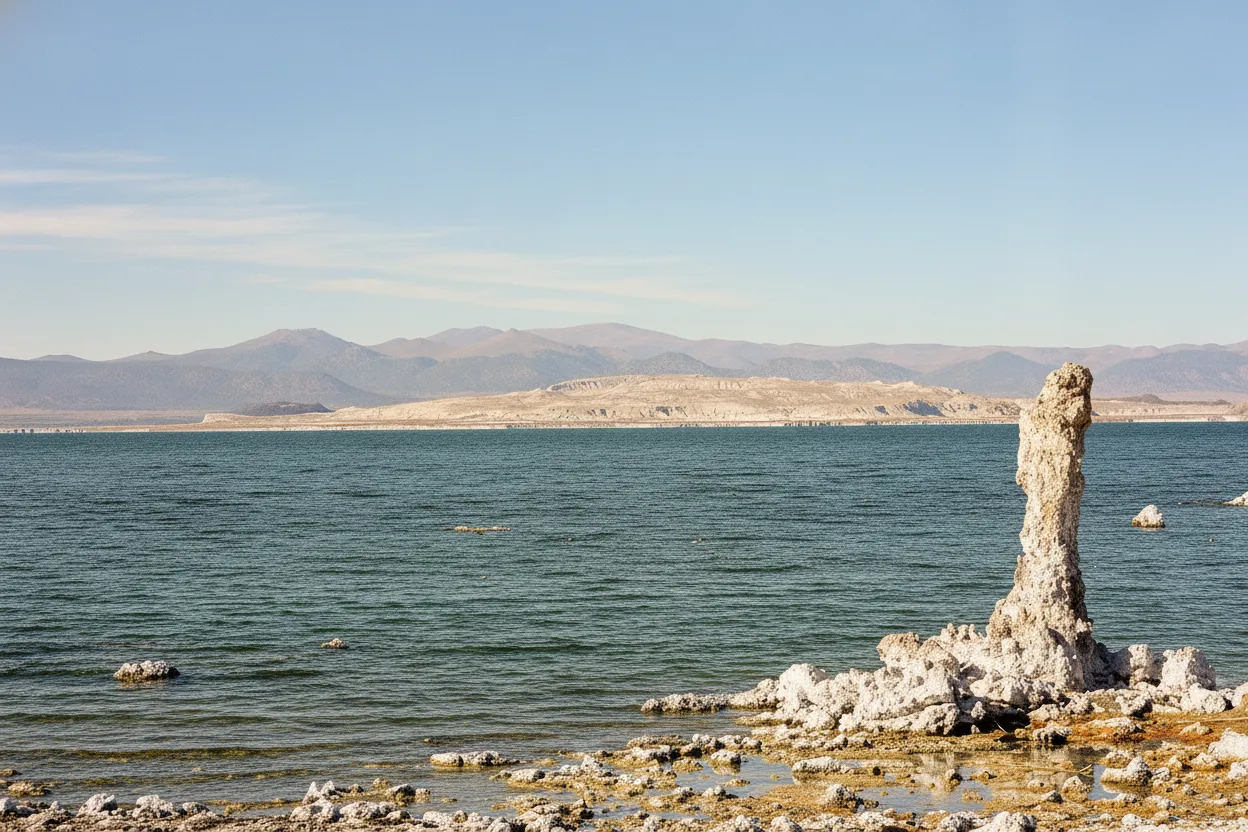
Mono Lake Tufa Towers is more than just a destination; it's an experience that challenges your perception of what's possible on our planet. It’s a place that whispers tales of ancient geological forces, shouts a powerful message of environmental resilience, and invites you to simply stand in awe of its stark, unearthly beauty. So, pack your bags, prepare your sense of wonder, and come discover the magic of California's most otherworldly landscape. You won't just see a place; you'll feel its profound story.
Essential Travel Information
- Location Mono Lake Tufa Towers, USA
- Best Time Spring (April-May) and Fall (September-October) for mild weather and stunning views. Summer is also popular but can be hot.
- Getting There Located in California's Eastern Sierra Nevada, easily accessible via US-395. Approximately 5-6 hours drive from Los Angeles or San Francisco.
- Airport Mammoth Yosemite Airport (MMH) is the closest regional airport. Major international airports like Reno-Tahoe International Airport (RNO) are 2-3 hours away, or Los Angeles (LAX) / San Francisco (SFO) are 5-6 hours drive.
- Budget Mid-range. Entrance fees are minimal, but accommodation in nearby towns like Lee Vining or Mammoth Lakes can range from $100-$300+ per night depending on season and type.
- Language English
Find Places to Stay Near Mono Lake Tufa Towers
Compare hotels, hostels, and unique stays in USA.
Search AccommodationTours & Experiences Near Mono Lake Tufa Towers
Book guided tours, day trips, and unique experiences.
Browse Tours