What Makes Moon House So Special?
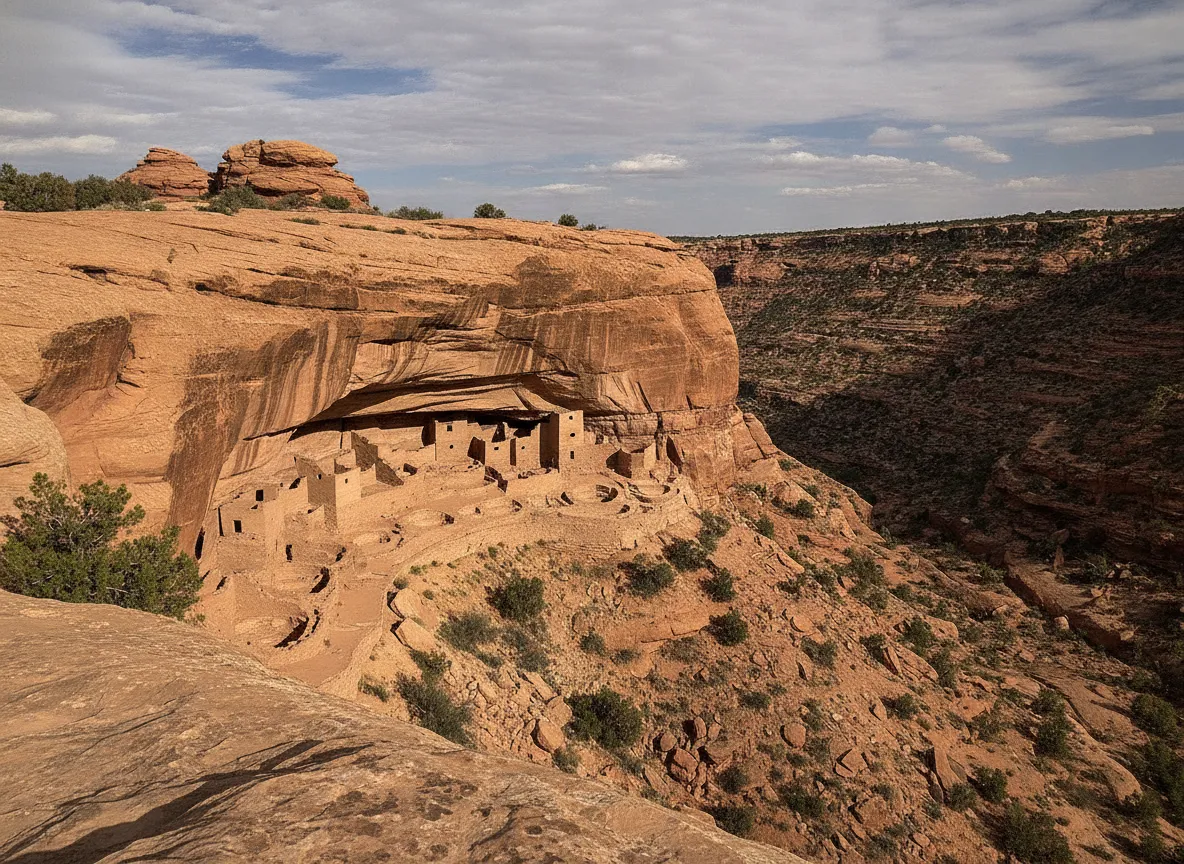
Moon House isn't merely another archaeological site; it's a profound experience. Tucked away in a seldom-visited side canyon of Cedar Mesa, its remote location is its greatest protector and its most formidable gatekeeper. Unlike many easily accessible Ancestral Puebloan sites, Moon House has remained remarkably untouched, preserving its intricate architecture and enigmatic artistry in a way few other places have. The very name, "Moon House," hints at its most striking feature: the captivating, crescent moon pictographs that grace its ancient walls, symbols that speak of a sophisticated culture's deep connection to the celestial sphere. What truly sets Moon House apart is the sense of discovery and profound solitude it offers. Reaching it requires a highly coveted permit, secured through a competitive lottery system, and a challenging, remote hike across rugged terrain. This isn't a place for casual sightseers; it's for adventurers, history buffs, and those who yearn for an authentic, unmediated encounter with ancient history. The effort involved filters out the crowds, ensuring that those who make the journey are truly dedicated to experiencing and respecting this sacred space. When you finally arrive, the silence is almost deafening, broken only by the wind, and the feeling of stepping back in time is palpable. You're not just observing; you're participating in a rare and intimate dialogue with a civilization long past, far from any paved road or modern distraction.A Glimpse into Ancient Lives: History and Background
To understand Moon House, we must first understand the Ancestral Puebloans, often mistakenly referred to as the Anasazi – a Navajo term meaning "ancient enemies," which many archaeologists now avoid. These sophisticated people thrived across the Four Corners region of the American Southwest for centuries, from roughly 200 to 1300 CE. They were master architects, astute astronomers, and innovative dryland farmers, cultivating corn, beans, and squash in a challenging desert environment. Their settlements evolved from simple pit houses to elaborate multi-story cliff dwellings, like Moon House, built into the natural alcoves of canyon walls. These strategic locations offered protection from the elements, defensibility from potential adversaries, and often held spiritual significance. The Ancestral Puebloans possessed an intricate understanding of their environment and the cosmos. They tracked celestial cycles to guide their agricultural practices, mark important ceremonies, and perhaps even to understand their place in the universe. Their artistry, from pottery to petroglyphs, often reflects these astronomical observations and spiritual beliefs. Moon House itself is believed to have been constructed and inhabited during the late Pueblo II and early Pueblo III periods, likely between 1000 and 1300 CE. While its exact purpose remains a subject of academic debate, the presence of celestial symbols strongly suggests it held significant cultural or ceremonial importance, perhaps serving as an observatory or a sacred gathering place. Like many Ancestral Puebloan sites, Moon House was eventually abandoned, a mystery still pondered by historians and archaeologists. Theories range from prolonged drought and resource depletion to social unrest or migration to new lands. Whatever the reason, these ancient people left behind a legacy of architectural genius and profound spiritual connection, waiting to be rediscovered by those who seek it out.Unveiling the Secrets: What You'll See at Moon House
The first glimpse of Moon House is often breathtaking. Perched high within a sweeping alcove, the ruin emerges from the rock face, a testament to human ingenuity and perseverance. The site consists of several well-preserved rooms, kivas (circular ceremonial chambers), and storage areas, all constructed with remarkable precision using local sandstone. The masonry is exquisite, with perfectly fitted stones and carefully plastered walls, some still bearing the faint marks of ancient hands.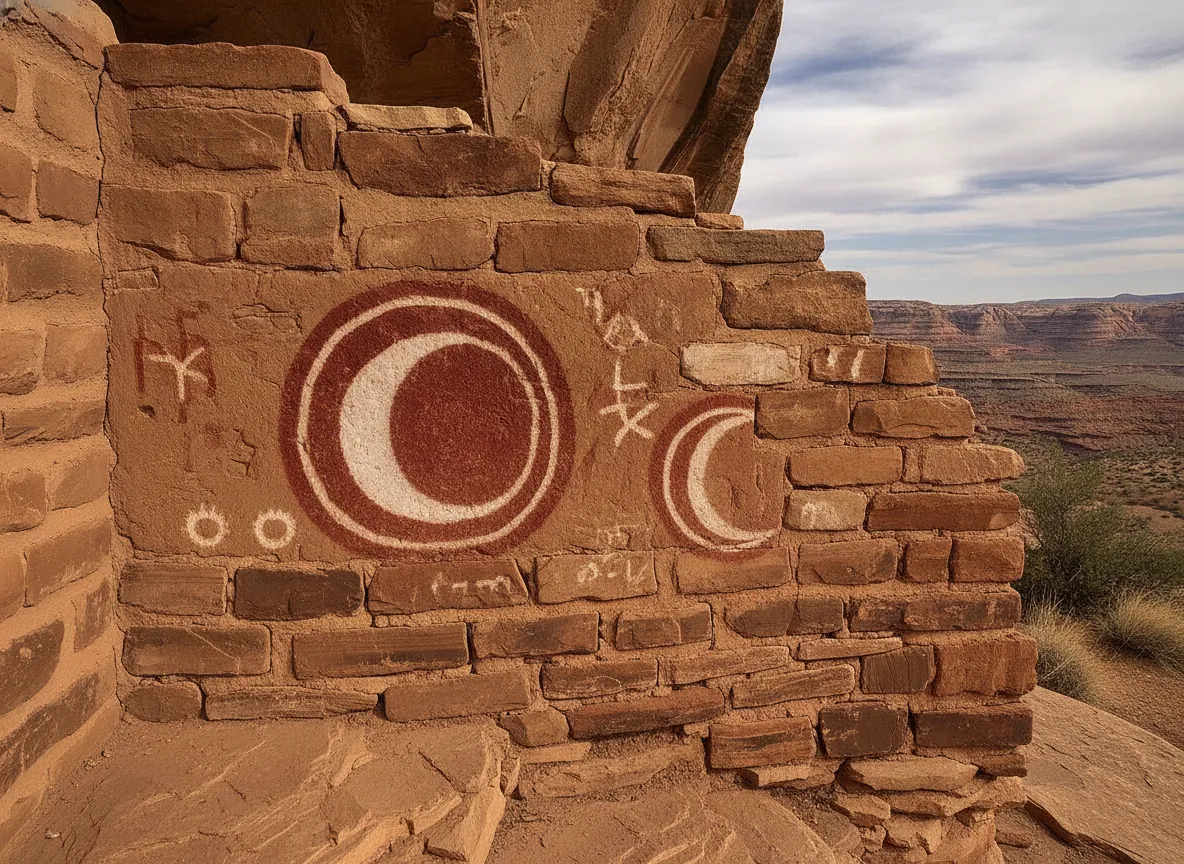 As you explore, you'll notice the distinct architectural features common to Ancestral Puebloan dwellings: small doorways, ventilation shafts, and perhaps even remnants of original roof beams. But the true stars of Moon House are the pictographs and petroglyphs – images painted onto the rock and carved into it. Among these, the striking crescent moons are unmistakable, vibrant ochre and white symbols that give the site its name and its cosmic significance. These aren't just decorative; they are messages from the past, possibly marking solstices, equinoxes, or other important celestial events, or perhaps symbolizing deities or spiritual journeys.
Beyond the moons, you might discover other intriguing symbols: spirals, human-like figures, handprints, or abstract designs, each offering a tantalizing clue into the belief systems and daily lives of its former inhabitants. The preservation here is extraordinary; you can almost feel the spirits of those who lived, worked, and worshipped in these very rooms. It’s a place where history isn't just read in books; it's felt in the cool air, seen on the ancient walls, and heard in the canyon's silence. The experience is deeply moving, a rare opportunity to connect with a sophisticated culture that harmonized with its environment and the vast universe above.
As you explore, you'll notice the distinct architectural features common to Ancestral Puebloan dwellings: small doorways, ventilation shafts, and perhaps even remnants of original roof beams. But the true stars of Moon House are the pictographs and petroglyphs – images painted onto the rock and carved into it. Among these, the striking crescent moons are unmistakable, vibrant ochre and white symbols that give the site its name and its cosmic significance. These aren't just decorative; they are messages from the past, possibly marking solstices, equinoxes, or other important celestial events, or perhaps symbolizing deities or spiritual journeys.
Beyond the moons, you might discover other intriguing symbols: spirals, human-like figures, handprints, or abstract designs, each offering a tantalizing clue into the belief systems and daily lives of its former inhabitants. The preservation here is extraordinary; you can almost feel the spirits of those who lived, worked, and worshipped in these very rooms. It’s a place where history isn't just read in books; it's felt in the cool air, seen on the ancient walls, and heard in the canyon's silence. The experience is deeply moving, a rare opportunity to connect with a sophisticated culture that harmonized with its environment and the vast universe above.
Planning Your Expedition: Practical Visit Tips
Visiting Moon House is not for the faint of heart, but for the prepared and respectful traveler, it's an immensely rewarding adventure. **Permit is Paramount:** This is the most crucial step. Moon House is managed by the Bureau of Land Management (BLM) and requires a permit from recreation.gov. These permits are extremely limited and allocated via a lottery system, so plan well in advance – often months ahead. Without a permit, you cannot legally visit the site. **The Journey:** Access involves driving on unpaved roads, often rough and requiring high-clearance 4x4 vehicles, especially after rain or snow. The hike itself is strenuous, covering several miles round trip with significant elevation changes, route-finding challenges, and exposure to the elements. There is no marked trail in many sections; navigation skills (GPS, map, and compass) are essential. Expect to spend a full day on the hike alone.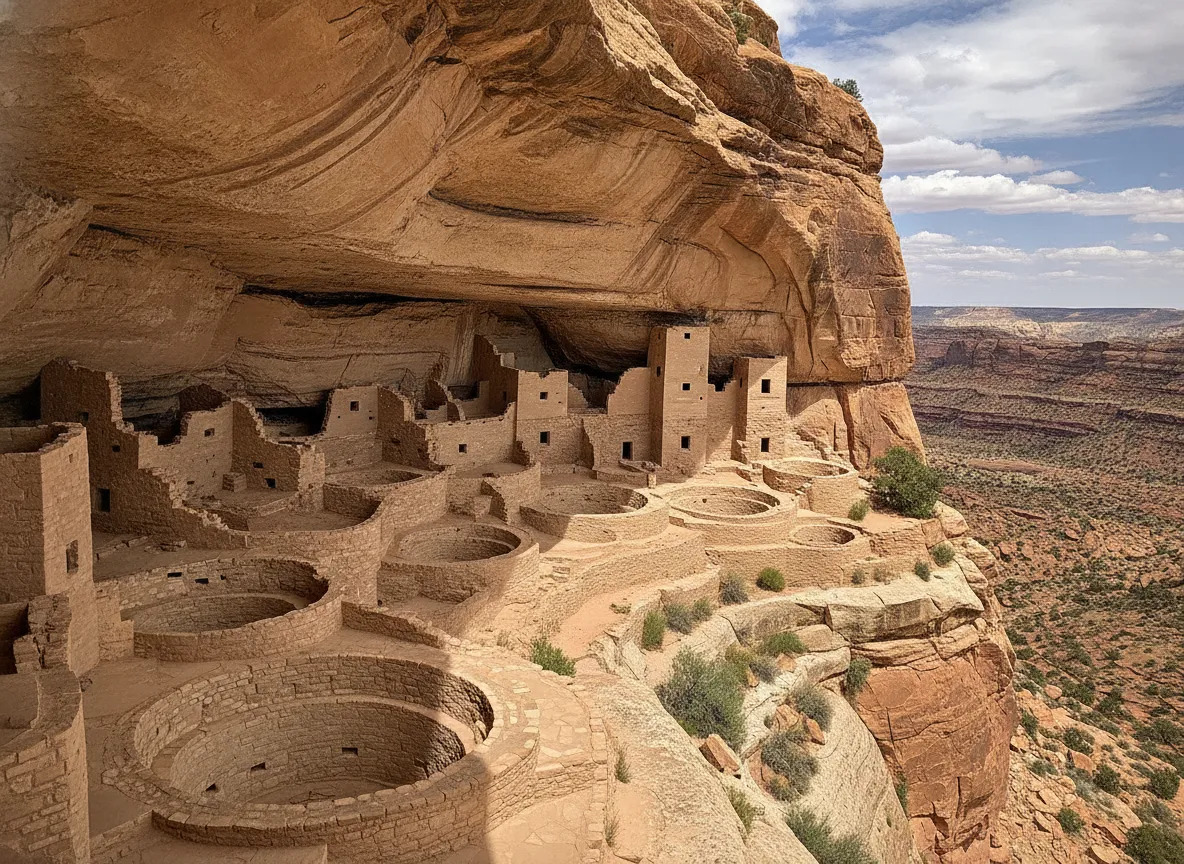 **Preparation is Key:**
* **Water:** Carry significantly more water than you think you'll need – at least 1 gallon (4 liters) per person for a day hike, more in summer. There is no water source on the trail.
* **Food:** Pack high-energy snacks and a hearty lunch.
* **Navigation:** A detailed map, compass, and a reliable GPS device or app are non-negotiable. Download offline maps.
* **Gear:** Sturdy hiking boots, sun protection (hat, sunscreen, sunglasses), layers of clothing for changing weather, a first-aid kit, and a headlamp (just in case).
* **Leave No Trace:** This is paramount. Pack out everything you pack in, including all trash and human waste. Stay on established routes (even if faint), do not disturb any cultural artifacts, and never touch the rock art. The oils from your skin can damage these irreplaceable historical records. Photography is encouraged, but drones are generally prohibited without special permits.
**Preparation is Key:**
* **Water:** Carry significantly more water than you think you'll need – at least 1 gallon (4 liters) per person for a day hike, more in summer. There is no water source on the trail.
* **Food:** Pack high-energy snacks and a hearty lunch.
* **Navigation:** A detailed map, compass, and a reliable GPS device or app are non-negotiable. Download offline maps.
* **Gear:** Sturdy hiking boots, sun protection (hat, sunscreen, sunglasses), layers of clothing for changing weather, a first-aid kit, and a headlamp (just in case).
* **Leave No Trace:** This is paramount. Pack out everything you pack in, including all trash and human waste. Stay on established routes (even if faint), do not disturb any cultural artifacts, and never touch the rock art. The oils from your skin can damage these irreplaceable historical records. Photography is encouraged, but drones are generally prohibited without special permits.
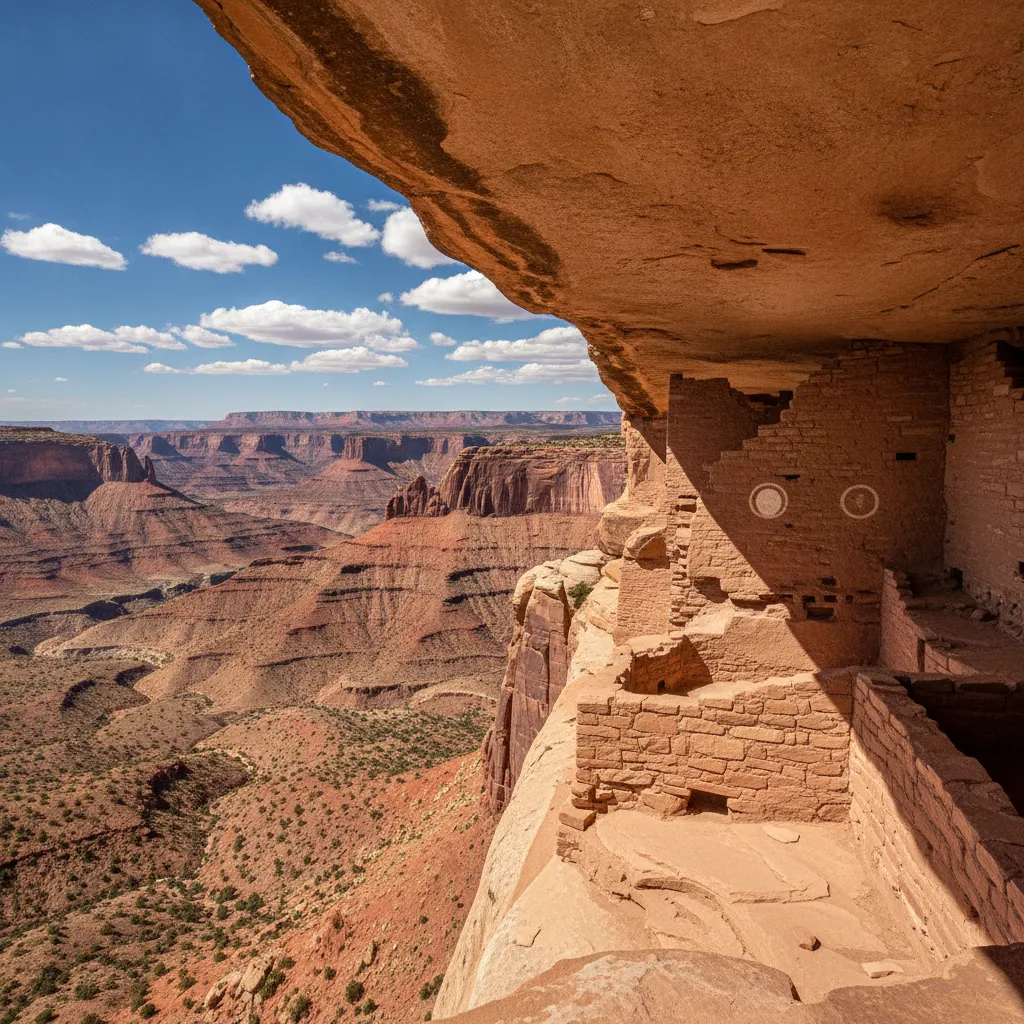 **Best Time to Visit:** Spring (April-May) and Fall (September-October) offer the most pleasant temperatures for hiking. Summer can be dangerously hot, and winter can bring snow and ice, making roads and trails impassable.
**Respect and Responsibility:** Remember, you are a guest in an ancient and sacred place. Treat Moon House with the utmost respect. The privilege of visiting this hidden gem comes with the responsibility to protect it for future generations. Your careful planning and respectful conduct ensure this incredible site remains pristine.
Visiting Moon House is more than just a hike; it's an immersion into history, a physical and spiritual challenge that rewards you with an unparalleled connection to the ancient past. It's a reminder of the enduring spirit of human ingenuity and our timeless fascination with the cosmos, a secret waiting to be discovered by those with the courage and respect to seek it out.
**Best Time to Visit:** Spring (April-May) and Fall (September-October) offer the most pleasant temperatures for hiking. Summer can be dangerously hot, and winter can bring snow and ice, making roads and trails impassable.
**Respect and Responsibility:** Remember, you are a guest in an ancient and sacred place. Treat Moon House with the utmost respect. The privilege of visiting this hidden gem comes with the responsibility to protect it for future generations. Your careful planning and respectful conduct ensure this incredible site remains pristine.
Visiting Moon House is more than just a hike; it's an immersion into history, a physical and spiritual challenge that rewards you with an unparalleled connection to the ancient past. It's a reminder of the enduring spirit of human ingenuity and our timeless fascination with the cosmos, a secret waiting to be discovered by those with the courage and respect to seek it out.
Essential Travel Information
- Location Moon House Ruin, United States
- Best Time Spring (April-May) and Fall (September-October)
- Getting There Access from UT-261 near Mexican Hat, requiring high-clearance 4x4 on unpaved roads, followed by a challenging, unmarked hike. A highly sought-after permit is mandatory.
- Airport Grand Junction Regional Airport (GJT)
- Budget Mid-range (~$100-200/day, excluding flights, for accommodation, food, gas, and permit fees)
- Language English
Find Places to Stay Near Moon House Ruin
Compare hotels, hostels, and unique stays in United States.
Search AccommodationTours & Experiences Near Moon House Ruin
Book guided tours, day trips, and unique experiences.
Browse Tours