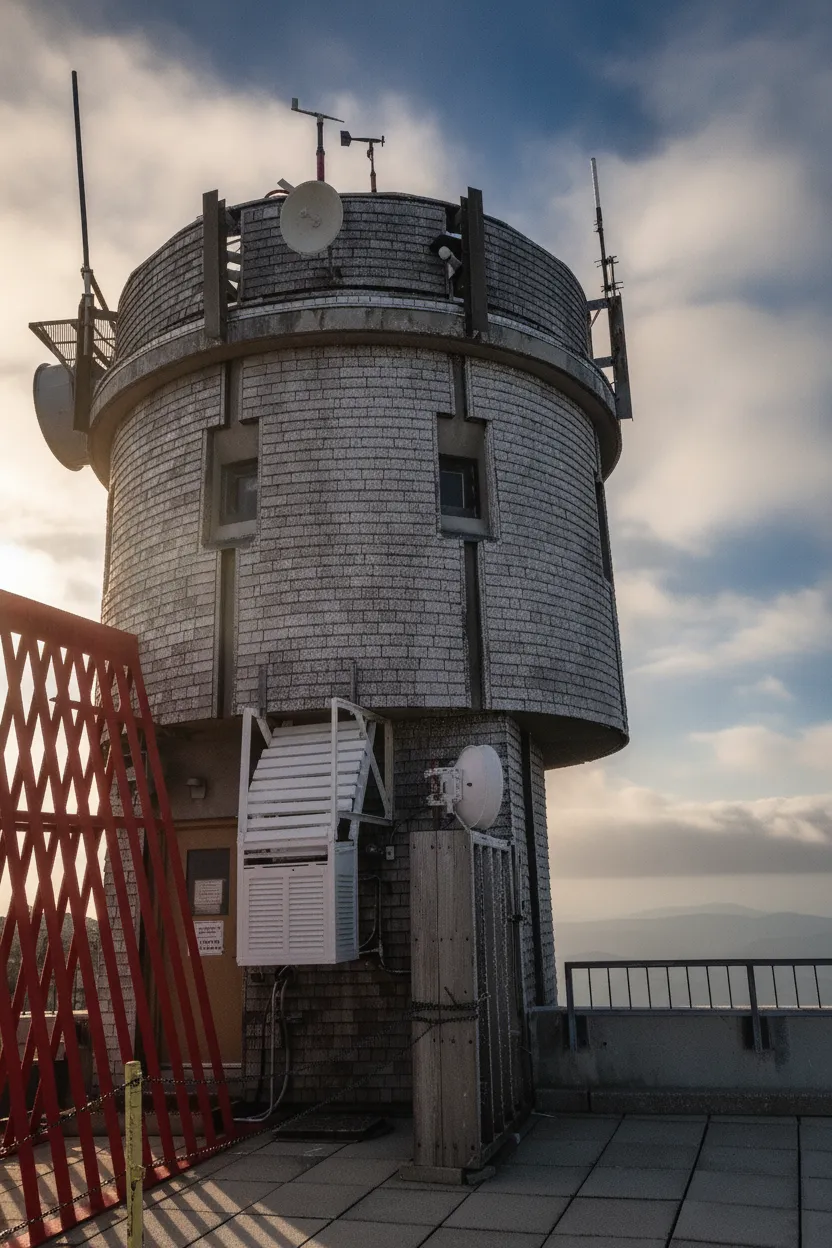
For over 90 years, the Mount Washington Observatory has stood defiant at 6,288 feet, on the highest peak in the northeastern U.S., a remote sentinel that once recorded a world-record 231 mph wind gust. This isn't just a fun fact for a trivia night; it's a daily reality for the dedicated scientists who call this extreme outpost home, pushing the boundaries of atmospheric research in one of Earth's most challenging accessible environments.
Perched atop New Hampshire's iconic Mount Washington, this isn't a museum or a mere tourist attraction, though it welcomes visitors. It's an active, operational research station, a living laboratory where science meets raw nature head-on. Here, arctic-like blizzards are routine, structures are perpetually coated in thick hoarfrost, and the very act of stepping outside can be an expedition against hurricane-force winds. For travelers seeking a truly unique experience, one that combines scientific discovery with the visceral power of nature, the Mount Washington Observatory offers an unparalleled adventure to the "Home of the World's Worst Weather."
What Makes Mount Washington Observatory So Special?
The allure of the Mount Washington Observatory (MWO) lies in its extraordinary blend of scientific endeavor and sheer geographical drama. Unlike other high-altitude destinations, the MWO isn't just about the views (though they can be spectacular on a clear day); it's about the relentless, often brutal, conditions that define its existence. This is a place where average winter temperatures hover around -7°F (-22°C), and winds regularly exceed 100 mph. The record-setting 231 mph gust in 1934 wasn't an anomaly; it was a testament to the mountain's capacity for ferocity.
What truly sets the MWO apart is its continuous, year-round operation. Teams of meteorologists and researchers live and work on the summit for shifts, rotating throughout the year. Their daily routines involve battling the elements to maintain instruments, collect data, and conduct experiments that contribute vital information to fields like climate change, cloud physics, and weather forecasting. Observing their work firsthand offers a rare glimpse into the dedication required for scientific progress in extreme environments.
The observatory building itself is an engineering marvel, designed to withstand unimaginable forces. Its robust construction, anchored deep into the granite, allows it to endure the constant battering of wind, ice, and snow. Visitors can see the results of this resilience, from the heavily fortified windows to the frost-coated observation decks, feeling the vibrations of the wind as it whips around the structure. It’s an immersive experience that brings the power of nature to life in a way few other places can.
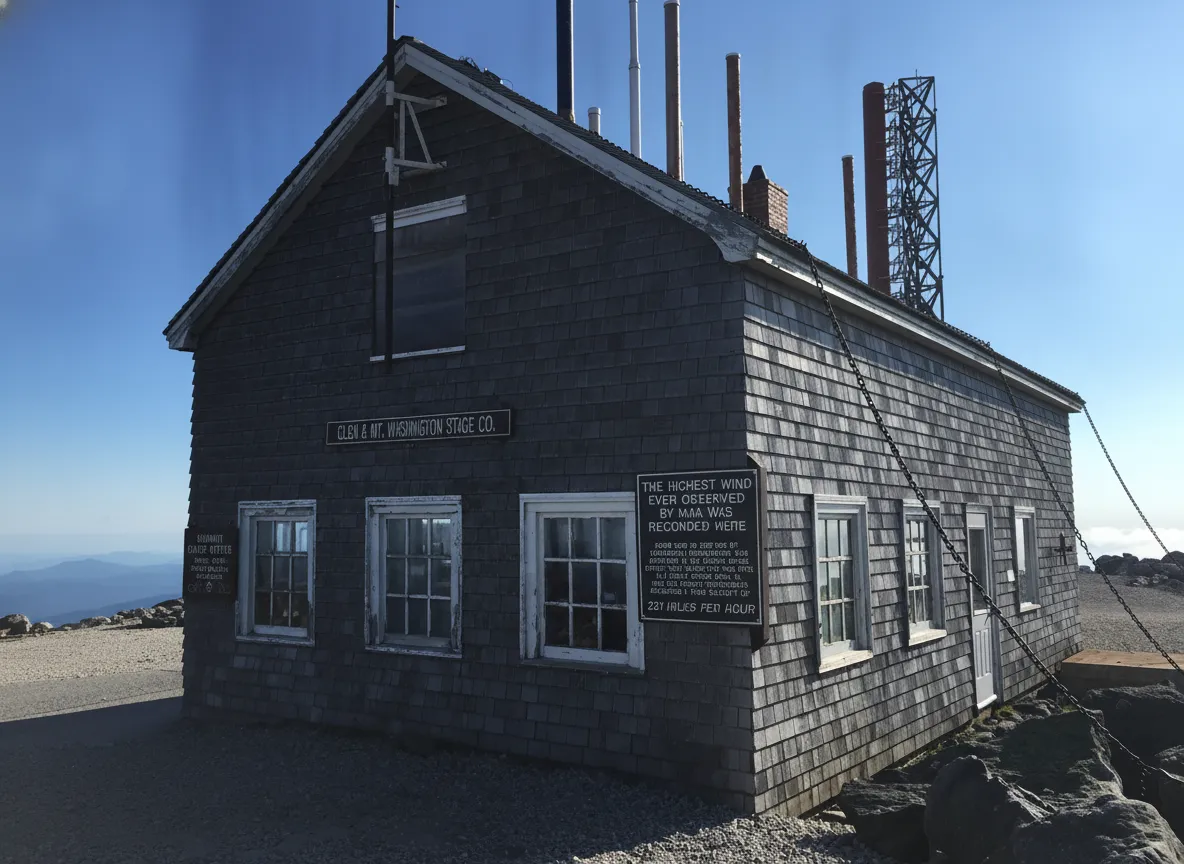
Beyond the records and the scientific contributions, the MWO fosters a deep appreciation for the natural world and the human spirit of inquiry. It’s a reminder that even in the face of nature’s fury, curiosity and perseverance can lead to groundbreaking understanding.
A Legacy Forged in Wind and Ice: History of the Observatory
The idea for a permanent weather station on Mount Washington wasn't born out of a sudden whim. The mountain had long been recognized for its extreme climate, attracting early explorers and scientists. The first documented summit ascent occurred in 1642, and by the mid-19th century, weather observations were being made sporadically. However, the vision for a continuous research outpost solidified in the early 1930s.
The Mount Washington Observatory was officially established in 1932, a time when meteorological science was still in its infancy. The initial goal was straightforward: to conduct continuous weather observations in an environment that mimicked arctic conditions, yet was relatively accessible. The first team of observers faced immense challenges, living in cramped quarters, battling primitive equipment, and enduring isolation. They relied on sheer grit and ingenuity to keep the instruments running and the data flowing.
One of the observatory's most significant early achievements, besides the wind record, was its pioneering work in icing research, which proved invaluable for aviation safety during World War II. Over the decades, the MWO has evolved significantly. From basic manual observations, it has transitioned to sophisticated automated systems and advanced research programs, collaborating with universities and government agencies worldwide. The original mission of understanding extreme weather has expanded to encompass broader climate studies, cloud seeding experiments, and the development of new meteorological instruments. This rich history underscores the MWO's enduring commitment to scientific discovery, built on the foundations laid by those early, intrepid observers.
Your Expedition to the Roof of New England: What You'll Experience
A visit to the Mount Washington Observatory is more than just a trip to a scenic overlook; it’s an interactive journey into the heart of extreme weather science. Once you reach the summit, whether by car, train, or foot, the Sherman Adams Summit Building serves as your gateway to the observatory.
Inside, you'll find the Mount Washington Observatory's Extreme Weather Museum. Here, engaging exhibits detail the mountain's unique climate, showcase the instruments used for data collection, and tell the stories of the scientists who live and work there. You can learn about the formation of hoarfrost, the physics of extreme winds, and the history of the observatory through interactive displays and historical artifacts.
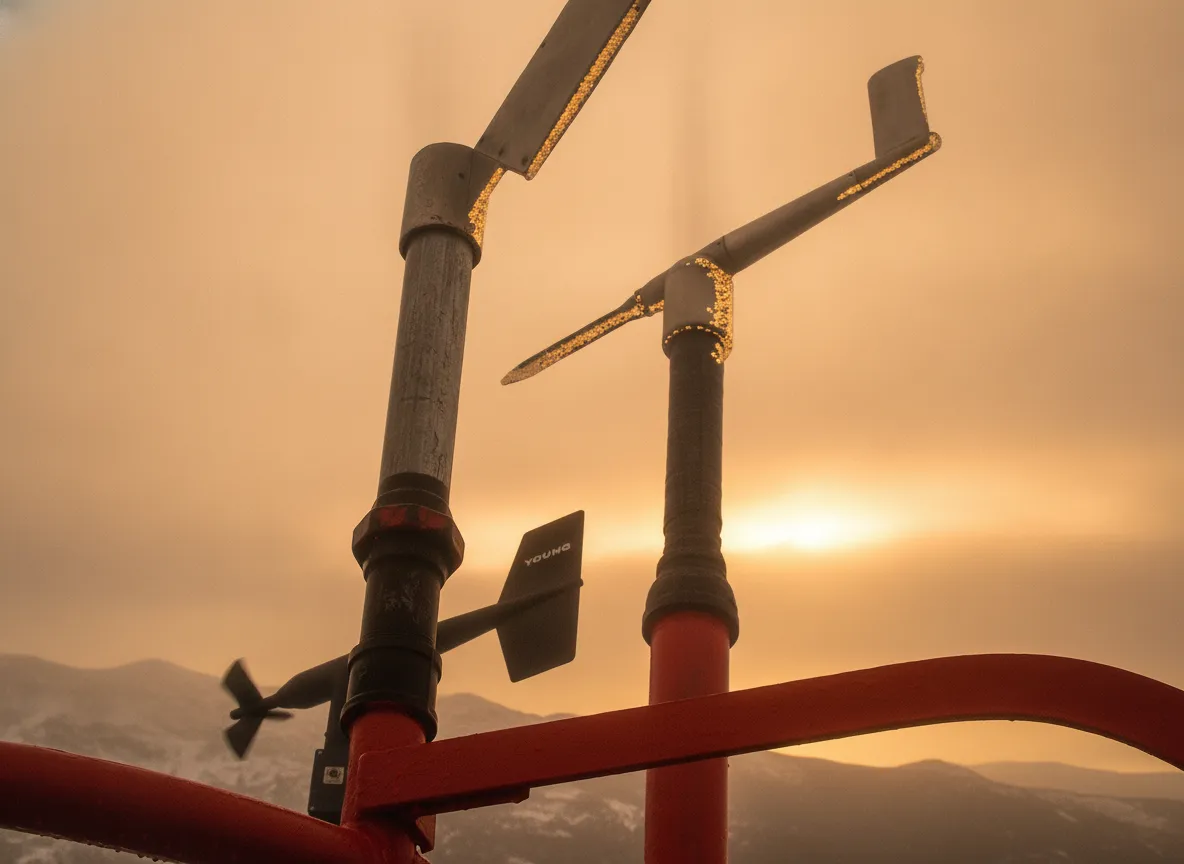
The real highlight, however, is the opportunity to step into the actual observatory itself. Guided tours, often led by the very meteorologists on shift, provide a behind-the-scenes look at the operational weather station. You'll see the instruments in action, from anemometers measuring wind speed to sophisticated sensors monitoring atmospheric conditions. The scientists are often eager to share their experiences, explaining their daily routines, the challenges they face, and the importance of their research. This personal interaction transforms abstract science into a tangible, human endeavor.
Stepping out onto the observation deck, even for a brief moment, allows you to feel the raw power of the mountain. Even on a relatively calm day, the wind can be bracing. In winter or during a summer storm, the experience is truly unforgettable, offering a direct encounter with the forces of nature that make this place so special. On clear days, the panoramic views across the White Mountains and into Maine, Vermont, and even Canada are simply breathtaking.
Practical Tips for Your Mount Washington Adventure
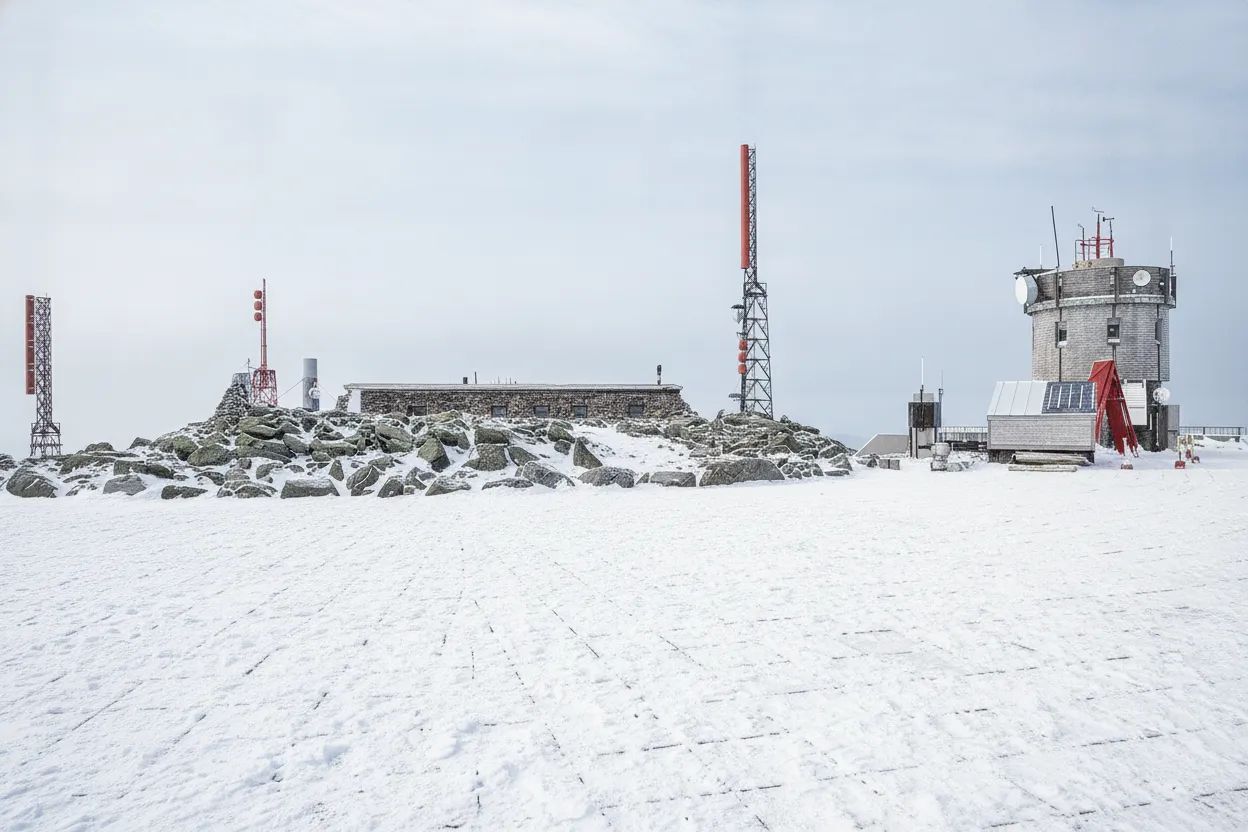
Planning your trip to Mount Washington requires a bit of foresight, as access and conditions vary significantly by season.
How to Get There: There are three primary ways to reach the summit:
- Mount Washington Auto Road: This historic, privately owned toll road offers a scenic drive directly to the summit. It's generally open from late May to late October, weather permitting. Check their website for current conditions and operating hours.
- Mount Washington Cog Railway: The world's first mountain-climbing cog railway provides a unique, historic journey to the summit. It operates seasonally, typically from late April/early May through November, with a limited winter schedule. Reservations are highly recommended.
- Hiking Trails: For the adventurous, numerous challenging hiking trails lead to the summit. The most popular is the Ammonoosuc Ravine Trail or the Crawford Path. These are serious alpine hikes requiring proper gear, experience, and careful attention to weather forecasts, even in summer.
Best Time to Visit:
- Summer (June-September): Offers the easiest access via the Auto Road and Cog Railway, and generally milder (though still unpredictable) summit conditions. This is the busiest time.
- Fall (Late September-October): Stunning foliage combined with crisp air, but summit weather can turn quickly. Auto Road and Cog Railway may have reduced hours.
- Winter (November-May): Access is primarily limited to the Cog Railway's winter schedule (to a mid-mountain station) or experienced winter mountaineers. This is when the mountain truly lives up to its "worst weather" moniker, offering the most extreme experience, but only for those prepared for it.
What to Bring: Regardless of the season, always dress in layers. Summit temperatures can be 20-30°F colder than the base, and winds can make it feel even colder. Bring a windproof and waterproof outer shell, sturdy closed-toe shoes, and plenty of water. Sunglasses and sunscreen are also advisable due to the high altitude.
Safety First: Mount Washington's weather is famously unpredictable. Conditions can change from clear skies to blizzard-like whiteouts in minutes. Always check the official summit forecast (available on the MWO website) before heading up, even in summer. If hiking, inform someone of your plans and never underestimate the mountain.
A visit to the Mount Washington Observatory is more than just a sightseeing trip; it's an educational expedition into one of Earth's most dynamic environments. It's an opportunity to witness science in action, to feel the power of nature, and to gain a profound appreciation for the dedicated individuals who brave its extremes every day. This hidden gem on the roof of New England promises an experience that is both enlightening and exhilarating, a true highlight for any traveler seeking adventure beyond the ordinary.
Essential Travel Information
- Location Mount Washington Observatory, United States
- Best Time Summer (June-September) for easiest access; Winter (November-May) for extreme conditions (limited access)
- Getting There Mount Washington Auto Road (seasonal), Mount Washington Cog Railway (seasonal), or challenging hiking trails.
- Airport Manchester-Boston Regional Airport (MHT)
- Budget Mid-range with approximate daily cost of $100-$200 (including transport to summit, food, and basic lodging nearby)
- Language English
Find Places to Stay Near Mount Washington Observatory
Compare hotels, hostels, and unique stays in United States.
Search AccommodationTours & Experiences Near Mount Washington Observatory
Book guided tours, day trips, and unique experiences.
Browse Tours