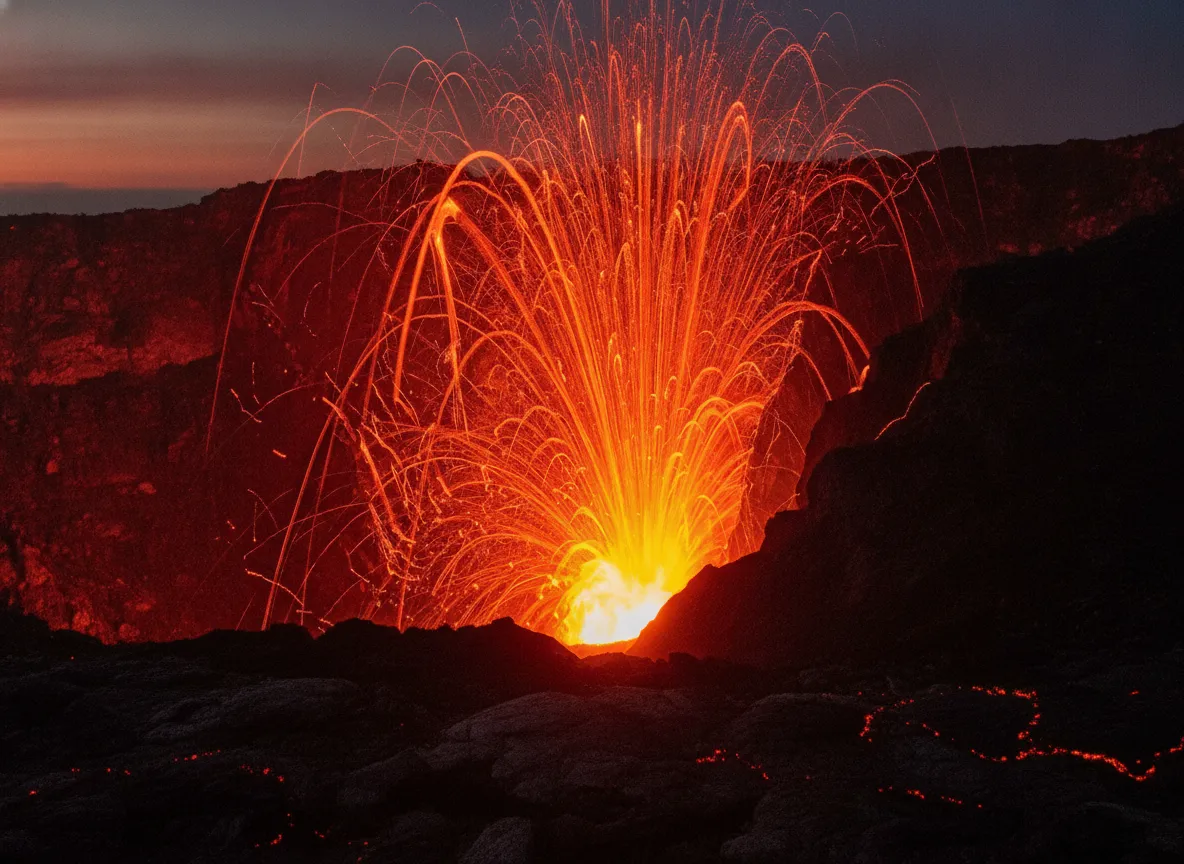
Mount Yasur: Where Earth Breathes Fire and Fury
What makes Mount Yasur truly unique, setting it apart from almost any other active volcano on Earth, is its incredible accessibility. Unlike remote, arduous treks to distant peaks, Yasur allows you to stand safely at its rim, often just a short, relatively easy walk from where your vehicle drops you off. This isn't a dormant giant occasionally stirring; Yasur is a continuously erupting stratovolcano, a living, breathing testament to Earth's dynamic core. Day in and day out, it puts on a show, hurling ash, rocks, and molten bombs into the air. But it's after dusk, when the sun dips below the horizon and the sky turns an inky black, that the true magic unfolds. The eruptions become vivid, fiery explosions, illuminating the entire caldera with a spectacular, prehistoric light show. You don't just see it; you feel the ground vibrate with each explosion, hear the deep, guttural roar from within the Earth, and smell the sulfurous breath of the planet. It’s an assault on the senses, in the most magnificent way imaginable.
This 'fire mountain' offers the rare chance to safely peer into the churning maw of an active volcano, an experience so raw it feels prehistoric. The continuous nature of its eruptions means there's always something happening, ensuring that every visit is guaranteed to be a display of nature's raw, untamed power. It's an encounter that will remain deeply etched in your memory, a powerful reminder of the planet's incredible, living geology.
A Journey to the Edge: Witnessing Yasur's Molten Heartbeat
Your journey to Yasur usually begins in the late afternoon, taking you through the lush, verdant landscapes of Tanna Island. The drive itself is an adventure, passing through traditional villages where children wave and life unfolds at a gentle pace, a stark contrast to the dramatic destination awaiting you. As you approach the volcano, the landscape gradually transforms, becoming more barren, scarred by ancient ash falls, until the imposing silhouette of Yasur dominates the horizon. Local guides, often from the surrounding Kastom villages, will accompany you, sharing insights into the volcano's spiritual significance and ensuring your safety.
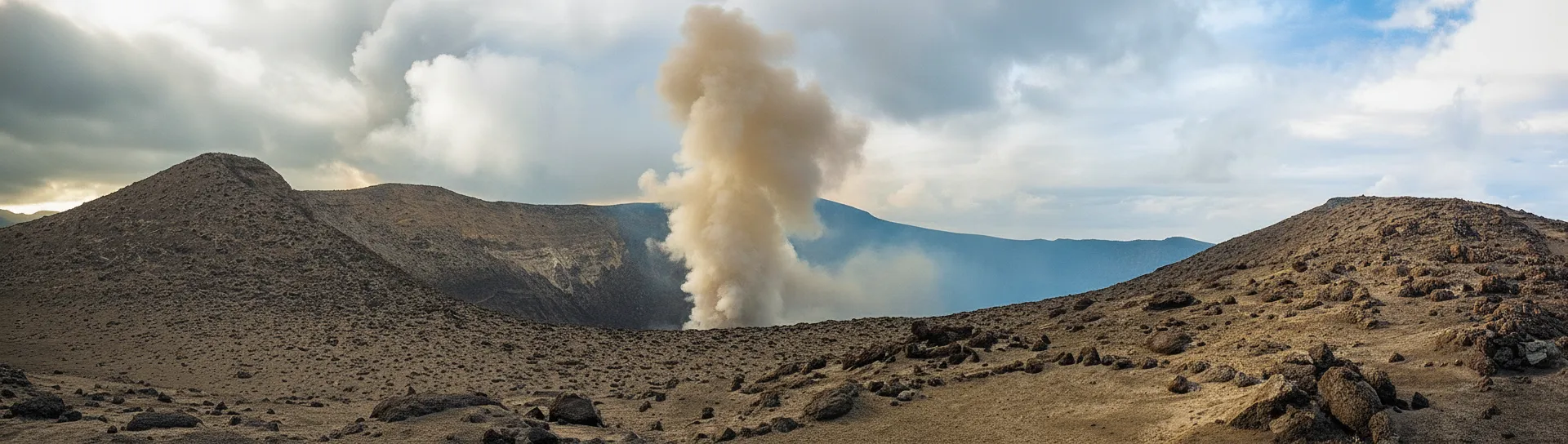
The final ascent is typically a short walk, sometimes aided by 4x4 vehicles for part of the way, leading you directly to the observation points on the rim. And then, there it is. The vast, smoking caldera, a swirling cauldron of gases and rock. Initially, in the fading daylight, you might see plumes of smoke and hear distant rumbling. But as twilight deepens, the true spectacle begins. First, a faint glow from within, then a mighty roar, and suddenly, a shower of incandescent bombs arcs high into the sky, trailing fire and smoke before crashing back into the abyss or scattering across the outer slopes. Each eruption is unique, a raw, unpredictable burst of energy. You’ll find yourself holding your breath, then gasping, then cheering, utterly captivated by this geological fireworks display. It's a humbling experience, reminding us of the immense forces that shaped and continue to shape our world.
The sheer scale of the eruptions, the vibrant orange and red against the inky black sky, and the deep, resonating booms that echo across the island create an immersive, multi-sensory experience. It’s a moment where you feel incredibly small, yet profoundly connected to the pulsating heart of our planet. This isn't just sightseeing; it's an active participation in one of Earth's most magnificent natural phenomena.
Mount Yasur's Ancient Legacy: Where Mythology Meets Geology
Mount Yasur isn't just a geological marvel; it's deeply interwoven with the culture and history of Tanna Island. For the local Ni-Vanuatu people, particularly those practicing 'Kastom' (traditional beliefs), Yasur is not merely a mountain; it is a sacred place, home to the god of the mountain, and a powerful spiritual entity. Its continuous activity is seen as a sign of its living presence, a communication from the spiritual realm. Legends tell of its creation, its moods, and its connection to the well-being of the island. Respect for Yasur is paramount, and visitors are encouraged to understand and honor these ancient traditions.
Geologically, Yasur is a young, basaltic stratovolcano, part of the Pacific Ring of Fire. Its persistent strombolian and vulcanian eruptions are characterized by frequent, relatively mild explosions of gas and incandescent bombs. Scientists have studied Yasur extensively, intrigued by its accessible, continuous activity which offers a unique window into volcanic processes. It's often referred to as a 'lighthouse of the Pacific' due to its constant glow, which historically aided navigation for sailors. Its relatively open vent allows for the release of pressure, preventing the buildup that leads to more catastrophic eruptions, making it one of the safest active volcanoes to observe up close – though vigilance and following guide instructions are always essential.
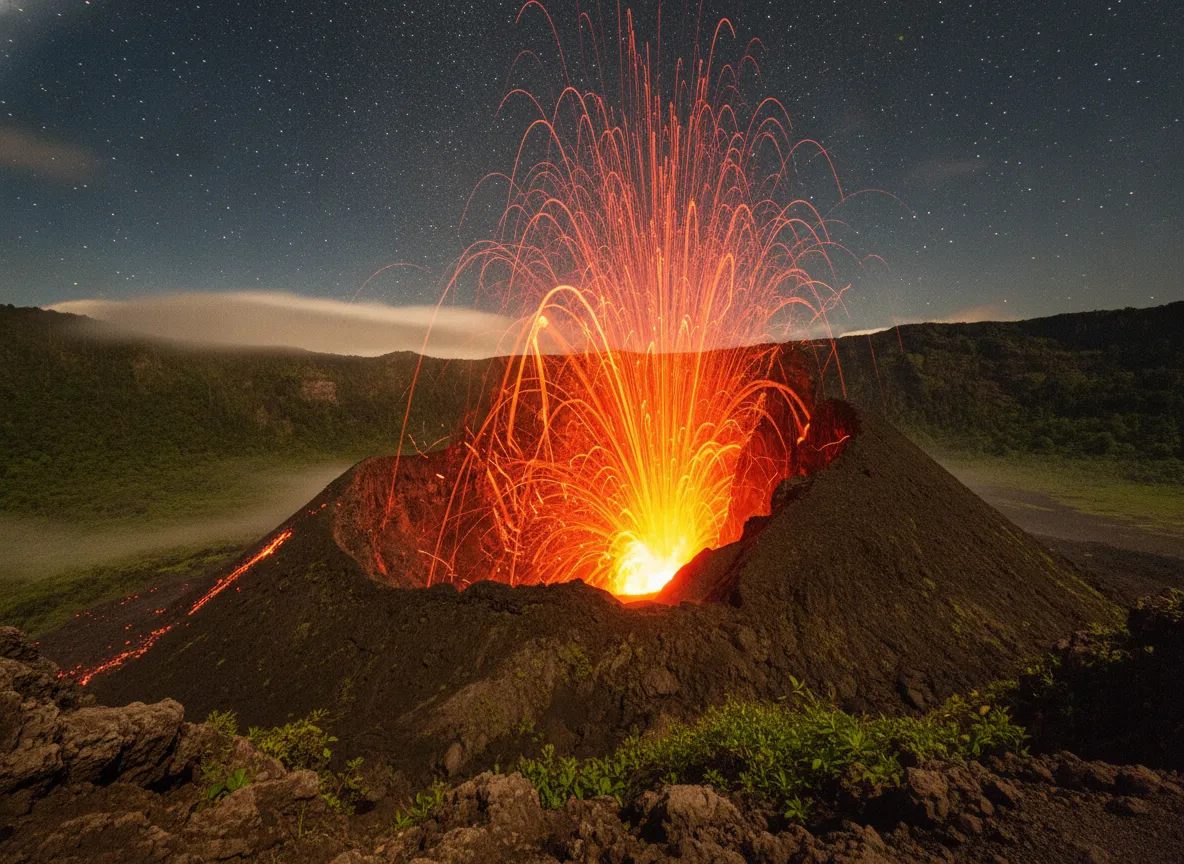
The ongoing interaction between the scientific understanding of the volcano and the profound spiritual reverence held by the local community adds another layer of fascination to a visit to Mount Yasur. It's a place where the raw power of nature is not just observed, but also deeply respected and integrated into the very fabric of human existence on Tanna Island.
Planning Your Volcanic Adventure: Essential Tips for Mount Yasur
Ready to embark on this once-in-a-lifetime journey? Here are some crucial tips to make your Mount Yasur experience unforgettable and safe:
- Best Time to Visit: The dry season, generally from **April to October**, offers the clearest skies and most comfortable conditions for visiting. While Yasur erupts year-round, clear nights maximize the visual spectacle. Always check the current volcanic activity level (often categorized from 0-5) with local authorities or your tour operator before planning your trip. Levels 2 and 3 are typically ideal for visitors.
- Getting There: Your adventure starts with a flight to **Whitegrass Airport (TAH)** on Tanna Island from Port Vila (Vanuatu's capital) or sometimes direct from Santo. From the airport, it’s a rugged but scenic 1.5 to 2-hour drive to the base of Mount Yasur. Most accommodations or tour operators will arrange transfers.
- What to Wear & Bring:
- **Sturdy closed-toe shoes:** Essential for walking on uneven, rocky, and potentially ash-covered ground.
- **Long pants and a long-sleeved shirt:** To protect against ash, dust, and potential flying embers.
- **Rain jacket/windbreaker:** The weather can change quickly, and it can get chilly at the summit.
- **Headlamp/flashlight:** Crucial for navigating in the dark after sunset viewing.
- **Camera:** With extra batteries! You'll want to capture the magic, but be mindful of ash. A tripod can be useful for night shots.
- **Eye protection:** Goggles or sunglasses can protect your eyes from ash.
- **Scarf/bandana:** To cover your mouth and nose from sulfur fumes and ash.
- **Water:** Stay hydrated.
- Safety First: Always listen to your local guides. They are experts on the volcano and local conditions. Stick to designated viewing areas. While Yasur is considered safe for observation at certain activity levels, it is still an active volcano, and respecting its power is paramount.
- Accommodation: Tanna offers a range of accommodation, from basic bungalows to more comfortable resorts. Many are located closer to the airport or along the coast, requiring a drive to Yasur. Consider staying near the volcano for easier access, but book in advance, especially during peak season.
- Respect Local Culture: Remember you are visiting a sacred site for the local people. Be respectful of their Kastom traditions and customs, and ask permission before taking photos of people.
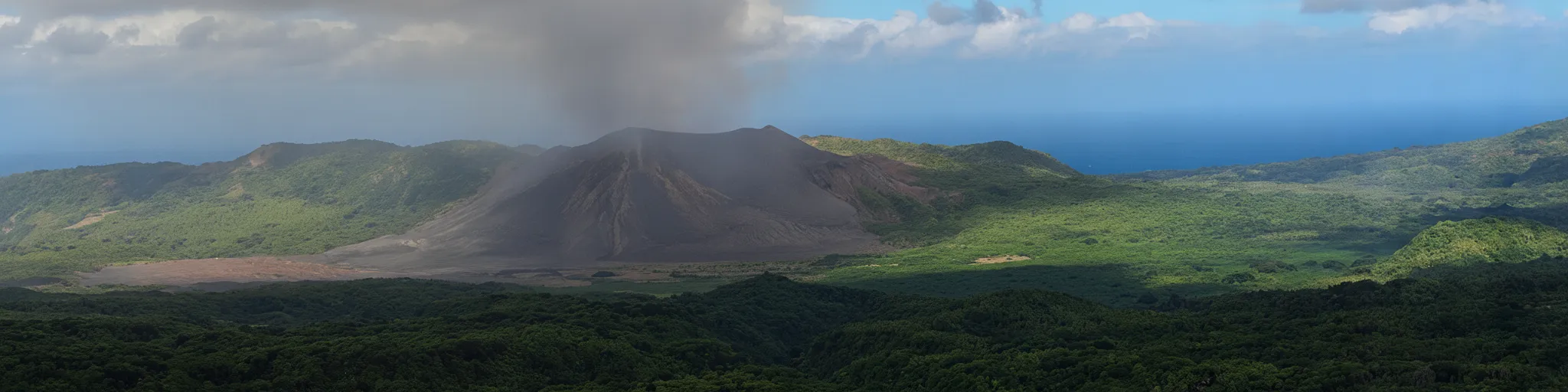
Mount Yasur isn't just a destination; it's an encounter with the raw, untamed heart of our planet. It’s a place where you can feel the pulse of the Earth, witness its primal artistry, and leave with a profound sense of awe and a story that will ignite conversations for years to come. This isn't just a trip; it's a pilgrimage to the very edge of human experience, a breathtaking reminder of the incredible, living world we inhabit. Are you ready to answer the call of the fire mountain?
Essential Travel Information
- Location Mount Yasur, Vanuatu
- Best Time Dry season (April to October) for clear skies and comfortable conditions.
- Getting There Fly to Whitegrass Airport (TAH) on Tanna Island from Port Vila, then a 1.5-2 hour 4x4 drive to Mount Yasur's base.
- Airport Whitegrass Airport (TAH)
- Budget Mid-range. Expect daily costs around $200-$400 USD per person, including flights to Tanna, accommodation, and volcano tour fees.
- Language Bislama (national language), English, French, and numerous local dialects.
Find Places to Stay Near Mount Yasur
Compare hotels, hostels, and unique stays in Vanuatu.
Search AccommodationTours & Experiences Near Mount Yasur
Book guided tours, day trips, and unique experiences.
Browse Tours