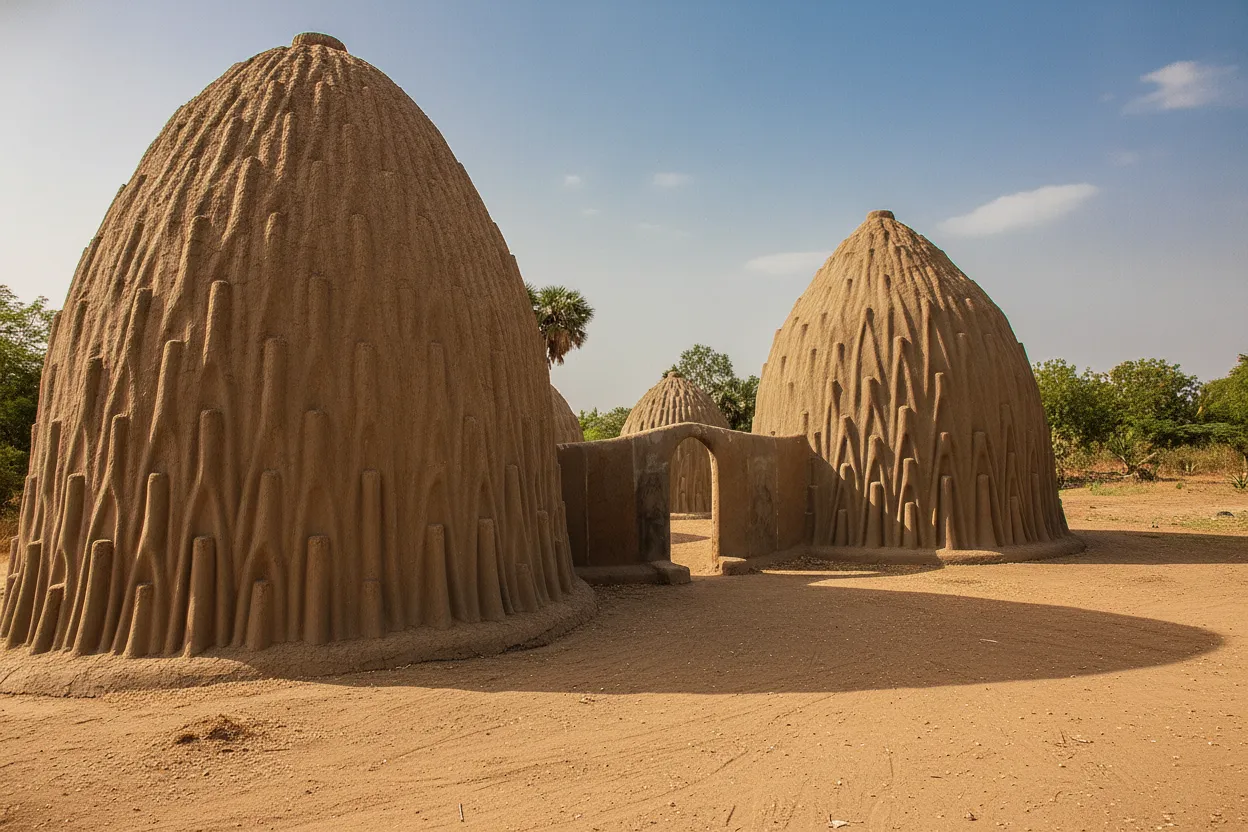
Imagine an entire village where every house looks like an otherworldly beehive, rising from the earth with ribbed, pointed domes built entirely of mud. This isn't a scene from a sci-fi epic or a forgotten civilization's ruins; it's a vibrant, living community nestled in the heart of Cameroon's Far North Region. Welcome to the Mousgoum Habitations, a hidden architectural marvel that will challenge everything you thought you knew about traditional housing and sustainable design. If you're yearning for an adventure that peels back the layers of the ordinary and reveals something truly extraordinary, then prepare to be captivated by a place where homes are not just structures, but masterpieces of human ingenuity.
The Earthen Masterpieces: Unveiling the 'Case Obus'
What makes the Mousgoum Habitations so profoundly special is their unique architecture: the 'Case Obus,' or 'shell houses.' These are not mere huts; they are towering, dome-shaped adobe dwellings that defy conventional building logic. Built entirely from sun-dried mud, each home tapers upwards into a graceful, pointed dome, often adorned with intricate geometric patterns etched into its exterior. From afar, they resemble a landscape dotted with giant, organic sculptures, each one a testament to the Mousgoum people's deep connection to their environment and their unparalleled traditional wisdom.
But these homes aren't just visually stunning; their design is a brilliant, multi-functional solution to the challenging climate of the Sahelian zone. The inverted V-shape, the thick mud walls, and the ribbed exteriors aren't just aesthetic choices. They are ingenious architectural features providing:
- Exceptional Ventilation: The tall, conical design creates a natural chimney effect, drawing hot air upwards and out, keeping the interiors surprisingly cool even in scorching temperatures.
- Structural Stability: The dome shape is inherently strong, distributing weight evenly and making the houses incredibly resilient against wind and even occasional seismic activity.
- Efficient Drainage: The smooth, pointed dome ensures that torrential seasonal rains simply run off, preventing water damage and erosion. The exterior ribs also help channel water downwards, protecting the walls.
- Sustainable Materials: Built entirely from local earth, water, and plant fibers, these homes are a zero-carbon footprint marvel, demonstrating sustainable living centuries before the term became mainstream.
Each Case Obus is a living, breathing example of biomimicry – architecture inspired by nature itself, perfectly adapted to its surroundings. Walking among them, you can't help but feel a profound respect for the generations of Mousgoum builders who perfected this art, passing down their knowledge through oral tradition and hands-on apprenticeship.
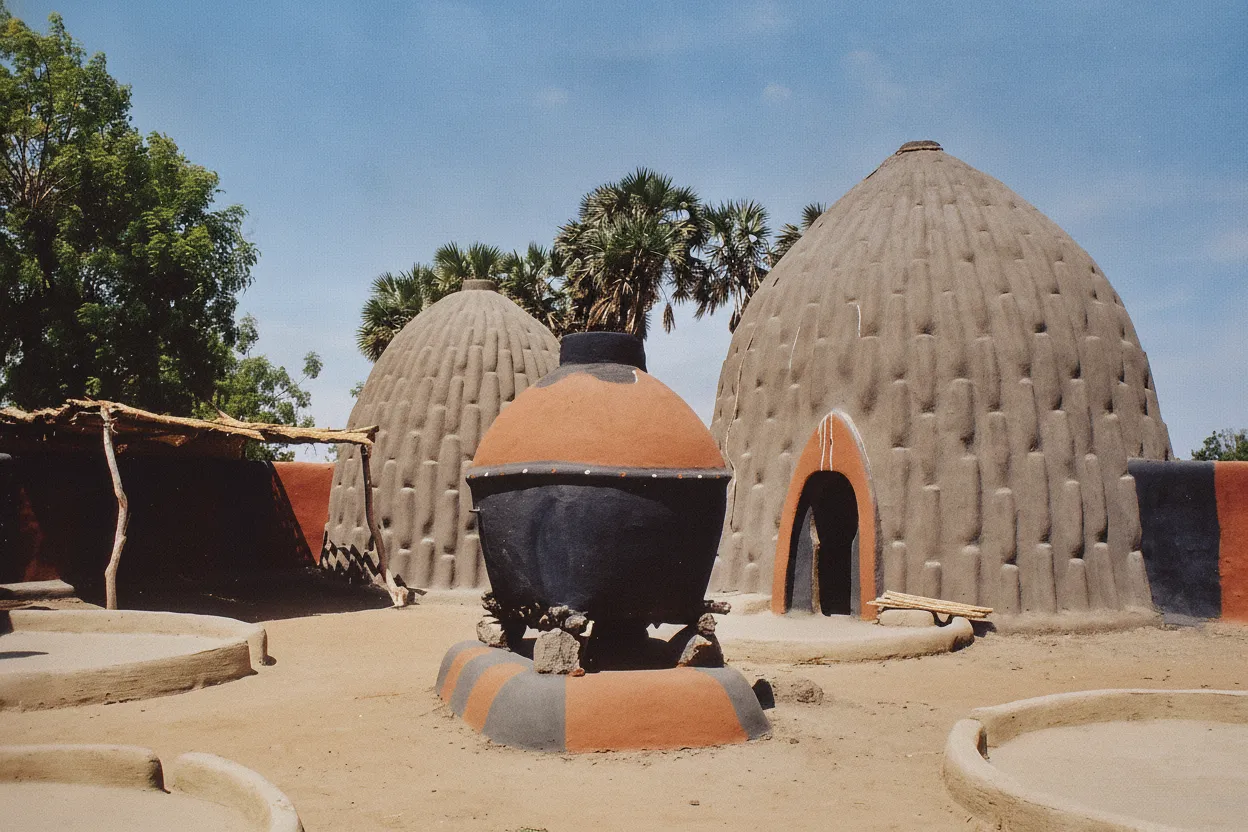
A Glimpse into Mousgoum History and Culture
The Mousgoum people have inhabited this part of Cameroon for centuries, and their architectural style is deeply intertwined with their history and cultural identity. While the exact origins of the Case Obus are shrouded in the mists of time, it's believed that this unique building technique evolved over generations, perfected through trial and error to meet the specific needs of their environment. The knowledge of constructing these intricate homes is a sacred trust, traditionally passed down from elder builders to younger apprentices, ensuring the continuity of this remarkable heritage.
Historically, the Mousgoum were a resilient and self-sufficient community. Their homes reflect this ethos, built from the earth they lived upon, requiring no imported materials or complex tools. This self-reliance fostered a strong communal spirit, where the construction of a new home was often a collective effort, strengthening social bonds. The geometric patterns on the houses often carry symbolic meaning, reflecting family lineages, social status, or spiritual beliefs, making each dwelling not just a shelter but a narrative etched in mud.
In recent decades, like many traditional communities globally, the Mousgoum have faced the pressures of modernization. The allure of more "conventional" building materials like concrete blocks and corrugated iron has led some to abandon the traditional Case Obus. However, there's a growing appreciation, both locally and internationally, for the architectural genius and sustainable principles embodied in these homes. Efforts are underway to preserve this living heritage, ensuring that future generations can continue to build and live in these magnificent earthen structures.
Stepping into a Living Legacy: What You'll Experience
A visit to the Mousgoum Habitations is an immersive journey back in time, a sensory feast that will leave an indelible mark on your memory. As you approach the village, the landscape slowly transforms, revealing the first glimpses of these iconic structures rising like ancient sentinels from the flat plains. The sight is truly breathtaking, an architectural landscape unlike anything you've ever witnessed.
Once inside the village, you'll find yourself walking through narrow pathways winding between clusters of these majestic mud domes. The sheer scale and craftsmanship of each Case Obus are even more impressive up close. You can trace the hand-applied ribs, marvel at the smooth, almost polished finish of the mud, and appreciate the subtle variations in shape and pattern that make each home unique. The interiors, often surprisingly spacious, are cool and dim, offering a welcome respite from the equatorial sun.
Beyond the architecture, it's the vibrant daily life of the Mousgoum people that truly brings the village to life. You'll see children playing, women preparing meals, and men tending to their daily tasks, all against the backdrop of these incredible homes. The Mousgoum are generally welcoming and proud of their heritage, and with a respectful local guide, you might have the opportunity to interact with families, learn about their customs, and perhaps even step inside a Case Obus to experience its unique atmosphere firsthand. It's an opportunity to connect with a culture that has preserved its traditions in the face of a rapidly changing world.
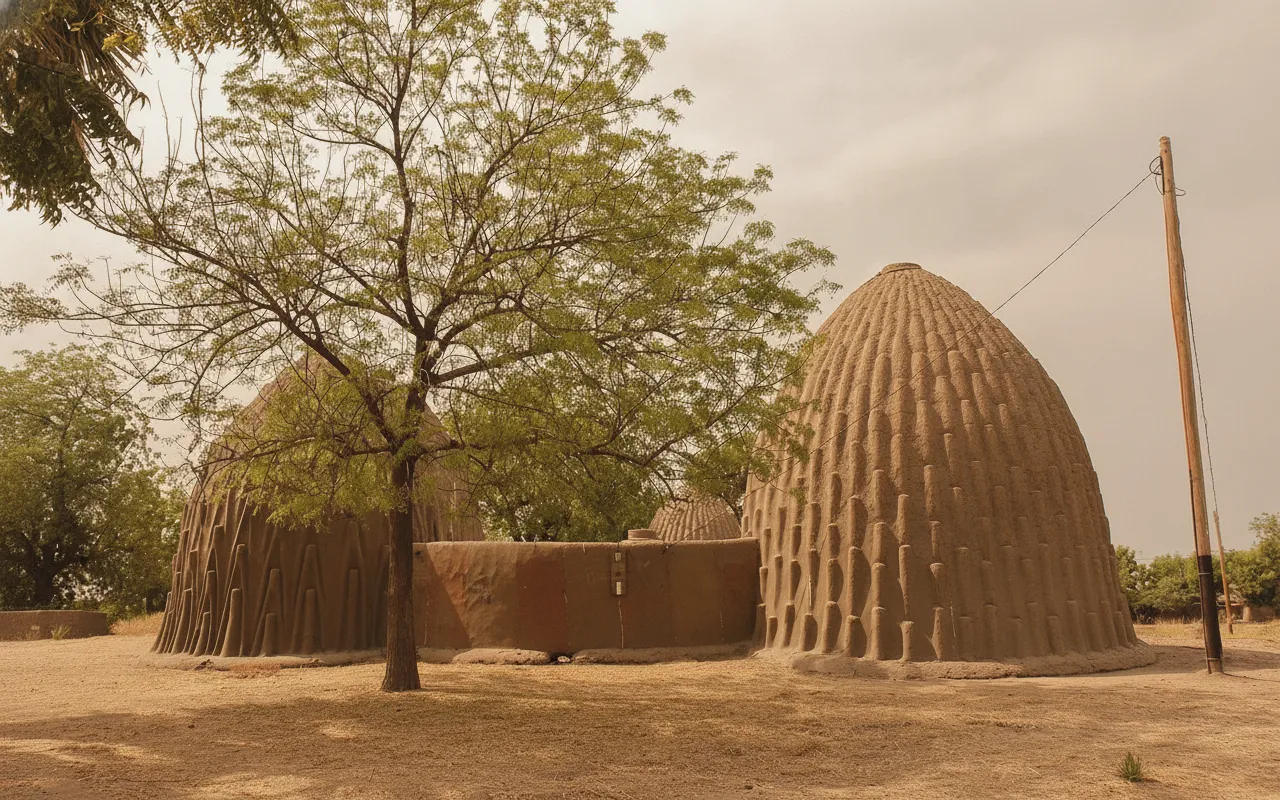
Planning Your Journey to the Far North: Practical Tips
Visiting the Mousgoum Habitations is an adventure, requiring careful planning and a spirit of exploration. This isn't a destination with paved roads and tourist traps; it's an authentic, off-the-beaten-path experience.
- Best Time to Visit: The dry season, from October to May, is ideal. The roads are more accessible, and while days can be hot, the humidity is lower, and nights are cooler. Avoid the peak heat of March and April if possible. The rainy season (June to September) makes roads impassable.
- Getting There: The nearest major town is Maroua, which has an airport (Maroua Salak Airport, MVR). From Maroua, you'll need to arrange a sturdy 4x4 vehicle and, critically, a knowledgeable local guide. The journey to the Mousgoum area can be several hours over rough, unpaved roads.
- Accommodation: Options near the Mousgoum Habitations are extremely limited, if not non-existent. Most visitors base themselves in Maroua, where there are guesthouses and hotels of varying standards, and arrange day trips.
- Local Guides: A reputable local guide is absolutely essential. They will not only navigate the challenging terrain but also facilitate respectful interactions with the Mousgoum community, explain cultural nuances, and ensure your safety.
- What to Bring: Pack light, breathable clothing, a wide-brimmed hat, sunglasses, and plenty of high-SPF sunscreen. Bring sufficient bottled water, snacks, and any personal medications. A good camera is a must!
- Cultural Sensitivity: Always ask for permission before taking photos of people, especially children. Dress modestly, be respectful of local customs, and remember that you are a guest in their home.
- Safety: While the Far North Region has faced security challenges in the past, with proper planning and a trusted local guide, visits can be safe. Always check current travel advisories before planning your trip.
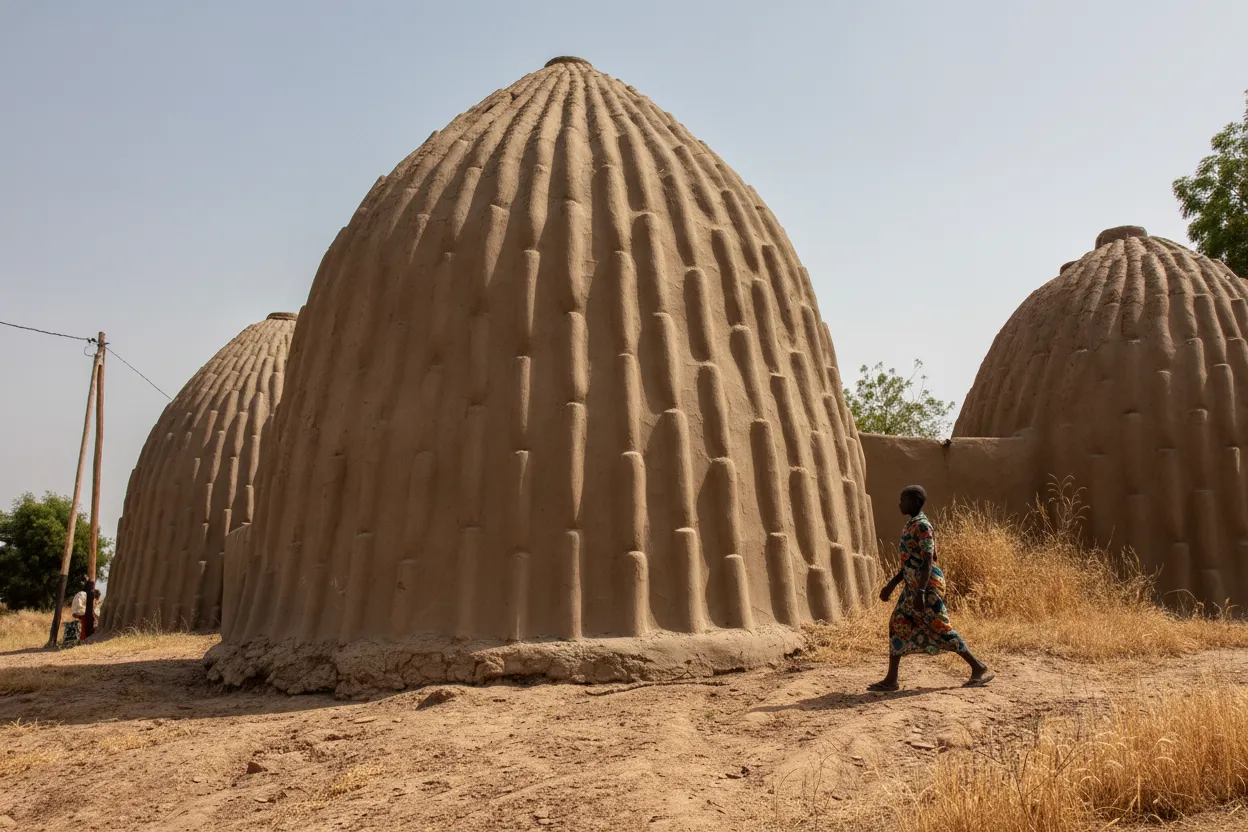
Why Mousgoum Habitations Should Be On Your Bucket List
In a world increasingly homogenized by global trends, the Mousgoum Habitations stand as a powerful reminder of human ingenuity, cultural resilience, and the beauty of living in harmony with nature. It's a place that transcends mere tourism, offering a profound educational and inspiring experience. If you're a traveler who seeks authenticity, who marvels at sustainable design, and who believes in the power of traditional wisdom, then this hidden gem in Cameroon's Far North Region is calling your name.
Don't just travel; discover. Don't just see; understand. Let the Mousgoum Habitations transport you to a world where mud isn't just dirt, but the very fabric of extraordinary homes, and where every wall tells a story of survival, artistry, and spirit. This is more than a destination; it's an encounter with a living architectural legend.
Essential Travel Information
- Location Mousgoum Habitations, Cameroon
- Best Time Dry season (October to May), avoiding peak heat in March-April. Roads are more accessible and weather is more comfortable.
- Getting There Fly into Maroua Salak Airport (MVR), then arrange a 4x4 vehicle and a local guide for a several-hour drive over unpaved roads to the Mousgoum area.
- Airport Maroua Salak Airport (MVR)
- Budget Mid-range (due to costs for 4x4 transport and local guide, often bundled into a tour package). Approximate daily cost can range from $100-$250+ depending on tour inclusions and accommodation in Maroua.
- Language Fulfulde (Fula), French, various local Mousgoum dialects
Find Places to Stay Near Mousgoum Habitations
Compare hotels, hostels, and unique stays in Cameroon.
Search AccommodationTours & Experiences Near Mousgoum Habitations
Book guided tours, day trips, and unique experiences.
Browse Tours