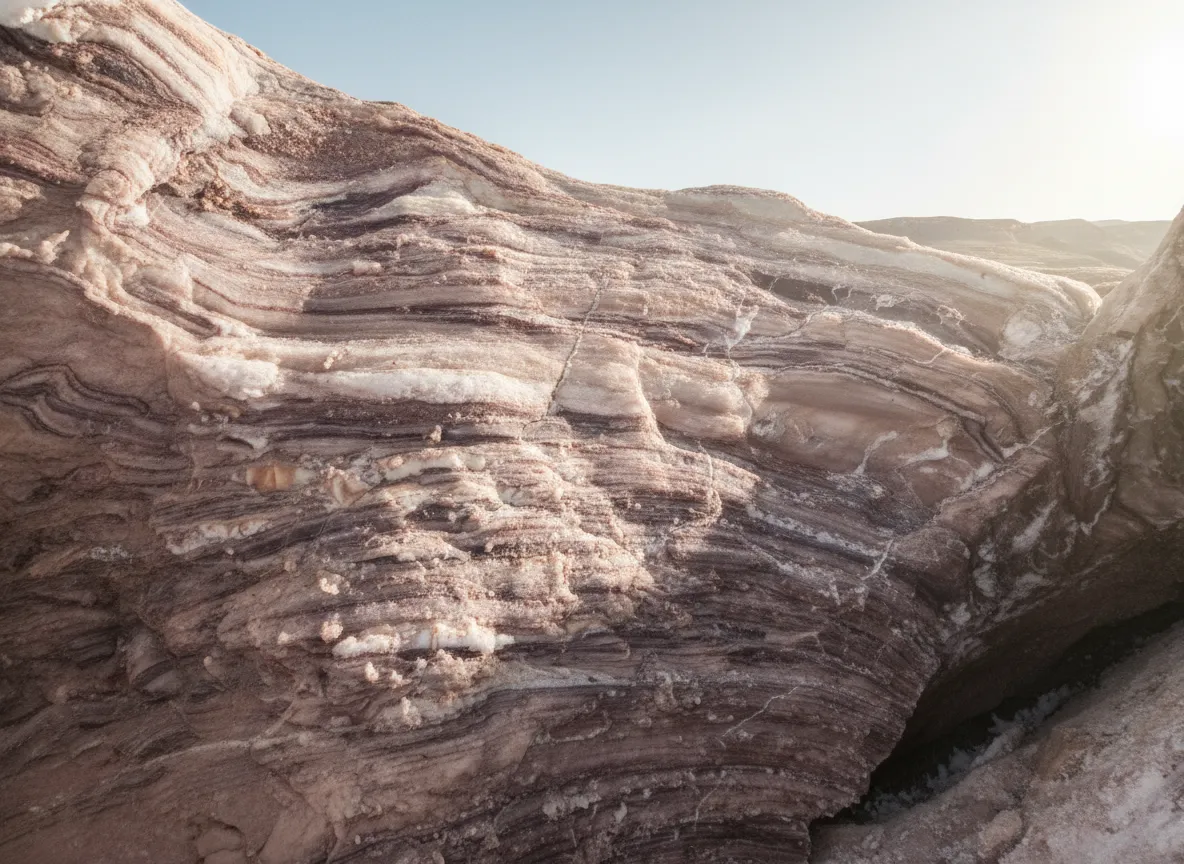
Imagine descending into the beating heart of a mountain, where an entire underground world is sculpted from shimmering, crystalline salt – a geological marvel so vast it's the longest salt cave on Earth. This isn't a scene from a fantasy novel; it's the breathtaking reality awaiting you on Qeshm Island, Iran. Far from the typical sandy beaches or bustling bazaars, Qeshm hides a secret so profound, so ancient, and so utterly unique that it redefines what a natural wonder can be. Prepare to have your perceptions of Earth's artistry shattered as we journey into the extraordinary Namakdan Salt Cave, a living, breathing labyrinth carved by time, water, and pure, unadulterated salt.
What Makes Namakdan Salt Cave Uniquely Special?
The Namakdan Salt Cave, often referred to as the "Salt Dome" due to the mountain it inhabits, is not merely a hole in the ground; it's a testament to the Earth's incredible power of creation and transformation. Stretching over six kilometers, it holds the undisputed title of the world's longest salt cave, a statistic that only begins to hint at its grandeur. But length alone doesn't capture its magic. What makes Namakdan truly special is its dynamic, ephemeral nature. This isn't a static museum piece; it's a continuously evolving masterpiece. Over millennia, groundwater, rich with dissolved minerals, has seeped through the ancient salt layers, dissolving and then recrystallizing pure halite. This ceaseless geological ballet has sculpted an otherworldly landscape of breathtaking chandeliers, towering stalagmites, delicate stalactites, and flowing curtains – all fashioned from translucent, glittering salt.
Unlike limestone caves, which are carved by acidic water, Namakdan is a product of salt's unique properties, where water acts as both sculptor and painter. The sheer purity of the salt creates surfaces that shimmer with an almost ethereal glow, reflecting the faintest light into a thousand dazzling facets. Deeper within this subterranean wonderland, you'll encounter underground rivers, their waters a milky, saline solution, carving new pathways and nurturing a unique, albeit minimalist, ecosystem. These rivers aren't just features; they are the lifeblood of the cave, constantly reshaping its interior, making every visit a potentially unique experience. Namakdan is a crucial part of Qeshm Island's UNESCO Global Geopark, a designation that recognizes its outstanding geological heritage and the island's commitment to sustainable tourism. It's a place where geology comes alive, offering a profound connection to the planet's ancient forces.
A Deep Dive into Geological History: How Namakdan Was Formed
The story of the Namakdan Salt Cave stretches back millions of years, rooted in the geological history of the Persian Gulf region. Qeshm Island itself is a geological marvel, formed by tectonic activity and the uplift of ancient seabed layers. The salt dome that houses Namakdan is a diapir, a dome-shaped structure formed when a thick layer of evaporite minerals (like salt) rises through overlying rock strata due to its lower density. This process began in the late Neogene period, slowly pushing the salt upwards, creating the mountain we see today.
The cave's formation is a more recent, yet still ancient, chapter in this saga. As the salt dome emerged, it became exposed to surface water. Rainwater, slightly acidic, began to dissolve the exposed salt, creating fissures and channels. Over countless millennia, these channels expanded, driven by the relentless flow of groundwater. The unique characteristic of salt is that while it dissolves easily, it also recrystallizes readily. This means that as water evaporates or becomes oversaturated, the salt redeposits, forming the intricate and stunning formations that adorn the cave's interior. It's a continuous cycle of dissolution and deposition, making the cave a truly "living" entity. The salt itself is incredibly pure, a testament to the ancient marine environments from which it originated, making it not just a geological spectacle but also a source of high-quality industrial and therapeutic salt.
What You'll See There: A Journey into Crystalline Majesty
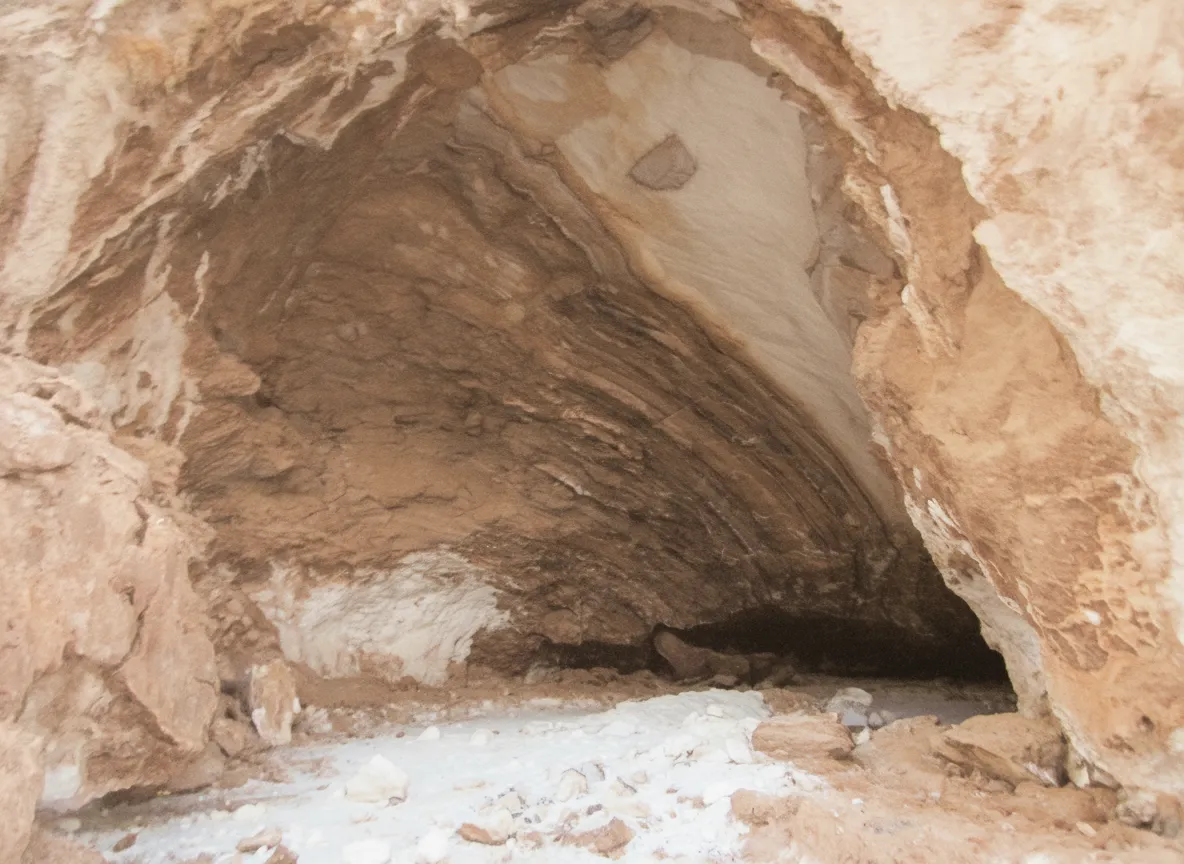
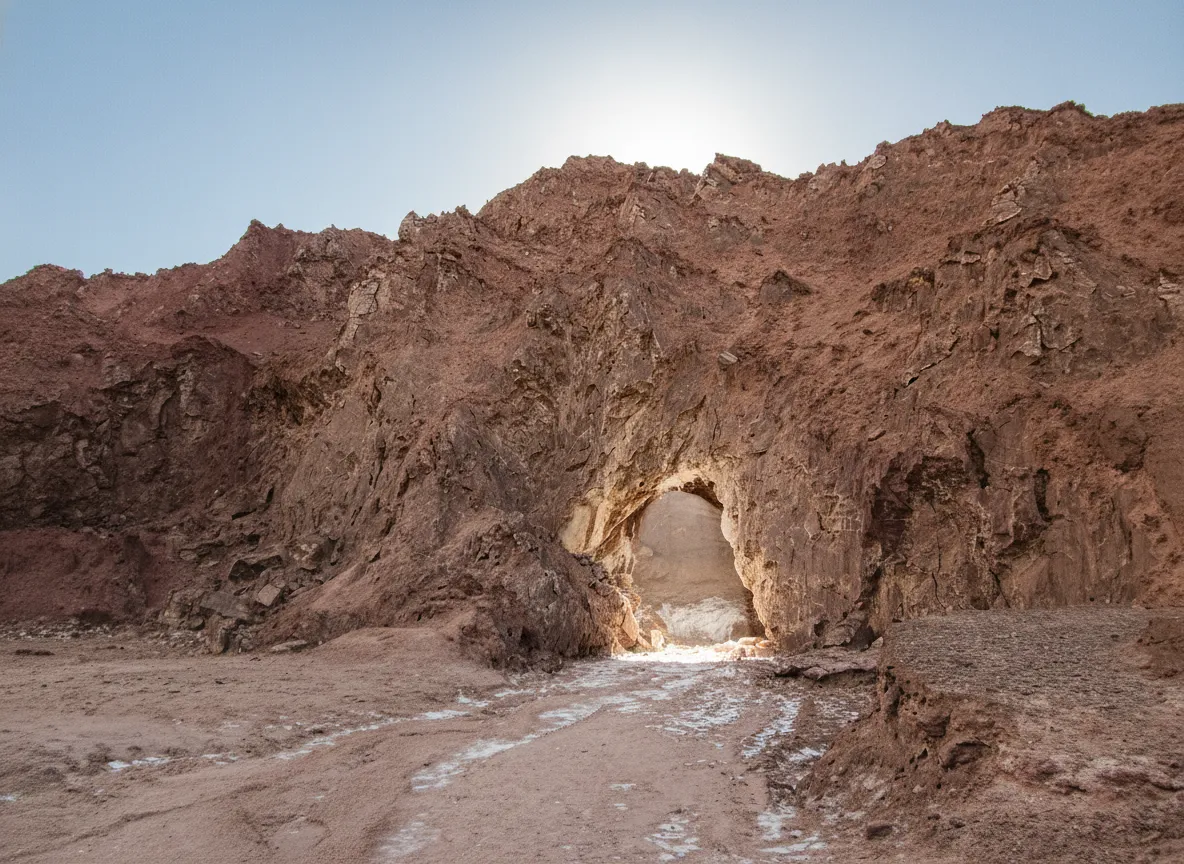
Stepping into the Namakdan Salt Cave is like entering another dimension. The initial entrance might seem unassuming, but as you venture deeper, the world transforms. Your headlamp becomes your guide, illuminating incredible scenes around every turn. You'll be immediately struck by the sheer scale and the overwhelming sense of peace. The air is surprisingly fresh, often carrying a faint, clean scent of salt.
The cave is a gallery of natural art. Everywhere you look, there are crystalline formations: delicate, needle-like stalactites hanging from the ceiling, massive stalagmites rising from the floor, and intricate columns where the two have met. Some sections feature 'salt curtains' – flowing sheets of salt that cascade down the walls, looking like frozen waterfalls. The walls themselves glitter with countless tiny salt crystals, reflecting your light in a dazzling display. The colors vary too, from pure white and translucent to subtle hues of orange, red, and brown, caused by trace minerals.
As you delve deeper, the sound of trickling water grows louder, leading you to the underground salt river. This isn't a raging torrent but a serene, slow-moving stream of highly saline water, often appearing milky or slightly iridescent. It carves its path silently, adding to the cave's continuous transformation. Walking alongside or even through parts of this river (if conditions allow and with proper guidance) is an unforgettable experience, connecting you directly to the forces shaping this subterranean wonder. You might even spot unique, halophile (salt-loving) microbial life forms, a testament to the cave's distinct ecosystem. The experience culminates in a profound sense of awe, realizing you are walking through the very arteries of a salt mountain, a place of unparalleled natural beauty and geological significance.
Practical Tips for Your Salt Cave Adventure
Visiting the Namakdan Salt Cave is an adventure, and a little preparation goes a long way to ensure a safe and memorable experience. First and foremost, timing is key. Qeshm Island can be intensely hot, so the best time to visit is during the cooler months, typically from October to April, when temperatures are more pleasant for exploring both above and below ground.
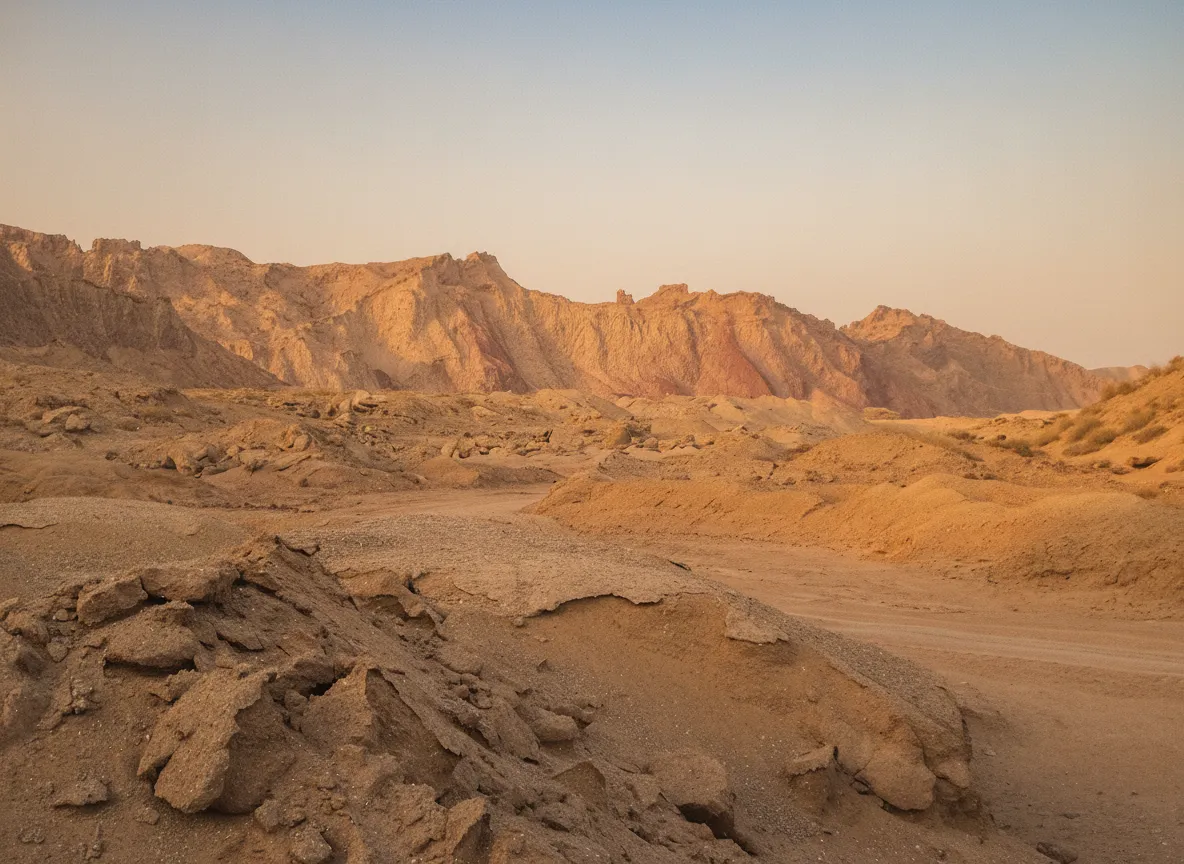
Getting to the cave involves a journey. You'll first need to reach Qeshm Island, which is accessible by domestic flights from major Iranian cities like Tehran, Shiraz, or Isfahan, or by ferry from Bandar Abbas on the mainland. Once on Qeshm, the cave is located in the southwestern part of the island, about 90 kilometers from Qeshm City. It's best to hire a local taxi or arrange a tour with a knowledgeable guide. A guide is not just recommended but almost essential, especially if you plan to explore beyond the initial, easily accessible sections. They know the safest routes, can share fascinating insights, and are crucial for navigating the deeper, more complex passages.
What to bring? Sturdy, non-slip shoes are an absolute must, as the cave floor can be uneven, wet, and very slippery due to the salt. Dress in layers; while the outside might be warm, the cave maintains a cooler, more consistent temperature. A powerful headlamp or flashlight is non-negotiable – the cave is naturally pitch black inside, and the more light you have, the more you'll appreciate the sparkling formations. Don't forget your camera (and perhaps a tripod for long exposures), but be mindful of the humid conditions. Bring plenty of water for before and after your exploration. And most importantly, remember that this is a fragile natural wonder. Do not touch or remove any salt formations, and always stick to designated paths. Respecting the cave ensures its preservation for future generations.
The Namakdan Salt Cave isn't just a destination; it's an immersive experience that challenges your senses and expands your understanding of our planet's incredible geology. It’s an unforgettable journey into the heart of a salt mountain, a true hidden gem waiting to be discovered.
Essential Travel Information
- Location Namakdan Salt Cave (Qeshm Island), Iran
- Best Time October to April, avoiding the intense summer heat.
- Getting There Fly domestically to Qeshm International Airport (GSM) or take a ferry from Bandar Abbas to Qeshm Island. From Qeshm City, hire a taxi or join a guided tour to the cave (approx. 90km southwest).
- Airport Qeshm International Airport (GSM)
- Budget Mid-range (approx. $50-100 USD daily, excluding international flights, but depends heavily on accommodation and tour choices)
- Language Persian (Farsi), with some English spoken in tourist areas.
Find Places to Stay Near Namakdan Salt Cave (Qeshm Island)
Compare hotels, hostels, and unique stays in Iran.
Search AccommodationTours & Experiences Near Namakdan Salt Cave (Qeshm Island)
Book guided tours, day trips, and unique experiences.
Browse Tours