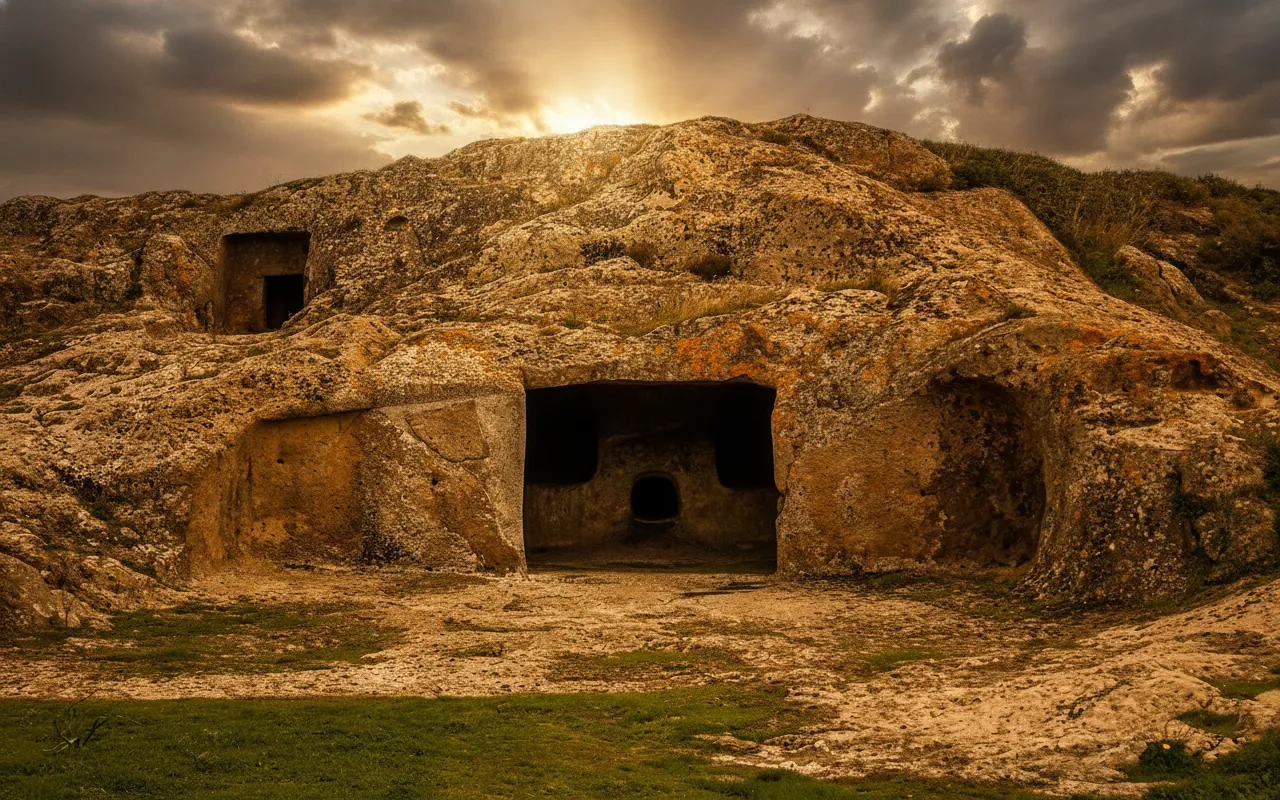
Unveiling the "Fairy Houses": What Makes Montessu So Special?
Imagine an entire necropolis, not built with stones stacked upon stones, but meticulously sculpted *out of* a volcanic rock hill. That's the breathtaking reality of Montessu. Dating back an astonishing 5,000 years to Sardinia's pre-Nuragic cultures, these "houses of the fairies" are far more than simple burial chambers. They are a sprawling, subterranean city of the dead, each *Domus de Janas* a unique testament to the spiritual beliefs and sophisticated craftsmanship of an enigmatic people. What truly sets Montessu apart is the sheer scale and variety of its tombs. While many ancient cultures buried their dead, few did so with such an intimate connection to the earth itself, literally carving homes for their ancestors within the living rock. These aren't crude caves; they are often multi-chambered, with carefully smoothed walls, ceilings, and even architectural features mimicking actual houses, complete with false doors and lintels. It's an astounding feat of engineering and artistry for its time, offering a profound glimpse into a world where the afterlife was intimately connected to the earth that sustained them in life.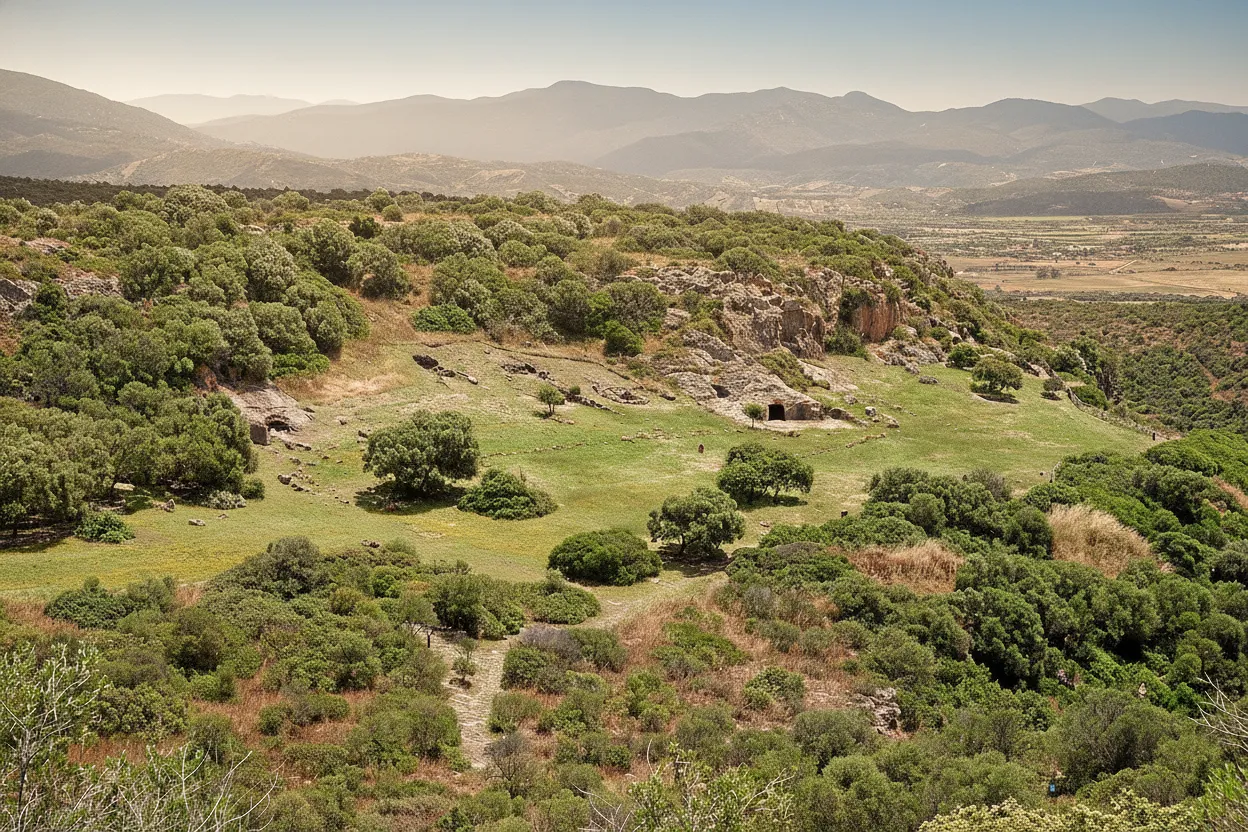
A Glimpse into Prehistory: The Enigmatic Builders of Montessu
To walk among the *Domus de Janas* at Montessu is to step back into the Copper Age, a time when the great pyramids of Egypt were still centuries away from construction. The creators of these tombs belonged to the pre-Nuragic cultures, notably the Ozieri culture, who flourished on Sardinia long before the iconic Nuraghe towers began to dot the landscape. These were communities with complex social structures, advanced agricultural practices, and, most fascinatingly, a deeply spiritual understanding of life, death, and the cosmos. The elaborate nature of the Montessu tombs – some featuring intricate false doors, symbolic bull horn carvings, and mesmerizing spiral motifs – speaks volumes about their beliefs. The false doors, for instance, are thought to be symbolic portals for the spirits of the deceased, allowing them passage between worlds. Bull horns, a recurring motif in ancient Mediterranean cultures, likely represented strength, fertility, and perhaps a connection to a powerful deity. Spirals, universal symbols of eternity and the cycle of life and death, further underscore the profound spiritual significance of these sites. These aren't just places of rest; they are sacred spaces, designed to facilitate a continuing connection between the living and the dead, ensuring the well-being of both. The people who created them left no written records we can decipher, making their sophisticated burial practices and intricate symbolism a captivating mystery that continues to intrigue archaeologists and visitors alike.Exploring the Necropolis: What You'll Discover at Montessu
Your journey through Montessu begins with a gentle hike up a volcanic hillside, the air thick with the scent of wild herbs and the buzz of cicadas. As you ascend, the first *Domus de Janas* begin to reveal themselves, unassuming at first, then growing in complexity and number. Each entrance is a dark maw, inviting you to peek into the cool, silent chambers within. Some tombs are simple, single-chambered affairs, while others are sprawling complexes, with multiple rooms connected by narrow passages, echoing the layout of a family home. Imagine the painstaking effort involved in carving these spaces with rudimentary tools, often from the hard, volcanic rock. As you duck your head and step inside, the temperature drops, and a profound sense of history envelops you. You'll find yourself tracing the ancient chisel marks on the walls, feeling the cool, smooth surfaces that have witnessed millennia.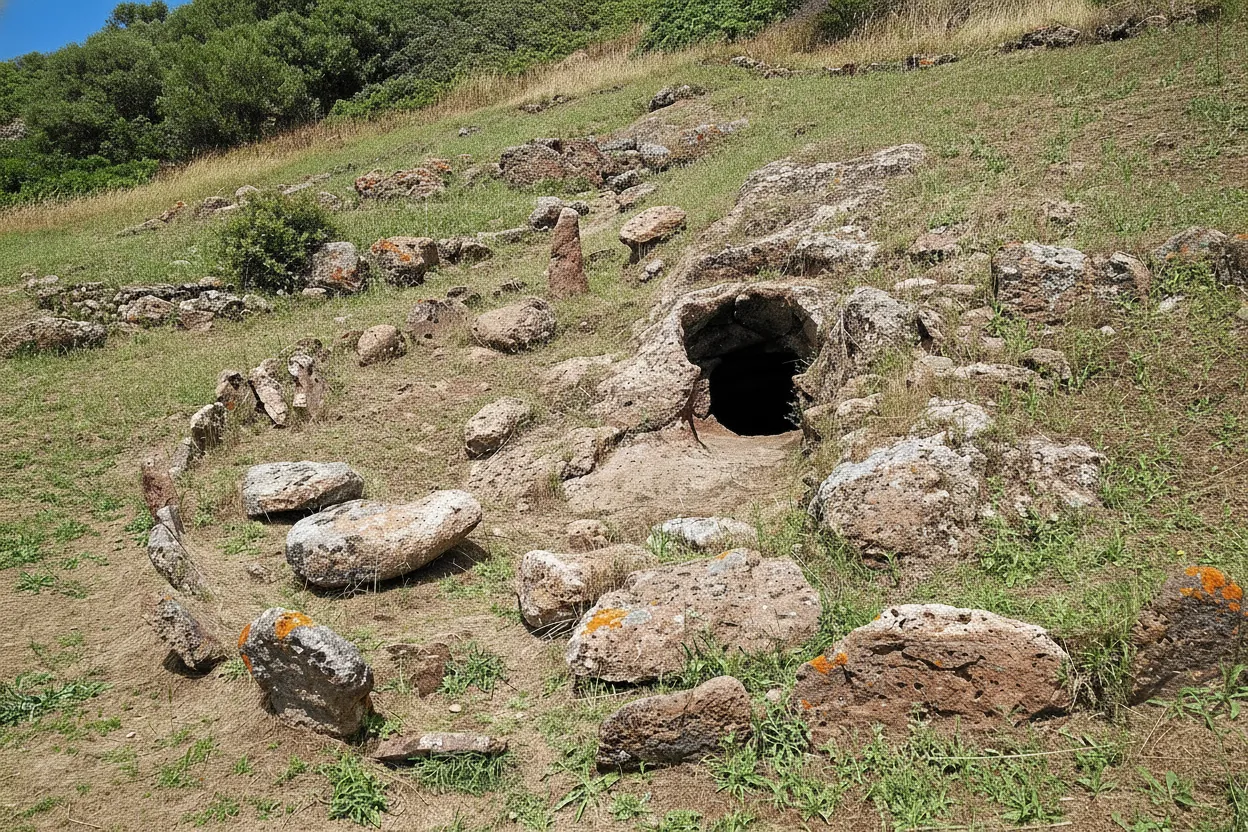 Keep an eye out for the decorative elements. While time has faded many, some tombs still clearly display the carved false doors, offering a spiritual exit for the deceased. Others boast the powerful bull horn symbols, sometimes carved in relief, sometimes simply etched into the rock. The most captivating are perhaps the spiral motifs, symbols of eternity, often found near the entrances or within the main chambers, drawing the eye and the spirit into an endless cycle. It’s like walking through an ancient art gallery, where every carving tells a story, even if the language is long forgotten. Standing inside these silent chambers, you can almost hear the whispers of forgotten rituals, the chants, and laments of those who laid their loved ones to rest here 5,000 years ago. It’s an incredibly humbling and deeply moving experience.
Planning Your Journey to the Heart of Ancient Sardinia: Practical Tips for Visiting Montessu
Visiting Necropoli di Montessu is more than just sightseeing; it's an immersive historical adventure. To make the most of your trip to this hidden gem, here are a few practical tips: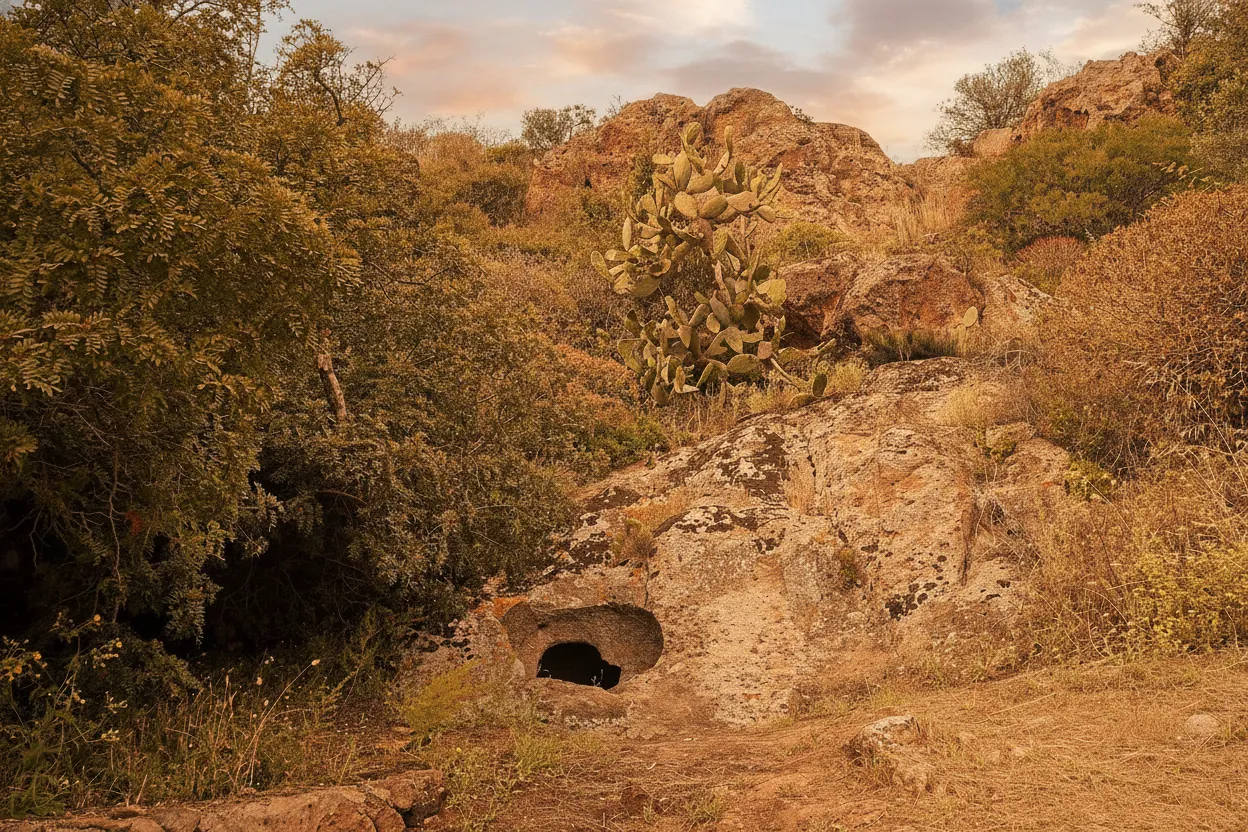 * **Getting There:** Montessu is located near the charming town of Santadi, in the Sulcis-Iglesiente region of southwestern Sardinia. A car is essential for reaching the site, as public transport options are limited. The drive through the Sardinian countryside is beautiful and part of the adventure!
* **Best Time to Visit:** Sardinia can get very hot in summer. Spring (April-May) and Autumn (September-October) offer pleasant temperatures for exploring, with fewer crowds and lush landscapes. Early mornings or late afternoons are ideal to avoid the midday sun and experience the changing light on the ancient stones.
* **What to Bring:** Wear comfortable, sturdy walking shoes, as the terrain can be uneven and rocky. Bring plenty of water, especially if visiting during warmer months, as facilities on-site are minimal. A hat, sunscreen, and a camera are also highly recommended.
* **Respect the Site:** This is an incredibly ancient and sacred place. Tread lightly, do not touch the carvings or structures, and take all your rubbish with you. Help preserve this extraordinary piece of human history for future generations.
* **Local Information:** While Montessu is well-signed from Santadi, it's always a good idea to check local tourism offices in Santadi or nearby towns for the most up-to-date information on opening times (if applicable, as some sites are open-air and free) and any guided tour options. Sometimes, local cooperatives offer guided visits that can greatly enrich your understanding.
Necropoli di Montessu isn't just a collection of old tombs; it's a profound connection to humanity's deep past, a testament to the enduring human spirit, and a captivating mystery waiting to be explored. It's a place that will linger in your memory long after you've left, a whisper of ancient Sardinia that calls you back to its sun-drenched, history-rich hillsides. If you're seeking an authentic, off-the-beaten-path experience that truly transports you through time, make Montessu your next unforgettable destination.
* **Getting There:** Montessu is located near the charming town of Santadi, in the Sulcis-Iglesiente region of southwestern Sardinia. A car is essential for reaching the site, as public transport options are limited. The drive through the Sardinian countryside is beautiful and part of the adventure!
* **Best Time to Visit:** Sardinia can get very hot in summer. Spring (April-May) and Autumn (September-October) offer pleasant temperatures for exploring, with fewer crowds and lush landscapes. Early mornings or late afternoons are ideal to avoid the midday sun and experience the changing light on the ancient stones.
* **What to Bring:** Wear comfortable, sturdy walking shoes, as the terrain can be uneven and rocky. Bring plenty of water, especially if visiting during warmer months, as facilities on-site are minimal. A hat, sunscreen, and a camera are also highly recommended.
* **Respect the Site:** This is an incredibly ancient and sacred place. Tread lightly, do not touch the carvings or structures, and take all your rubbish with you. Help preserve this extraordinary piece of human history for future generations.
* **Local Information:** While Montessu is well-signed from Santadi, it's always a good idea to check local tourism offices in Santadi or nearby towns for the most up-to-date information on opening times (if applicable, as some sites are open-air and free) and any guided tour options. Sometimes, local cooperatives offer guided visits that can greatly enrich your understanding.
Necropoli di Montessu isn't just a collection of old tombs; it's a profound connection to humanity's deep past, a testament to the enduring human spirit, and a captivating mystery waiting to be explored. It's a place that will linger in your memory long after you've left, a whisper of ancient Sardinia that calls you back to its sun-drenched, history-rich hillsides. If you're seeking an authentic, off-the-beaten-path experience that truly transports you through time, make Montessu your next unforgettable destination.
Essential Travel Information
- Location Necropoli di Montessu, Italy
- Best Time Spring (April-May) and Autumn (September-October)
- Getting There Best reached by car from Cagliari, located near Santadi in southwestern Sardinia.
- Airport Cagliari Elmas Airport (CAG)
- Budget Mid-range (approx. €80-150 per day, excluding flights, for car rental, accommodation, and food)
- Language Italian, Sardinian
Find Places to Stay Near Necropoli di Montessu
Compare hotels, hostels, and unique stays in Italy.
Search AccommodationTours & Experiences Near Necropoli di Montessu
Book guided tours, day trips, and unique experiences.
Browse Tours