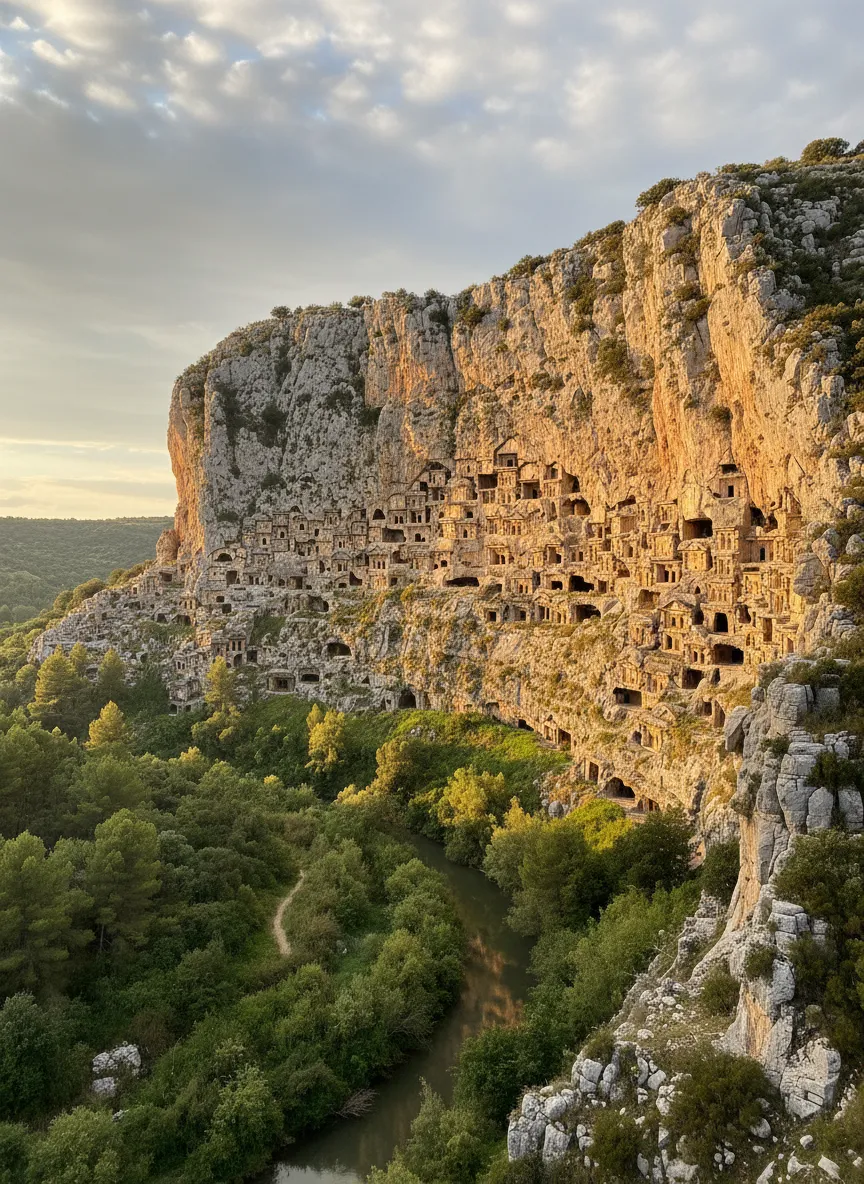
Imagine this: you're standing on the edge of a dramatic river canyon, the air thick with the scent of wild herbs and ancient history. Before you, thousands of ancient cave tombs, carved into the sheer, honeycombed cliffs, form one of Europe's most extensive and breathtaking prehistoric necropolises. This isn't a scene from an Indiana Jones movie; this is the awe-inspiring reality of the Necropoli Rupestre di Pantalica, a truly hidden gem nestled deep within a rugged nature reserve in southeast Sicily, Italy. If you thought you knew Italy, prepare to have your mind blown by this magnificent and humbling glimpse into a powerful, forgotten civilization.
Pantalica isn't just a collection of old rocks; it's a profound journey back in time, to an era spanning the 13th to 7th centuries BCE. It’s a place where the veil between the present and a mysterious past feels incredibly thin, inviting you to explore a landscape that tells a story of life, death, and enduring human spirit against an epic natural backdrop. Forget the crowds of more famous sites; Pantalica offers an intimate encounter with history, where the silence is broken only by the wind whistling through ancient caves and the distant call of a hawk.
What Makes Pantalica So Special?
What sets Pantalica apart isn't just its age, but its sheer scale and visual impact. Imagine over 5,000 artificial caves, meticulously carved into the limestone cliffs, serving as burial chambers for an entire civilization. These eerie, window-like openings transform entire sections of the cliff face into a ghostly, multi-story city of the dead. It’s a spectacle unlike anything else you’ll encounter in Europe, or perhaps the world.
This isn't merely a site of archaeological interest; it's a powerful statement of human endeavor and belief. The people who lived here, the Sicani, chose this dramatic, naturally fortified location for their city and their eternal resting place, demonstrating incredible ingenuity and a deep connection to their environment. The result is a landscape where nature and ancient human artistry merge seamlessly, creating a truly unique and hauntingly beautiful experience. It’s a UNESCO World Heritage site, not just for its archaeological significance, but also for the stunning natural beauty of the Anapo Valley that cradles it.
A Glimpse into a Forgotten Past: History & Background
The story of Pantalica begins in the Late Bronze Age, around the 13th century BCE. As coastal settlements faced increasing threats from invaders, the indigenous Sicani people retreated inland, seeking refuge in the naturally defensible canyons of the Anapo and Calcinara rivers. Here, atop a plateau surrounded by sheer cliffs, they built their stronghold, a city that thrived for centuries.
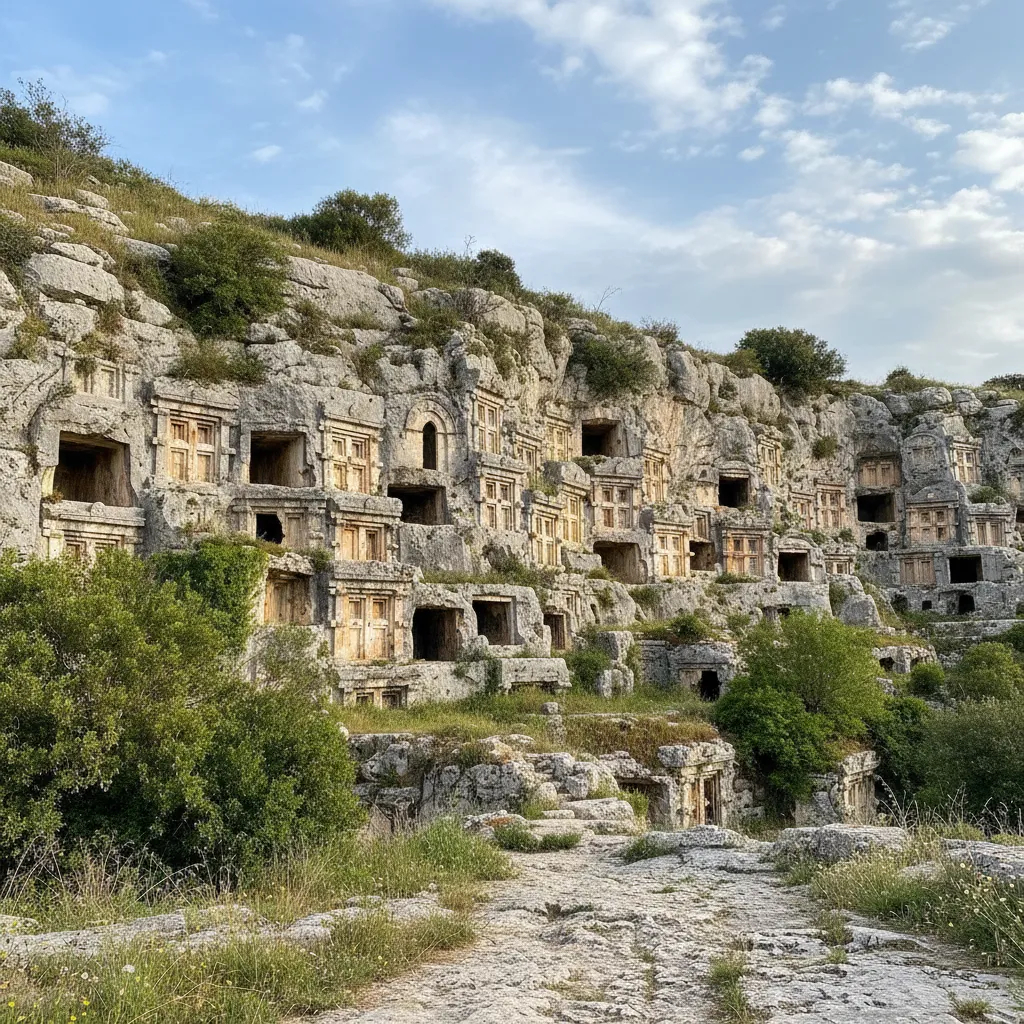
The thousands of tombs you see today are a testament to their enduring presence. Over generations, they meticulously carved these burial chambers, creating a vast necropolis that reflects their sophisticated social structures and funerary practices. Each tomb, typically an oval or rectangular chamber, was designed to house multiple burials, often family members, accompanied by grave goods that offered clues to their lives and beliefs.
Pantalica reached its zenith during the Iron Age, becoming a powerful regional center. However, its importance waned with the arrival of Greek colonizers in Sicily, who established cities like Syracuse on the coast. By the 7th century BCE, the site was gradually abandoned, its people likely drawn to the new opportunities and influences of the burgeoning Greek world. For millennia, Pantalica lay largely forgotten, its secrets preserved by time and nature, until modern archaeological efforts began to uncover its incredible story.
Exploring the City of the Dead: What You'll See There
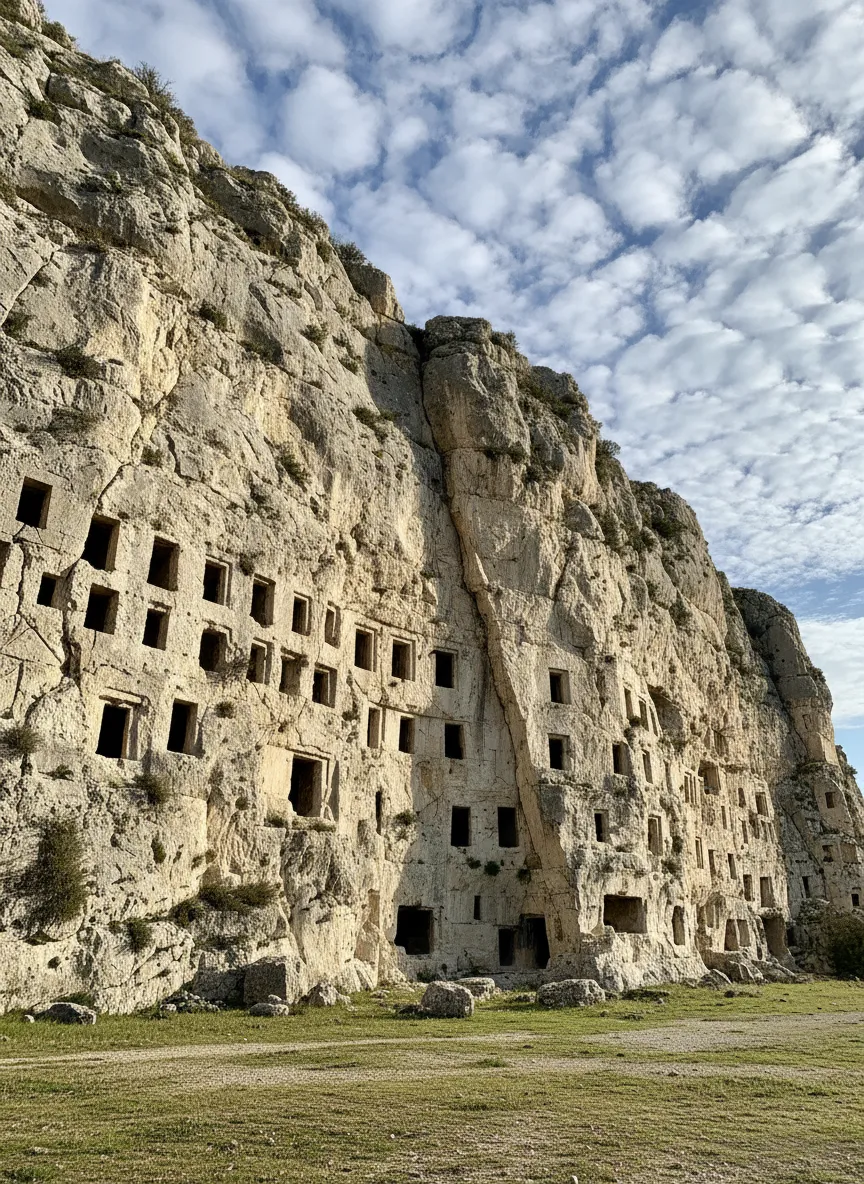
Visiting Pantalica is an adventure, a true immersion in history and nature. There are several access points, but perhaps the most popular and rewarding starts near Sortino or Ferla. As you hike down into the valley, the scale of the necropolis slowly reveals itself. What initially appears as natural rock formations transforms into thousands upon thousands of man-made openings, each a doorway to the distant past.
You'll walk paths carved by ancient feet, marveling at the sheer effort involved in creating such a vast city of the dead. The tombs themselves vary in size and complexity, from simple single chambers to more elaborate multi-room dwellings. While most are empty now, their presence alone evokes a powerful sense of wonder and melancholy. Imagine the rituals, the families, the lives lived and ended here, all laid to rest in these silent stone chambers.
Beyond the tombs, you'll discover the remains of the ancient city itself. The most significant is the Anaktoron, or "Prince's Palace," a megalithic building thought to be the residence of the ruler of Pantalica. Though only foundations remain, its presence hints at the political and social organization of this sophisticated Bronze Age society. The surrounding nature reserve, the Riserva Naturale Orientata Pantalica, Valle dell'Anapo e Torrente Cava Grande, is a spectacle in itself, with its lush Mediterranean vegetation, the clear waters of the Anapo River, and a rich array of birdlife. You might even spot peregrine falcons soaring above the canyon!
Practical Tips for Your Pantalica Adventure
To truly appreciate Pantalica, a little preparation goes a long way. This isn't a manicured tourist attraction; it's a wild, ancient place that demands respect and readiness.
- Getting There: Pantalica is remote, and a car is highly recommended. The main access points are from the towns of Sortino or Ferla. The roads can be winding, but the journey through the Sicilian countryside is part of the charm.
- Best Time to Visit: Spring (April-May) and Autumn (September-October) offer the most pleasant temperatures for hiking. Summers can be very hot, and winters can be damp and chilly, though the site is open year-round.
- What to Bring: Sturdy hiking shoes are an absolute must. Bring plenty of water (there are no facilities once you're in the reserve), snacks, a hat, sunscreen, and a camera. A headlamp or small flashlight can be useful if you wish to peer into some of the darker tombs, but remember to treat them with reverence.
- What to Expect: Be prepared for a fair amount of walking, often on uneven, rocky terrain. The trails are generally well-marked, but you'll be navigating a wild landscape. There are no entrance fees, and very few services, so pack everything you need in and pack everything out.
- Respect the Site: Pantalica is a fragile archaeological and natural wonder. Stick to marked paths, do not disturb the tombs or any archaeological remains, and leave no trace of your visit.
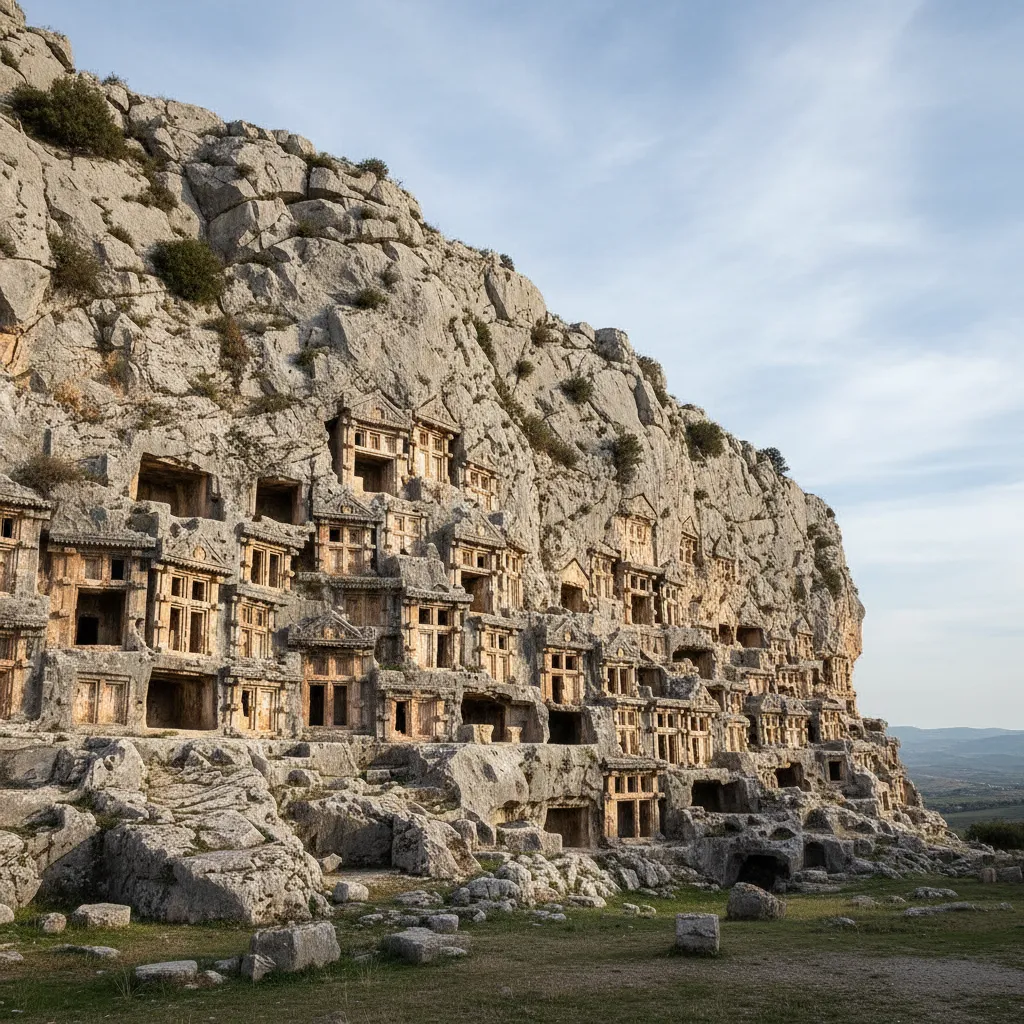
Pantalica isn't just a destination; it's an experience that will etch itself into your memory. It’s a place where you can feel the weight of millennia, where the stories of a forgotten people whisper on the wind, and where the raw beauty of Sicily truly shines. If you're seeking an adventure that combines ancient history, breathtaking landscapes, and a profound sense of discovery, then put the Necropoli Rupestre di Pantalica at the very top of your travel list. You won't regret venturing off the beaten path to uncover this extraordinary hidden world.
Essential Travel Information
- Location Necropoli Rupestre di Pantalica (Rock-Cut Necropolis of Pantalica), Italy
- Best Time Spring (April-May) and Autumn (September-October)
- Getting There Best reached by car from nearby towns like Sortino or Ferla. Follow signs for Riserva Naturale Orientata Pantalica.
- Airport Catania Fontanarossa Airport (CTA)
- Budget Budget (approx. €30-€50 daily, excluding car rental/accommodation)
- Language Italian
Find Places to Stay Near Necropoli Rupestre di Pantalica (Rock-Cut Necropolis of Pantalica)
Compare hotels, hostels, and unique stays in Italy.
Search AccommodationTours & Experiences Near Necropoli Rupestre di Pantalica (Rock-Cut Necropolis of Pantalica)
Book guided tours, day trips, and unique experiences.
Browse Tours