Neviere del Terminillo: Italy's Ancient Refrigerators
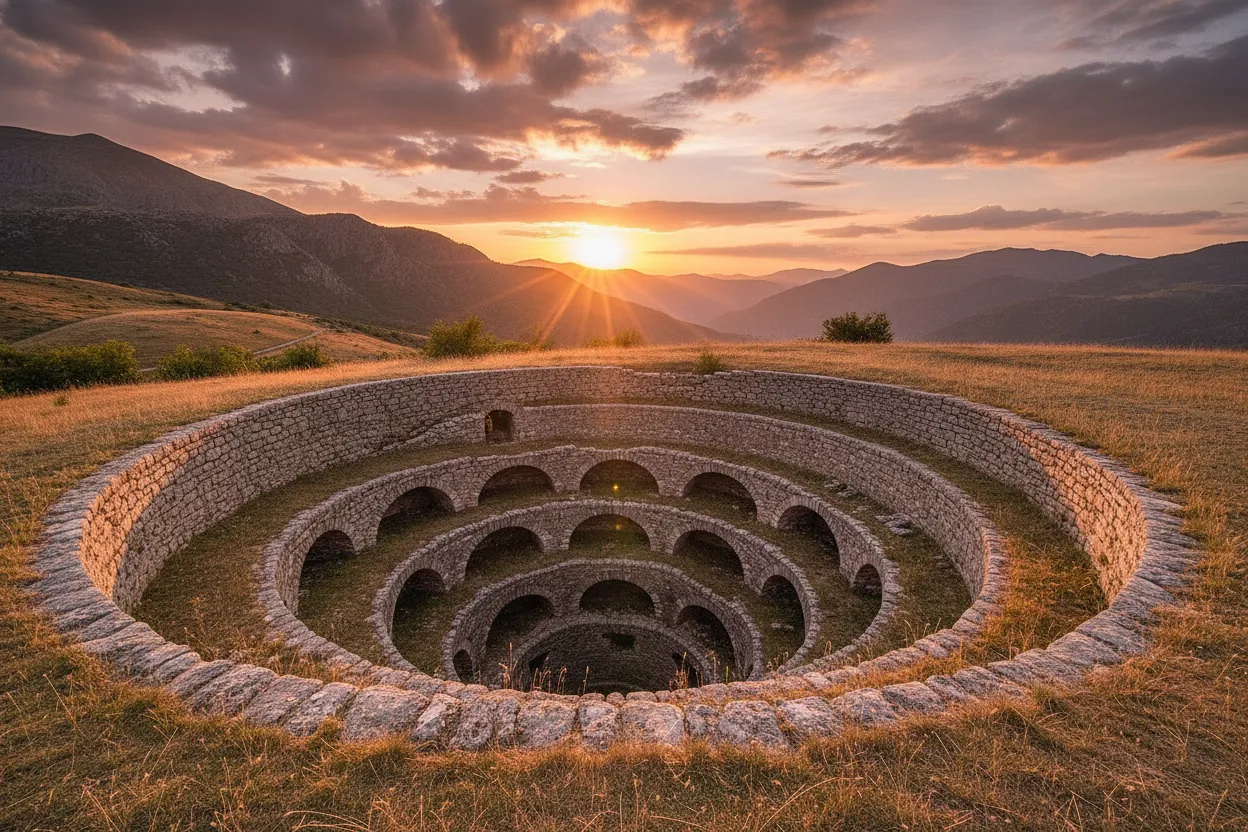
What makes the Neviere del Terminillo so utterly captivating isn't just their age, but the sheer ingenuity they represent. These aren't simple holes in the ground; they are sophisticated, hand-dug engineering marvels, some plunging to incredible depths, often featuring intricate stone arches and elaborate drainage systems. Picture workers toiling for months, meticulously carving into the rock and soil, not for gold or glory, but for ice. This was a system of preservation crucial for medicine, for luxury, and for extending the shelf life of food long before the advent of modern refrigeration.
The very existence of such a widespread and organized system speaks volumes about the value placed on ice. It wasn't just a novelty; it was a necessity for the wealthy and powerful, particularly for a city like Rome, enduring sweltering summers. The neviere served as colossal, natural freezers, collecting vast quantities of snow and ice during the winter months, meticulously packed and insulated to last well into the scorching summer. This extensive, yet forgotten, network of ice houses is a testament to human resourcefulness, a silent monument to a bygone era of ingenuity that allowed civilization to thrive in ways we now take for granted.
A Glimpse into the Past: Ice Harvesting Through the Ages
While the concept of using snow and ice for cooling dates back to ancient civilizations – the Romans themselves had ice pits – the Neviere del Terminillo represent a highly organized and commercially driven medieval evolution of this practice. From around the 13th century onwards, and particularly flourishing through the Renaissance and into the 19th century, these structures became vital. Local communities in the Terminillo region, nestled in the Apennines of Lazio, became masters of the ice trade.
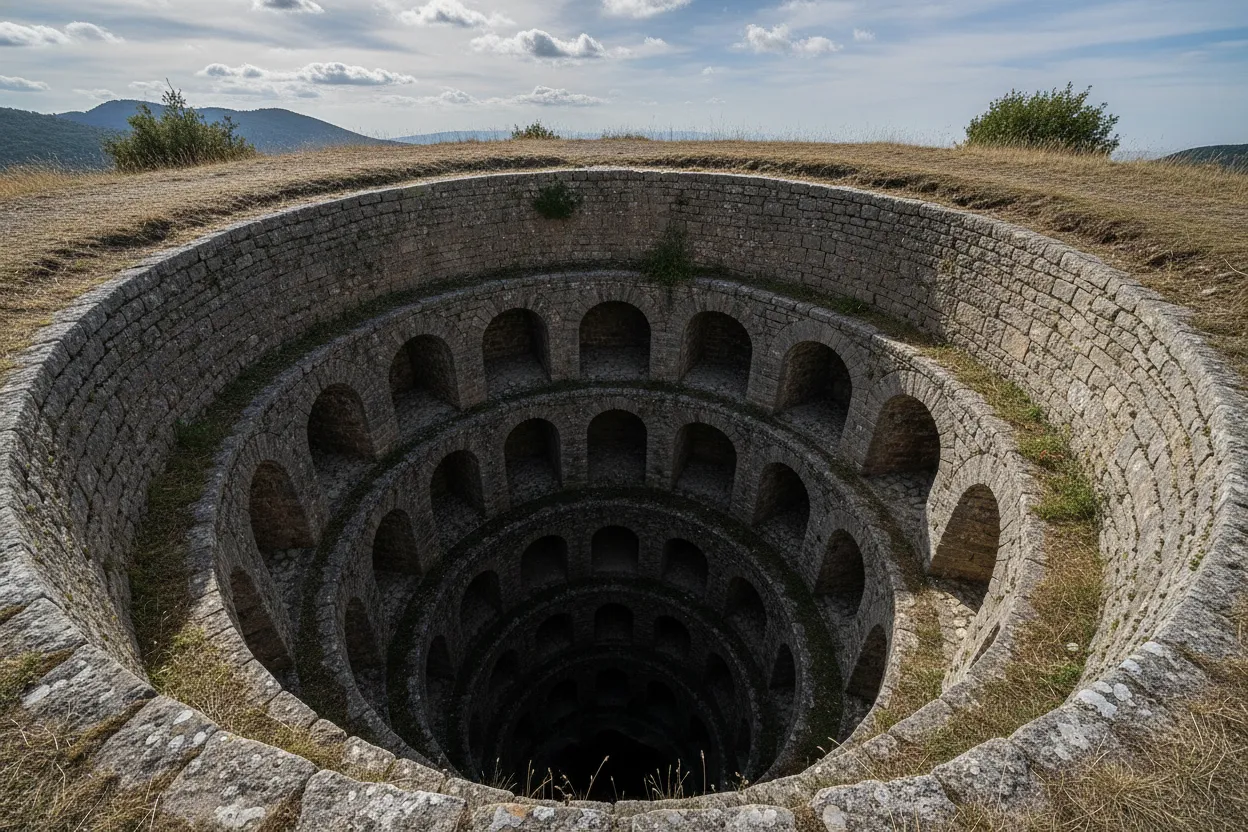
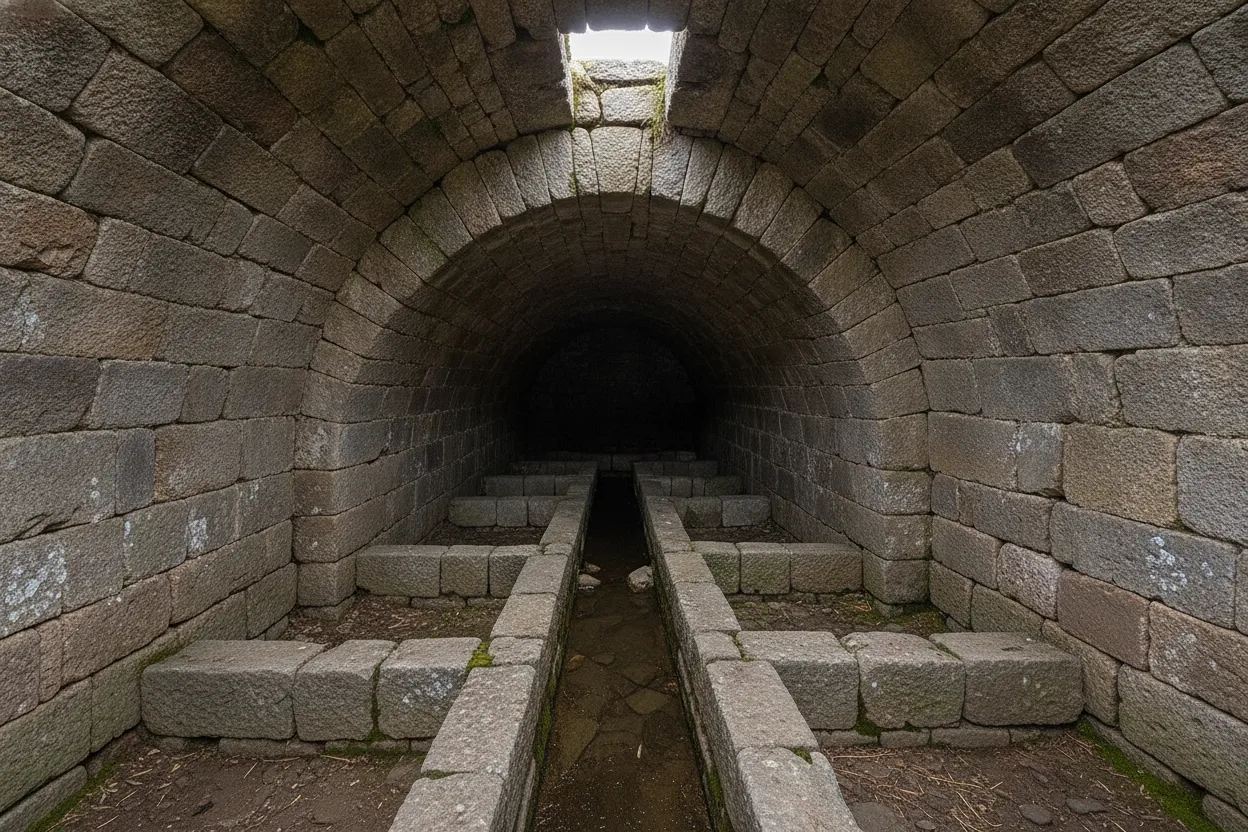
The process was arduous but precise. During winter, teams of laborers would collect snow from the higher altitudes, often packing it down into dense blocks. This snow was then transported, often by mule or even human chains, to the neviere. Inside these deep pits, the snow would be carefully layered, often interspersed with straw, ferns, or branches to act as insulation. The sophisticated drainage systems were crucial, allowing meltwater to escape, preventing the entire mass from turning into slush and preserving the integrity of the ice. Once packed, the neviere would be sealed, creating a remarkably stable, cold environment.
The ice harvested from Terminillo wasn't just for local use. It made its way down to Rome, a journey that itself was an impressive logistical undertaking. Imagine the sight of ice blocks, carefully insulated and transported by night, making their way through the Roman countryside to quench the thirst of a noble, cool a fever, or preserve delicate foodstuffs. This was a thriving, albeit hidden, industry that powered a significant part of daily life for centuries, fading only with the advent of mechanical refrigeration in the late 19th and early 20th centuries.
Exploring the Ice Houses: A Journey into the Earth
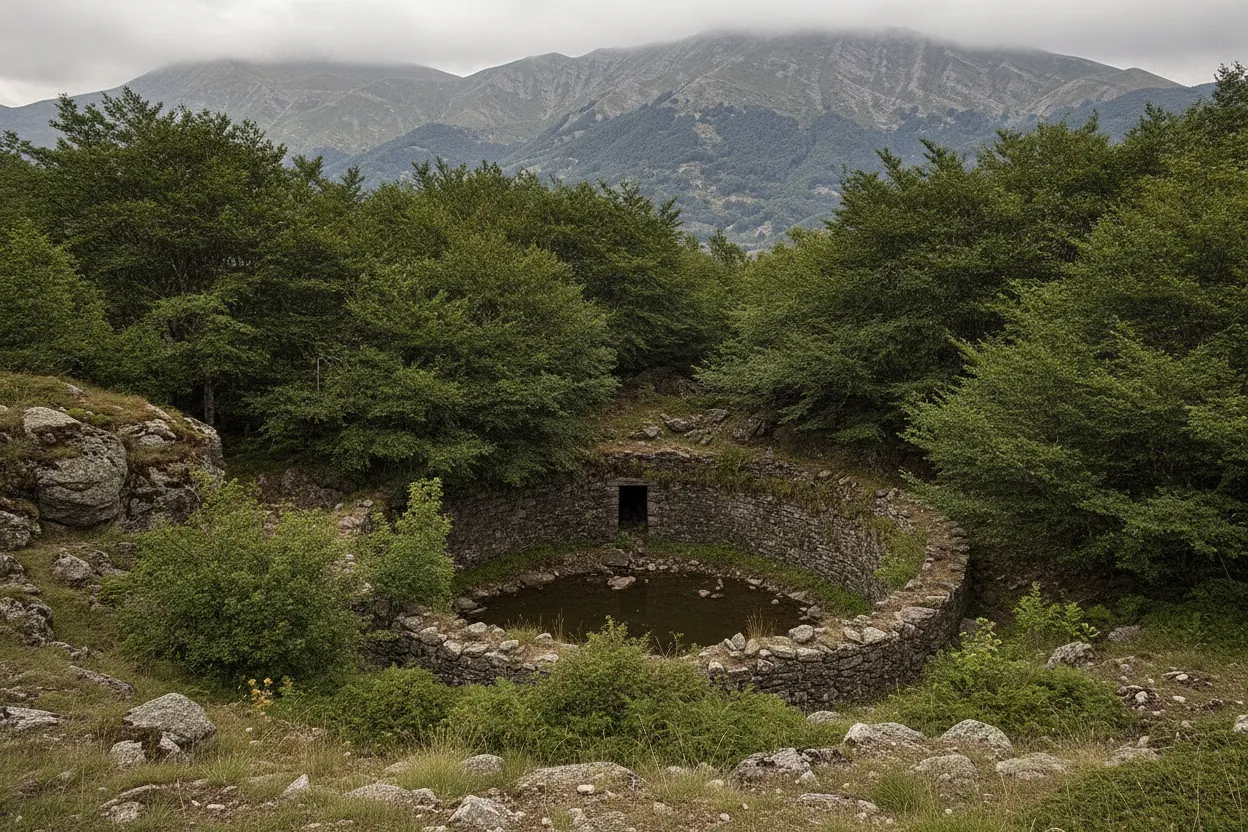
Today, visiting the Neviere del Terminillo is less about commerce and more about discovery. This is not a manicured tourist attraction; it's an immersive historical adventure. What you'll encounter are the remnants of these colossal structures, often appearing as deep, stone-lined shafts or vaulted chambers half-hidden by vegetation. Each neviere tells a silent story of human endeavor, a stark contrast to the serene natural beauty of the surrounding mountains.
As you approach one, perhaps guided by a local hiking trail, you might first spot a slight depression in the landscape, or a sturdy stone wall partially reclaimed by moss. Then, a dark opening reveals itself – a gateway into the earth. Stepping inside, if accessible and safe, is like entering another world. The air immediately cools, and a hush descends. You can feel the ancient chill, the lingering presence of centuries of stored ice. The craftsmanship is astounding: perfectly cut stones forming arches, meticulously smoothed walls, all testament to the sheer effort and skill involved in their construction.
You'll see the sheer depth of some of these pits, dropping many meters into the earth, designed to keep the ice protected from the sun's warmth. Some have multiple levels, or elaborate entrance tunnels. While many are now empty, a few might still hold a lingering dampness, a ghostly echo of their former purpose. The experience is one of profound wonder – standing in a place where nature and human ingenuity converged to solve a fundamental problem, a place that once buzzed with activity, now silent save for the whisper of the wind through the pines.
Planning Your Adventure: Tips for Visiting Neviere del Terminillo
Visiting the Neviere del Terminillo is not your typical Italian holiday; it's an adventure into the heart of a hidden historical landscape. This requires a bit more planning but promises an incredibly rewarding experience.
Best Time to Visit:
The ideal time to explore is from late Spring (May) through Early Autumn (October). During these months, the weather is pleasant for hiking, and the trails are generally clear of snow. Winter visits are possible for experienced hikers with appropriate gear, but many routes may be inaccessible due to heavy snow.
How to Get There:
The Neviere are located in the Terminillo mountain range, part of the Apennines in Lazio. The most practical way to reach the area is by car. From Rome, it's approximately a 1.5 to 2-hour drive to the base of Terminillo. Once there, you'll need to rely on local maps or GPS for specific trailheads. Many Neviere are accessible via moderate to challenging hiking paths, so be prepared for a good walk.
What to Bring:
This is a hiking trip! Essential items include sturdy hiking boots, layers of clothing (mountain weather can change quickly), plenty of water, snacks, a map or GPS device, a fully charged phone, and a headlamp or flashlight if you plan to explore the interior of any accessible neviere. Always check local conditions and trail difficulty before setting out.
Accommodation & Guides:
While the Neviere themselves are remote, there are charming towns and villages in the Terminillo area, such as Rieti or even smaller mountain hamlets, offering accommodation ranging from agriturismo stays to small hotels. For a truly enriching experience, consider hiring a local guide. They can not only lead you to the most interesting neviere but also share fascinating stories and historical context that you might otherwise miss.
Respect the Site:
These are historical sites, often unprotected and subject to the elements. Please practice Leave No Trace principles: carry out everything you carry in, do not disturb any structures or natural features, and respect the quiet beauty of the mountains. Safety is paramount; do not enter any neviere that appear unstable or unsafe.
A Cool Conclusion
The Neviere del Terminillo offer a rare glimpse into a forgotten chapter of human history and ingenuity. They are a powerful reminder that even in the absence of modern technology, our ancestors found remarkable ways to adapt and thrive. For those seeking an off-the-beaten-path adventure, a connection to ancient engineering, and the serene beauty of Italy's Apennine mountains, these hidden ice houses promise an unforgettable journey. So, pack your bags, lace up your boots, and prepare to discover one of Italy's coolest, and most fascinating, secrets.
Essential Travel Information
- Location Neviere del Terminillo (Ice Houses of Terminillo), Italy
- Best Time Late Spring to Early Autumn (May-October) for hiking and comfortable weather.
- Getting There Best reached by car from Rome (approx. 1.5-2 hours drive) to the Terminillo area, followed by a moderate to challenging hike to the specific neviere sites.
- Airport Rome Fiumicino Airport (FCO)
- Budget Mid-range (approx. €80-€150 per day, excluding significant transport costs from afar, assuming local accommodation and food)
- Language Italian
Find Places to Stay Near Neviere del Terminillo (Ice Houses of Terminillo)
Compare hotels, hostels, and unique stays in Italy.
Search AccommodationTours & Experiences Near Neviere del Terminillo (Ice Houses of Terminillo)
Book guided tours, day trips, and unique experiences.
Browse Tours