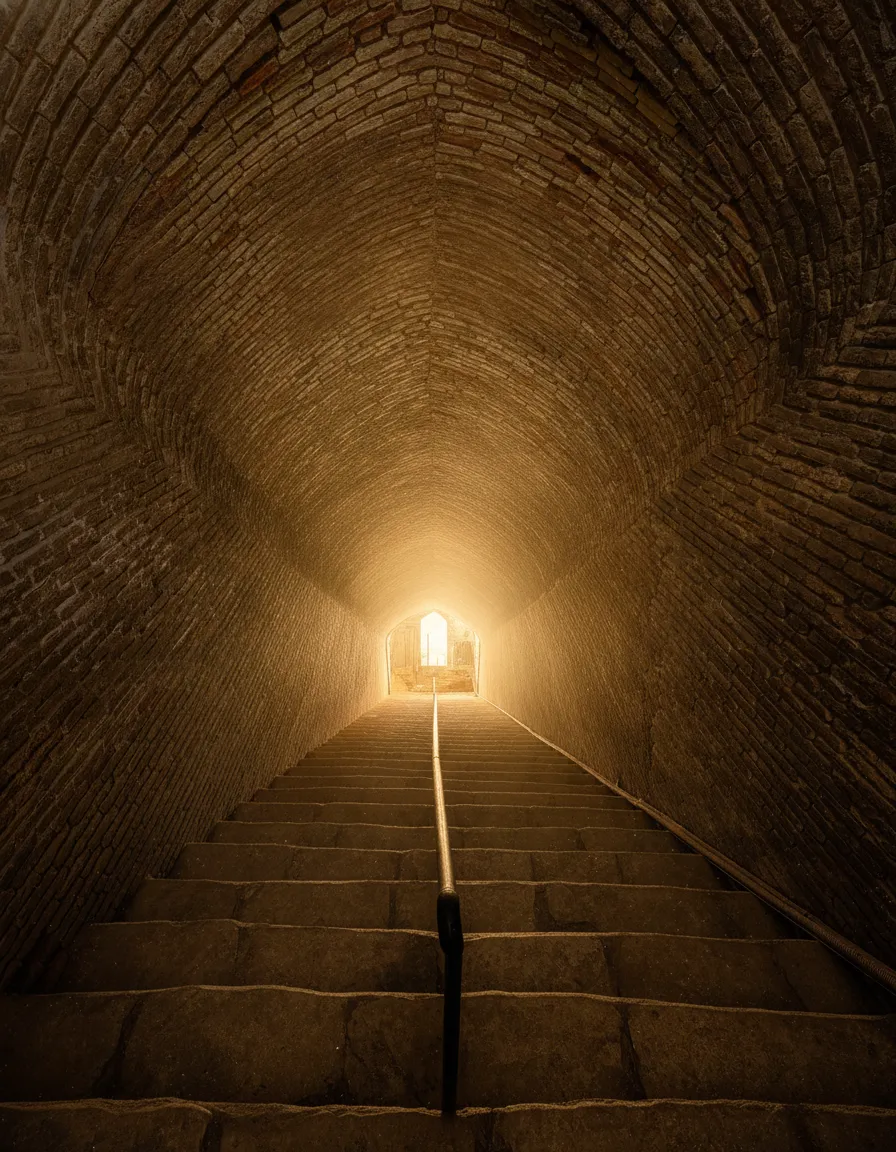
Imagine an entire city hidden 16 meters beneath the desert, a labyrinthine network of tunnels, chambers, and air shafts carved into the earth by ancient hands. This isn't the stuff of archaeological fiction or Indiana Jones lore; it's a breathtaking reality waiting to be discovered in the heart of Iran. Tucked away beneath the unassuming modern town of Nushabad in Iran's historic Isfahan Province lies a secret so profound, so ingeniously crafted, that it redefines our understanding of ancient survival and architectural brilliance: the Nushabad Underground City, locally known as Ouyi.
For centuries, this subterranean marvel lay forgotten, a ghost city beneath our feet, its existence whispered only in local legends. Then, in 2006, a chance discovery during routine construction unveiled its secrets to the modern world. What emerged was not just a cave, but a three-story, meticulously designed urban refuge, a testament to the foresight and resilience of the ancient Persians. If you're looking for an adventure that combines deep history, mind-bending engineering, and the thrill of uncovering a truly hidden gem, then Nushabad should be at the very top of your travel wish list.
What Makes Nushabad Underground City So Special?
The Nushabad Underground City isn't just a series of tunnels; it's an entire ecosystem built for survival. What truly sets it apart is its incredible scale and sophistication. Constructed over 1500 years ago, primarily during the Sasanian Empire era (pre-Islamic Iran), it served as a vital sanctuary during times of invasion and conflict. Picture this: a sophisticated city, carved entirely out of the earth, equipped with all the necessities for hundreds, perhaps thousands, of people to live safely for extended periods.
This isn't your average bunker. We're talking about multiple levels, interconnected by narrow, often disguised, staircases and passages. The ancient engineers behind Nushabad thought of everything. They designed complex ventilation systems that drew fresh air deep into the earth, ingenious traps to thwart invaders, and multiple hidden entrances that blended seamlessly with the surface landscape. Its very existence, largely unknown to the outside world until its rediscovery, makes it one of the most compelling archaeological sites you could ever hope to visit. It’s a whispered secret, a tangible link to a past where human ingenuity knew no bounds when survival was on the line.
A Journey Through Time: History and Purpose
To truly appreciate Nushabad, you need to understand the tumultuous times in which it was conceived. The Sasanian Empire, which ruled Persia from the 3rd to the 7th century CE, was a period of great cultural flourishing but also frequent external threats. From Arab invasions to other regional conflicts, the people of the Iranian plateau often faced dire circumstances. It was in this crucible of necessity that the idea for a subterranean city like Ouyi was born.
The construction of Nushabad was not a quick fix but a monumental, long-term project. The soft, sandy soil of the region made excavation possible, yet the sheer volume of earth moved and the precision required to create stable, multi-story structures is awe-inspiring. It wasn't just a place to hide; it was a strategic stronghold. Imagine a scenario where invaders would sweep through the desert, only to find the towns deserted. The inhabitants, having melted away into their secret underground sanctuary, could bide their time, safe from harm, until the threat passed. The design incorporated elements that would confuse and trap any pursuer foolish enough to venture into its depths, from sudden drops to dead-end passages and areas designed for defense. It's a chilling reminder of the lengths to which humanity would go to protect its own, and a powerful symbol of ancient Persian ingenuity.
Descending into the Labyrinth: What You'll See and Experience
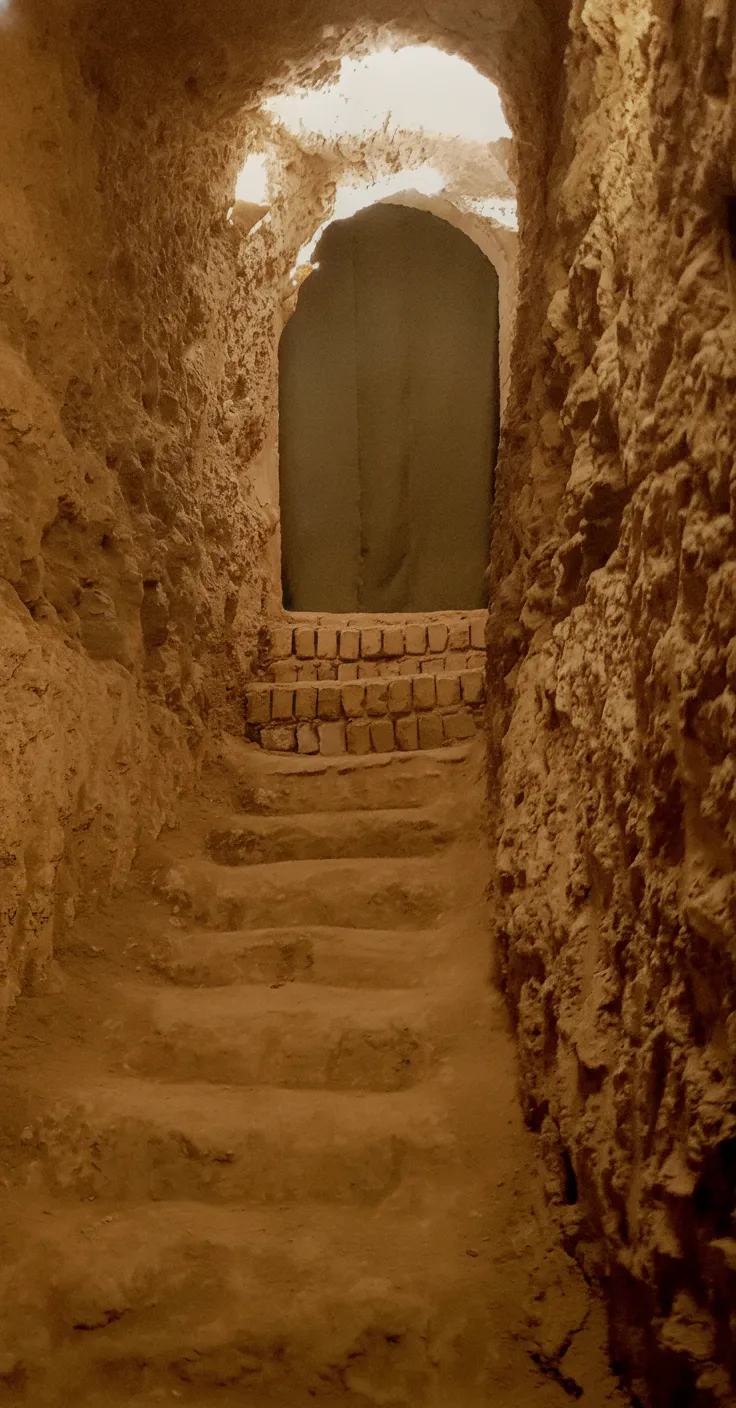
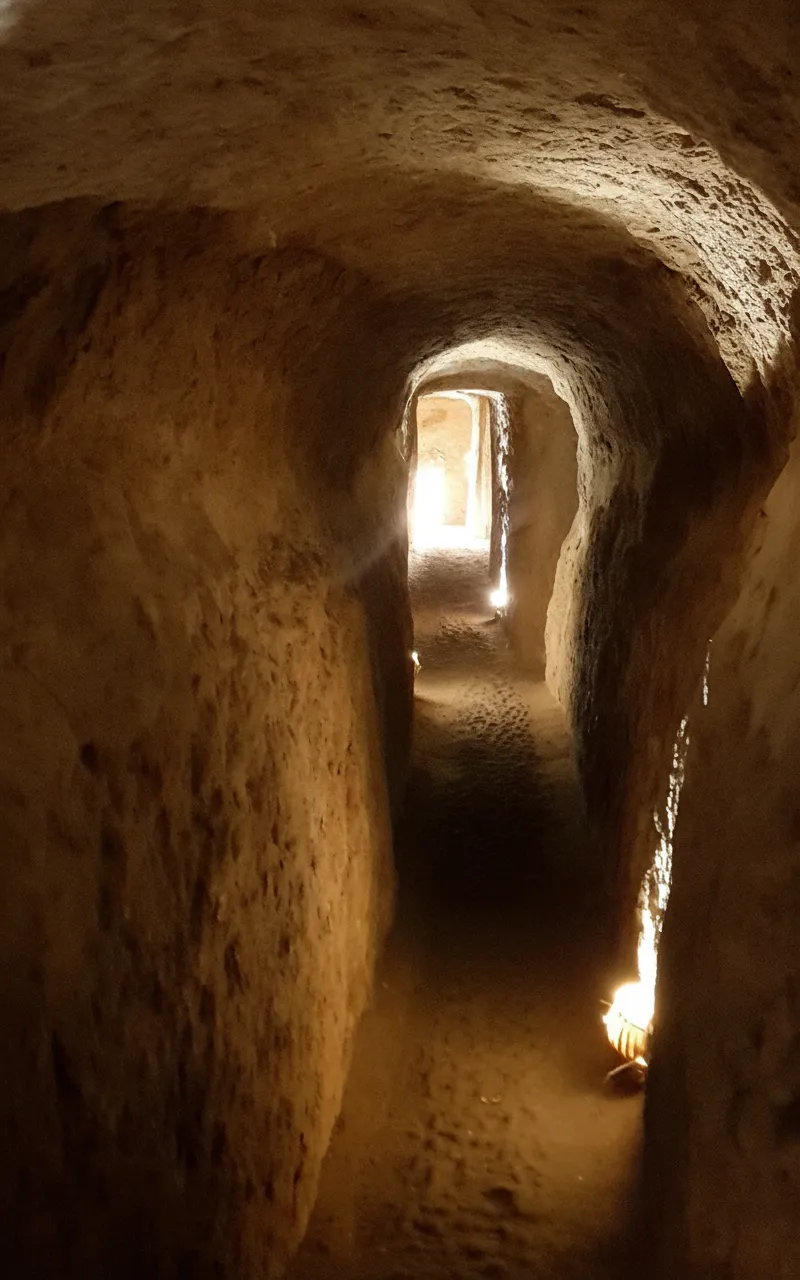
Stepping into the Nushabad Underground City is like stepping into another dimension. The entrance, often discreet and easily overlooked, quickly plunges you into a world of cool, earthy air and profound silence. As you descend, the narrow tunnels, meticulously carved by hand, begin to reveal the city's intricate design. You'll navigate through a labyrinth of passages, some barely wide enough for one person, others opening into larger chambers.
The city is laid out on three distinct levels, each serving a specific purpose. The upper levels were likely used for immediate refuge and daily activities, while the deeper levels offered greater security and storage. You'll see evidence of living quarters, storage rooms for food and water, and even areas that might have served as communal spaces. The most fascinating aspect is the ingenious air circulation system. Vertical shafts, sometimes extending all the way to the surface, were designed to draw in fresh air and expel stale air, ensuring that even at 16 meters deep, the environment remained breathable – a true marvel of ancient engineering without modern tools.
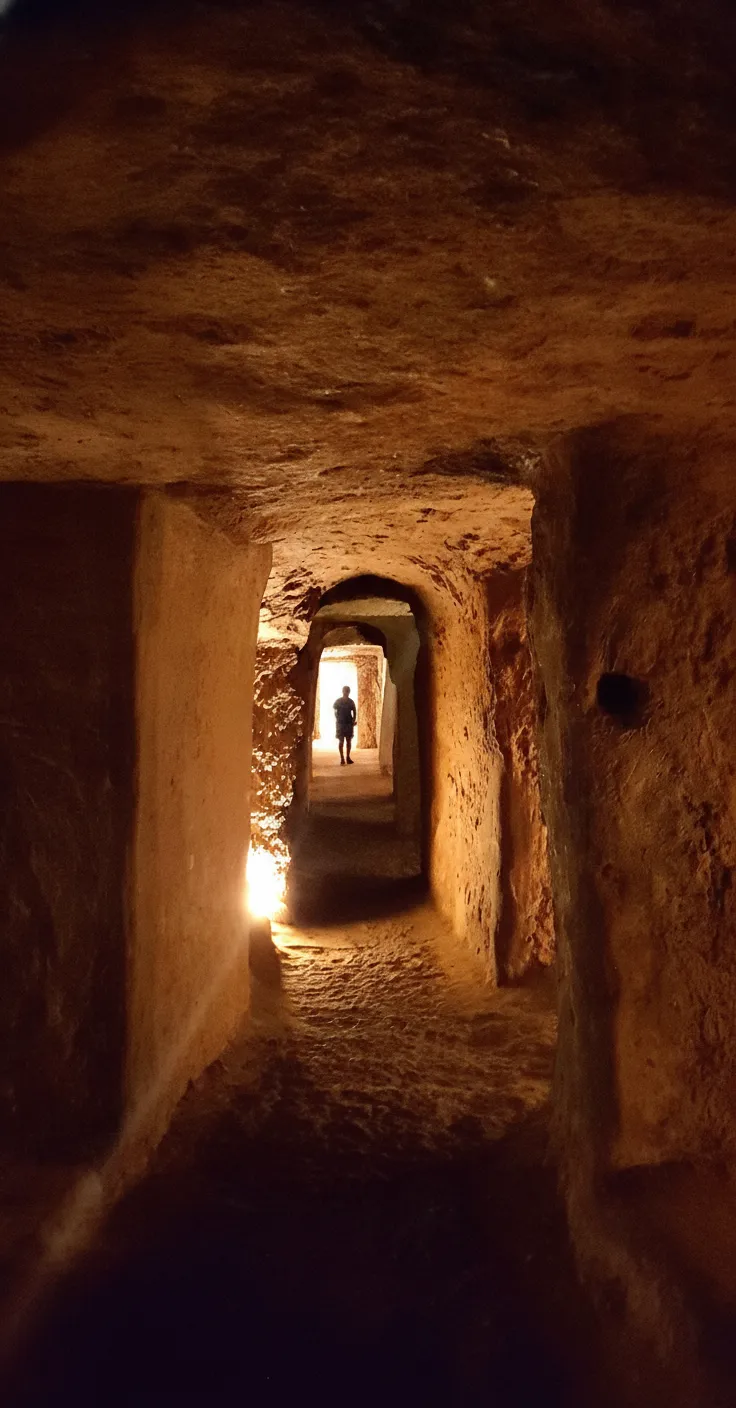
As you explore, your guide will point out the defensive features: the incredibly narrow, winding paths designed to disorient invaders, the small openings that allowed defenders to observe and block access, and the overall strategic layout meant to protect the inhabitants. The atmosphere is palpable – a mix of wonder at the human spirit and a somber reflection on the dangers that necessitated such a creation. It’s a sensory journey back in time, where every turn in the tunnel tells a story of survival, resilience, and extraordinary human endeavor.
Planning Your Expedition: Practical Tips for Visiting Nushabad
Ready to embark on this incredible adventure? Here are some practical tips to make your visit to the Nushabad Underground City unforgettable:
Getting There: Nushabad is a small town located just a short drive (about 10-15 minutes) north of Kashan, a popular tourist city in Isfahan Province. Kashan itself is easily accessible from major cities like Tehran (approx. 2.5-3 hours by car) and Isfahan (approx. 2 hours by car). The best way to reach Nushabad from Kashan is by hiring a local taxi or through a pre-arranged tour. Many hotels in Kashan can help you organize this.
Best Time to Visit: Iran's summers can be scorching, and winters quite cold. The ideal time to visit Nushabad and the wider Isfahan region is during spring (March to May) or autumn (September to November). The weather is pleasant, making both surface exploration and the underground experience comfortable. While the underground city maintains a relatively cool temperature year-round, the journey to and from it is best enjoyed in milder weather.
What to Bring:
- Comfortable Shoes: You'll be doing a lot of walking on uneven surfaces and stairs.
- Light Jacket or Sweater: Even in summer, it can be quite cool underground.
- Water: Stay hydrated, especially if visiting during warmer months.
- Camera: You'll want to capture the unique atmosphere, though lighting can be challenging.
- Small Backpack: To carry your essentials.
- Torch/Headlamp (optional): While guides will have lighting, an extra light source can be helpful for exploring darker corners.
Accessibility: Due to narrow passages, steep steps, and uneven terrain, the Nushabad Underground City is not easily accessible for individuals with mobility issues, young children in strollers, or those who experience severe claustrophobia. Be prepared for a physically engaging experience.
Local Guides: While you can visit independently, hiring a local guide is highly recommended. They provide invaluable historical context, point out hidden details you might miss, and enhance your understanding of this incredible site. Plus, supporting local guides directly benefits the community.
Respect Local Customs: Iran is an Islamic Republic, and visitors are expected to dress modestly. For women, this typically means wearing a headscarf (hijab), loose-fitting clothing that covers arms and legs, and avoiding revealing attire. Men should also dress respectfully. Familiarize yourself with local etiquette to ensure a smooth and enjoyable visit.
Nushabad Underground City is more than just an archaeological site; it's a profound journey into the ingenuity and spirit of ancient civilizations. It’s a place that humbles you with its scale, fascinates you with its history, and inspires you with the sheer determination of those who built it. Add this extraordinary hidden gem to your travel itinerary, and prepare to be utterly captivated by Iran's secret city beneath the sand.
Essential Travel Information
- Location Nushabad Underground City (Ouyi), Iran
- Best Time Spring (March-May) or Autumn (September-November)
- Getting There Located near Kashan in Isfahan Province. Best reached by taxi or tour from Kashan, which is accessible from Tehran or Isfahan.
- Airport Kashan Airport (Kashan does have a small airport, but most international visitors fly into Tehran IKA or Isfahan IFN for onward travel to Kashan).
- Budget Mid-range (approx. $50-100 USD daily for accommodation, food, and local transport/guides)
- Language Persian (Farsi)
Find Places to Stay Near Nushabad Underground City (Ouyi)
Compare hotels, hostels, and unique stays in Iran.
Search AccommodationTours & Experiences Near Nushabad Underground City (Ouyi)
Book guided tours, day trips, and unique experiences.
Browse Tours