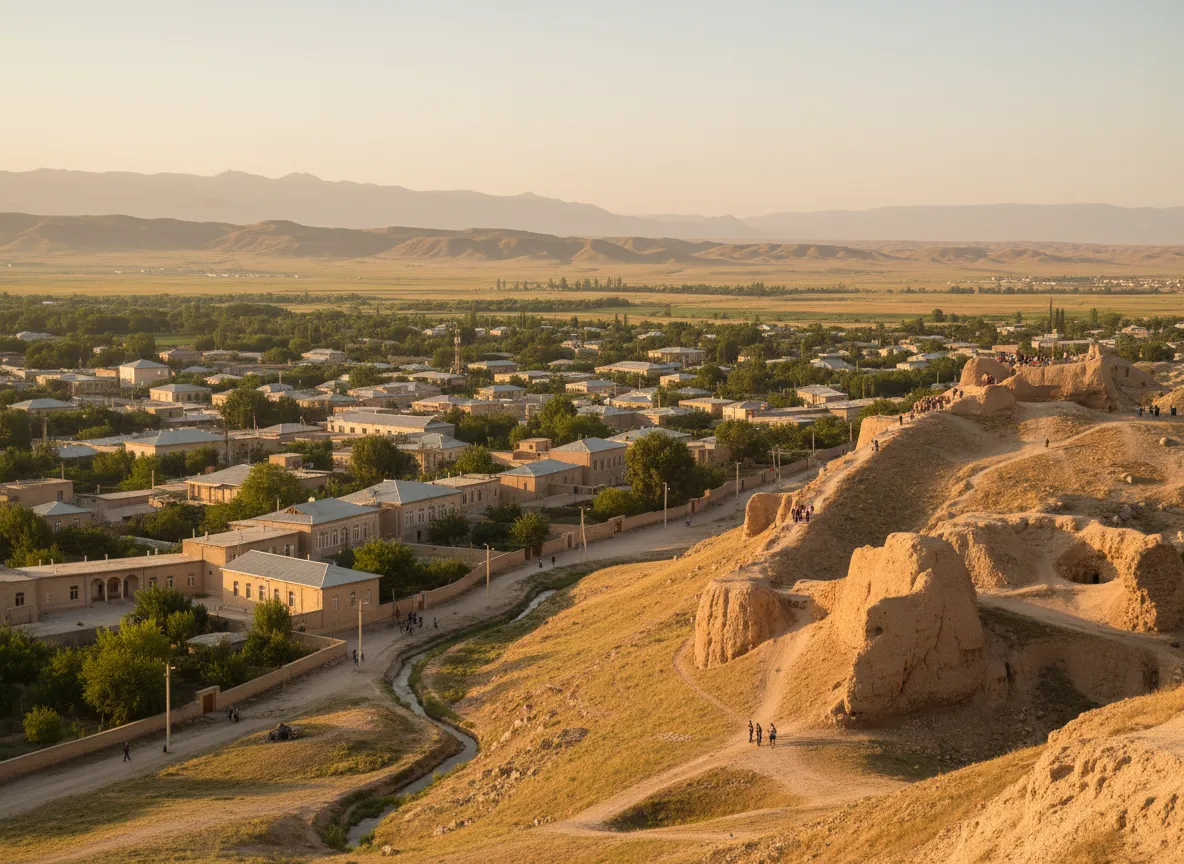
Imagine a place where the echoes of ancient civilizations aren't confined to dusty museum exhibits, but are woven into the very fabric of daily life. A place where children play hide-and-seek amidst crumbling fortifications that predate recorded history, and where families prepare meals in homes built directly into walls that once sheltered warriors of Alexander the Great. This isn't a fantasy; it's Nushkhara, the ancient Nurata Fortress Village in Uzbekistan, a hidden gem where two millennia of human history live on, vibrant and astonishingly real.
Tucked away in the Navoiy Region, far from the bustling Silk Road cities of Samarkand and Bukhara, Nushkhara isn't just an archaeological site; it's a living, breathing testament to enduring human spirit. Here, the past isn't merely preserved; it's inhabited. Generations have maintained a unique way of life, creating an anachronistic community that offers an unparalleled glimpse into continuous human settlement amidst historic ruins. For the intrepid traveler seeking genuine connection and profound historical immersion, Nushkhara promises an experience unlike any other.
What Makes Nushkhara So Unique? The Living Fortress
Most ancient fortresses stand as silent monuments, their stories whispered by the wind through empty chambers. Nushkhara defies this norm. What makes it profoundly special is that it's a "living fortress." Picture this: you're wandering through narrow, winding alleys, past mud-brick homes, and suddenly, you realize the very walls of these houses are sections of a colossal, ancient citadel. The foundations beneath your feet have supported human life for over 2,000 years, a continuous thread connecting the modern-day residents to nomadic tribes, Persian emperors, and Hellenistic soldiers.
This isn't just about old buildings; it's about a unique symbiosis between people and their historical environment. The residents of Nushkhara haven't just built *next to* the ruins; they've integrated them into their existence. Courtyards open up to views of ancient battlements, and domestic chores unfold against a backdrop of sun-baked stone that has witnessed countless epochs. There's an incredible sense of timelessness here, a quiet dignity in the way life continues, unhurried and deeply rooted in tradition, within the embrace of such profound history. It's a place where the past isn't a separate entity but an active participant in the present, offering an unparalleled window into how communities adapt and thrive around the legacies of their ancestors.
A Glimpse into Ancient History: The Nurata Fortress
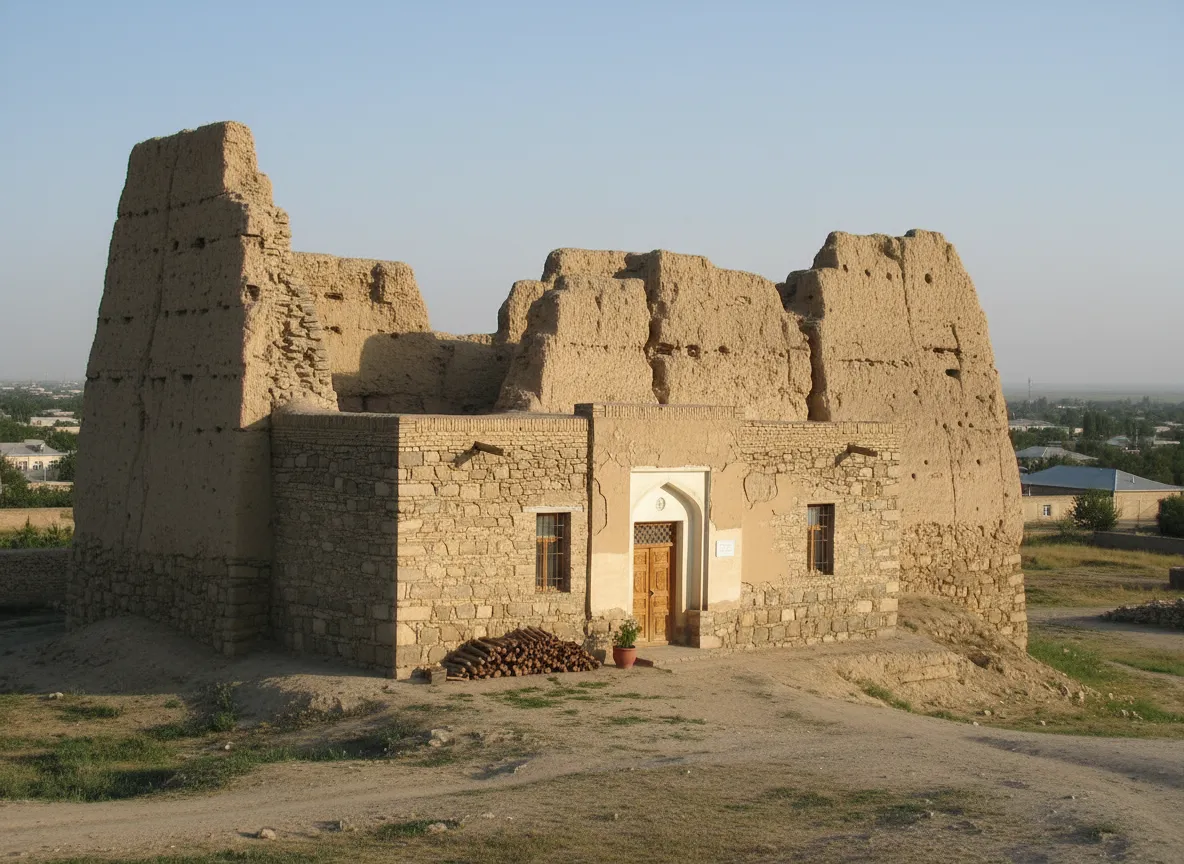
The story of Nurata, and by extension Nushkhara, is steeped in legend and historical significance. The fortress itself, often referred to as the Nurata Citadel or Alexander's Fortress, is believed to have been founded by none other than Alexander the Great during his campaigns in Central Asia in the 4th century BCE. While definitive archaeological proof linking specific structures directly to Alexander is debated, the strategic importance of this location for a military outpost is undeniable. Situated at a vital crossroads between the desert, the mountains, and the fertile plains, it would have been a crucial stronghold for controlling trade routes and defending territories.
Over the centuries, the fortress evolved, expanded, and changed hands numerous times. It served as a bastion for various empires and local rulers – from the Achaemenids and Sogdians to Islamic caliphates and eventually the Emirate of Bukhara. Each era left its architectural and cultural imprint, layers of history visible in the different construction techniques and materials used in the remaining walls. The legend of Alexander casts a romantic shadow, but the tangible evidence of continuous human occupation, adaptation, and resilience is perhaps even more compelling. The fortress wasn't just a military structure; it became a nexus of life, drawing people to its protective walls and the life-giving springs below.
Exploring Nushkhara: What You'll See and Do
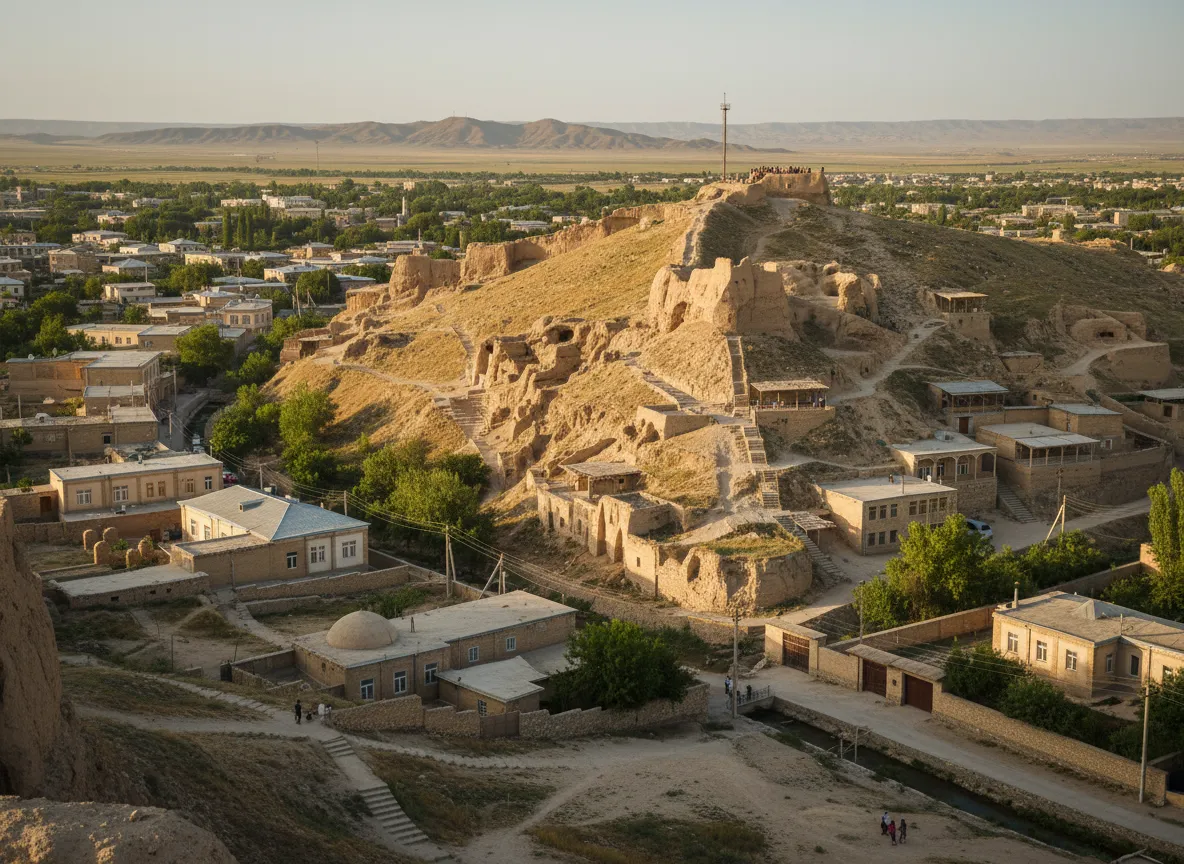
A visit to Nushkhara is less about ticking off famous landmarks and more about soaking in an atmosphere, observing a way of life, and connecting with history on a deeply personal level. Your exploration will likely begin by simply wandering. The village's layout is organic, a labyrinth of narrow, unpaved lanes that twist and turn, revealing new vistas of ancient walls and everyday scenes around every corner.
One of the most significant sites is the **Chashma Complex**. While not directly *within* the fortress walls, it's intrinsically linked to Nurata's history and spiritual life. This complex houses a holy spring, believed to have healing properties, a mosque, and a medieval bathhouse (hammam). The spring is home to sacred fish, and locals often come here for prayer and blessings. The serene atmosphere of Chashma offers a stark contrast to the ruggedness of the fortress, providing a spiritual heart to the community.
From the Chashma complex, you can ascend to the **remains of the fortress walls**. While much is in ruins, the sheer scale of the original structure is still impressive. Climbing to the highest accessible points offers panoramic views of the village nestled within the ancient defenses, the surrounding desert, and the distant Nuratau Mountains. It's here, gazing out from a vantage point that strategists once used, that the weight of history truly settles upon you. You can almost hear the echoes of ancient armies and feel the whispers of generations who have called this formidable place home.
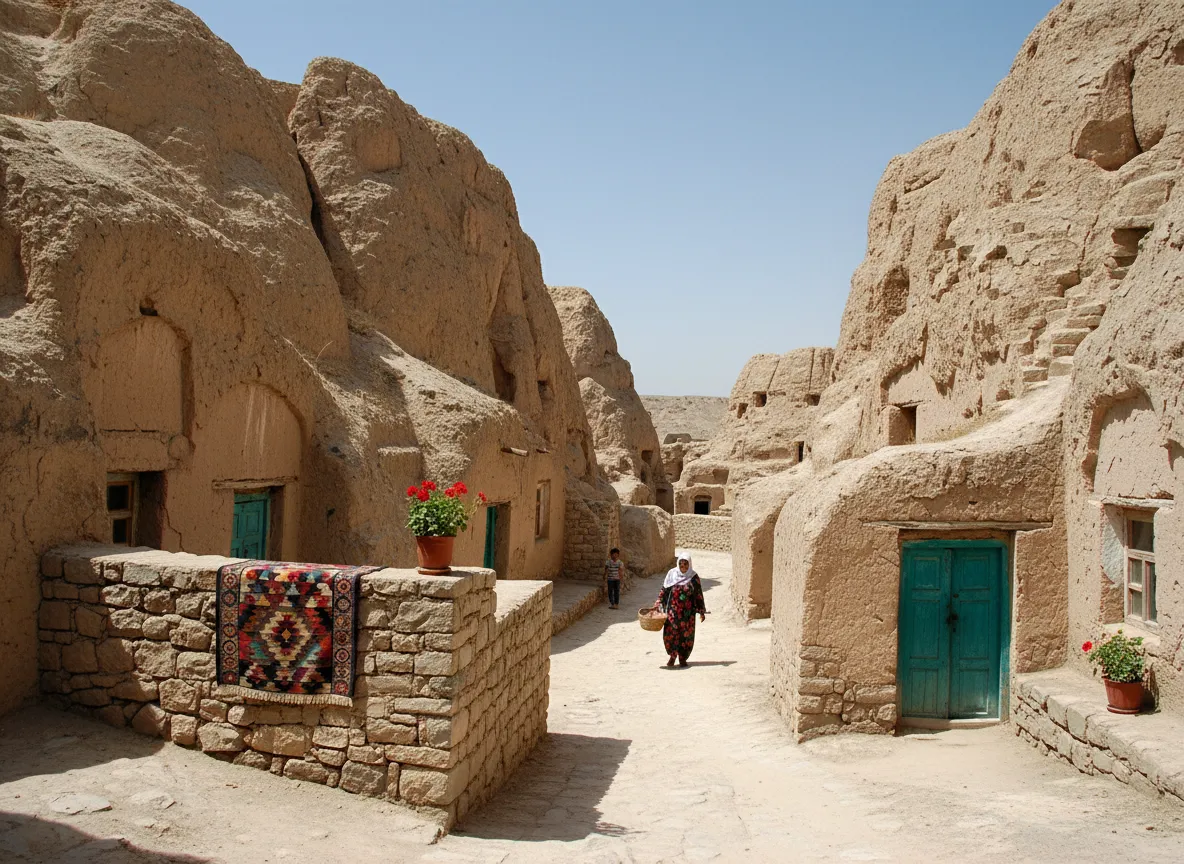
But the true magic of Nushkhara lies in its people. Engage with the locals. Many families offer simple guesthouse accommodations, providing an authentic taste of Uzbek hospitality. You might be invited for a cup of tea, witness traditional bread baking in a tandoor oven, or simply observe the rhythm of village life: children herding sheep, women fetching water, men gathered for conversation. These interactions are invaluable, offering insights into a culture that has meticulously preserved its customs amidst the sands of time.
Look for the intricate details: ancient pottery shards embedded in modern walls, unique architectural features that blend seamlessly into newer constructions, and the sheer ingenuity with which residents have adapted their homes to the existing ancient structures. It's a living archaeological site where every stone has a story, and every resident is a custodian of a unique heritage.
Planning Your Journey to Nushkhara: Practical Tips
Venturing to Nushkhara is an adventure, but a rewarding one. Here’s what you need to know:
-
Getting There: Nushkhara is essentially the village *within* Nurata town. Nurata is accessible by shared taxi or private transfer from major cities like Samarkand (approx. 2-3 hours) or Bukhara (approx. 3-4 hours). It's often combined with a trip to the nearby Aydarkul Lake and a desert yurt camp experience, making for a fantastic multi-day excursion into the heart of rural Uzbekistan.
-
Accommodation: Don't expect luxury hotels. Nushkhara offers charming, traditional guesthouses. These are typically family-run, providing comfortable, simple rooms, delicious home-cooked meals, and an authentic cultural experience. Booking in advance, especially through a local tour operator or directly with guesthouse owners (often found via online travel forums or local recommendations), is advisable.
-
Best Time to Visit: Spring (April-May) and Autumn (September-October) offer the most pleasant weather for exploring. Summers can be intensely hot, and winters can be cold, though the snowy landscapes can be beautiful for those prepared.
-
What to Bring: Comfortable walking shoes are essential for navigating the uneven terrain and ancient paths. Sun protection (hat, sunscreen), plenty of water, and modest clothing (especially for visiting religious sites) are highly recommended. A good camera is a must for capturing the unique beauty.
-
Respect Local Culture: Uzbekistan is a predominantly Muslim country with strong traditions. Dress modestly, especially when visiting mosques or interacting with elders. Always ask permission before taking photos of people. A few basic Uzbek or Russian phrases will go a long way in fostering goodwill.
-
Guides: While you can explore independently, hiring a local guide can significantly enrich your experience. They can share fascinating stories, help you navigate, and facilitate interactions with residents, unlocking deeper insights into Nushkhara's history and culture.
Nushkhara is more than just a destination; it's a journey back in time, a living museum where the past is not a relic but a vibrant, integral part of the present. It challenges our perceptions of history and community, reminding us that some of the most profound travel experiences are found not in grand monuments, but in the quiet corners where life has simply continued, generation after generation, within the timeless embrace of ancient walls. So, if you're ready to step off the well-trodden path and discover a place where history isn't just observed but truly lived, Nushkhara awaits.
Essential Travel Information
- Location Nushkhara (Ancient Nurata Fortress Village), Uzbekistan
- Best Time Spring (April-May) and Autumn (September-October)
- Getting There From Samarkand or Bukhara, take a shared taxi or private transfer to Nurata town. Nushkhara is the village within Nurata.
- Airport Samarkand International Airport (SKD)
- Budget Mid-range (approx. $60-100 USD/day including accommodation, food, local transport)
- Language Uzbek, Russian
Find Places to Stay Near Nushkhara (Ancient Nurata Fortress Village)
Compare hotels, hostels, and unique stays in Uzbekistan.
Search AccommodationTours & Experiences Near Nushkhara (Ancient Nurata Fortress Village)
Book guided tours, day trips, and unique experiences.
Browse Tours