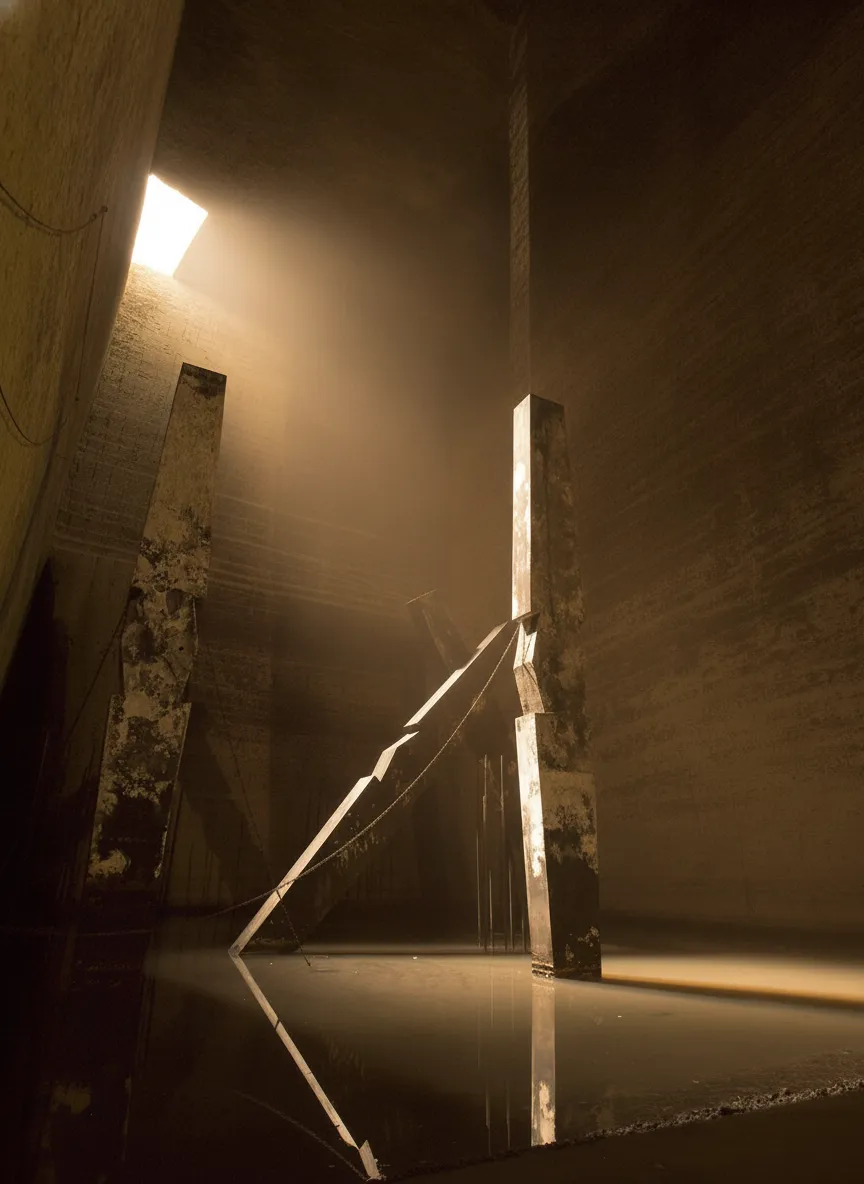
For nearly a century, this monumental site was the beating heart of Oya Stone extraction, a relentless endeavor that transformed solid rock into a 20,000-square-meter subterranean labyrinth. What remains is an awe-inspiring testament to human ingenuity and the sheer scale of industrial ambition: towering columns reaching towards unseen ceilings, dramatic open spaces that echo with history, and depths plunging over 60 meters below the surface. Today, this astonishing 'accidental architecture' has been reborn, serving as a chillingly beautiful museum, an atmospheric event venue, and even a dramatic film set, offering a glimpse into a forgotten industrial past transformed into an otherworldly wonder.
The Colossal Canvas Beneath Oya
What makes the Oya History Museum and Underground Quarry so uniquely special isn't just its immense size, but the sheer artistry born from necessity. As you descend into its cool, quiet depths, you're not just entering a hole in the ground; you're stepping into a masterpiece of negative space. The quarrymen, with their picks, chisels, and eventually, their machines, weren't intentionally creating art, yet the result is nothing short of architectural genius.
The scale is truly what takes your breath away. Picture grand halls stretching beyond the reach of your flashlight, supported by massive, naturally formed pillars of rock. Each cut, each excavated block of Oya Stone, contributed to the cavern's evolving form, leaving behind a landscape that feels both organic and meticulously planned. The interplay of light and shadow, often enhanced by subtle illumination within the museum, creates an ever-changing spectacle. One moment, you might feel like you're in a forgotten temple; the next, an alien landscape from a science fiction film. It’s an experience that engages all your senses, from the cool, damp air to the profound silence punctuated only by your own footsteps.
This isn't merely a static display; the Oya Underground Quarry is a living, breathing space. Its unique acoustics and stable cool temperatures (around 8-12°C year-round) make it an incredibly sought-after venue for concerts, art exhibitions, fashion shows, and even wedding receptions. Imagine the unforgettable atmosphere of a live performance or an art installation set against these dramatic, ancient walls. It’s a place where history, industry, and contemporary culture collide in the most spectacular fashion.
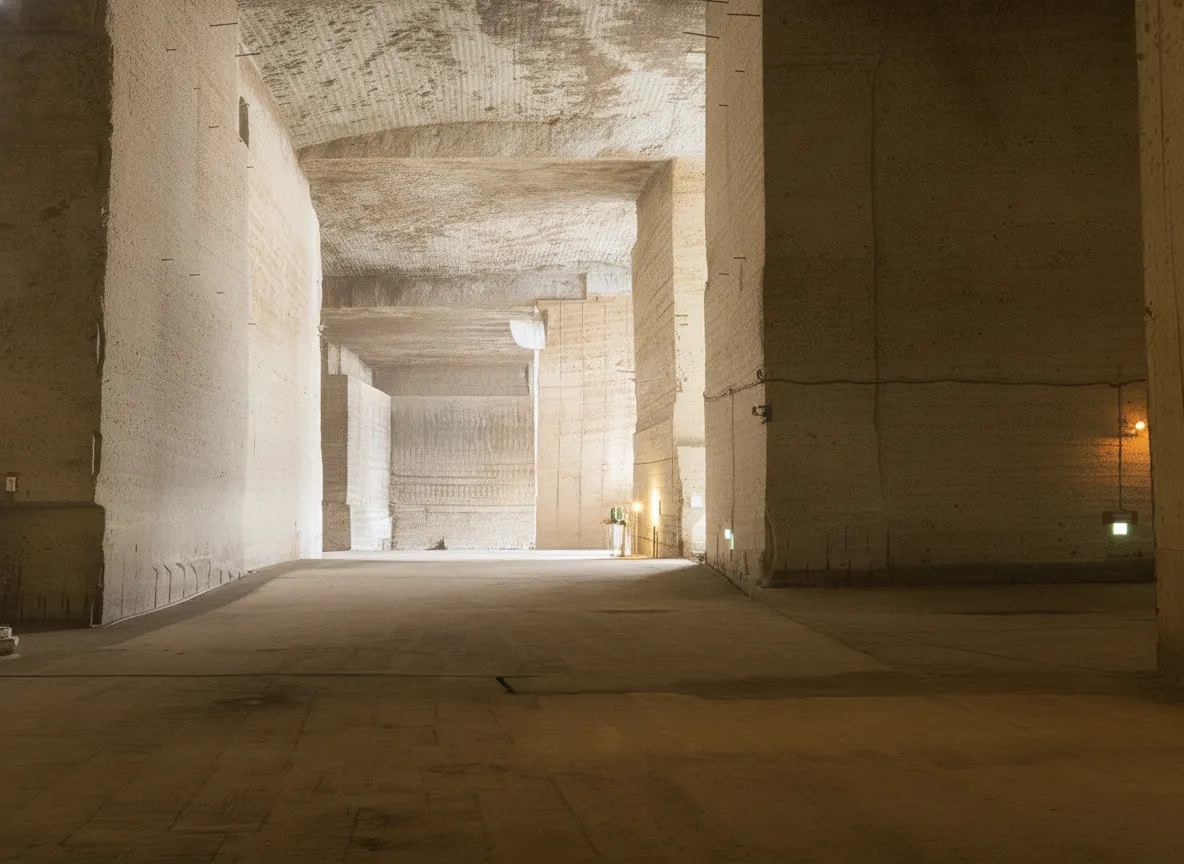
A Century of Stone: The History of Oya Quarry
The story of the Oya Underground Quarry is inextricably linked to Oya Stone itself. This unique volcanic tuff, characterized by its distinctive texture and light grey-green hue, has been prized for centuries. It's lightweight, easy to carve, and remarkably resistant to fire, making it an ideal building material. Its history dates back to the Edo period, but it was in the late 19th and early 20th centuries that the quarrying here truly boomed, fueled by Japan's rapid modernization.
For generations, the people of Oya dedicated their lives to extracting this precious stone. In the early days, the work was grueling, manual labor, with quarrymen using hand tools to painstakingly chip away at the rock face. You can almost feel the echoes of their toil as you walk through the chambers, imagining the sweat and dedication required to carve such immense spaces. Later, more advanced machinery was introduced, transforming the methods but not diminishing the sheer scale of the undertaking. Oya Stone found its way into numerous iconic buildings across Japan, including parts of the Imperial Hotel in Tokyo, designed by Frank Lloyd Wright, and various banks and public structures, leaving an indelible mark on Japanese architecture.
The quarry continued operations until 1986, when new regulations and changing building material preferences led to its closure. Rather than letting this monumental site fade into obscurity, the local community recognized its profound historical and architectural significance. Thus, the Oya History Museum was established, preserving this incredible industrial heritage and transforming it into an accessible wonder for the world to explore. It's a powerful narrative of human endeavor, geological marvel, and the remarkable transformation of function into art.
Stepping into the Subterranean Labyrinth: What to See
Your journey into the Oya Underground Quarry begins at the surface, where a modern entrance facility belies the ancient grandeur below. As you descend, the temperature noticeably drops, a refreshing contrast to the outside world, setting the stage for the otherworldly experience that awaits. The main exhibition hall is where you’ll start, a vast space that immediately immerses you in the sheer scale of the quarry.
The museum section thoughtfully guides you through the history of Oya Stone and the quarrying process. You'll see original tools, old machinery, and informative displays detailing the evolution of extraction techniques, from rudimentary hand tools to more sophisticated cutting machines. Photographs and historical accounts bring the lives of the quarrymen to life, giving you a deeper appreciation for the human element behind this colossal undertaking.
But the true magic lies in the deeper sections. Wander through dimly lit corridors that open into vast, cathedral-like chambers. Dramatic lighting installations highlight the texture of the stone, casting long, ethereal shadows and creating an atmosphere that is both solemn and inspiring. You might encounter contemporary art installations that cleverly interact with the ancient walls, or even catch a glimpse of a film crew at work, as the quarry's unique aesthetic makes it a popular backdrop for movies, music videos, and commercials.
Don't miss the "Chapel" area, a particularly striking chamber often used for events, and the various smaller "rooms" that branch off the main paths, each with its own character and story. The museum also features a small shop where you can find souvenirs made from Oya Stone, a perfect memento of your extraordinary visit. Take your time, let your imagination roam, and allow yourself to be completely absorbed by this incredible subterranean world.
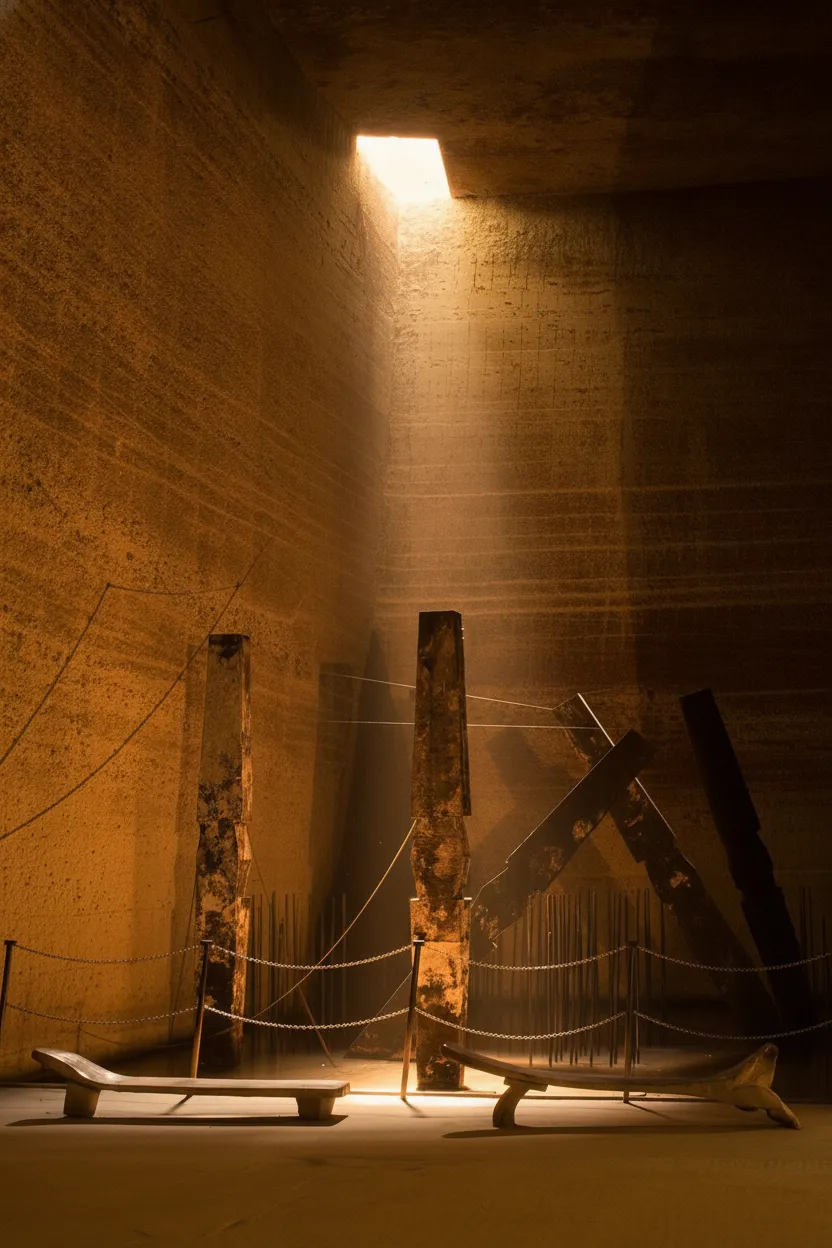
Beyond the Quarry: Exploring Oya and Tochigi
While the Oya History Museum and Underground Quarry is undoubtedly the star attraction, the surrounding Oya area and the wider Tochigi Prefecture offer plenty more to explore. Oya itself is a quaint town with a few charming cafes and local craft shops. You can find several smaller structures and walls made of Oya Stone, offering a tangible connection to the material's local heritage. For those interested in a deeper dive into Japanese culture, Utsunomiya, the capital city of Tochigi and the main transportation hub, is famous for its gyoza (dumplings), offering a delicious culinary detour after your underground adventure. Tochigi Prefecture also boasts beautiful natural landscapes, historic temples, and hot springs, making it an excellent destination for a multi-day trip beyond just the quarry.
Planning Your Descent: Practical Tips for Visiting Oya
Ready to explore this incredible underground city? Here's what you need to know to make your visit seamless:
- Getting There: The Oya History Museum and Underground Quarry is located in Utsunomiya City, Tochigi Prefecture. From Tokyo, take the Tohoku Shinkansen (bullet train) to Utsunomiya Station (approx. 50 minutes). From Utsunomiya Station, you can take a local bus (Oya-Kannon-mae line, about 30 minutes) or a taxi (about 20 minutes) directly to the museum.
- Best Time to Visit: The underground temperature remains a stable 8-12°C (46-54°F) year-round, making it a comfortable visit regardless of the season. However, spring (April-May) and autumn (October-November) offer the most pleasant weather for travel to and from the site and for exploring the surrounding Tochigi Prefecture.
- What to Wear: Even in summer, the quarry is quite cool, so bring a jacket or sweater. Comfortable walking shoes are also a must, as you’ll be doing a fair bit of exploring on uneven surfaces.
- Admission: There is an entrance fee, which is very reasonable for the experience. Check their official website for the most current pricing and opening hours, as these can vary.
- Facilities: The museum has restrooms, a souvenir shop, and usually a small cafe or vending machines. There are also a few local eateries and cafes in the Oya area.
- Photography: Photography is generally allowed and encouraged, but be mindful of any specific restrictions, especially during events. The dramatic lighting makes for incredible photo opportunities!
The Oya History Museum and Underground Quarry is more than just a historical site; it’s an immersive experience that challenges your perceptions of space, industry, and beauty. It’s a testament to human endeavor and the unexpected artistry that can emerge from sheer utility. If you're looking for a truly unique adventure, a hidden gem that will leave you utterly spellbound, then make your way to Tochigi Prefecture and prepare to descend into the magnificent, otherworldly depths of Oya.
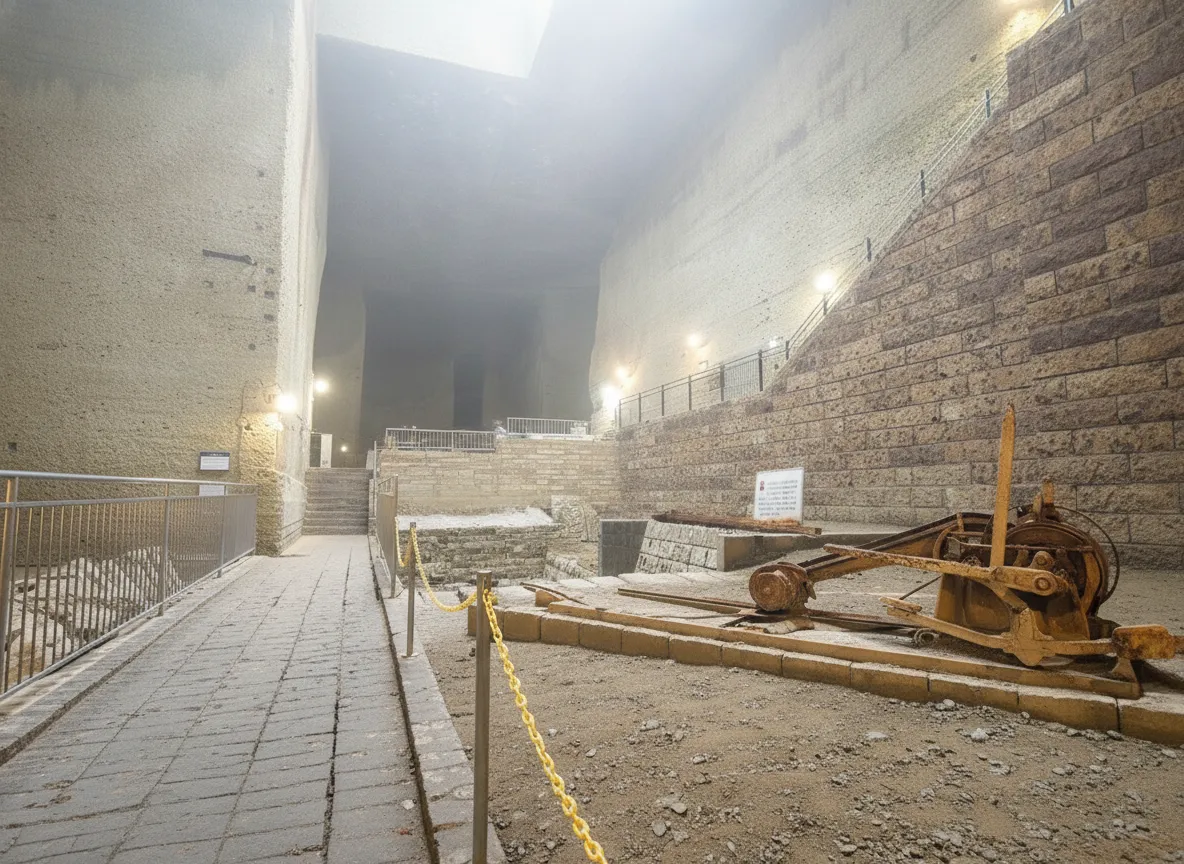
Essential Travel Information
- Location Oya History Museum and Underground Quarry, Japan
- Best Time Year-round (stable 8-12°C underground); Spring (Apr-May) and Autumn (Oct-Nov) for surface travel.
- Getting There From Tokyo, Shinkansen to Utsunomiya Station, then local bus or taxi to the museum.
- Airport Narita International Airport (NRT), Haneda Airport (HND)
- Budget Mid-range (approx. 8,000-15,000 JPY/day including transport and entry for a day trip from Tokyo)
- Language Japanese
Find Places to Stay Near Oya History Museum and Underground Quarry
Compare hotels, hostels, and unique stays in Japan.
Search AccommodationTours & Experiences Near Oya History Museum and Underground Quarry
Book guided tours, day trips, and unique experiences.
Browse Tours