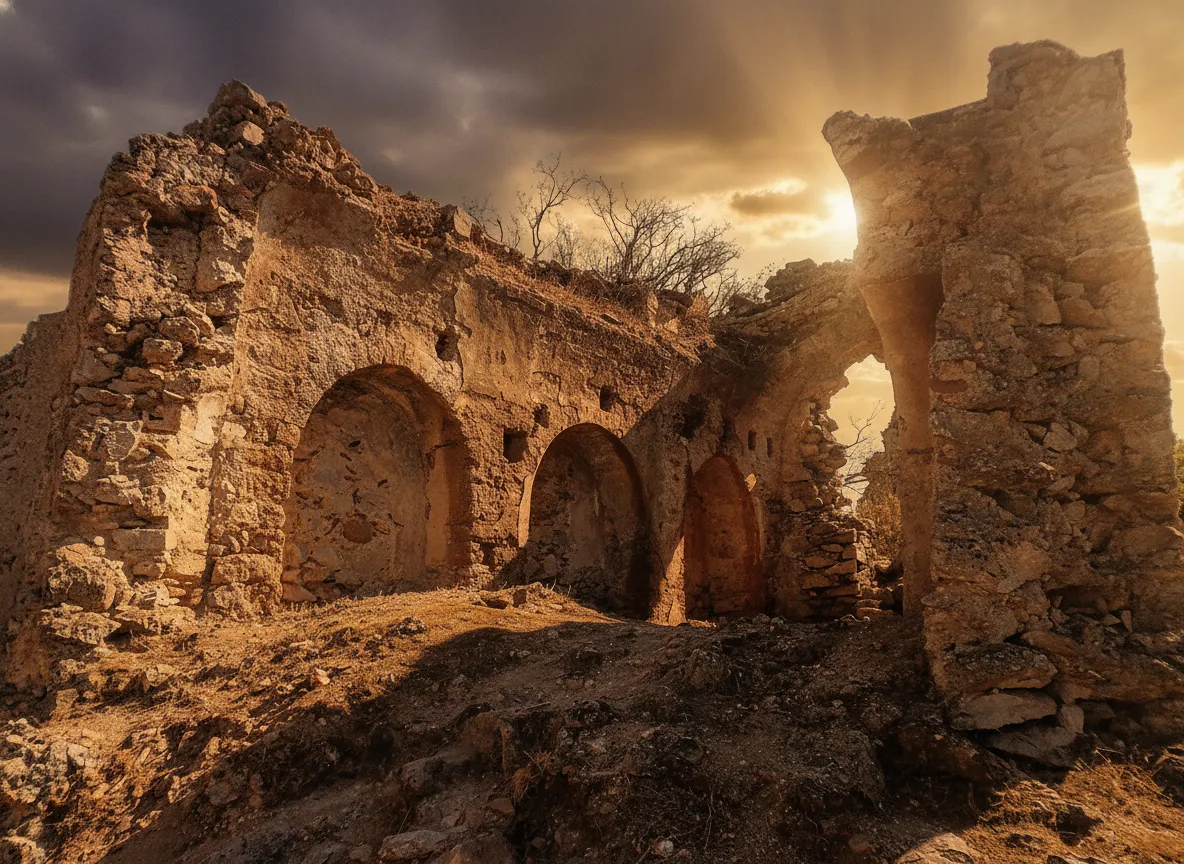
Imagine a city built not for beauty, but for survival. Tucked deep within the dramatic folds of a rugged gorge, invisible from the sea, Palaiochora was a strategic masterpiece, a refuge for those fleeing relentless pirate raids on the coasts of Kythira. Today, as you navigate the winding paths through its overgrown remains, you'll feel the palpable presence of its former inhabitants, their lives and their tragic end etched into every crumbling stone. This isn't just a collection of ruins; it’s a living, breathing museum of resilience, destruction, and nature’s slow, persistent reclamation.
The Whispers of a Lost Empire: What Makes Palaiochora Unforgettable?
What sets Palaiochora apart from countless other historical sites in Greece? It’s the raw, untamed authenticity of it all. Unlike meticulously restored archaeological parks, Palaiochora remains largely untouched since its demise. There are no gift shops, no guided tours, no barriers. Just you, the rugged landscape, and the profound silence broken only by the rustling of the wind through ancient stones. This is not a place you simply visit; it’s a place you experience, a journey into the heart of a forgotten world.
The sheer scale of the abandonment is staggering. Hundreds of structures, from humble dwellings to grand churches, cling to the steep slopes of the gorge, creating a labyrinthine cityscape that slowly reveals itself as you explore. Each turn offers a new vista, a new perspective on the ingenuity of its builders and the ferocity of its destroyers. It’s a powerful reminder of how quickly civilizations can rise and fall, how fleeting human endeavors can be in the face of nature and human cruelty.
For history buffs, adventurers, and those seeking something truly off the beaten path, Palaiochora is an unparalleled treasure. It offers a unique blend of archaeological wonder, dramatic natural beauty, and a chilling sense of historical immersion. It’s a place that asks you to slow down, to observe, to imagine, and to truly connect with the stories held within its ancient walls. It’s a stark contrast to the vibrant, bustling beaches Kythira is also known for, offering a different, deeper kind of beauty – one born of tragedy and time.
Barbarossa's Shadow: A Brutal History Etched in Stone
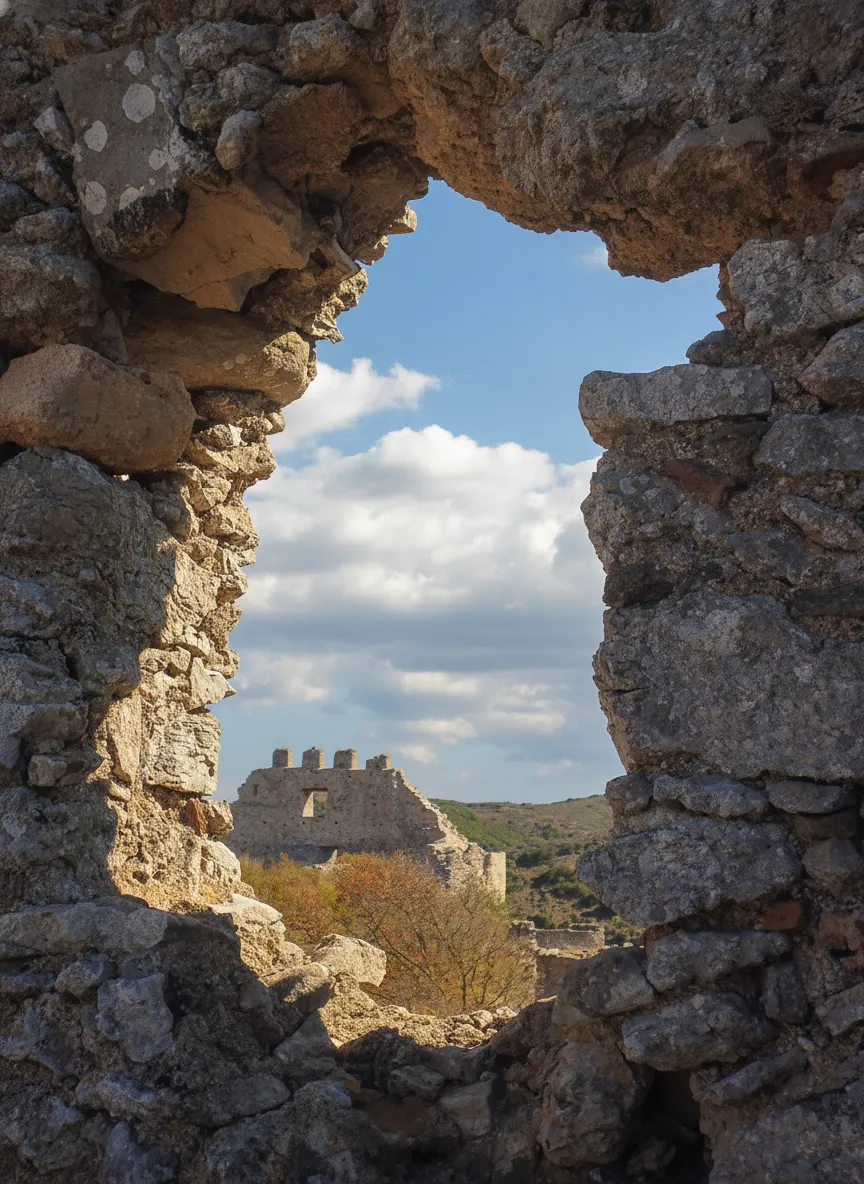
The story of Palaiochora is one of both ingenuity and immense tragedy. Founded in the 12th century, during the Byzantine era, it was originally known as Agios Dimitrios. Its location, hidden within a deep gorge and invisible from the sea, was a deliberate choice, offering protection from the relentless pirate raids that plagued the Aegean during the medieval period. This strategic position allowed it to flourish, becoming the capital of Kythira and a vibrant hub of economic and religious life. Its population swelled, and hundreds of churches were built, each a testament to the fervent faith of its inhabitants.
Life in Palaiochora was likely a delicate balance of prosperity and vigilance. The city's defenses, while formidable, were not impenetrable. The surrounding cliffs and a well-fortified acropolis (Kastro) offered security, but the threat from the sea was ever-present. For centuries, the city thrived, its people living out their lives in relative peace, building, trading, and worshipping in their multitude of churches.
Then, in the summer of 1537, disaster struck. The infamous Ottoman admiral Hayreddin Barbarossa, a pirate of legendary cruelty and cunning, descended upon Kythira. His fleet, a formidable force, bypassed the coastal settlements and, guided by local traitors, found the hidden city. What followed was a massacre. Palaiochora was brutally sacked, its inhabitants either murdered in cold blood or dragged into slavery, never to return. The city was then set ablaze, leaving behind a smoldering ruin. The once-thriving capital was utterly obliterated, a stark warning to any who dared defy the Ottoman power. From that day forward, Palaiochora remained abandoned, a ghost city left to crumble, its name changing to "Palaiochora" – "the old town" – a permanent epitaph to its violent end.
Exploring the Echoes: What You'll Discover Amidst the Ruins
A visit to Palaiochora is an adventure for the senses and the soul. As you approach, the landscape itself begins to tell the story. The road dwindles to a track, and the sheer scale of the gorge opens up before you. The first glimpse of the ruins, blending almost seamlessly with the rock and vegetation, is breathtaking. You’ll feel an immediate sense of wonder, mixed with a profound respect for the history that unfolded here.
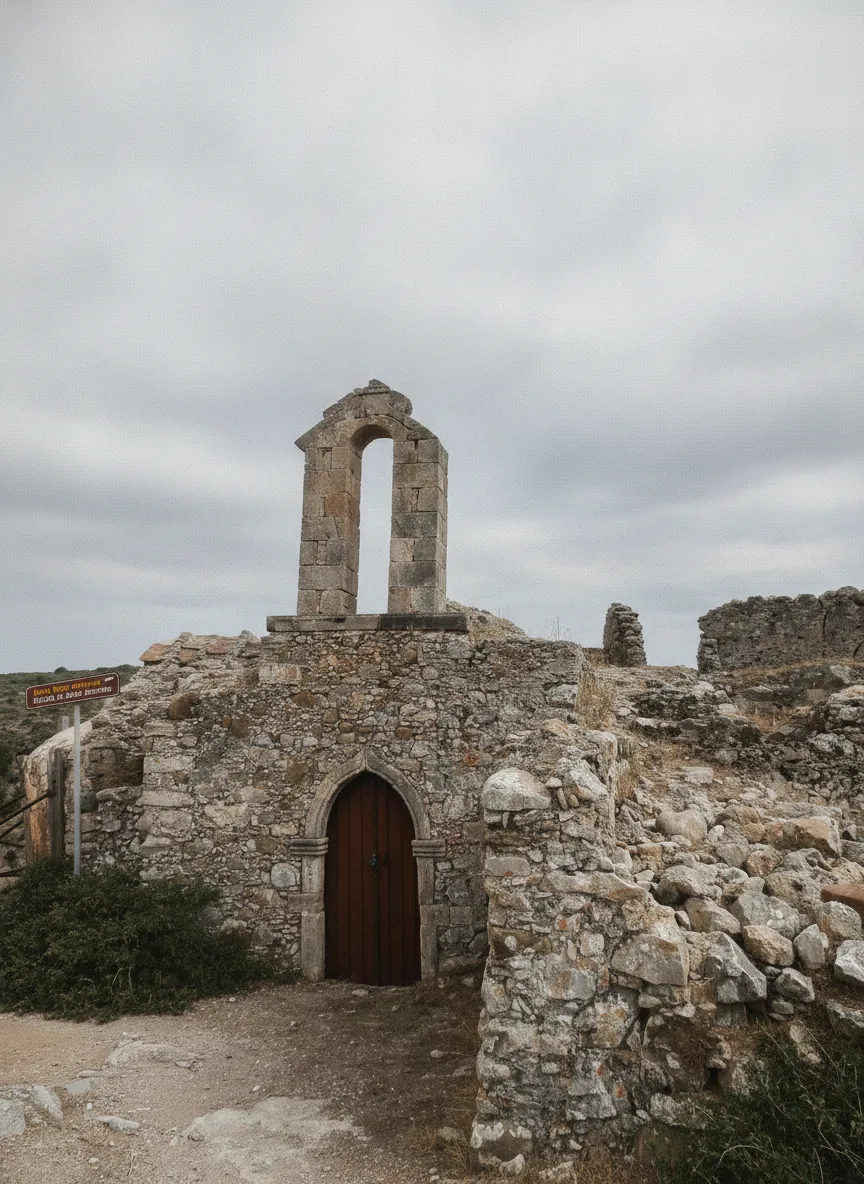
The most striking feature of Palaiochora is undoubtedly its churches. Estimates suggest there were once over 300, a staggering number for a city of its size. Today, many are reduced to foundations, but numerous still stand, some remarkably preserved despite centuries of neglect. Wander through them, and you might discover faded frescoes clinging to the walls, offering a rare glimpse into the artistry and devotion of the Byzantine era. The Church of Agia Varvara, with its surviving dome, and the Church of Agios Petros, are particularly notable for their architectural resilience.
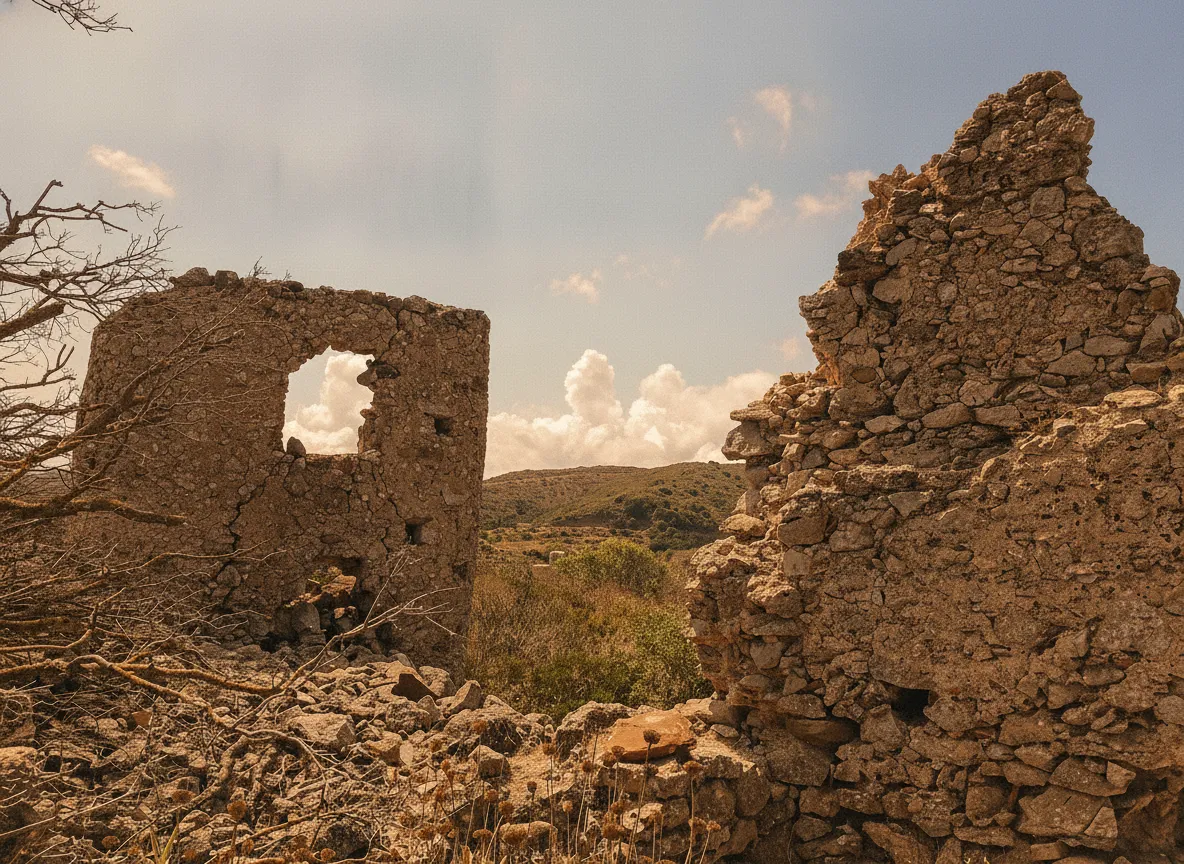
Beyond the churches, you can discern the outlines of houses, cisterns, and workshops. Imagine the daily life that once bustled within these now-silent walls: families going about their chores, merchants trading goods, children playing in the narrow alleys. Climb to the remnants of the Kastro, the fortified acropolis at the highest point, for panoramic views across the entire site and down the dramatic gorge. From here, you can truly appreciate the strategic genius of its location, and the sheer tragedy of its fall.
Nature has slowly reclaimed much of the city. Wild herbs scent the air, and resilient plants grow through cracks in the stone, creating a unique ecosystem where history and wilderness intertwine. The quiet is profound, punctuated only by the chirping of cicadas or the distant bleating of goats. It’s an ideal place for reflection, photography, and simply soaking in the atmosphere of a truly unique historical site.
Your Journey to the Ghost City: Practical Tips for Visiting Palaiochora
Palaiochora is a hidden gem for a reason – it requires a bit of effort to reach, and that’s part of its charm. This isn't a casual stroll; it's an adventure. Here’s how to make the most of your visit:
- Getting There: Kythira itself is accessible by ferry from the Peloponnese (Neapoli) or Crete (Kastelli-Kissamos), and by domestic flights from Athens. To reach Palaiochora, you’ll definitely need to rent a car on the island. The roads leading to the site are unpaved, winding, and can be rough in places, so a sturdy vehicle is recommended. Follow signs towards "Palaiochora" or "Agios Dimitrios" from the central part of the island, typically via Potamos or Aroniadika.
- Footwear is Key: Once you park your car, you'll be exploring on foot. The terrain is uneven, rocky, and often overgrown. Sturdy hiking shoes with good ankle support are essential. Leave the flip-flops at your hotel.
- Be Prepared: There are no facilities at Palaiochora – no water, no restrooms, no shade. Bring plenty of water, snacks, a hat, and high-SPF sunscreen, especially during the warmer months. A small first-aid kit is also a good idea.
- Best Time to Visit: Spring (April-May) and Autumn (September-October) offer the most pleasant temperatures for hiking and exploration. The wildflowers in spring are an added bonus, and the light is often beautiful for photography. Summer can be very hot, so if you visit then, go early in the morning.
- Navigation: While there are some informal paths, the site can be confusing to navigate. A good map or a GPS app on your phone can be helpful. There are no official guides, so do some research beforehand to understand the layout and key points of interest.
- Respect the Site: Palaiochora is a fragile historical site. Do not remove any artifacts, do not climb on unstable structures, and leave no trace of your visit. Take only photographs, leave only footprints.
- Allow Time: Don't rush your visit. To truly absorb the atmosphere and explore the various sections, allow at least 2-3 hours.
Palaiochora isn't just a destination; it's a journey into the heart of Kythira's dramatic past. It’s a place that challenges your perceptions of beauty and history, leaving you with a profound sense of awe and a deeper appreciation for the stories that lie hidden in the forgotten corners of our world. If you're seeking an experience that transcends the ordinary, one that will resonate long after you've left, then the ghost city of Palaiochora awaits your discovery.
Essential Travel Information
- Location Palaiochora, Kythira, Greece
- Best Time April-May (Spring) or September-October (Autumn)
- Getting There Fly to Kythira (KIT) or take a ferry from Neapoli or Kastelli-Kissamos. Rent a car to drive to Palaiochora, roads are unpaved/rough.
- Airport Kythira Island National Airport (KIT)
- Budget Mid-range (approx. €80-€150 per day, excluding car rental)
- Language Greek
Find Places to Stay Near Palaiochora, Kythira
Compare hotels, hostels, and unique stays in Greece.
Search AccommodationTours & Experiences Near Palaiochora, Kythira
Book guided tours, day trips, and unique experiences.
Browse Tours