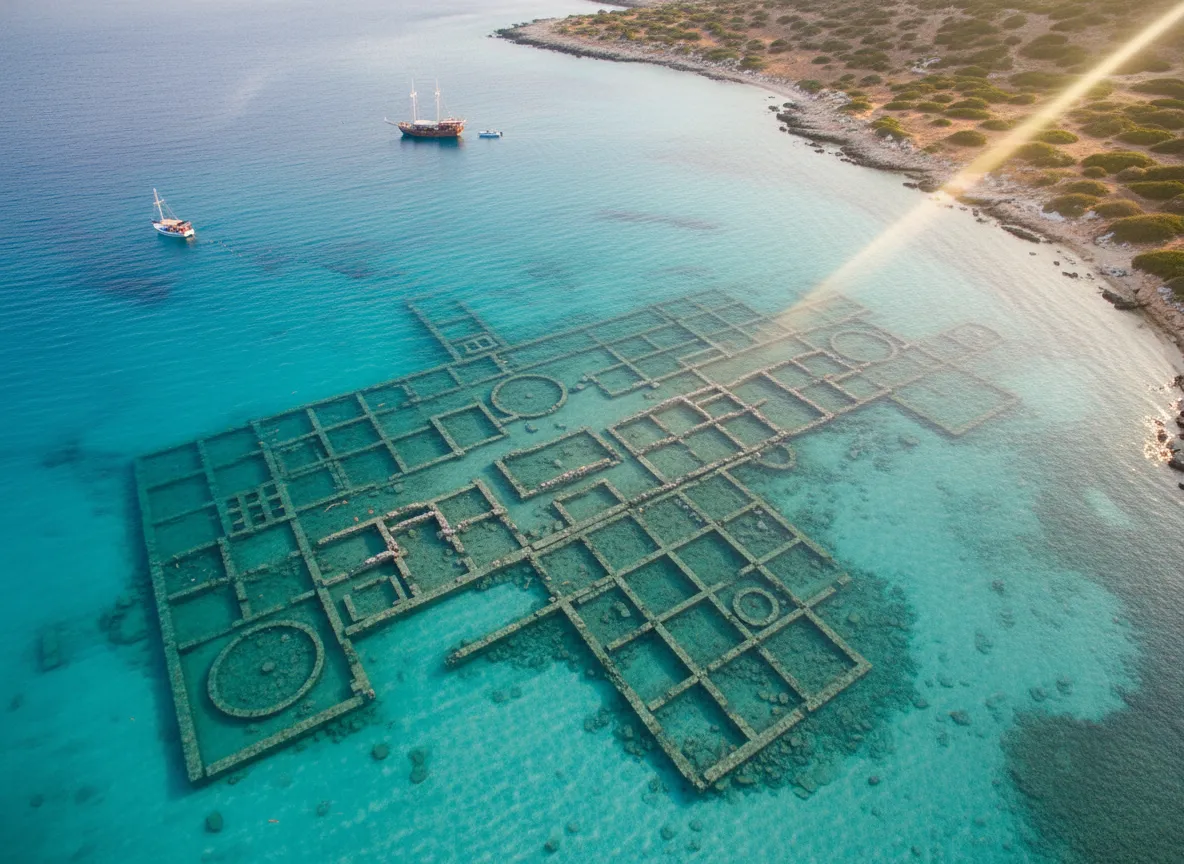
Imagine diving into the crystal-clear waters of the Aegean Sea, not to admire vibrant coral or exotic fish, but to swim above the meticulously preserved streets and buildings of a city older than any other known submerged settlement. This isn't a scene from an Indiana Jones movie; it's the breathtaking reality of Pavlopetri, Greece. Hidden just a few meters beneath the waves off the coast of Lakonia in the Peloponnese, lies a 5,000-year-old Bronze Age city, a true underwater time capsule waiting to be explored. Forget dusty museum exhibits – here, history is alive, shimmering beneath the surface, offering an unprecedented glimpse into a sophisticated civilization that thrived long before it was swallowed by the sea.
What Makes Pavlopetri So Special?
Pavlopetri isn't just a collection of scattered ruins; it's an entire, fully planned city frozen in time. Discovered in 1967 and extensively mapped in recent years using advanced underwater archaeology techniques, it dates back to at least 3000 BC, making it the oldest known submerged city in the world. Think about that for a moment: this city was flourishing during the early Bronze Age, contemporary with the rise of ancient Egypt and before the Minoans built their grand palaces on Crete. It predates many of the iconic ancient sites we revere today, yet it remains largely unknown to the wider world.
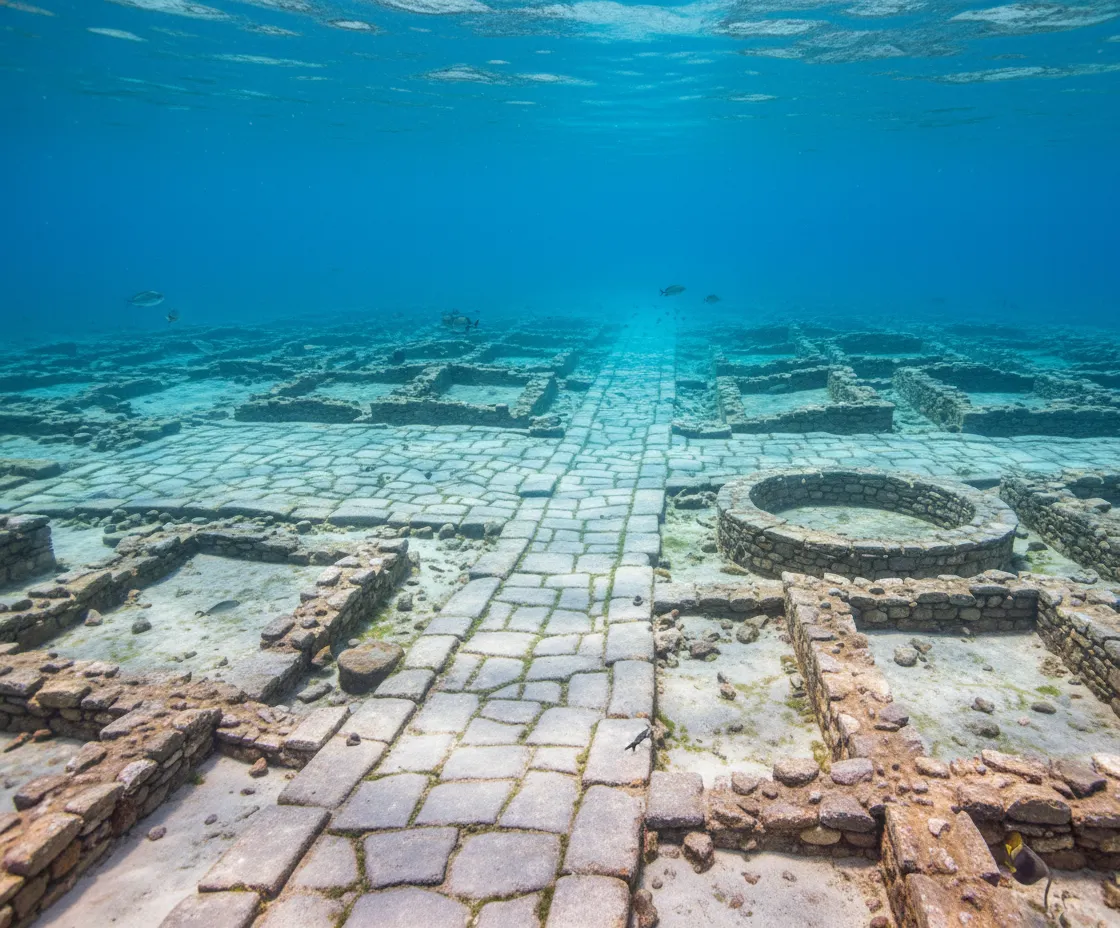
What truly sets Pavlopetri apart is its incredible state of preservation. The gentle embrace of the sea has protected its foundations from the ravages of time and human development. You can clearly discern the layout of streets, multi-roomed buildings, courtyards, and even what appear to be workshops and tombs. It’s like looking at an ancient city plan come to life, but instead of walking its streets, you're swimming above them. This unique window into daily life – trade, architecture, social structure – of a prehistoric community offers archaeologists and visitors alike an unparalleled opportunity to connect with a lost world.
A Glimpse into a Lost Bronze Age Civilization
The story of Pavlopetri begins in the early Bronze Age, roughly 5,000 years ago. This was a period of significant cultural and technological advancement in the Aegean. While we don't know the original name of the city, its size and sophisticated layout suggest it was a thriving hub, likely involved in maritime trade. Its strategic location, close to the island of Elafonisos and the mainland, would have made it a crucial port for goods moving between the Peloponnese, Crete, and potentially even further afield.
Archaeological findings, including pottery fragments and tools, paint a picture of a people who were skilled craftsmen and active traders. They built sturdy stone structures, organized their community with purpose, and likely had a complex social hierarchy. The sheer scale of the city, estimated to cover over 9 acres, indicates a substantial population for its time.
So, what happened to this flourishing metropolis? The most widely accepted theory points to a series of powerful earthquakes combined with gradual sea-level rise. Geologists believe the coastline in this region has been slowly subsiding for millennia. A catastrophic seismic event, perhaps around 1000 BC, could have caused the land to drop rapidly, submerging the entire city in a relatively short period. This sudden submersion, while tragic for its inhabitants, is precisely what led to its remarkable preservation, shielding it from erosion and subsequent human interference that has altered so many other ancient sites.
For centuries, Pavlopetri lay forgotten, a silent testament to a bygone era, until its rediscovery in 1967 by Nicholas Flemming of the University of Cambridge. Subsequent expeditions, particularly a major collaborative project between the Greek Ephorate of Underwater Antiquities and the University of Nottingham in the early 2010s, have meticulously mapped the site, revealing its full extent and significance. This ongoing work continues to uncover new secrets, piece by piece, from the watery depths.
What You'll See (and Feel) When You Visit
Visiting Pavlopetri is an experience unlike any other. It’s not a museum behind glass; it’s an interactive journey into the past. Because the ruins lie in incredibly shallow water – in some places, just 1-3 meters deep – it's perfectly accessible to snorkelers. You don't need specialized diving equipment or advanced training to witness this marvel.
As you glide over the translucent turquoise waters, the outlines of the ancient city slowly emerge beneath you. It’s an almost surreal moment. You’ll see the clear rectangular foundations of buildings, some with multiple rooms still discernible. Imagine families living in these very structures, cooking, sleeping, and going about their daily lives 5,000 years ago. You can follow the paths of ancient streets, imagining merchants and citizens walking along them. Keep an eye out for the distinct shapes of courtyards and even what appear to be burial chambers.
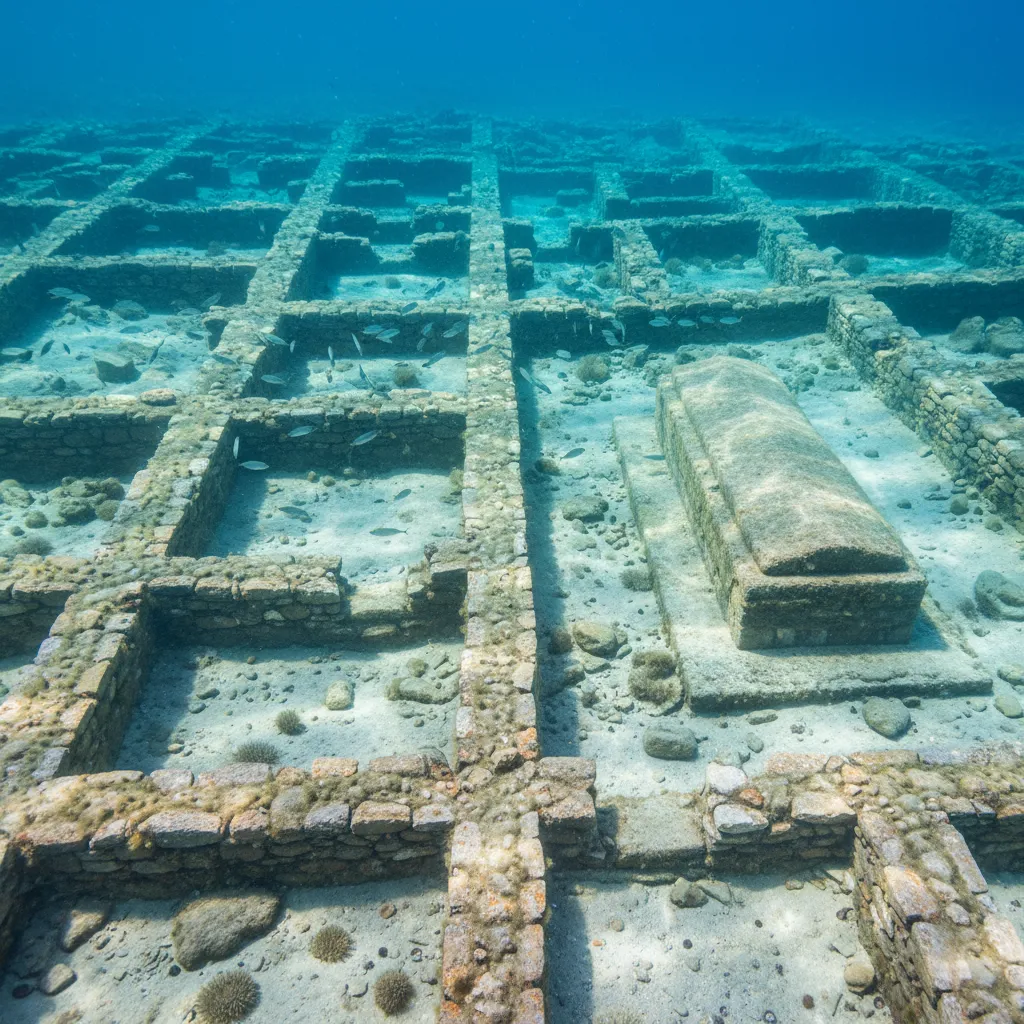
The feeling of swimming above Pavlopetri is profound. It's a quiet, reflective experience. The sunlight filters through the water, illuminating the ancient stones, making them seem to glow. There's a sense of wonder, a connection to a distant past that feels incredibly immediate. You're not just looking at history; you're immersed in it, literally. Schools of fish might dart between the ancient walls, adding a touch of vibrant life to the timeless scene. It’s a truly humbling reminder of the transient nature of human civilization and the enduring power of the sea.
Practical Tips for Your Pavlopetri Adventure
Ready to plan your own dive into history? Here’s what you need to know:
- Getting There: Pavlopetri is located off the coast near the village of Viglafia, in the Lakonia region of the Peloponnese. The easiest way to access the site is by boat, often rented from Viglafia itself, or as part of a tour from nearby towns. Many visitors stay on the charming island of Elafonisos, just a short boat ride away, or in the picturesque mainland town of Gythio, both offering excellent bases for exploration.
- Best Time to Visit: The warmer months, from May to October, are ideal for water activities. The sea is calm, and visibility is excellent. Aim for late spring or early autumn (May-June, September-October) to avoid the peak summer crowds and enjoy milder temperatures.
- What to Bring: Snorkeling gear (mask, snorkel, fins) is essential. A waterproof camera is highly recommended to capture the ethereal beauty of the site. Don't forget sunscreen, a hat, and plenty of water.
- Respect the Site: Pavlopetri is an incredibly fragile and important archaeological site. Always remember to maintain a respectful distance from the ruins. Do not touch, disturb, or remove any artifacts. The goal is to observe and appreciate, ensuring its preservation for future generations.
- Beyond Pavlopetri: The Lakonia region and the island of Elafonisos offer much more to explore. Elafonisos is famous for its stunning beaches, particularly the iconic Simos Beach with its white sands and turquoise waters. Gythio offers a delightful waterfront promenade, fresh seafood, and a relaxed Greek atmosphere. Combining your visit to Pavlopetri with these local gems makes for an unforgettable Greek adventure.
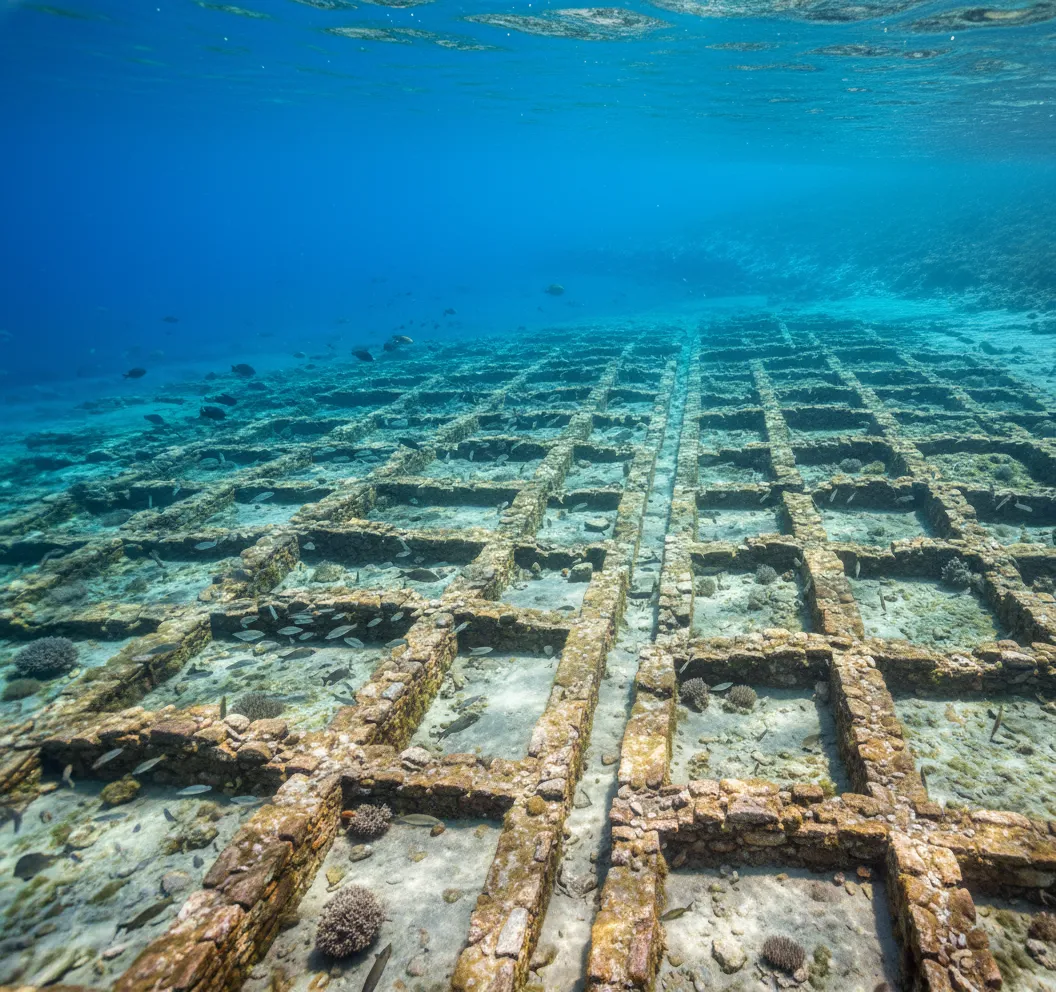
Pavlopetri isn't just a destination; it's an experience that transcends time. It’s a chance to connect with an ancient world in the most intimate way possible, swimming above the ghosts of a civilization that thrived five millennia ago. If you're seeking a truly unique adventure, a hidden gem that promises both wonder and insight, then pack your snorkel and set your sights on the submerged city of Pavlopetri. You won't just see history; you'll swim through it.
Essential Travel Information
- Location Pavlopetri, Greece
- Best Time May-June, September-October (for pleasant weather and fewer crowds); July-August (for warmest waters but peak season)
- Getting There Pavlopetri is located off the coast of Lakonia, Peloponnese. It's best accessed by boat from the nearby village of Viglafia, or by staying in Elafonisos or Gythio and arranging a tour.
- Airport Kalamata International Airport (KLX) or Athens International Airport (ATH) for a longer drive
- Budget Mid-range (approx. €80-€150 per person per day, excluding major tours/flights)
- Language Greek (English widely spoken in tourist areas)
Find Places to Stay Near Pavlopetri
Compare hotels, hostels, and unique stays in Greece.
Search AccommodationTours & Experiences Near Pavlopetri
Book guided tours, day trips, and unique experiences.
Browse Tours