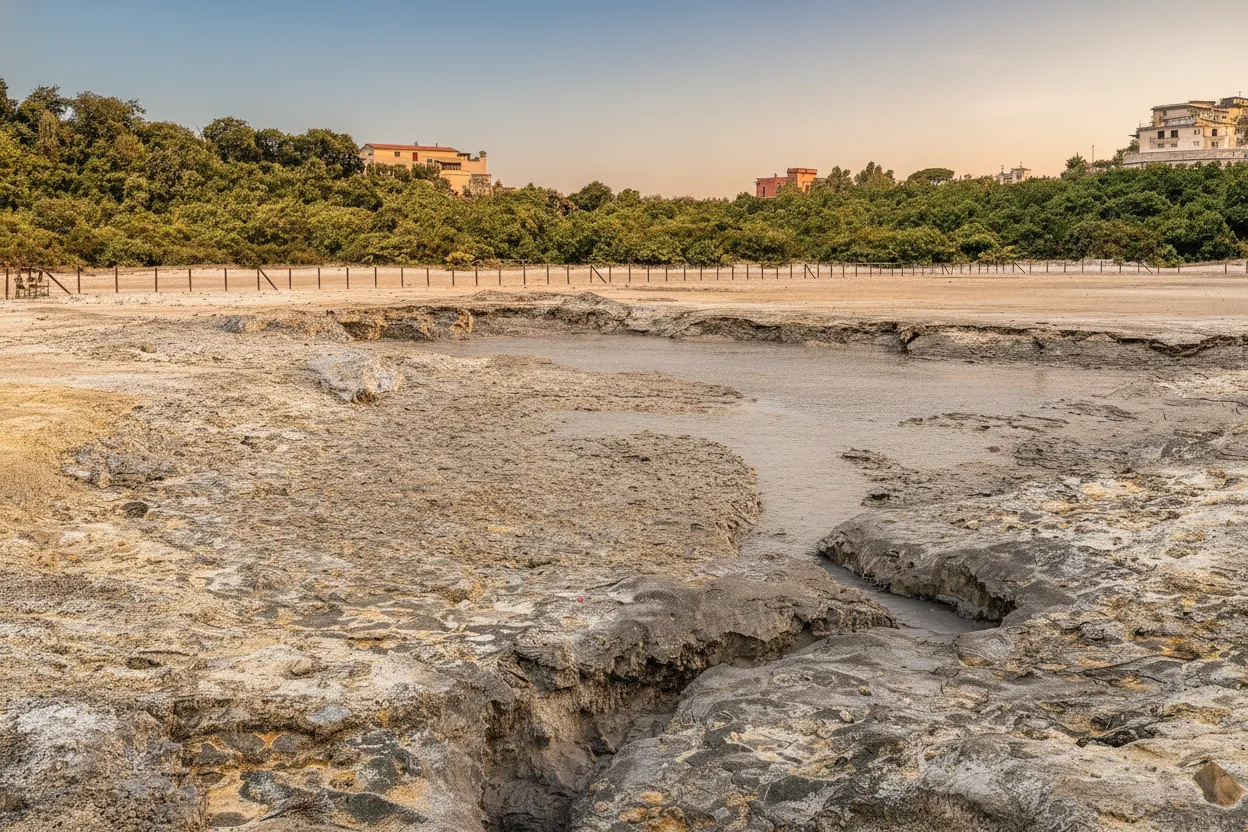
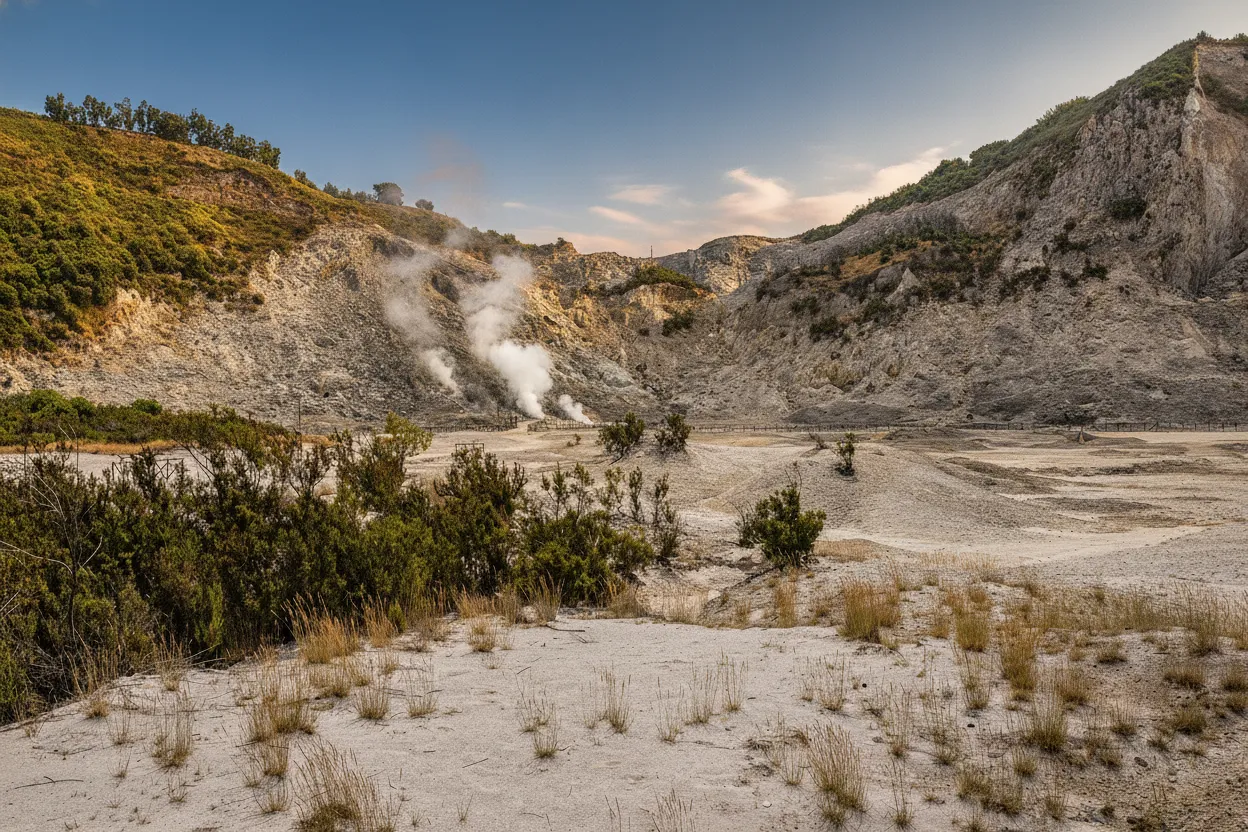
Imagine a city where the very ground beneath your feet breathes, groans, and occasionally sighs with the power of a sleeping giant. Beneath the bustling, sun-drenched streets of Naples, Italy, lies not just a city, but a restless supervolcano, its ancient caldera simmering with an infernal past and a bubbling, fumarolic present. This isn't a scene from a fantasy novel; this is the Phlegraean Fields, or Campi Flegrei – the 'Burning Fields' – a place where myth, history, and geology collide in an extraordinary, awe-inspiring spectacle.
The Restless Heart of Campania: Why Campi Flegrei is Unforgettable
Campi Flegrei isn't a single, conical volcano like its famous neighbor Vesuvius. Instead, it's a vast, sprawling caldera – a sunken basin formed after colossal eruptions – encompassing an area of over 100 square kilometers. Its beauty lies in its deceptive tranquility, a landscape of rolling hills, serene lakes, and picturesque coastal towns that belie the immense power constantly at play beneath the surface. This is a place where the earth itself is alive, constantly shifting, bubbling, and releasing steam, a seismic symphony playing out in slow motion.
What makes Campi Flegrei truly unique is its phenomenon of bradyseism – the slow, cyclical uplifting and subsiding of the ground. Over centuries, entire towns have been raised from the sea only to be swallowed again, leaving behind a haunting legacy of submerged ruins. This constant geological dance has earned it a mythical reputation as the gateway to the underworld, a place where the veil between worlds feels incredibly thin. It's a destination that promises not just stunning scenery, but a profound connection to the raw, untamed forces that shaped our planet and influenced ancient civilizations.
Echoes of Giants: A Journey Through Time and Fire
The history of Campi Flegrei is written in fire and ash. This isn't just an active volcanic area; it's the site of at least two truly colossal eruptions in the last 60,000 years. The Campanian Ignimbrite eruption, roughly 39,000 years ago, was one of the largest explosive events in Europe's history, blanketing vast swathes of the continent in ash and drastically altering global climate. More recently, about 15,000 years ago, the Neapolitan Yellow Tuff eruption further sculpted the caldera, leaving behind the distinctive rock formations seen today.
It was on this volatile, yet fertile, ground that ancient Greeks and later Romans established thriving settlements. They built luxurious villas, bustling market towns, and grand temples, seemingly undeterred by the earth's rumblings. The Romans, in particular, harnessed the area's geothermal energy for their famous baths and even built their naval port at Misenum. They understood, perhaps intuitively, the power of the land and wove it into their myths, believing Lake Avernus to be the entrance to Hades, a place where heroes like Aeneas sought counsel from the dead. Visiting Campi Flegrei today is a journey through these layers of time, where Roman columns emerge from the sea and ancient roads crisscross a landscape still actively forming.
What Awaits You: Exploring the Burning Fields
Prepare for an immersive, sensory experience unlike any other. The Phlegraean Fields offer a fascinating blend of natural wonder and archaeological marvels, all within easy reach of Naples.
Pozzuoli: Where History Floats
Begin your exploration in Pozzuoli, a vibrant port town that perfectly encapsulates the bradyseism phenomenon. Here, you'll find the Macellum of Pozzuoli, often mistakenly called the Temple of Serapis. This ancient Roman market hall features three marble columns dramatically scarred by marine borings up to several meters high, clear evidence of the ground repeatedly sinking below sea level and rising again. It's a living, breathing testament to the earth's movements. Don't miss the colossal Flavian Amphitheater, the third-largest Roman amphitheater in Italy, where gladiators once fought with the steam of the volcanic earth literally beneath their feet. Explore its well-preserved underground passages, imagining the roar of the crowd and the smell of sulfur.
Baia: The Underwater City
Just a short drive or bus ride from Pozzuoli lies Baia (Baiae), once the Las Vegas of ancient Rome. This opulent resort town, beloved by emperors and senators, has largely succumbed to bradyseism and now rests beneath the waves. The Underwater Archaeological Park of Baia offers a truly unique experience: you can snorkel or dive among submerged Roman villas, mosaics, and statues. For those who prefer to stay dry, glass-bottomed boat tours provide a fascinating glimpse into this sunken world. Above ground, the Aragonese Castle of Baia, perched on a promontory, houses the Archaeological Museum of the Phlegraean Fields, showcasing incredible artifacts recovered from both land and sea.
Lake Avernus: Gateway to the Underworld
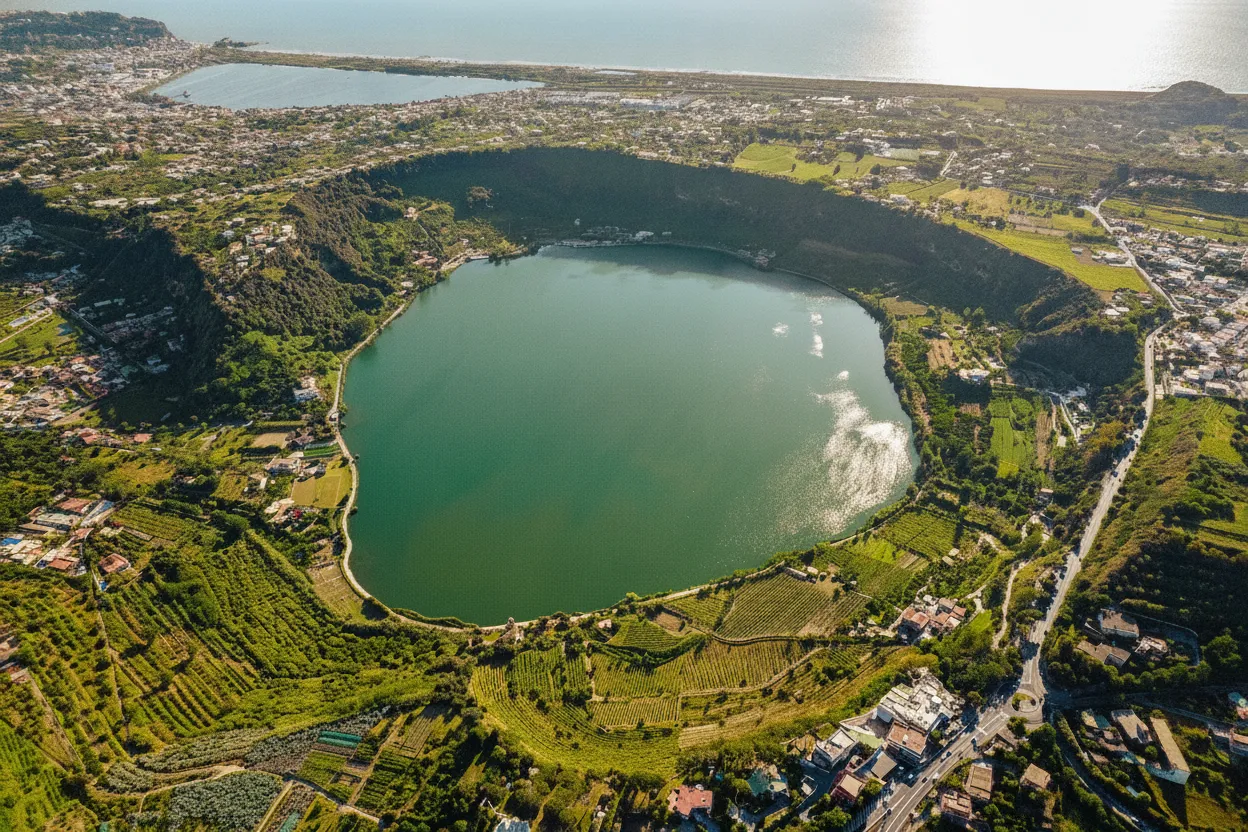
No visit to Campi Flegrei is complete without a stop at Lake Avernus. This tranquil, circular lake, nestled within a volcanic crater, was believed by the ancients to be the entrance to the underworld. Its name, derived from the Greek 'a-ornos' (without birds), hinted at the toxic fumes that once made it inhospitable to avian life. Today, it’s a serene spot for a walk, a picnic, or a rowboat ride, its dark waters reflecting the surrounding lush hills. Explore the 'Grotta di Cocceio' (Cocceius's Cave), an ancient Roman tunnel connecting the lake to Cumae, and imagine the chilling rituals once performed here.
Monte Nuovo: The Youngest Mountain in Europe
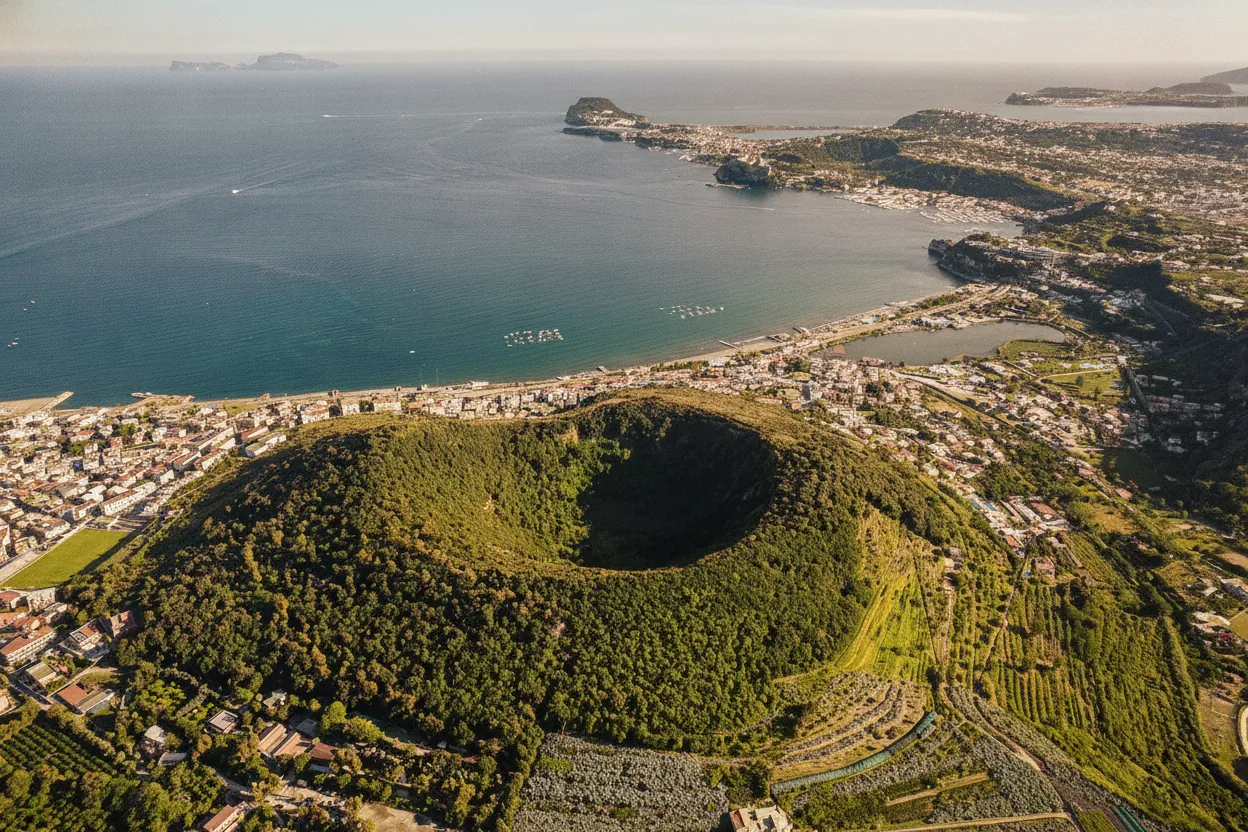
Witness the earth's raw power in action at Monte Nuovo. This small, perfectly conical mountain was formed in just one week during an eruption in 1538, making it Europe's youngest mountain. A relatively easy hike to its summit offers panoramic views of the entire caldera, including Lake Avernus and the Gulf of Pozzuoli, providing a breathtaking perspective on the dynamic landscape.
Your Adventure Guide: Tips for Visiting Campi Flegrei
Embarking on an adventure to the Phlegraean Fields is straightforward and incredibly rewarding. Here’s how to make the most of your visit:
Best Time to Visit
Spring (April-May) and Autumn (September-October) offer the most pleasant weather for exploring, with mild temperatures and fewer crowds. Summers can be hot, but still enjoyable, especially if you plan water-based activities like the Baia underwater park.
Getting There
The Phlegraean Fields are easily accessible from Naples. The Cumana train line (part of the EAV network) runs frequently from Montesanto station in Naples directly to Pozzuoli, Baia, and Fusaro (near Lake Avernus). Buses also connect various points within the caldera. Consider renting a car if you want maximum flexibility, but be prepared for narrow, winding roads and limited parking in some areas.
What to Bring
- **Comfortable Walking Shoes:** You'll be doing a lot of exploring on varied terrain.
- **Water:** Stay hydrated, especially during warmer months.
- **Camera:** The photo opportunities are endless.
- **Sunscreen and Hat:** Protection from the Mediterranean sun.
- **Swimsuit/Snorkel Gear:** If you plan to visit the Underwater Park of Baia.
- **Light Jacket:** Even in summer, evenings can be breezy, and some underground sites can be cool.
Safety and Respect
While fascinating, Campi Flegrei is an active volcanic area. Always stick to marked paths, respect safety warnings, and do not venture into restricted areas. The ground can be unstable, and fumes can be present in certain spots. Local authorities actively monitor the area, so stay informed.
Where to Eat and Stay
Pozzuoli offers a fantastic array of seafood restaurants, serving fresh catches from the Gulf. You can also find charming trattorias in Baia and along the shores of Lake Avernus. For accommodation, you can choose to stay in Pozzuoli itself for a more local experience, or base yourself in Naples and take day trips into the fields.
The Phlegraean Fields are more than just a destination; they're an experience that will challenge your perceptions of history, geology, and the very ground we walk on. It's a place where the ancient world whispers through bubbling mud, where Roman emperors once reveled, and where the earth's powerful heart beats on. Step into this extraordinary landscape, and let its wonder captivate your soul.
Essential Travel Information
- Location Phlegraean Fields (Campi Flegrei), Italy
- Best Time Spring (April-May) and Autumn (September-October)
- Getting There From Naples, take the Cumana train line (EAV) from Montesanto station to Pozzuoli, Baia, or Fusaro. Buses also connect various points.
- Airport Naples International Airport (NAP)
- Budget Mid-range (approx. €80-€150 per day, excluding accommodation)
- Language Italian
Find Places to Stay Near Phlegraean Fields (Campi Flegrei)
Compare hotels, hostels, and unique stays in Italy.
Search AccommodationTours & Experiences Near Phlegraean Fields (Campi Flegrei)
Book guided tours, day trips, and unique experiences.
Browse Tours