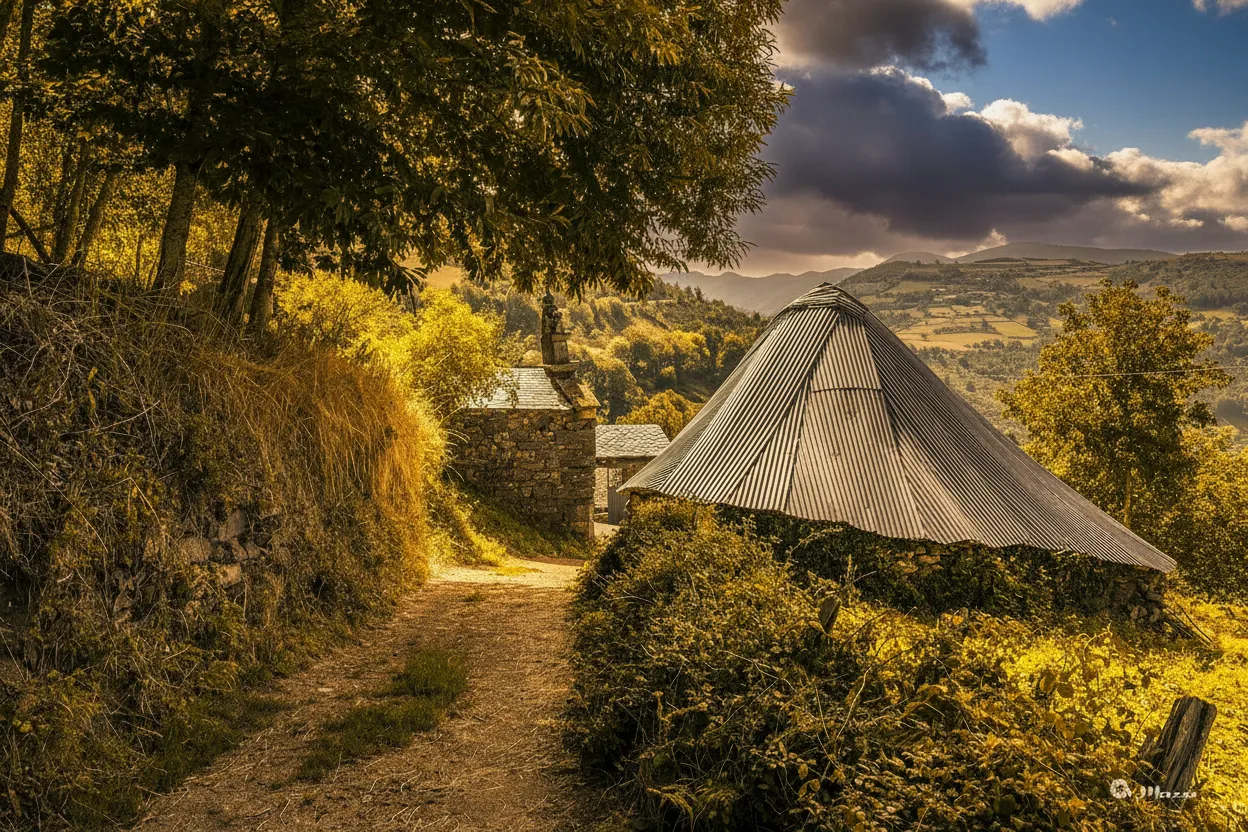
Imagine stepping through a veil, not of time travel, but of geographical remoteness, into a world that whispers tales of ancient Celts and a way of life almost lost to the ages. Forget the bustling beaches and the well-trodden paths of Spain. We're venturing deep into the heart of Galicia, high in the rugged embrace of the Ancares Mountains, to uncover a true hidden gem: Piornedo. Here, the houses aren't merely old; they are living relics, circular stone and thatch dwellings that defy modern architectural norms, some still breathing with life, like something plucked straight from a forgotten Celtic legend. This isn't just a village; it's a profound journey back in time, an invitation to witness history not in a museum, but in the very fabric of daily existence.
Piornedo: Where Time Stands Still and Architecture Tells a Story
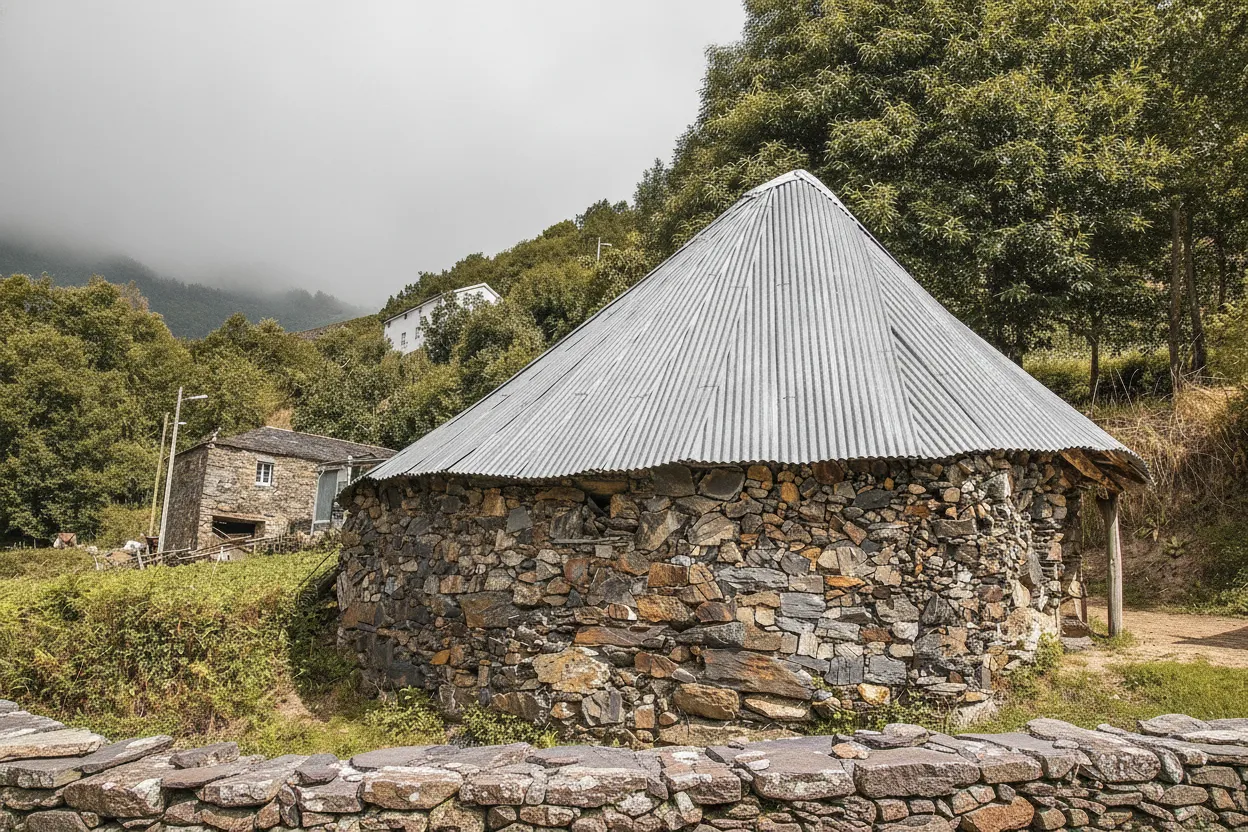
What makes Piornedo so utterly captivating, so uniquely special, is its remarkable collection of *pallozas*. If you've never heard the term, prepare to be fascinated. A *palloza* is a circular or oval-shaped dwelling, built with thick stone walls and topped with a distinctive conical thatched roof. These aren't quaint historical reconstructions; many of the *pallozas* in Piornedo have stood for centuries, their stones and thatch enduring the harsh Galician winters and the passage of countless generations. They represent an architectural tradition that dates back to pre-Roman times, a design so perfectly adapted to its environment that it persevered almost unchanged for millennia.
The ingenuity of the *palloza* lies in its multi-functional design. Traditionally, these structures housed both humans and their livestock under the same roof. The shared warmth from the animals helped to heat the living quarters, a crucial feature in the cold, often snowy, high-altitude climate of the Ancares Mountains. The central fireplace, lacking a chimney, allowed smoke to permeate the thatched roof, naturally preserving it and adding an insulating layer of soot. Walking among these structures, you can almost hear the echoes of ancient families, the lowing of cattle, and the crackle of hearth fires, all contained within these incredible, organic forms. It's a living, breathing testament to human resilience, resourcefulness, and a profound connection to the land.
This isn't just about old buildings; it's about a philosophy of living. The *palloza* embodies a sustainable, self-sufficient existence, where community and survival were inextricably linked. Its rarity in modern Europe makes Piornedo an almost sacred site for those interested in ethnography, history, and the evolution of human habitation. It’s a place where you don't just see history; you feel it underfoot, you smell it in the air, and you touch it in the rough-hewn stones.
A Whispering History: The Ancient Roots of Piornedo's Pallozas
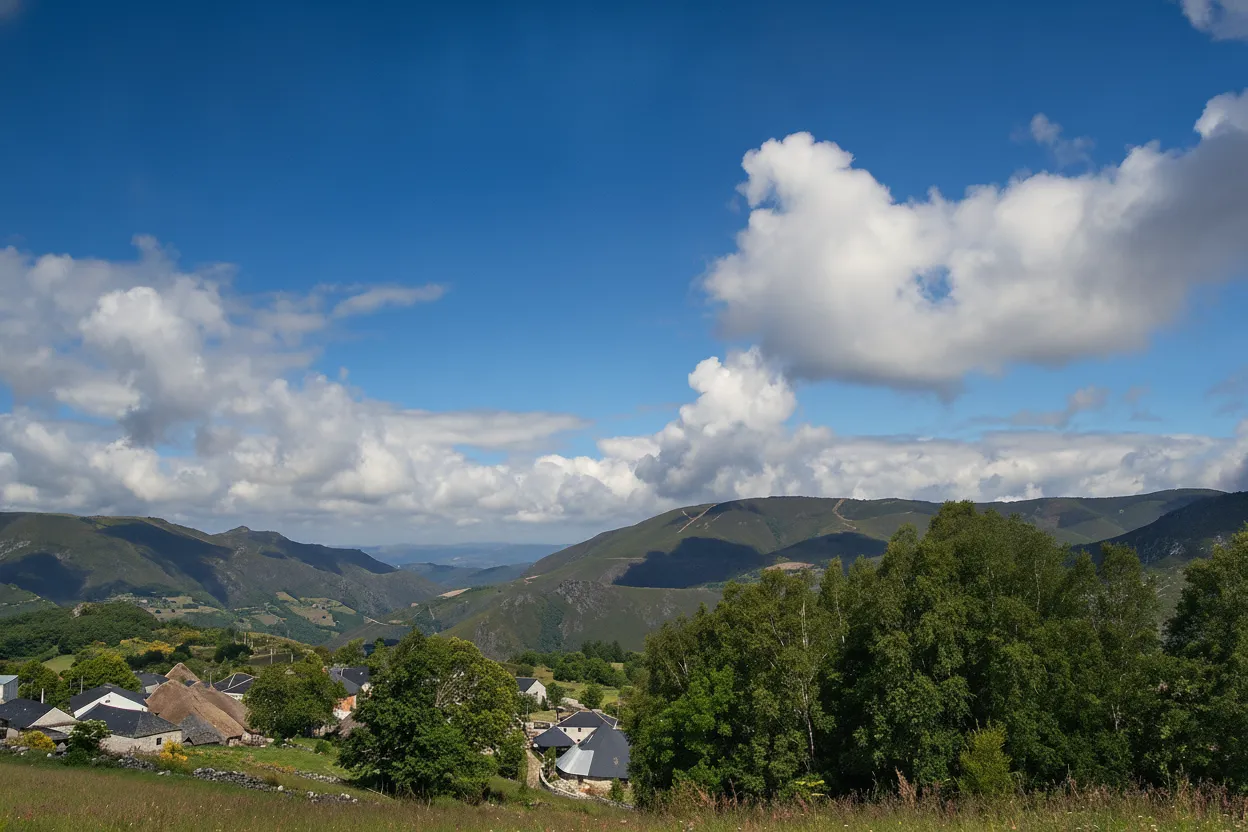
To truly appreciate Piornedo, one must understand its deep historical roots. The origins of the *palloza* can be traced back to the Iron Age, a period when Celtic tribes dominated much of the Iberian Peninsula. These circular dwellings, known as 'castros' when found in fortified settlements, were the norm. While most of these structures vanished with the arrival of Roman civilization and subsequent architectural shifts, the remote, rugged terrain of the Ancares Mountains acted as a natural sanctuary, preserving this ancient tradition in places like Piornedo.
The isolation of this Galician corner meant that external influences were slow to arrive and even slower to take root. For centuries, Piornedo and its neighboring villages continued to build and inhabit *pallozas*, maintaining a way of life that had long since disappeared elsewhere. They are a powerful reminder of Galicia's unique cultural heritage, often referred to as the "Celtic corner" of Spain, due to its strong cultural links to Ireland, Scotland, and Wales.
In the mid-20th century, as roads improved and modern conveniences became more accessible, many *pallozas* fell into disuse or were replaced by more conventional homes. However, a growing appreciation for their historical and cultural significance has led to concerted efforts to preserve and restore these unique structures. Piornedo, along with other *palloza* villages in the Ancares-Courel area, is even part of a tentative UNESCO World Heritage site, underscoring its global importance as a living archaeological landscape. This recognition highlights not just the architectural marvel, but the rich tapestry of human history woven into every stone and strand of thatch.
Wandering Through a Time Capsule: What to See and Do in Piornedo
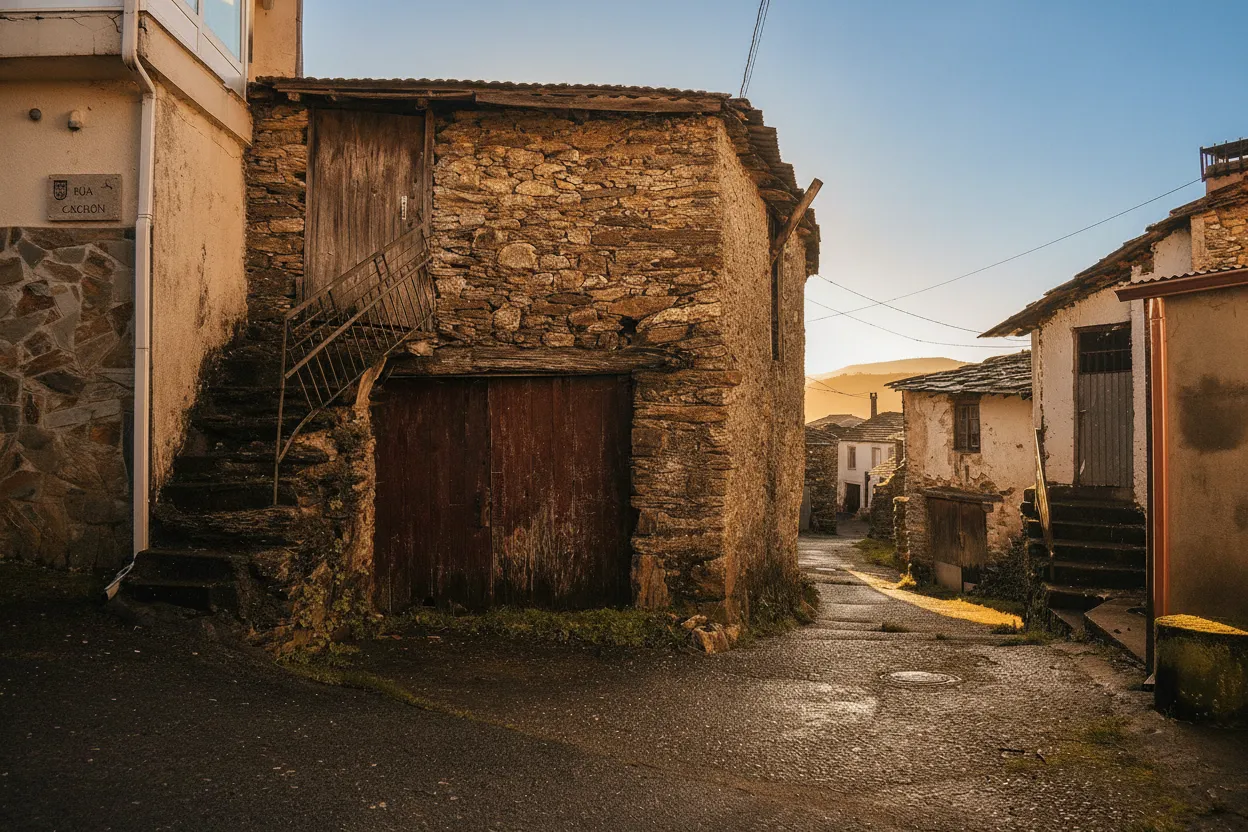
Visiting Piornedo is less about ticking off specific sights and more about immersing yourself in an atmosphere. As you wander the narrow, winding paths of the village, paved with ancient stones, you'll feel a profound sense of stepping back in time. The air is often crisp, carrying the scent of woodsmoke from the occasional working fireplace, and the only sounds might be the wind whistling through the mountains or the gentle bleating of sheep.
Your primary activity will undoubtedly be exploring the *pallozas* themselves. Many are still private residences, but some have been lovingly restored and converted into small museums, guesthouses, or even charming rural restaurants. Don't miss the opportunity to visit a preserved *palloza* museum, where you can step inside and truly grasp the ingenious layout. You'll see the central hearth, the simple sleeping areas, and the separate spaces for animals, all under that incredible thatched roof. It's a humbling experience that offers a vivid glimpse into the daily lives of generations past.
Beyond the architectural wonders, Piornedo offers a gateway to the stunning natural beauty of the Ancares Mountains. This is prime hiking territory, with trails that lead through ancient forests, past crystal-clear streams, and up to panoramic viewpoints. Depending on the season, you might encounter wild horses (caballos salvajes), deer, or even the elusive Cantabrian brown bear. The small, unassuming village church, with its rustic charm, is also worth a visit, offering a quiet moment of reflection amidst the ancient dwellings.
For those seeking a deeper cultural immersion, consider staying in one of the converted *pallozas* that now operate as rural accommodations. Imagine waking up in a structure that has housed families for centuries, feeling the weight of history around you. And, of course, no visit to Galicia is complete without indulging in the local cuisine. While Piornedo itself might have limited options, nearby villages or your guesthouse will likely offer hearty Galician fare – think slow-cooked meats, robust stews, and local cheeses, all perfectly suited to the mountain climate.
Practical Tips for Your Piornedo Adventure
Piornedo's charm lies in its remoteness, but this also means a bit of planning is required to make your visit smooth and enjoyable. Think of it as an adventure, not just a trip!
- Getting There: A car is absolutely essential. Piornedo is tucked away high in the mountains, and public transport is virtually non-existent. The nearest major towns are Lugo (Galicia) or Ponferrada (Castile and León), from which you'll have a scenic but winding drive. Be prepared for narrow, sometimes steep, mountain roads.
- When to Visit: The best time to visit is generally from late spring to early autumn (May to October). The weather is milder, making hiking more pleasant, and the landscape is vibrant green. Winter (November to April) can be truly magical with snow-capped *pallozas*, but roads can be challenging, and some services may be closed. Always check weather conditions if visiting off-season.
- Accommodation: You can find charming rural houses and guesthouses, often in renovated *pallozas*, directly in Piornedo or in nearby villages like O Cebreiro. Booking in advance, especially during peak season, is highly recommended.
- What to Bring: Comfortable walking shoes are a must for exploring the village and any trails. Layers of clothing are advisable, as mountain weather can change quickly. A camera is essential for capturing the unique beauty, and binoculars will enhance your wildlife spotting. While some places might accept cards, it's always wise to carry some cash, especially for smaller establishments. Mobile phone signal can be patchy, so be prepared for limited connectivity.
- Respect and Etiquette: Remember that Piornedo is a living village, not just a tourist attraction. Be respectful of private property, ask permission before photographing people, and tread lightly, preserving the authenticity of this incredible place. Support local businesses where possible.
Piornedo is more than just a destination; it's an experience that resonates deep within, connecting you to a primal past. It's a place where the stones speak volumes, the thatch tells tales, and the very air hums with the whispers of forgotten legends. If you're seeking an authentic, off-the-beaten-path adventure that promises wonder, history, and a profound sense of discovery, then pack your bags and set your sights on the ancient heart of Galicia. Piornedo awaits, ready to enchant you with its timeless magic.
Essential Travel Information
- Location Piornedo, Spain
- Best Time Late Spring to Early Autumn (May-October)
- Getting There Car essential; winding mountain roads from Lugo (Galicia) or Ponferrada (Castile and León).
- Airport Santiago de Compostela Airport (SCQ)
- Budget Budget to Mid-range (approx. €50-€100 per day including accommodation and food)
- Language Spanish, Galician
Find Places to Stay Near Piornedo
Compare hotels, hostels, and unique stays in Spain.
Search AccommodationTours & Experiences Near Piornedo
Book guided tours, day trips, and unique experiences.
Browse Tours