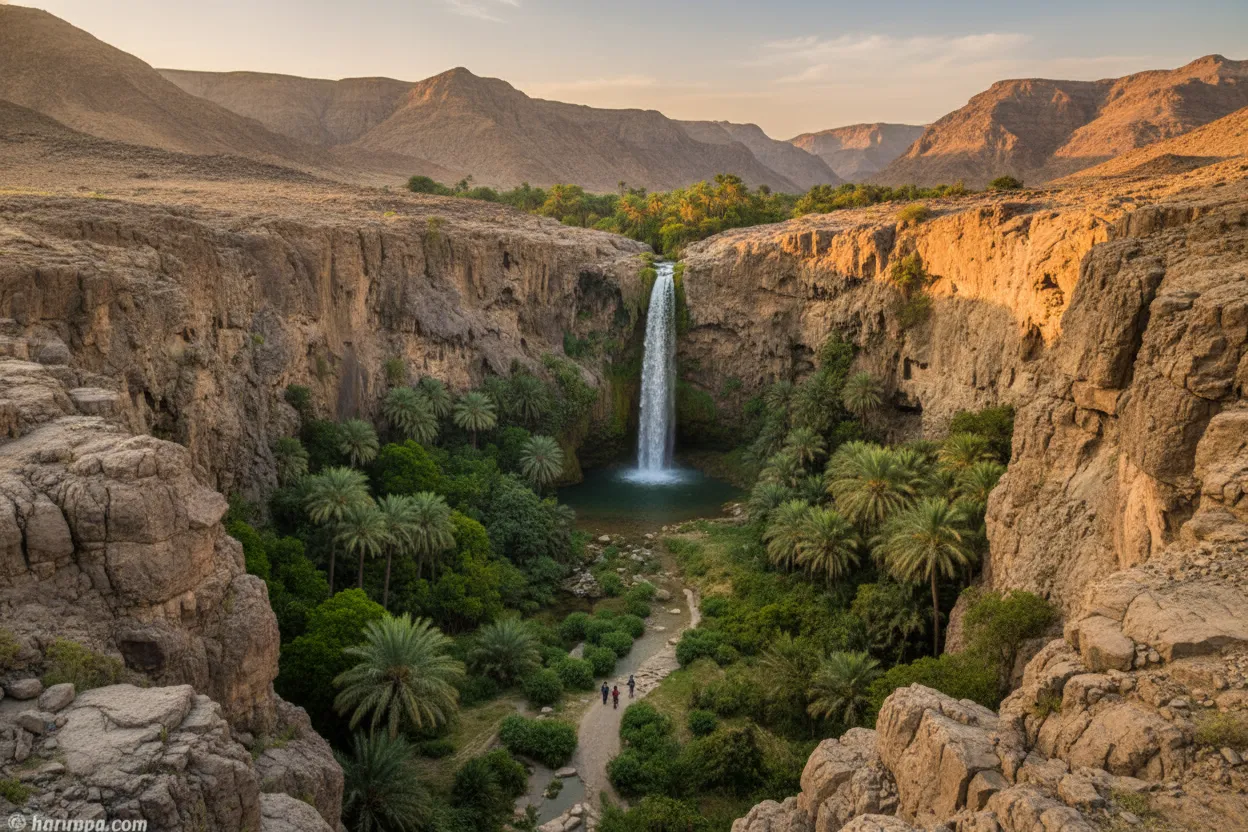
Imagine a land of rugged, sun-baked mountains and endless, shimmering desert. Now, picture a miracle: deep within Pakistan's vast and often misunderstood Balochistan province, a sacred waterfall miraculously emerges from an invisible source within a rocky fissure. It's not just water; it's life, carving out an unexpected, vibrant oasis that defies the very landscape it inhabits. This isn't a mirage; this is Pir Ghaib, a place where geology meets legend, and the spirit of the land whispers tales of ancient wonders.
For the intrepid traveler, the curious soul, or anyone yearning for a truly unique experience far from the well-trodden paths, Pir Ghaib offers an encounter unlike any other. It’s a journey into the heart of mystery, a step back into a time when the earth’s raw power and spiritual belief were inextricably linked. Prepare to be captivated by a destination that challenges perceptions, nourishes the soul, and leaves an indelible mark on your memory.
What Makes Pir Ghaib an Unforgettable Experience?
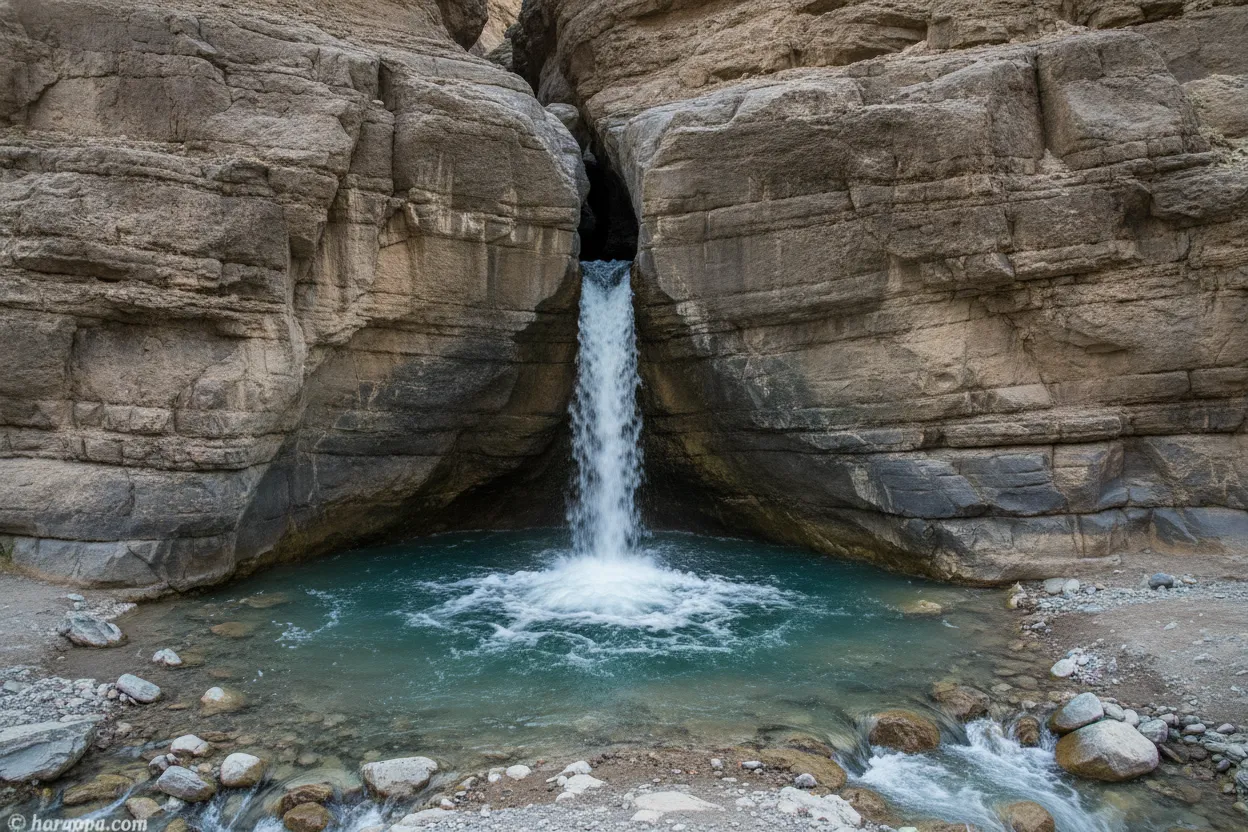
Pir Ghaib isn't just a waterfall; it's a geological enigma wrapped in spiritual reverence. Its most striking feature is the seemingly impossible source of its gushing waters. Unlike most waterfalls fed by rivers or melting snow, Pir Ghaib's cascades appear to emanate directly from within a deep, rocky fissure in the mountain face, with no visible inlet stream. It's as if the mountain itself weeps, giving birth to this life-sustaining flow.
This miraculous emergence has given rise to the legend of Pir Ghaib, "The Invisible Saint," whose prayers are said to have brought forth the water. For centuries, this has transformed the site into a revered pilgrimage destination, attracting devotees and spiritual seekers who come to witness the miracle and seek blessings. The atmosphere here is palpable with devotion and a quiet sense of awe.
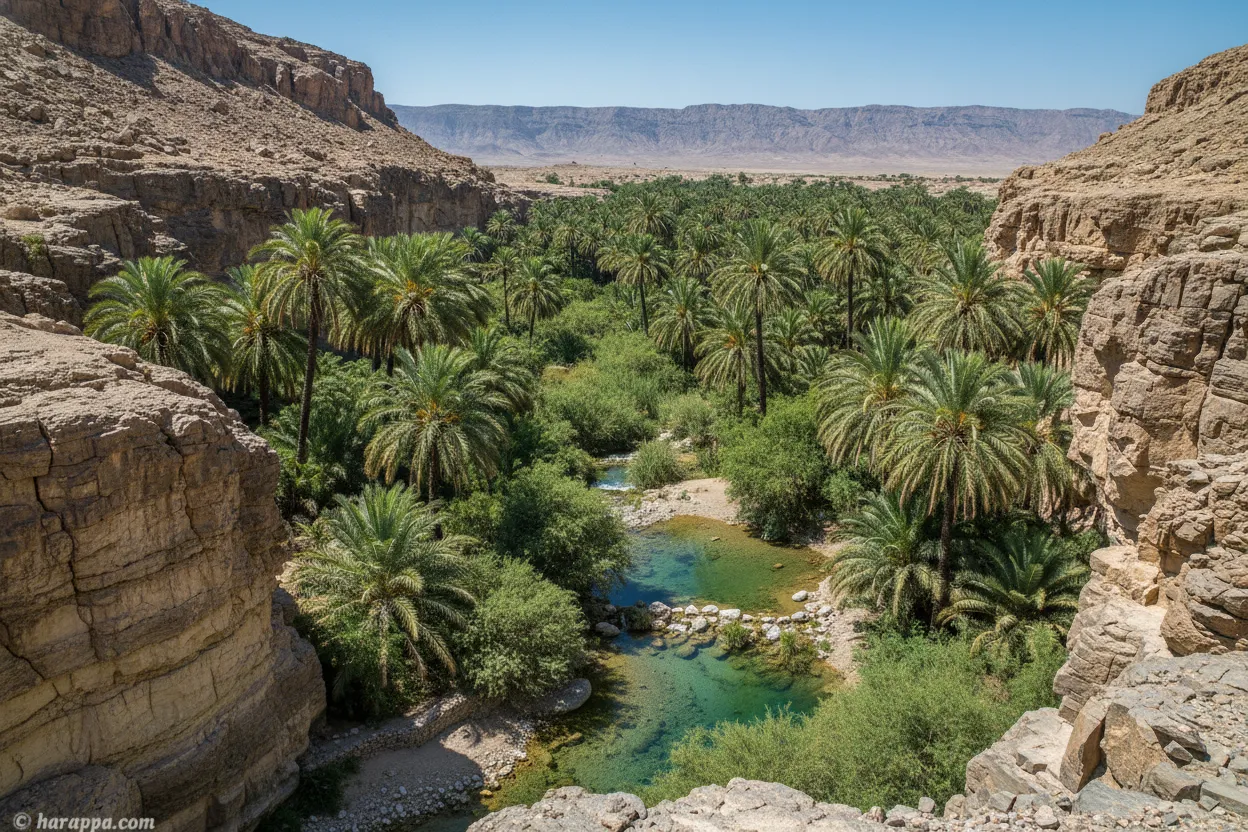
But the wonder doesn't stop at the water's source. The constant flow sustains a vibrant, verdant micro-ecosystem, a stark and mystifying contrast to the barren, arid landscape surrounding it. As you approach, the ochre and brown hues of the desert gradually give way to a startling splash of green – swaying date palms, lush shrubs, and thriving aquatic life. It's like stepping through a portal into another world, a secret garden hidden by the vastness of Balochistan. This dramatic juxtaposition of parched wilderness and flourishing life is what truly sets Pir Ghaib apart, making it a powerful testament to nature's resilience and the enduring power of faith.
History and Lore: The Legend of Pir Ghaib
The name "Pir Ghaib" itself hints at the profound spiritual narrative woven into this place. "Pir" signifies a Sufi saint or spiritual master, while "Ghaib" means "invisible" or "hidden." The most popular and enduring legend tells of a holy saint and his sister who were fleeing from tyrannical rulers or hostile forces in ancient times. Pursued relentlessly, they reached this desolate spot, seemingly trapped with no escape. In a moment of dire need, the saint prayed fervently to Allah for deliverance.
According to the legend, the saint struck the rock with his staff, and miraculously, water gushed forth, creating a path for them to disappear into the mountain, becoming invisible to their pursuers. While the saint vanished, his sister remained, giving rise to another small shrine nearby known as Bibi Nani. This tale imbues the waterfall with profound sacredness, transforming it from a mere natural phenomenon into a living testament to faith, divine intervention, and the protective power of the unseen.
For generations, this story has been passed down, drawing pilgrims from across the region. The shrine itself is humble, reflecting the Sufi tradition of simplicity and devotion. It's a place where the physical and spiritual realms converge, where the ancient echoes of belief resonate with the soothing sounds of the cascading water. The history of Pir Ghaib isn't written in grand monuments, but in the hearts of those who visit, in the enduring power of its legend, and in the timeless flow of its miraculous waters.
Exploring Pir Ghaib: What You'll See and Experience
Your journey to Pir Ghaib is an adventure in itself. As you leave the bustling city of Quetta behind, the landscape transforms into the raw, untamed beauty of Balochistan. The drive is rugged but rewarding, offering panoramic views of vast plains and imposing mountains. Then, almost unexpectedly, the first hints of green appear on the horizon, signaling your approach to the oasis.
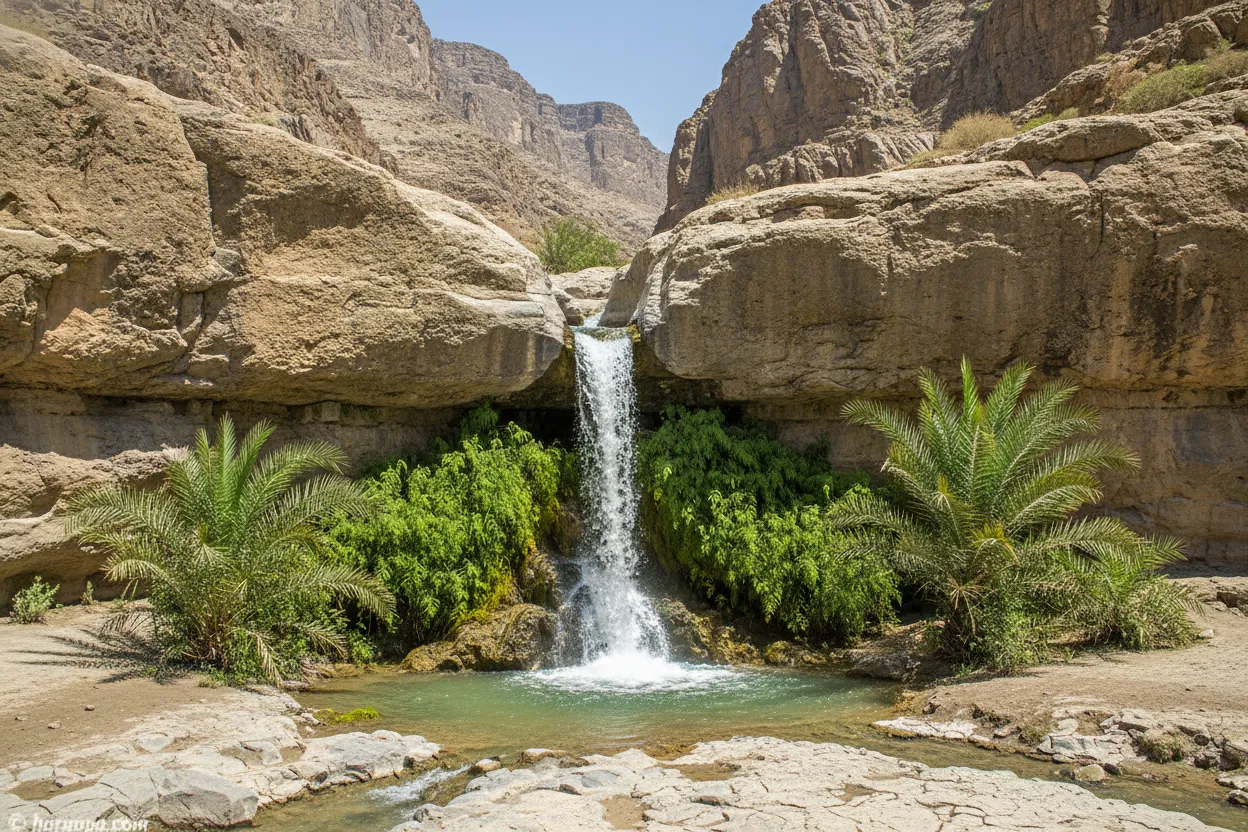
Upon arrival, the air immediately feels different – cooler, fresher, filled with the gentle murmur of water. The main attraction is, of course, the waterfall. It's not one towering cascade but a series of smaller, enchanting waterfalls that tumble over smooth, moss-covered rocks, forming crystal-clear pools below. The water, surprisingly cold and pure, invites you to dip your feet, offering a refreshing respite from the desert heat.
Surrounding the falls, the oasis thrives. Date palms sway gently in the breeze, providing welcome shade, while various shrubs and wild grasses create a vibrant tapestry of green. You might spot local children playing in the pools, or families enjoying picnics by the water's edge. The small, unassuming shrine dedicated to Pir Ghaib stands near the falls, a focal point for pilgrims who come to offer prayers and tie symbolic threads to nearby trees, hoping for their wishes to be granted.
Take your time to explore the different levels of the falls, finding secluded spots for quiet contemplation. The natural beauty here is immense, offering incredible photographic opportunities – from the dramatic contrast of green against barren rock to the intricate patterns of water over stone. It’s a place to slow down, breathe deeply, and connect with both nature and the deep spiritual energy that permeates the air. You’ll leave feeling refreshed, invigorated, and profoundly touched by this hidden wonder.
Practical Tips for Your Journey to Pir Ghaib
Visiting Pir Ghaib is an extraordinary experience, but it requires careful planning due to its remote location and the specific travel considerations for Balochistan. Here’s what you need to know to make your trip smooth and memorable:
Getting There:
- Base City: The most common starting point is Quetta, the capital of Balochistan.
- Transportation: Pir Ghaib is located about 70-80 kilometers from Quetta. The road can be rough in sections, so hiring a reliable 4x4 vehicle with an experienced local driver is highly recommended. Public transport options are limited and not advisable for tourists.
- Local Guidance: For safety and cultural insight, it is strongly advised to travel with a local guide or as part of an organized tour. They can navigate the routes, facilitate interactions, and provide valuable context.
Best Time to Visit:
- The cooler months, from **October to April**, are ideal. Summers (May to September) in Balochistan can be extremely hot, making outdoor exploration less comfortable.
What to Bring:
- Water & Snacks: Carry ample bottled water and snacks, as facilities near the falls are minimal.
- Appropriate Clothing: Dress modestly, especially if you plan to visit the shrine. Loose, comfortable clothing is best for walking and exploring.
- Footwear: Sturdy walking shoes or sandals with good grip are essential for navigating rocky terrain and potentially wet areas around the falls.
- Sun Protection: A hat, sunglasses, and sunscreen are crucial, even in cooler months.
- Camera: You'll want to capture the stunning contrasts and natural beauty.
- Small First-Aid Kit: For minor scrapes or ailments.
Safety and Respect:
- Security: Balochistan has had security challenges in the past. Always check current travel advisories from your home country and consult with local authorities or trusted tour operators regarding the security situation before planning your trip. Traveling with local guides is a significant safety measure.
- Cultural Sensitivity: Pir Ghaib is a sacred site. Be respectful of local customs and traditions. Ask for permission before photographing people, especially women.
- Leave No Trace: Help preserve the pristine environment by carrying out all your trash.
Accommodation:
- There are no formal accommodations directly at Pir Ghaib. Most visitors make it a day trip from Quetta, where a range of hotels are available.
A journey to Pir Ghaib is more than just a sightseeing trip; it's an immersion into a unique cultural and natural landscape. With careful preparation and a spirit of adventure, you'll uncover one of Pakistan's most compelling hidden gems.
Pir Ghaib is a testament to the fact that true wonders often lie hidden, waiting to be discovered by those willing to venture beyond the ordinary. It's a destination that stirs the imagination, calms the spirit, and reminds us of the profound connections between earth, water, and faith. If you seek an adventure that promises both breathtaking natural beauty and a deep cultural experience, add Pir Ghaib to your travel dreams. It’s an oasis of life and legend, waiting to share its magic with you.
Essential Travel Information
- Location Pir Ghaib Waterfall and Shrine, Pakistan
- Best Time October to April (cooler months)
- Getting There Approximately 70-80 km from Quetta. Best reached by hiring a 4x4 vehicle with a local driver/guide from Quetta.
- Airport Quetta International Airport (UET)
- Budget Mid-range (~$50-100/day excluding major transport to/from Quetta, primarily for vehicle hire and guide)
- Language Balochi, Brahui, Urdu
Find Places to Stay Near Pir Ghaib Waterfall and Shrine
Compare hotels, hostels, and unique stays in Pakistan.
Search AccommodationTours & Experiences Near Pir Ghaib Waterfall and Shrine
Book guided tours, day trips, and unique experiences.
Browse Tours