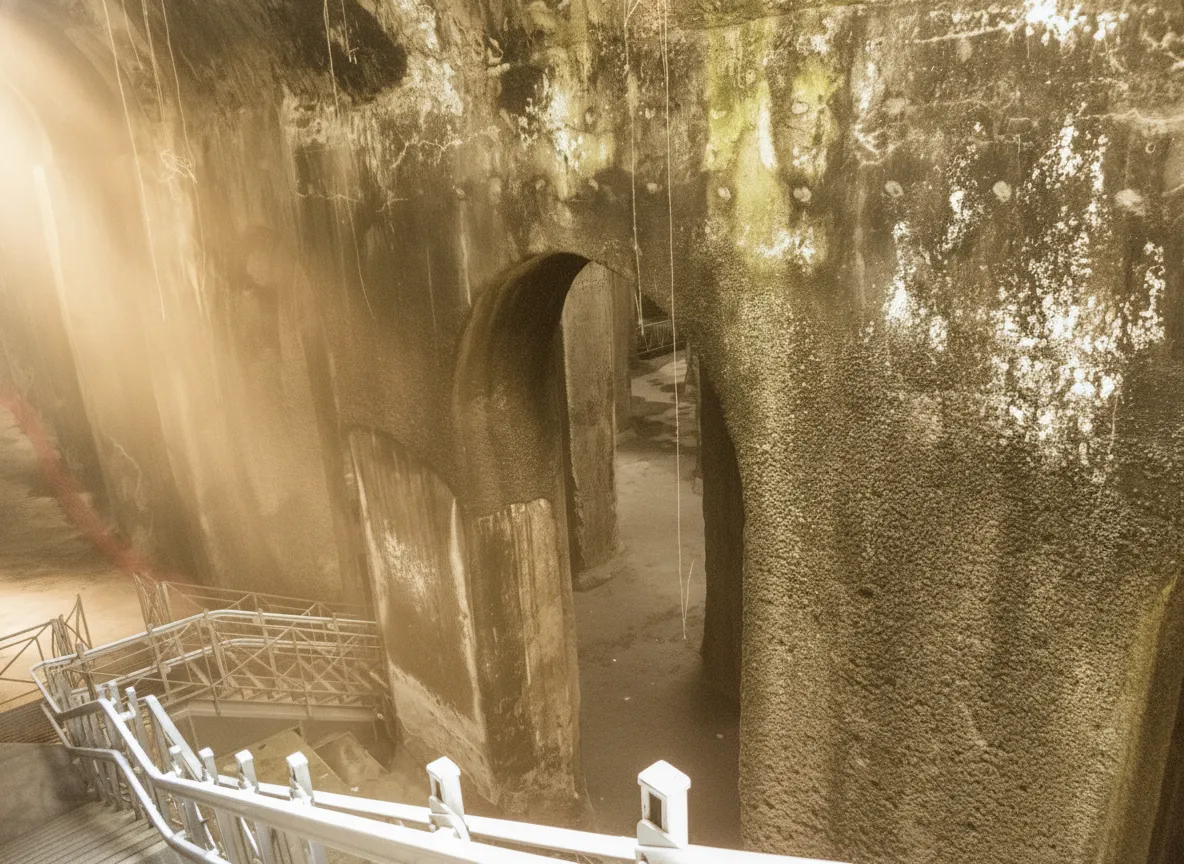
Imagine descending into a colossal underground cathedral, not carved by faith, but engineered by ancient Romans to hold an entire fleet's worth of water. Forget the crowded Colosseum or the bustling Forum for a moment, and picture instead a monumental, silent world, hidden beneath the unassuming landscape of coastal Campania, Italy. This isn't a scene from an Indiana Jones movie; it's the very real, utterly breathtaking experience of stepping into the Piscina Mirabilis. Trust me, if you thought you knew Roman engineering, this forgotten wonder will redefine your understanding of ancient ingenuity and leave you speechless.
The Colossal Heart of Ancient Power: What Makes Piscina Mirabilis Special
The Piscina Mirabilis, often affectionately nicknamed the 'Cathedral of Water,' is far more than just an old cistern. It's a testament to the audacious vision and unparalleled engineering prowess of the Roman Empire, a structure so immense and perfectly preserved that it feels like stepping into another dimension. Built during the Augustan era, around the 1st century AD, its sole purpose was to supply freshwater to the vast Roman Misenum naval fleet – the most important fleet in the Western Mediterranean – and the bustling city that grew around it.
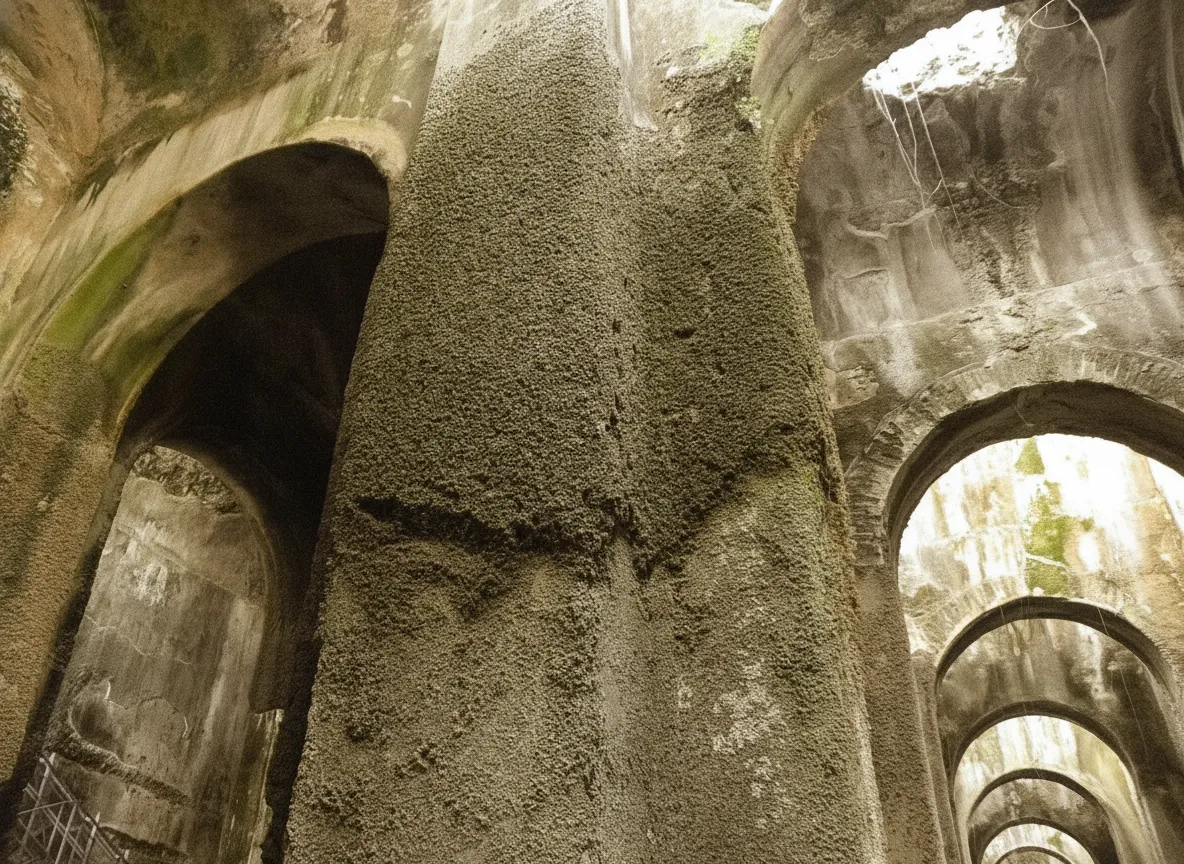
What makes it truly special isn't just its age or its function, but its sheer scale and architectural grandeur. Picture a subterranean hall, roughly 200 feet long, 85 feet wide, and 25 feet high, supported by an astonishing array of 48 colossal pillars. These pillars, arranged in twelve rows of four, create an awe-inspiring labyrinth of stone, supporting a vaulted ceiling that seems to stretch into infinity. As you wander through its cool, silent interior, the play of light and shadow on the ancient stone creates an atmosphere of profound majesty and mystery. It’s a space that evokes both wonder at human achievement and a poignant sense of a forgotten world, now reclaimed by silence.
A Glimpse into Roman Grandeur: History and Purpose
To truly appreciate the Piscina Mirabilis, you need to understand the world it was built for. The Bay of Naples, particularly the area around what is now Bacoli, was a strategic hub for the Roman Empire. Emperor Augustus established Portus Julius here, a massive naval base at Misenum, which became the home of the Classis Misenensis – the Praetorian fleet of the Roman Empire. This wasn't just a few ships; we're talking about thousands of sailors, support staff, and a burgeoning city, all requiring a constant, reliable supply of fresh water.
Enter the Piscina Mirabilis. This monumental reservoir was the terminal point of the Aqua Augusta (also known as the Serino Aqueduct), one of the longest and most complex aqueduct systems in the Roman world. Water traveled for over 60 miles from the springs of Serino, in the Apennine mountains, across valleys and through tunnels, to finally fill this colossal cistern. With a capacity of approximately 12,600 cubic meters (that's over 3.3 million gallons!), it could comfortably meet the needs of the fleet and the surrounding population. The engineering involved in its construction – from the precise measurements to the robust materials and the intricate system of channels for filling and emptying – speaks volumes about Roman mastery of hydraulics and construction.
For centuries, the Piscina Mirabilis served its vital purpose, a silent, unseen powerhouse beneath the earth. However, with the decline of the Roman Empire and the eventual abandonment of the Misenum naval base, its function gradually ceased. The aqueduct system fell into disrepair, and the 'Cathedral of Water' slowly emptied, becoming the magnificent, empty shell we see today. Yet, its silence now allows its true architectural beauty and historical significance to shine even brighter.
Descending into the "Cathedral of Water": What You'll See
Your visit to the Piscina Mirabilis is an experience unlike any other. As you step through the unassuming entrance, often a simple doorway in a hillside, you're immediately struck by a noticeable drop in temperature and a profound sense of calm. The outside world fades away, replaced by the cool, damp air and the echoing silence of ancient stone.
The first sight to greet you is the sheer scale of the space. The 48 colossal pillars, each approximately 4 meters by 4 meters at the base, rise majestically to support the immense vaulted ceiling. They create a mesmerizing perspective, drawing your eye deeper and deeper into the "cathedral." You can walk freely among these pillars, feeling dwarfed by their size and the vastness of the chamber. The walls and pillars still bear traces of the waterproof plaster (opus signinum) that lined the cistern, and in some areas, you can even discern the faint waterlines from when it was full, offering a tangible connection to its active past.
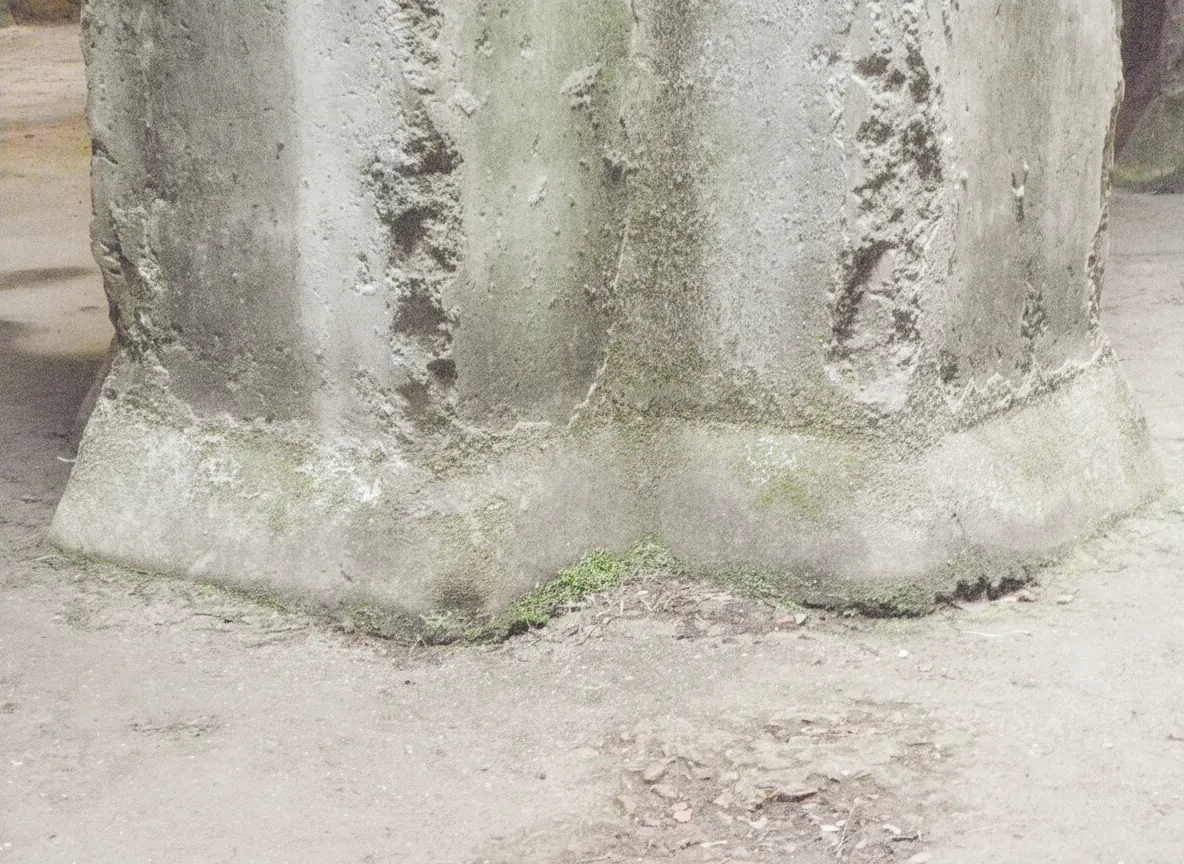
The soft, diffused light, often entering through small openings high up or from the main entrance, creates dramatic shafts and shadows, enhancing the sense of awe. It’s a photographer's dream, but more importantly, it's a place for quiet contemplation. You can almost hear the ghostly echoes of Roman engineers, the splash of water, and the murmur of a bustling empire. It’s a truly immersive historical experience, offering a unique perspective on the power and ambition of the Romans, far removed from the more familiar ruins.
Planning Your Journey to a Forgotten Wonder: Practical Tips
Ready to embark on this incredible journey? Here’s what you need to know to make your visit to Piscina Mirabilis seamless and unforgettable:
Location and Getting There:
The Piscina Mirabilis is located in Bacoli, a charming town on the Phlegraean Fields peninsula in the Campania region of Italy, west of Naples. While it feels off-the-beaten-path, it's relatively accessible:
- By Car: This is often the most convenient option, giving you flexibility. There’s usually parking available nearby. Use GPS to navigate to "Piscina Mirabilis, Bacoli."
- By Public Transport: From Naples, you can take the Cumana train line (from Montesanto station) to Lucrino or Fusaro, then connect with a local bus (EAV bus lines) to Bacoli. It requires a bit of planning but is doable.
Access and Tickets:
The Piscina Mirabilis is often on private land or managed by local associations. It’s not a typical state-run museum. Therefore, it's highly recommended to:
- Book in Advance: Check online for official websites or local tour operators that offer guided visits. Some smaller groups or private owners may require appointments.
- Guided Tours: A guided tour is invaluable. Local guides can provide fascinating historical context and anecdotes that bring the structure to life.
- Check Opening Hours: These can vary, so always confirm before you go.
What to Bring:
- Comfortable Shoes: The ground inside can be uneven.
- Flashlight: While there's ambient light, a small flashlight can help you appreciate details in darker corners.
- Camera: You'll want to capture the incredible atmosphere.
- Light Jacket: Even on a hot day, it's significantly cooler underground.
Best Time to Visit:
The Campania region can get very hot in summer. Spring (April-May) and Autumn (September-October) offer pleasant weather, making your overall trip more enjoyable. Visiting during these shoulder seasons also means fewer crowds.
Nearby Attractions:
Bacoli and the surrounding Phlegraean Fields (Campi Flegrei) are rich in history and natural wonders. Make a day of it by exploring:
- Baia Underwater Park: An ancient Roman city now submerged, visible via glass-bottom boat tours or snorkeling/diving.
- Castello di Baia: A magnificent Aragonese castle housing the Archaeological Museum of the Phlegraean Fields.
- Serpentone: Another impressive Roman cistern nearby.
- Solfatara Volcano: A fascinating active volcanic crater (check current access as it sometimes closes).
- Pozzuoli: Home to the Flavian Amphitheater and the ancient Macellum (Temple of Serapis).
Why Piscina Mirabilis Should Be on Your Italian Itinerary
In a country brimming with iconic historical sites, the Piscina Mirabilis stands out as a truly unique and profoundly moving experience. It offers a rare opportunity to connect with the sheer ambition and engineering genius of the Roman Empire in a way that goes beyond gladiators and emperors. It’s a monument to the practical needs of a superpower, a silent giant that once pulsed with the lifeblood of an empire.
If you're looking for an off-the-beaten-path adventure, a glimpse into a monumental, forgotten world, and a chance to witness Roman hydraulic ingenuity at its absolute peak, then the Piscina Mirabilis absolutely deserves a spot on your Italian itinerary. It’s a powerful reminder that history’s greatest stories are often found in the most unexpected places, waiting patiently to be rediscovered.
So, pack your sense of wonder, prepare to be amazed, and descend into the silent, awe-inspiring depths of the 'Cathedral of Water.' It’s a journey you won’t soon forget.
Essential Travel Information
- Location Piscina Mirabilis, Italy
- Best Time Spring (April-May) and Autumn (September-October)
- Getting There By car from Naples or by Cumana train to Lucrino/Fusaro, then local bus to Bacoli. Booking a guided tour is recommended.
- Airport Naples International Airport (NAP)
- Budget Mid-range (approx. €80-€150 per day, excluding major tours/flights)
- Language Italian
Find Places to Stay Near Piscina Mirabilis
Compare hotels, hostels, and unique stays in Italy.
Search AccommodationTours & Experiences Near Piscina Mirabilis
Book guided tours, day trips, and unique experiences.
Browse Tours