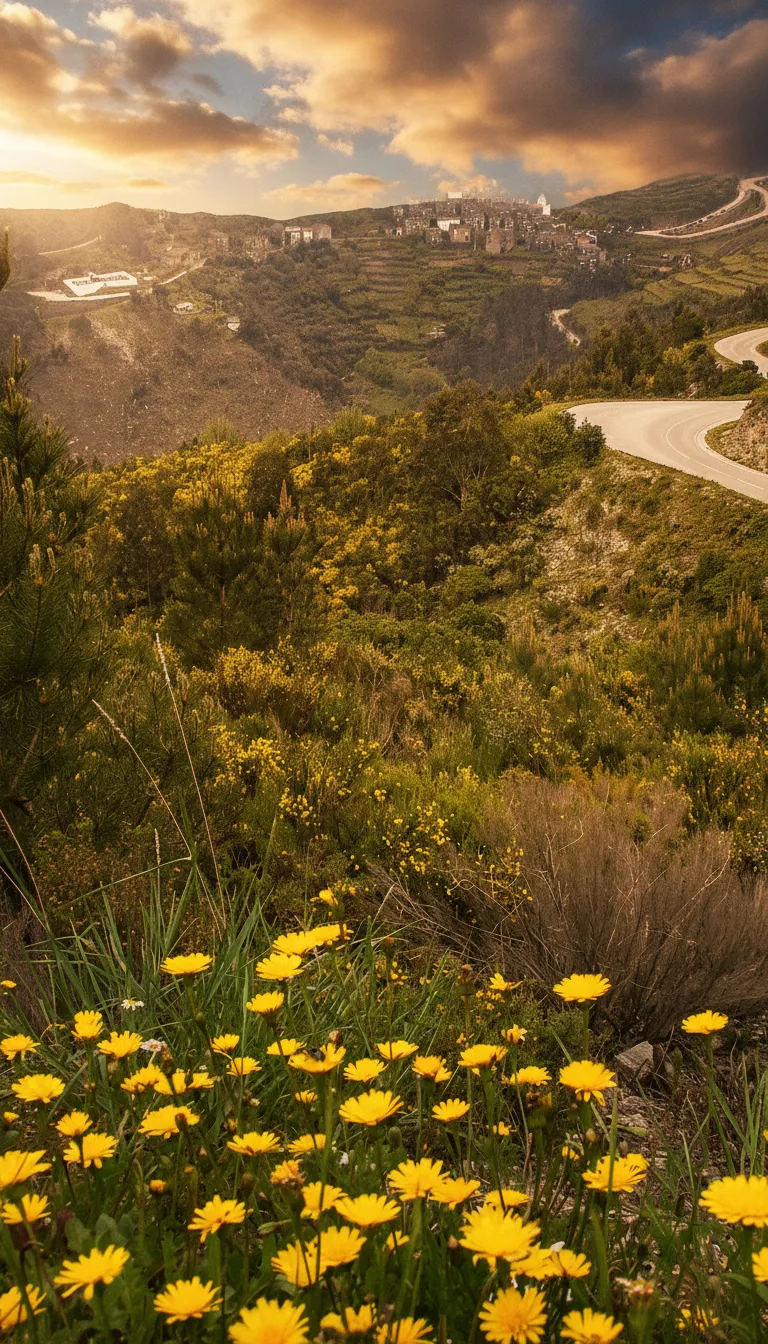
Imagine a place so perfectly integrated into its landscape that, by day, it almost disappears, a whisper among the mountains. Then, as dusk descends, it awakens, not with a roar, but with a gentle, ethereal glow, transforming into a living, breathing diorama. This isn't a fairy tale; it's Piódão, Portugal's breathtaking 'Nativity Village,' tucked away in a remote valley in Central Portugal. If you've ever dreamt of stepping into a hidden world, untouched by the frantic pace of modern life, then prepare to be utterly captivated by this extraordinary destination, where time seems to slow, and every corner tells a story.
What Makes Piódão Truly Unique: An Aldeia Presépio
Piódão isn't just a village; it's an architectural marvel and a sensory experience unlike any other. Its defining feature is its distinctive, uniform architecture: houses built almost entirely from dark schist and slate, materials readily available from the surrounding Serra do Açor mountains. These dark, earthy tones allow the village to blend seamlessly into the rugged slopes, making it appear as if the mountain itself has given birth to these dwellings.
But here's where the magic truly unfolds: each house, while built from the same dark stone, features striking blue-painted window frames and doors. This vibrant splash of color against the somber schist isn't just decorative; it's a tradition whose exact origins are debated, some say to ward off evil, others simply for aesthetic pleasure, but it undeniably brings a unique charm and identity to Piódão. It’s this captivating contrast – the dark, natural stone against the vivid blue – that makes Piódão so visually arresting, especially under the soft light of dawn or dusk.
The village's nickname, "aldeia presépio" (nativity scene village), perfectly encapsulates its most enchanting quality. When the sun dips below the mountain peaks and the village lights flicker on, Piódão transforms. The illuminated houses, clinging to the mountainside in a cascading formation, genuinely resemble a traditional nativity scene, glowing warmly against the dark canvas of the night sky. It’s a sight that will etch itself into your memory, a testament to human ingenuity and harmony with nature.

A Tapestry of Time: Piódão's History and Heritage
Piódão's secluded location, nestled deep within a valley, has been both its challenge and its blessing. Its remoteness historically meant that its inhabitants were largely self-sufficient, relying on agriculture, pastoralism, and the natural resources of the mountains. This isolation also contributed to the preservation of its unique architectural style and traditional way of life, shielding it from external influences that transformed many other villages.
The use of schist, a metamorphic rock abundant in the region, wasn't just an aesthetic choice but a practical necessity. It was the most accessible and durable building material, perfectly suited to the harsh mountain climate. The houses were constructed with thick walls to provide insulation against cold winters and hot summers, and the slate roofs offered excellent protection from the elements. This deep connection to the land and its resources is evident in every stone of Piódão.
While definitive historical records are scarce, Piódão's origins are believed to stretch back to medieval times, with its growth likely tied to the need for defensive outposts or agricultural settlements in these fertile, though challenging, valleys. Today, Piódão is proudly part of Portugal's "Aldeias de Xisto" (Schist Villages) network, a program dedicated to preserving and promoting these unique, traditional villages. This recognition ensures that Piódão's heritage is protected, allowing future generations to marvel at its timeless beauty and learn from its resilient past.
Exploring the Living Nativity Scene: What You'll See and Do
Visiting Piódão is an experience best savored slowly. There are no grand museums or bustling commercial centers here; the village itself is the main attraction, a living museum of traditional Portuguese mountain life. Your journey begins the moment you arrive, often after a breathtaking drive along winding mountain roads that offer tantalizing glimpses of the village before you descend into its embrace.
Once there, the best way to explore is on foot. Wander through the labyrinthine, narrow cobbled streets, which often double as staircases, revealing new perspectives and charming details at every turn. You'll pass by small gardens, admire intricate stone walls, and perhaps catch a glimpse of local life unfolding – an elderly resident tending to their flowers, or the distant sound of a goat bell.
At the heart of the village stands the Igreja Matriz de Nossa Senhora da Conceição (Mother Church of Our Lady of Conception). This striking white church, with its two distinctive cylindrical bell towers, provides a beautiful contrast to the dark schist houses surrounding it, making it a focal point and a popular spot for photographs. Inside, you'll find a simple yet elegant interior, reflecting the village's humble charm.

Beyond the architectural wonders, Piódão offers a taste of authentic local culture. Look for small shops selling regional products like honey, cheese, homemade liqueurs, and traditional handicrafts. The local cuisine is hearty and delicious, featuring traditional mountain dishes often made with local ingredients. Don't miss the chance to try "chanfana" (goat stew) or "migas" (bread-based dishes).
For those who love the outdoors, the natural beauty surrounding Piódão is equally captivating. The village is an excellent base for hiking and exploring the Serra do Açor Nature Reserve. Numerous trails wind through lush forests, past sparkling streams, and lead to stunning viewpoints that offer panoramic vistas of the valleys and mountains. One particularly rewarding hike leads to the nearby Foz d'Égua, another charming schist village with a picturesque river beach and a unique bridge made from wood and stone.

Planning Your Escape to Piódão: Practical Visit Tips
Ready to embark on your journey to this hidden gem? Here's what you need to know to make your visit unforgettable:
Getting There: Piódão's remote location means that a car is almost essential. The roads leading to the village are narrow and winding, but well-maintained. The drive itself is part of the adventure, offering spectacular scenery. From major cities like Coimbra or Porto, expect a scenic drive of 1.5 to 2.5 hours, respectively.
Best Time to Visit: Spring (April-June) and Autumn (September-October) offer the most pleasant weather for exploring and hiking, with lush landscapes and comfortable temperatures. Summer (July-August) can be hot, but the evenings are magical. Winter brings a unique charm, especially when the village lights up, but it can be cold and some services might have reduced hours.
Accommodation: Piódão offers a handful of charming guesthouses (casas de turismo rural) and small hotels, many of which are traditional schist houses beautifully restored. Booking in advance, especially during peak season, is highly recommended.
What to Bring: Comfortable walking shoes are a must for navigating the steep, cobbled streets. Layers of clothing are advisable, as mountain weather can change quickly. Don't forget your camera – every corner is a postcard-worthy shot!
Respect Local Life: Remember that Piódão is a living village, not just a tourist attraction. Be mindful of residents' privacy, keep noise levels down, and support local businesses. Embrace the slow pace of life.
Connectivity: While mobile signal is generally available, don't expect blazing-fast internet everywhere. This is an opportunity to disconnect and immerse yourself in the present moment.
Piódão is more than just a destination; it's an experience that transports you to another time, a place where nature and human endeavor exist in perfect harmony. It’s a reminder that true beauty often lies hidden, waiting to be discovered by those willing to venture off the beaten path. So, pack your bags, set your GPS, and prepare to be enchanted by Portugal's very own Nativity Village – a hidden treasure that promises wonder, tranquility, and memories to last a lifetime.
Essential Travel Information
- Location Piódão, Portugal
- Best Time Spring (April-June) and Autumn (September-October) for pleasant weather and hiking. Winter offers a magical, illuminated scene but can be cold.
- Getting There Car is essential due to its remote location. Accessible via winding mountain roads from Coimbra or Arganil.
- Airport Porto Airport (OPO) or Lisbon Airport (LIS). Porto is slightly closer.
- Budget Mid-range. Accommodation and food are reasonably priced, but car rental is an added cost. Approximate daily cost: €60-€100 (excluding car rental).
- Language Portuguese. English is spoken in tourist-focused establishments, but basic Portuguese phrases are appreciated.
Find Places to Stay Near Piódão
Compare hotels, hostels, and unique stays in Portugal.
Search Accommodation