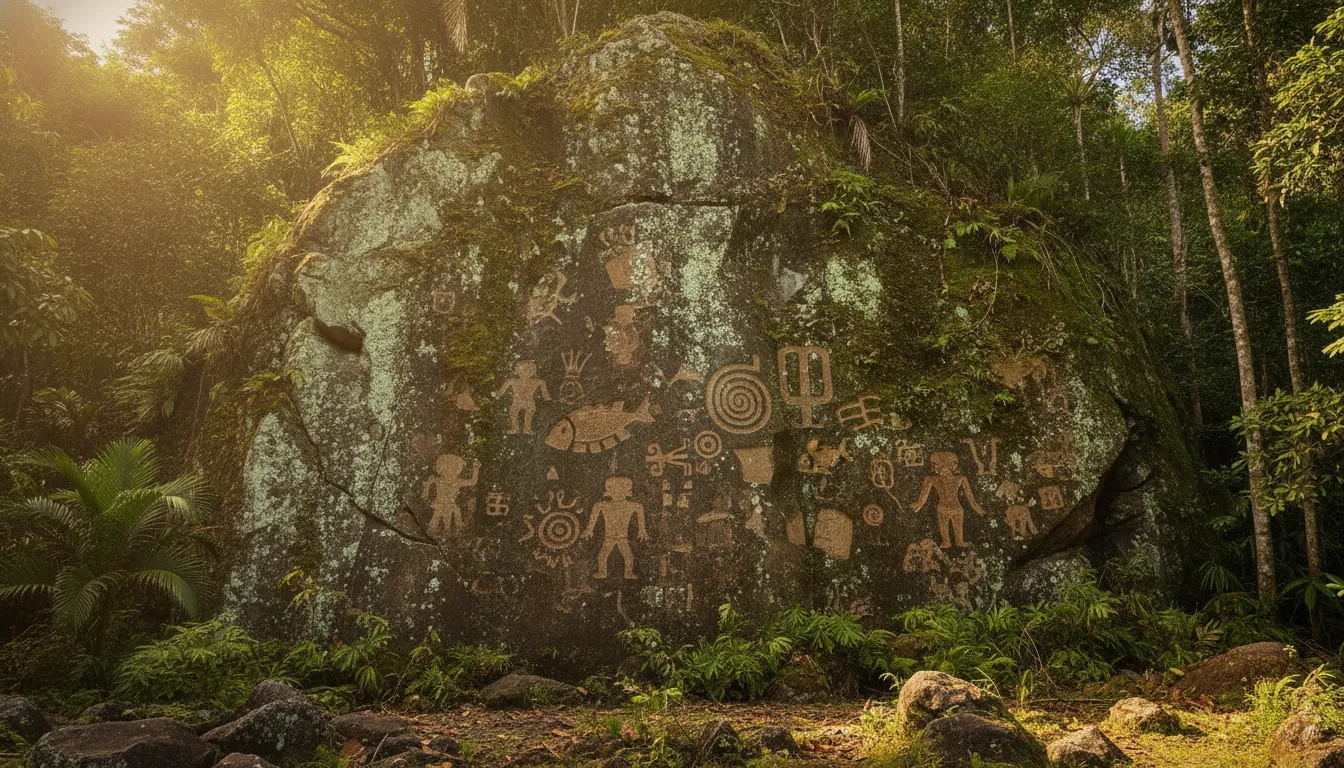
Deep in the emerald interior of a remote Pacific island, where the jungle canopy embraces ancient secrets and time seems to slow to a whisper, lies a massive basalt canvas. It's a mysterious gallery of ancient petroglyphs, etched by hands unknown, revealing a saga lost to the mists of prehistory. Forget the well-trodden paths to famous ruins; this is an adventure into the true heart of Micronesia’s untold past. Welcome to Pohnpaip, a place so hidden, so profoundly untouched, that merely standing before its enigmatic carvings feels like peering through a veil into another dimension. If you crave discovery, if your soul yearns for the thrill of uncovering forgotten wonders, then Pohnpaip Petroglyphs in the Federated States of Micronesia isn't just a destination – it's a pilgrimage.
The Unseen Wonders of Pohnpaip: Why This Site is a Must-See
Most travelers to Pohnpei Island might have heard of Nan Madol, the Venice of the Pacific, with its towering basalt city rising from the lagoon. And indeed, Nan Madol is breathtaking. But Pohnpaip offers something profoundly different, something arguably even more ancient and mysterious. While Nan Madol speaks of a sophisticated civilization that flourished just a few centuries ago, Pohnpaip whispers tales from millennia past, from a time before written history, before even the foundational legends of modern Pohnpeian culture. These aren't just carvings; they are echoes from a forgotten era, a haunting glimpse into the very dawn of human presence in Micronesia.
What makes Pohnpaip Petroglyphs so uniquely compelling? Firstly, their sheer age. Believed to be thousands of years old, these intricate designs predate known Pohnpeian civilizations by a significant margin. This makes them among the oldest human artifacts in the entire Pacific, offering an invaluable, albeit undecipherable, record of early island life. Secondly, their isolation. Unlike more accessible historical sites, Pohnpaip is truly hidden. Reaching it requires a journey deep into the island's dense, vibrant interior – a trek that itself is an adventure, immersing you in the raw, untamed beauty of tropical rainforest. The reward? An encounter with art so ancient, so unexplained, that it sparks an immediate and profound sense of wonder and curiosity.
Imagine standing before a vast rock face, dappled by sunlight filtering through the canopy, tracing the outlines of human figures with elongated limbs, graceful sea creatures, and abstract symbols that defy easy interpretation. Each carving is a question mark, a puzzle piece from a lost culture, inviting endless speculation about who created them, why, and what stories they were meant to tell. This isn't just sightseeing; it's an archaeological mystery unfolding before your very eyes, a direct connection to the earliest human inhabitants of this remote corner of the world.
A Journey Through Time: History and Background of Pohnpaip
The true history of the Pohnpaip Petroglyphs is shrouded in the mists of prehistory, largely unknown and unwritten. This ambiguity, however, is precisely what fuels their allure. What we do know is primarily based on archaeological dating and comparative studies with other ancient rock art found across the Pacific. The consensus points to an age stretching back thousands of years, placing their creation firmly in the realm of Pohnpei's earliest settlers, long before the rise of the Saudeleur Dynasty that built Nan Madol.
The creators of these petroglyphs were likely among the first waves of navigators and settlers who embarked on incredible voyages across the vast Pacific Ocean, using sophisticated outrigger canoes and deep knowledge of stars and currents. These were resourceful, resilient people who adapted to the rich, volcanic islands, establishing communities and developing unique spiritual and social practices. The Pohnpaip carvings are one of the few tangible remnants of their existence, a silent testament to their artistry and worldview.
Local legends and oral histories in Pohnpei, while extensive, often focus on more recent dynastic periods. The Pohnpaip Petroglyphs, by virtue of their extreme age, often fall outside the scope of these narratives, leaving their specific purpose open to scholarly debate and fascinating conjecture. Were they spiritual offerings, meant to communicate with deities or ancestors? Were they astronomical markers, charting the movements of celestial bodies vital for navigation and agriculture? Perhaps they served as territorial markers, signifying claims to important land or resources. Or could they be a form of ancient storytelling, depicting significant events, myths, or the daily lives of their creators?
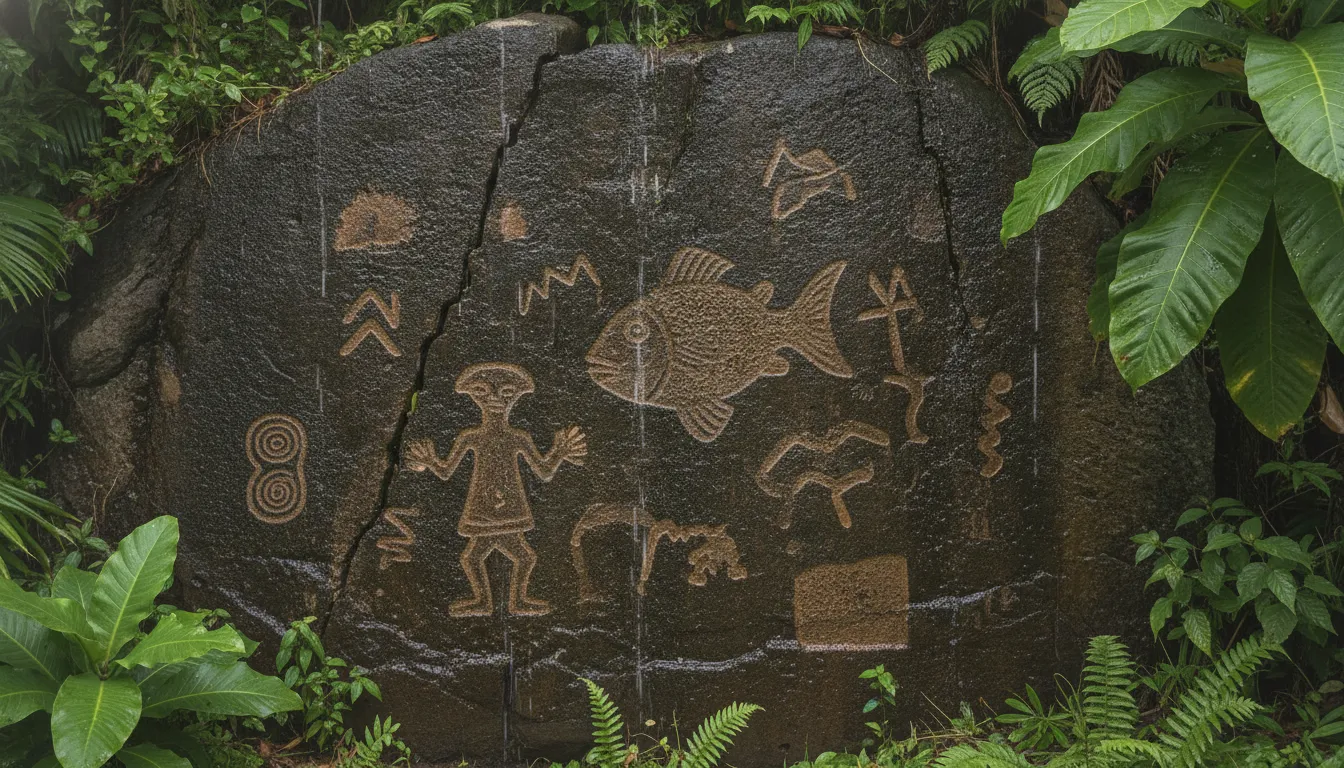
The designs themselves offer tantalizing clues: elongated human figures, often depicted frontally or in profile, some with elaborate headdresses or gestures; various marine creatures like fish, turtles, and possibly even sharks, reflecting the deep connection these islanders had with the ocean; and a range of abstract symbols – circles, spirals, geometric patterns – whose meanings are now lost to us. Each symbol is a piece of a larger, untold narrative, a window into the minds and beliefs of a people who once thrived in this very jungle, their lives intimately intertwined with the land and sea.
What You'll Witness at This Ancient Gallery
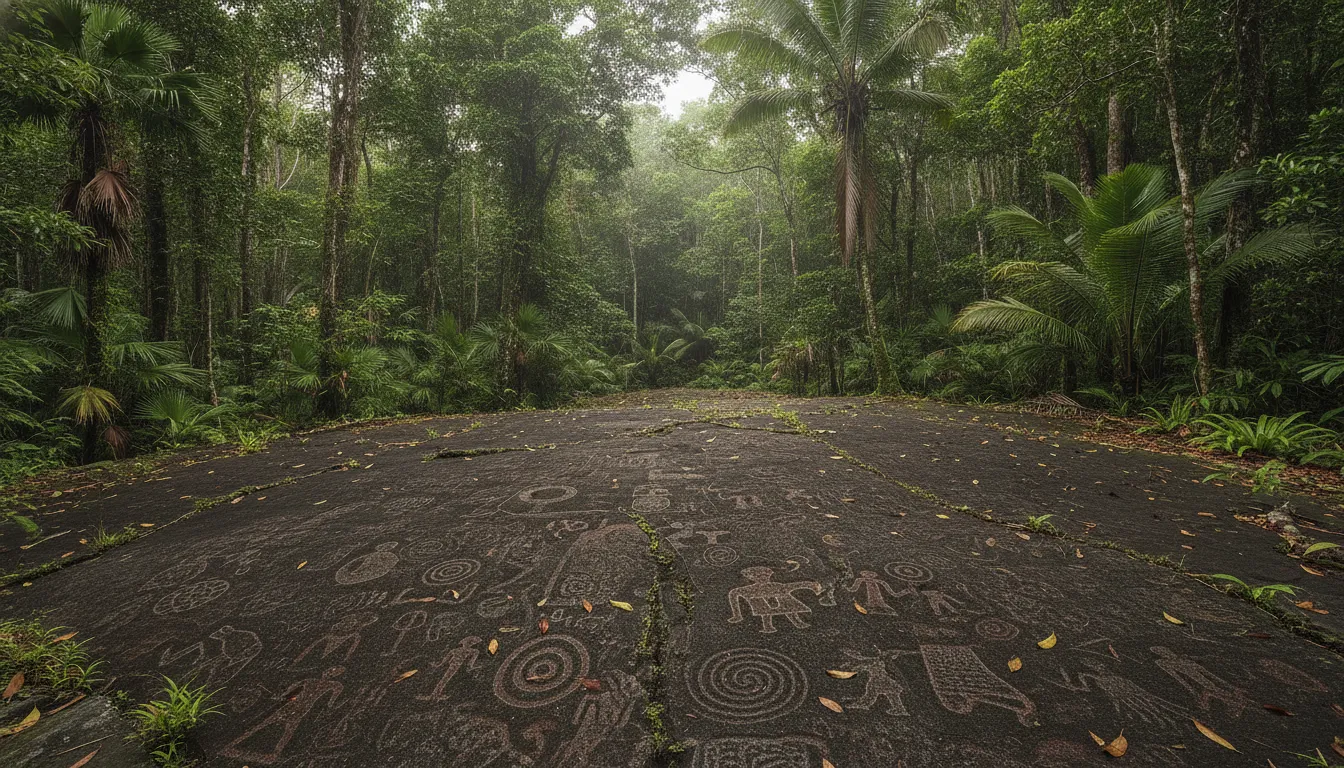
The journey to Pohnpaip is an integral part of the experience. It typically involves a drive deep into the interior from Kolonia, Pohnpei's capital, often requiring a sturdy 4x4 vehicle to navigate the sometimes-challenging terrain. From the end of the road, a local guide will lead you on a trek through the dense, humid rainforest. The path, often muddy and winding, is alive with the sounds of exotic birds, the rustling of unseen creatures, and the vibrant symphony of tropical life. This immersion into the natural world heightens the sense of anticipation, preparing you for the profound encounter ahead.
Finally, you arrive at the site. It's not a grand temple or a sprawling city, but rather a monumental basalt rock outcrop, often partially covered by moss and ferns, rising majestically from the jungle floor. As your eyes adjust, the intricate carvings begin to emerge from the dark volcanic rock. You'll trace the lines of ancient figures: a human form with outstretched arms, perhaps in supplication or celebration; a graceful turtle, its shell etched with meticulous detail; abstract spirals that seem to pulse with forgotten energy. The scale of some of the carvings is impressive, spanning several feet, while others are more delicate and subtle.
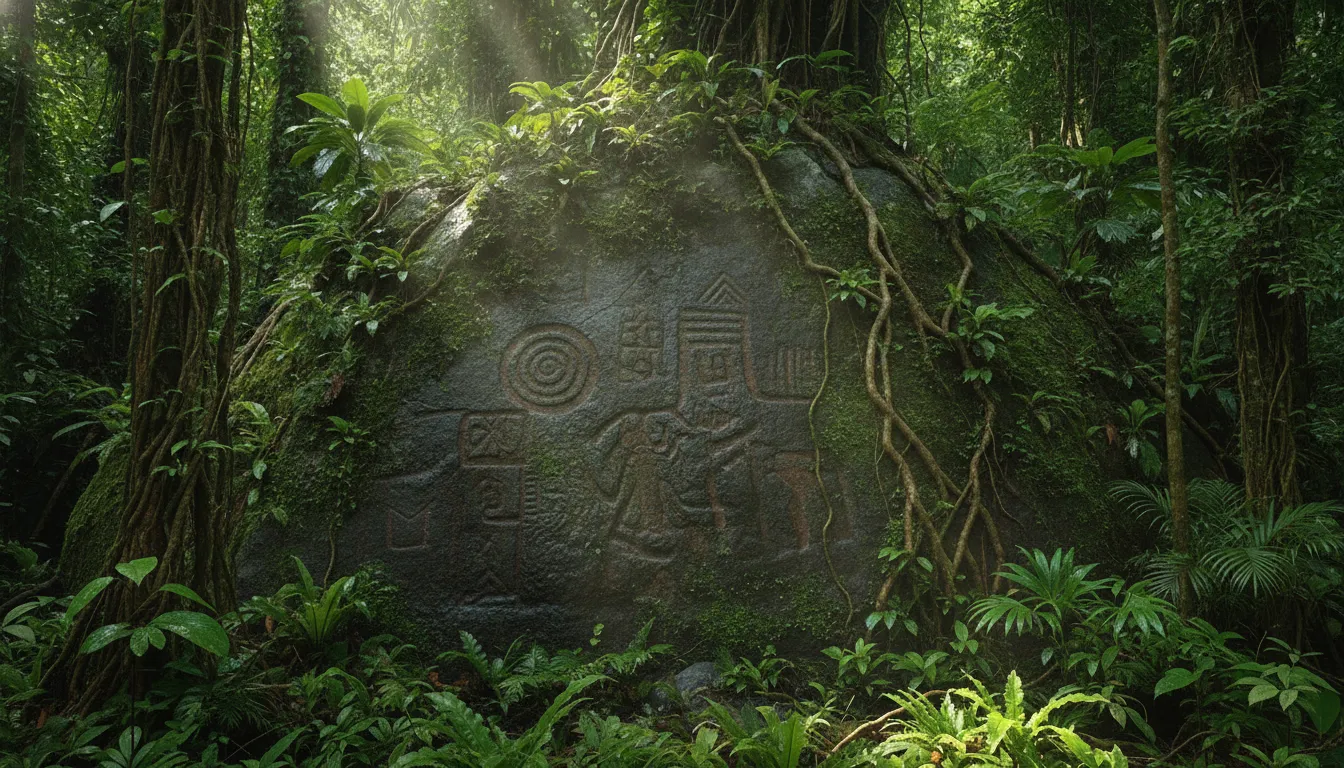
The atmosphere at Pohnpaip is truly unique. It’s quiet, save for the jungle’s gentle hum, and imbued with an undeniable sense of ancient presence. You can almost feel the hands of the creators, thousands of years ago, painstakingly chipping away at the hard basalt with stone tools, imbuing their art with purpose and meaning. It's a place that encourages contemplation, sparking your imagination to fill in the blanks of history. You'll find yourself wondering about their lives, their beliefs, their struggles, and their triumphs, all reflected in these enduring rock masterpieces.
Beyond the petroglyphs themselves, the surrounding jungle is a spectacle of biodiversity. Towering trees draped in vines, vibrant orchids clinging to branches, and the constant chorus of unseen wildlife create a sensory feast. It’s a reminder of the enduring power of nature and how these ancient artworks have been preserved, silently, for millennia within its embrace. This isn't just an archaeological site; it's an experience that connects you deeply to both human history and the raw, untamed beauty of the Pacific.
Practical Tips for Your Pohnpaip Adventure
Venturing to Pohnpaip Petroglyphs is an expedition, not just a casual visit. Proper planning and respect for the environment and local culture are paramount for an enjoyable and responsible experience.
Getting There & Guides:
Pohnpaip is not signposted and requires local knowledge to find. You absolutely need to hire a local guide. Guides can be arranged through your accommodation in Kolonia or through the Pohnpei Visitors Bureau. A 4x4 vehicle is often necessary for the drive to the trailhead, followed by a hike that can range from moderate to challenging depending on recent weather conditions.
What to Bring:
- Sturdy Footwear: Waterproof hiking boots are highly recommended as trails can be muddy and slippery.
- Insect Repellent: The jungle is home to mosquitoes and other insects.
- Water: Bring plenty of drinking water to stay hydrated.
- Rain Gear: Tropical showers can occur at any time, so a light rain jacket is advisable.
- Sun Protection: A hat, sunglasses, and sunscreen are useful for exposed areas or during the drive.
- Snacks: Energy bars or other snacks are good for the trek.
- Camera: To capture the incredible scenery and the petroglyphs (but be mindful of moisture and humidity).
- Small Backpack: To carry your essentials comfortably.
Respect & Preservation:
These petroglyphs are invaluable cultural heritage. Do not touch the carvings, as the oils from your skin can degrade them over time. Do not attempt to clean them or remove any moss. Stick to marked paths, do not litter, and take nothing but photographs and memories. Always follow your guide's instructions, as they are the custodians of this sacred land.
Best Time to Visit:
The dry season, generally from December to April, offers the most favorable conditions for hiking, with less mud and fewer rain showers. However, Pohnpei is known for its consistent rainfall, so be prepared for tropical weather at any time of year.
A visit to Pohnpaip Petroglyphs is more than just seeing ancient art; it's an immersive journey into the heart of Micronesia's untamed beauty and its deep, mysterious past. It's an experience that will leave you with a profound sense of wonder, a deeper appreciation for human history, and stories that few others can tell. Are you ready to answer the call of the unknown?
Essential Travel Information
- Location Pohnpaip Petroglyphs, Federated States of Micronesia
- Best Time December to April (dry season)
- Getting There Hire a local guide in Kolonia, Pohnpei for a 4x4 drive and jungle hike to the site.
- Airport Pohnpei International Airport (PNI)
- Budget Mid-range (approx. $100-200 USD per day, excluding international flights, including guide/transport)
- Language Pohnpeian, English
Find Places to Stay Near Pohnpaip Petroglyphs
Compare hotels, hostels, and unique stays in Federated States of Micronesia.
Search AccommodationTours & Experiences Near Pohnpaip Petroglyphs
Book guided tours, day trips, and unique experiences.
Browse Tours