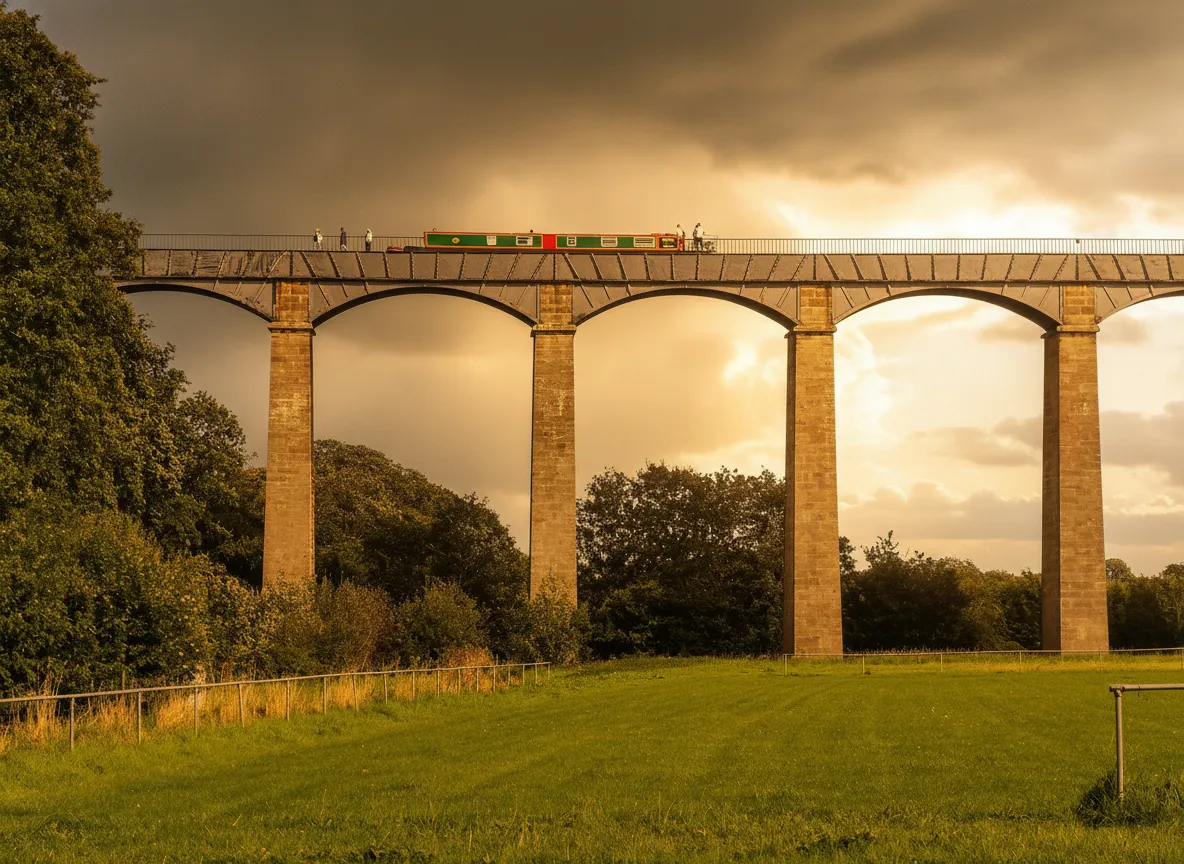
Imagine sailing a narrowboat across a vast valley, hundreds of feet in the air, on a gravity-defying "water bridge" built over two centuries ago. Sound like something out of a fantastical dream? This isn't fiction. This is the **Pontcysyllte Aqueduct** in Wrexham County Borough, Wales, a breathtaking testament to human ingenuity and a travel experience unlike any other. Tucked away in the stunning Welsh landscape, this UNESCO World Heritage Site isn't just a historical relic; it's a living, breathing, navigable marvel that continues to awe and inspire all who encounter it. Prepare to have your perceptions of engineering, history, and even gravity, completely redefined.
Pontcysyllte: A Water Bridge to the Sky
What makes the Pontcysyllte Aqueduct so profoundly special? It's more than just a bridge; it's a navigable cast-iron trough that carries the Llangollen Canal over the River Dee valley. Standing an astonishing 126 feet (38 meters) high and stretching 1,007 feet (307 meters) long, it's often referred to as "the stream in the sky." This isn't merely a quaint historical landmark; it's a fully operational waterway that has been in continuous use since its completion in 1805. To walk its narrow towpath is to experience a thrilling blend of exhilaration and historical wonder, with panoramic views that stretch for miles across the picturesque Welsh countryside. To traverse it by narrowboat, however, is to enter a realm of sensory delight and dizzying perspective, feeling as if you're floating on air.
This isn't just an impressive structure; it's a symbol of the ambition and innovation of the Industrial Revolution. It represents a pivotal moment in engineering history, demonstrating how seemingly insurmountable natural obstacles could be overcome with audacious design and cutting-edge materials. The sense of scale, the delicate balance of the water high above the valley floor, and the sheer audacity of its construction are what elevate Pontcysyllte from a mere aqueduct to an unforgettable global treasure, truly one of the United Kingdom's most unique and fascinating hidden gems.
A Journey Through Time: History & Engineering Marvel
The story of the Pontcysyllte Aqueduct begins in the late 18th century, a time when Britain was rapidly industrialising. The burgeoning coalfields of Denbighshire needed an efficient way to transport their valuable cargo to markets further east, particularly to Shrewsbury and the Midlands. The solution was the Llangollen Canal, but one enormous problem stood in its way: the deep, wide valley of the River Dee. Conventional solutions like locks and tunnels would have been incredibly time-consuming and expensive, drastically increasing the journey time and cost.
Enter two of the most brilliant minds of the era: Thomas Telford, the pioneering civil engineer, and William Jessop, a renowned canal engineer. Together, they conceived a radical, unprecedented solution: an aqueduct that would carry the canal directly across the valley, high above the river. Telford, in particular, was known for his innovative use of cast iron, a relatively new material for such large-scale structures. His design for Pontcysyllte was revolutionary. Instead of building a massive, heavy stone structure that would require enormous foundations and buttresses, he proposed a lighter, more elegant solution.
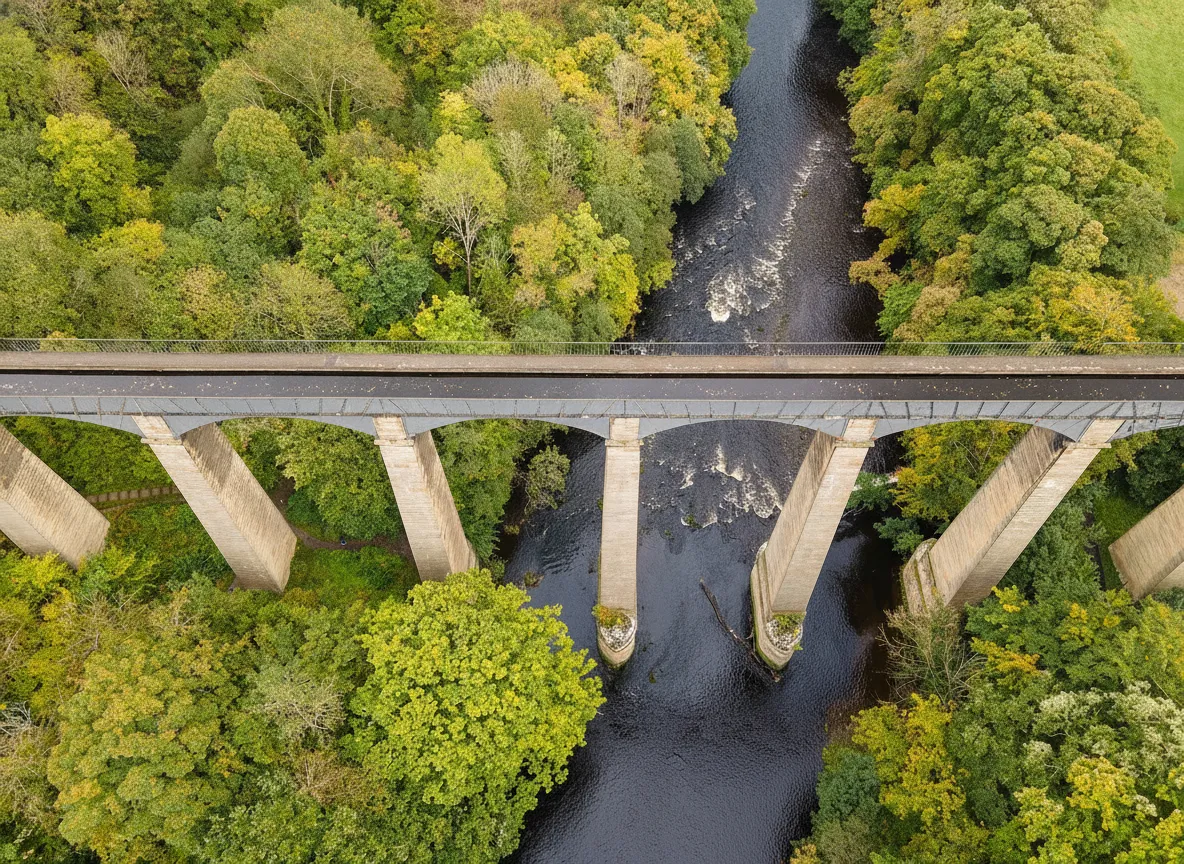
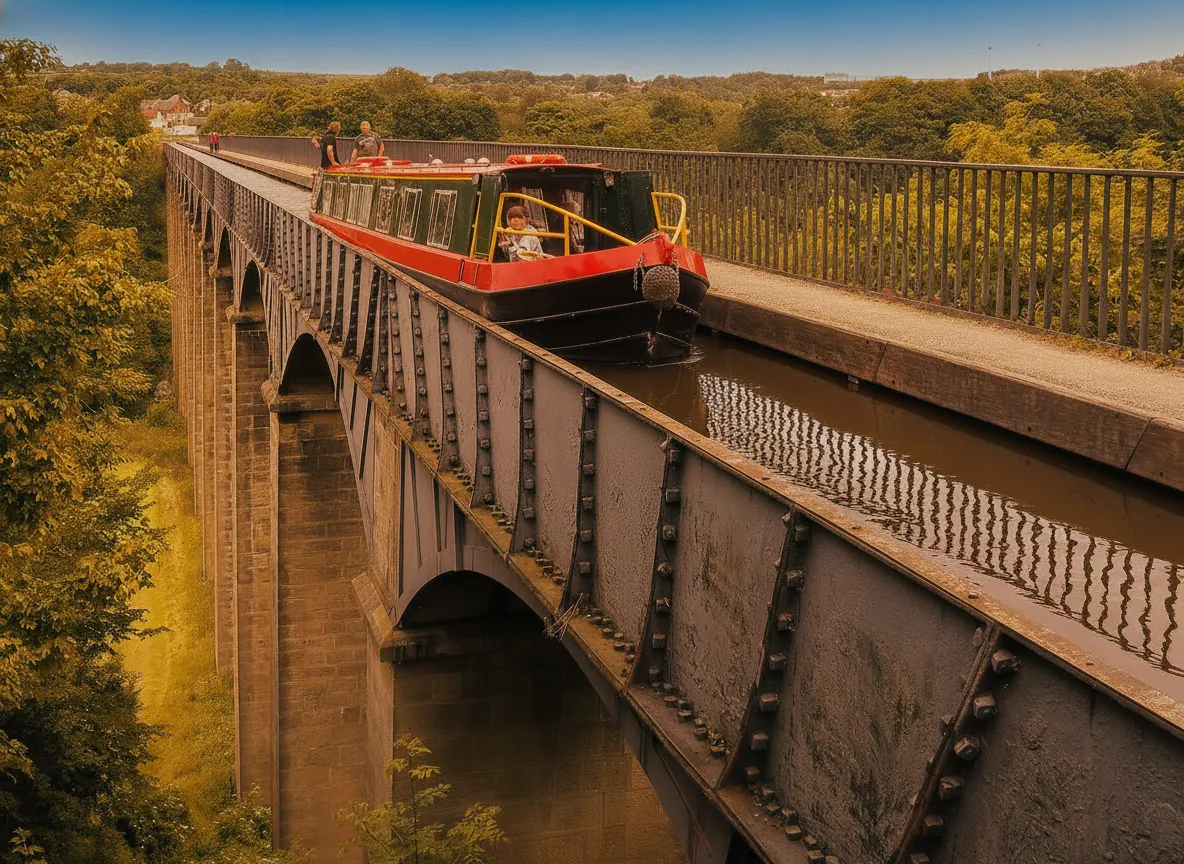
The aqueduct consists of 19 slender masonry piers, each tapering upwards, supporting a cast-iron trough that forms the canal bed. The iron sections were cast at the nearby Plas Kynaston foundry and then meticulously fitted together, sealed with Welsh flannel and lead, creating a watertight channel. The genius of the design lies not just in its use of iron, but in its 'empty box' structure – the iron plates are bolted together to form a relatively light yet incredibly strong trough. This was a departure from traditional masonry aqueducts, which were often solid and bulky. The result was a structure that was not only functional but also remarkably graceful, almost defying its industrial purpose.
Construction began in 1795 and was a monumental undertaking, involving hundreds of labourers, often working in perilous conditions. Ten years and £47,000 later (an astronomical sum at the time), the aqueduct was officially opened on 26 November 1805. It was an instant sensation, a marvel of the age, and quickly became a vital artery for trade. Remarkably, over two centuries later, the Pontcysyllte Aqueduct remains fully operational, a living monument to the vision and skill of its creators, and a testament to the enduring quality of their engineering.
Experiencing the Sky-High Waterway: What You'll See & Do
A visit to the Pontcysyllte Aqueduct offers a range of experiences, each providing a unique perspective on this extraordinary site. Whether you prefer to stay on solid ground or venture out onto the water, there’s an adventure waiting for you.
Walking the Towpath
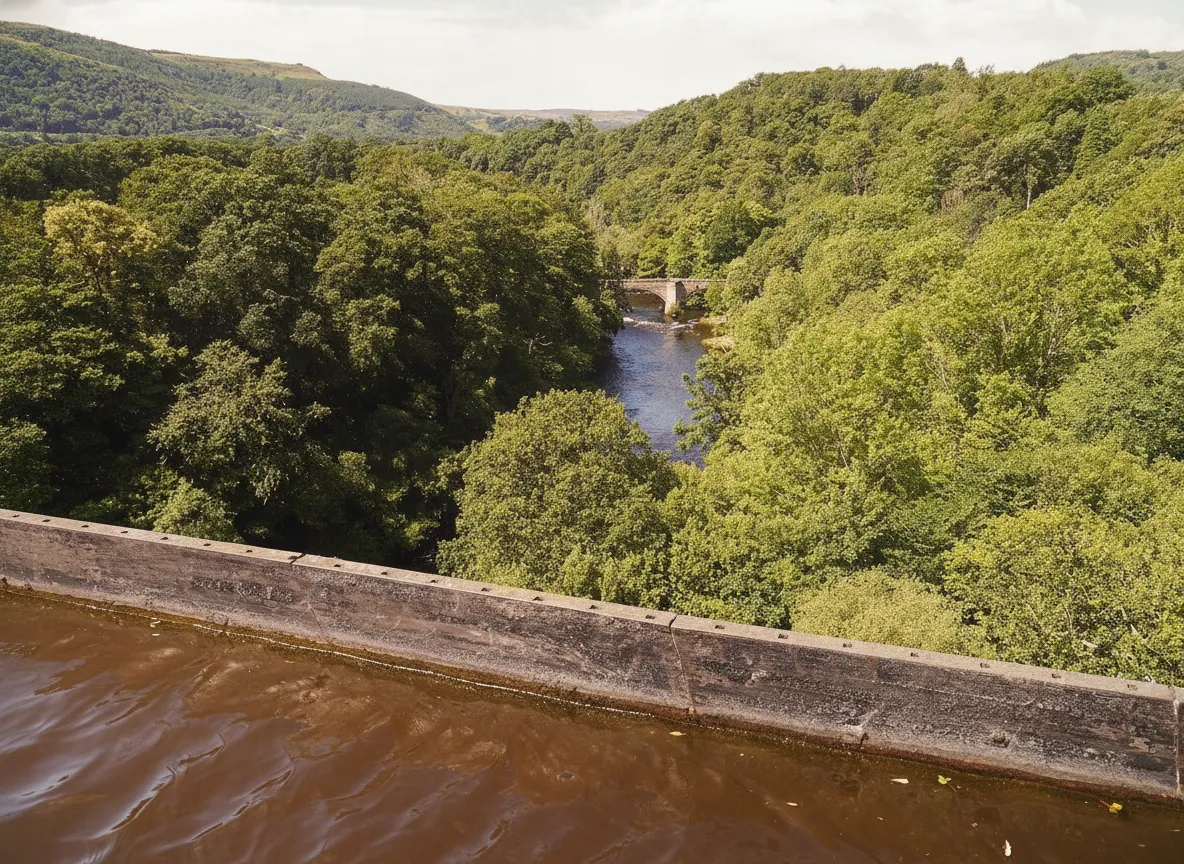
For many, the most accessible and thrilling way to experience the aqueduct is by walking its narrow towpath. This path, originally used by horses pulling barges, runs along one side of the canal trough. What makes this walk so exhilarating is the sheer drop on the canal side; there's no railing between you and the water, only the open air and the incredible 126-foot plunge to the valley floor below. On the other side, a low stone wall provides a measure of reassurance, but the sensation of being so high up, with the water just inches away from the edge, is truly unforgettable. Take your time, soak in the panoramic views of the Dee Valley, and marvel at the engineering beneath your feet. It's a fantastic spot for photography, capturing both the aqueduct's grandeur and the stunning Welsh landscape.
Narrowboat & Boat Trips
To truly appreciate the "stream in the sky" experience, you must traverse it by boat. Several local operators offer narrowboat trips from the Trevor Basin, just beside the aqueduct. As your boat glides effortlessly across the cast-iron trough, you'll feel an exhilarating sense of suspension, looking down through the water-filled channel to the river far below. It's a completely different perspective than walking, offering a serene yet thrilling journey across the valley. You can choose from shorter return trips or longer journeys along the picturesque Llangollen Canal, which itself is a delight to explore with its charming locks and scenic stretches.
Kayaking & Canoeing
For the more adventurous, kayaking or canoeing across the aqueduct provides an even more intimate connection with the water and the structure. Paddling your own craft across the elevated waterway is an unparalleled experience, allowing you to feel every ripple and truly appreciate the unique environment. Several local companies offer hire or guided tours, making this an accessible option for those seeking a bit more thrill.
Views from Below
Don't forget to explore the area from the valley floor. Park near the River Dee and walk beneath the towering piers of the aqueduct. From this vantage point, you can truly grasp the monumental scale of the structure and appreciate the elegant design of Telford and Jessop. It's an excellent spot for photos, capturing the aqueduct stretching majestically across the sky, with boats seemingly floating in mid-air above you.
Practical Tips for Your Unforgettable Visit
Planning your trip to the Pontcysyllte Aqueduct will ensure a smooth and memorable experience. Here's what you need to know:
Getting There
- By Car: The aqueduct is easily accessible by car, located near the village of Trevor, between Llangollen and Wrexham. There are dedicated car parks (some paid) at the Trevor Basin, which is the main hub for visitors. Use postcode LL20 7TY for navigation.
- Public Transport: Wrexham is the nearest major town with a train station, connecting to larger cities like Chester and Shrewsbury. From Wrexham, local bus services (e.g., the Arriva Cymru X94 service) can take you to the Trevor Basin.
Best Time to Visit
The aqueduct is open year-round, but the best time to visit for pleasant weather and lush scenery is from **late spring to early autumn (May to September)**. During these months, boat trips are more frequent, and the surrounding countryside is at its most vibrant. Weekends and school holidays can be busy, so consider visiting on a weekday morning or late afternoon for a more tranquil experience.
What to Bring
- Comfortable Footwear: Essential for walking the towpath.
- Camera: You'll want to capture the stunning views.
- Water & Snacks: While there are cafes nearby, having your own provisions is always a good idea.
- Waterproofs: This is Wales; weather can change quickly!
- Binoculars: For spotting wildlife or enjoying distant views.
Accessibility
The towpath itself is narrow and has a sheer drop on one side, which may be challenging for those with mobility issues or vertigo. However, the visitor centre, amenities, and views from the Trevor Basin and parts of the valley floor are generally accessible. Boat trips can also be a more comfortable option for some.
Nearby Attractions
Extend your visit by exploring the charming market town of Llangollen, home to the Llangollen Railway (a heritage steam railway) and the picturesque Horseshoe Falls, which feeds the Llangollen Canal. The dramatic ruins of Castell Dinas Bran offer another incredible viewpoint over the Dee Valley, though it requires a steep hike.
The Pontcysyllte Aqueduct isn't just a place to visit; it's an experience to be savoured. It’s a place where history meets breathtaking engineering, where the everyday act of a canal boat journey becomes an extraordinary adventure. Add this gravity-defying wonder to your travel list, and prepare to be utterly captivated by the stream in the sky.
Essential Travel Information
- Location Pontcysyllte Aqueduct, United Kingdom
- Best Time Late spring to early autumn (May to September)
- Getting There By car (postcode LL20 7TY for Trevor Basin parking). Train to Wrexham, then local bus (X94) to Trevor Basin.
- Airport Liverpool John Lennon Airport (LPL), Manchester Airport (MAN)
- Budget Mid-range (approx. £50-£100 per person per day, depending on activities like boat trips and food)
- Language English, Welsh
Find Places to Stay Near Pontcysyllte Aqueduct
Compare hotels, hostels, and unique stays in United Kingdom.
Search AccommodationTours & Experiences Near Pontcysyllte Aqueduct
Book guided tours, day trips, and unique experiences.
Browse Tours