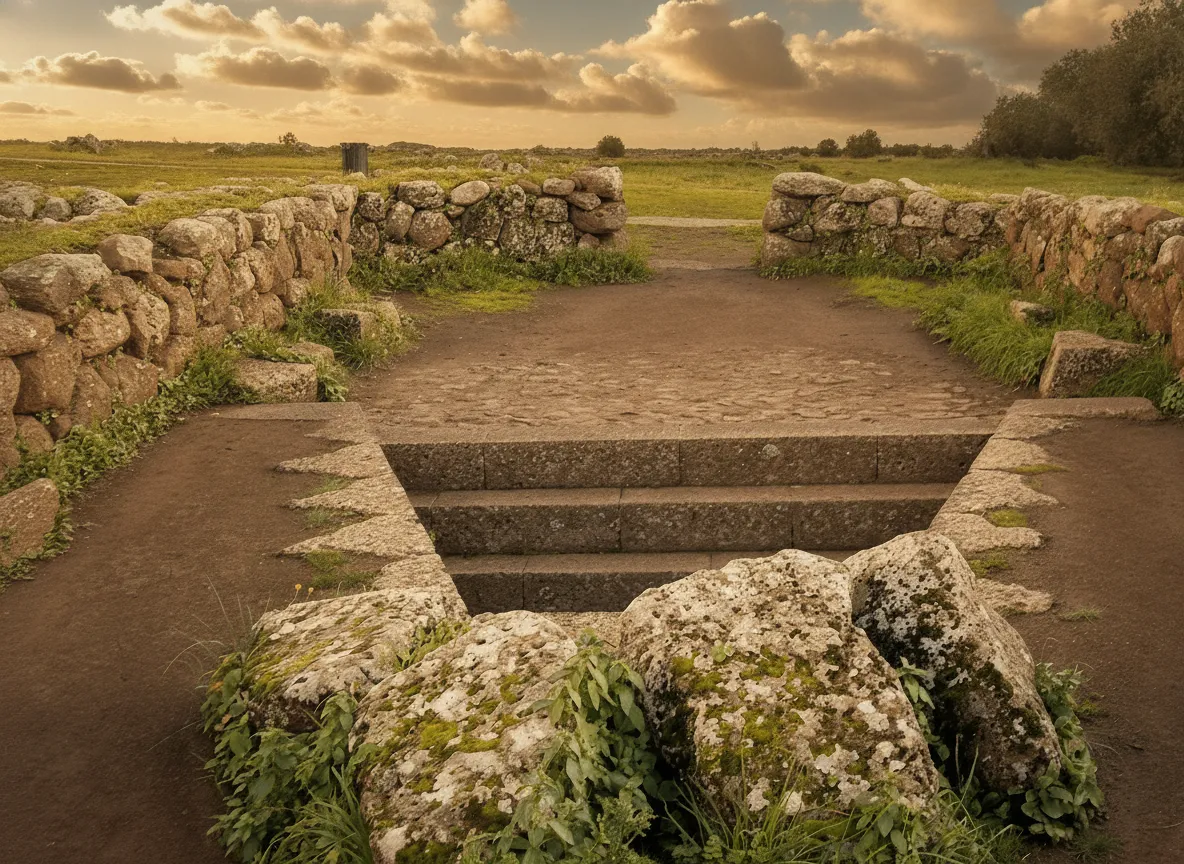
The Enigma of the Nuragic Civilization
Sardinia, an island of rugged beauty and ancient secrets, was once home to the Nuragic civilization, a people who flourished during the Bronze Age, from roughly 1800 BC to 800 BC. They are named for the *nuraghi*, the iconic conical stone towers that dot the Sardinian landscape – over 7,000 of them still stand, silent sentinels of a bygone era. But the Nuragic people were more than just builders of massive fortresses; they were sophisticated engineers, astronomers, and spiritualists whose understanding of the natural world and the cosmos far exceeded what many might expect from a "primitive" society. Their dry-stone construction techniques, employing perfectly cut and fitted basalt blocks without mortar, rivaled, and in some ways surpassed, those of contemporary civilizations. The Pozzo Sacro di Santa Cristina is perhaps their most exquisite and revealing masterpiece, offering a rare glimpse into their profound cosmological beliefs and unparalleled architectural skills.A Descent into Ancient Brilliance: What Makes Pozzo Sacro So Special
What sets the Holy Well of Santa Cristina apart is its jaw-dropping precision and celestial alignment. As you approach the site, you first encounter a large, elliptical enclosure, a sacred precinct that once housed various ritualistic structures. Within this enclosure, a distinctive keyhole-shaped opening in the earth beckons. This isn't just an opening; it's the entrance to a perfectly engineered subterranean temple. You begin your descent down a grand, 25-step staircase, carved from perfectly cut basalt blocks, each step meticulously fitted. The air grows cooler, the light dims, and a profound sense of awe washes over you.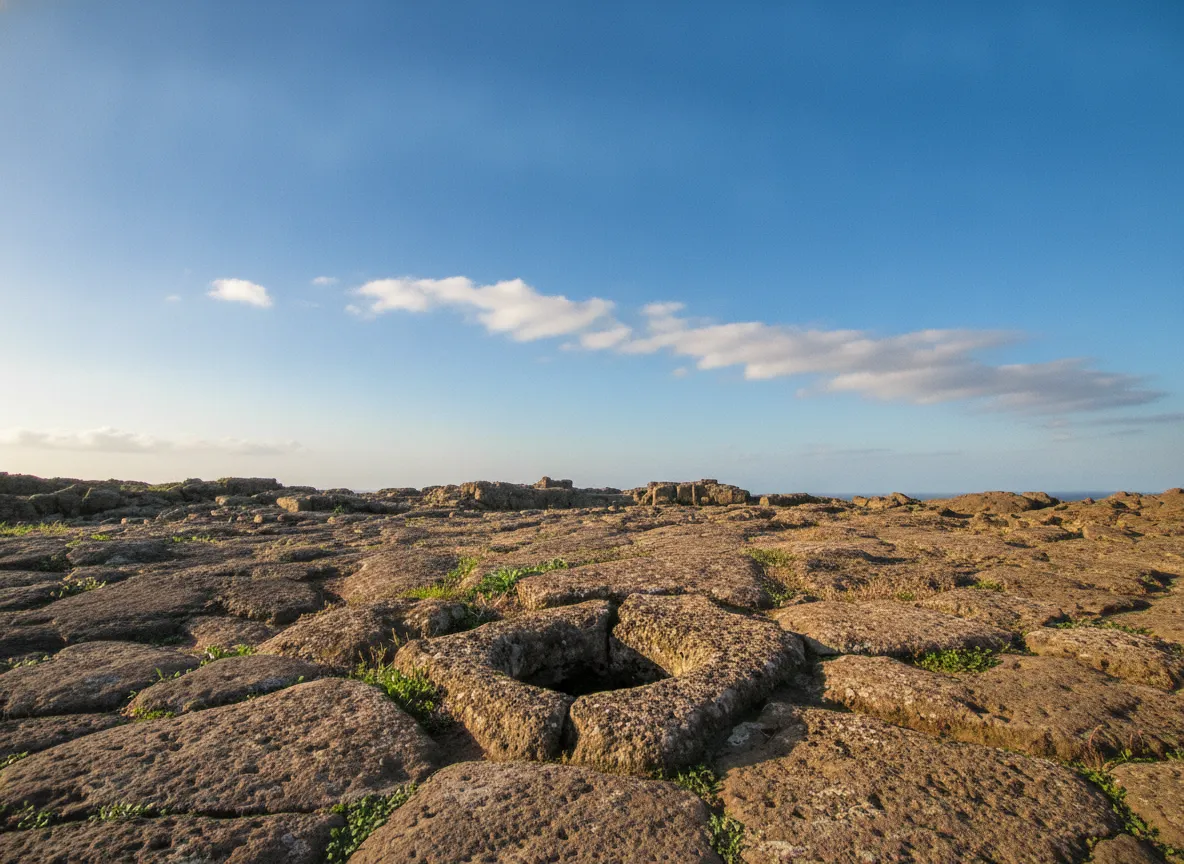 The staircase leads to a tholos chamber – a circular, beehive-shaped room with a corbelled roof. At the very bottom, a pool of crystal-clear, sacred water collects. The genius lies in the well's remarkable design: a perfect conic section. The walls of the staircase converge towards the water, creating an optical illusion and a precise conduit for light. It's here that the magic truly happens. On the spring and autumn equinoxes, an extraordinary phenomenon occurs: the full moon, at its zenith, shines directly down the well shaft, illuminating the sacred water at the bottom with pinpoint accuracy. Imagine being there, witnessing this ancient ritual, feeling the connection between earth and sky, a tradition observed for millennia. This isn't accidental; it's a deliberate act of celestial engineering, a testament to the Nuragic people's advanced astronomical knowledge and their deep reverence for lunar cycles and the cosmos. The sheer precision of the basalt blocks, cut with such exactitude that a sheet of paper cannot be slipped between them, remains an archaeological enigma. How did they achieve this level of perfection over 3,000 years ago, without modern tools? It's a question that continues to baffle experts and deepen the site's mystique.
Stepping Back 3,000 Years: A Glimpse into its History
The Pozzo Sacro di Santa Cristina dates back to the Late Bronze Age, around 1200-1000 BC, making it a contemporary of the Trojan War and the early Egyptian dynasties. Its primary function was undoubtedly religious, serving as a center for a water cult, a common practice in many ancient cultures that revered water as a source of life, healing, and spiritual purification. The celestial alignment suggests a more complex role, perhaps as an astronomical observatory or a site for specific lunar ceremonies, connecting the earthly realm with the divine cosmos. The Nuragic people believed the moon held immense power, influencing tides, fertility, and life itself. This well was their direct channel to that power. The site wasn't just the well itself. The elliptical enclosure that surrounds it suggests a larger ritualistic complex. While the well remained sacred for centuries, its use likely evolved over time, possibly even being re-used or revered by later Roman and early Christian inhabitants, who eventually gave it the name "Santa Cristina" after a nearby Christian church, hence the fascinating blend of pagan and religious heritage in its name. The well was rediscovered and excavated in the mid-20th century, revealing its astonishing secrets to the modern world and cementing its place as one of the most important archaeological sites in the Mediterranean.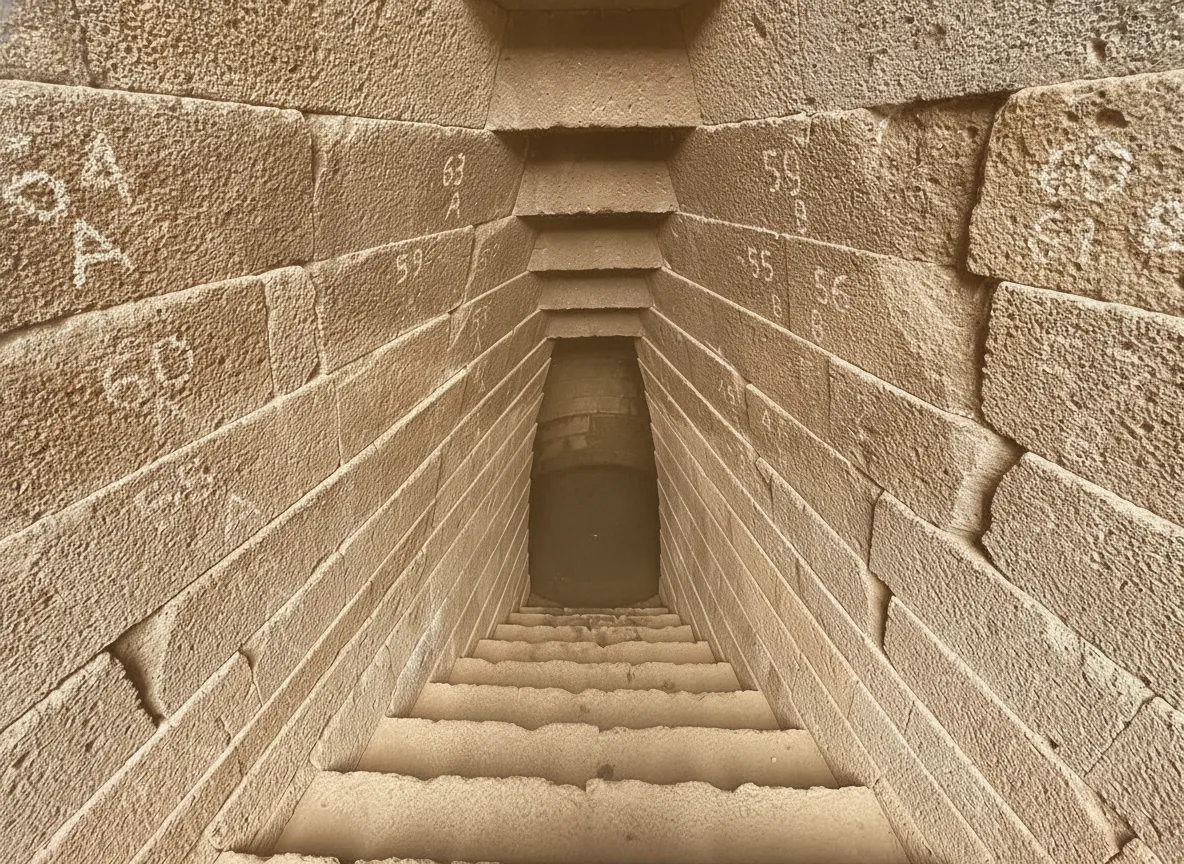
Your Journey to the Heart of the Earth: What to Expect on a Visit
Visiting the Pozzo Sacro di Santa Cristina is more than just a sightseeing trip; it’s an immersive journey into ancient history and a profound spiritual experience. The site is located near the town of Paulilatino, nestled in the central-western part of Sardinia. As you drive through the rugged Sardinian countryside, you'll feel the island's timeless energy, preparing you for the wonders ahead. Upon arrival, after a short walk from the entrance, you'll first explore the exterior sacred precinct, imagining the Nuragic priests and worshippers gathering here millennia ago. Then, the moment comes to descend. The smooth, worn basalt steps guide you deeper, each one a testament to the countless feet that have trod this path before you. The air inside is cool and still, a welcome respite from the Sardinian sun, and the silence is almost palpable, broken only by your own footsteps and the gentle drip of water. At the bottom, you'll stand in the tholos chamber, gazing into the perfectly still water, reflecting the small circle of sky above. It’s a moment of quiet contemplation, a connection to an ancient past that feels incredibly present. You'll marvel at the precision of the stonework, running your hand over the smooth, cold surfaces, trying to comprehend the skill and dedication of its builders. While the equinoxes offer the most dramatic spectacle, even on a regular day, the well's atmosphere is incredibly potent. You'll leave with a sense of wonder, a deeper appreciation for ancient civilizations, and perhaps a touch of the Nuragic spirit lingering with you.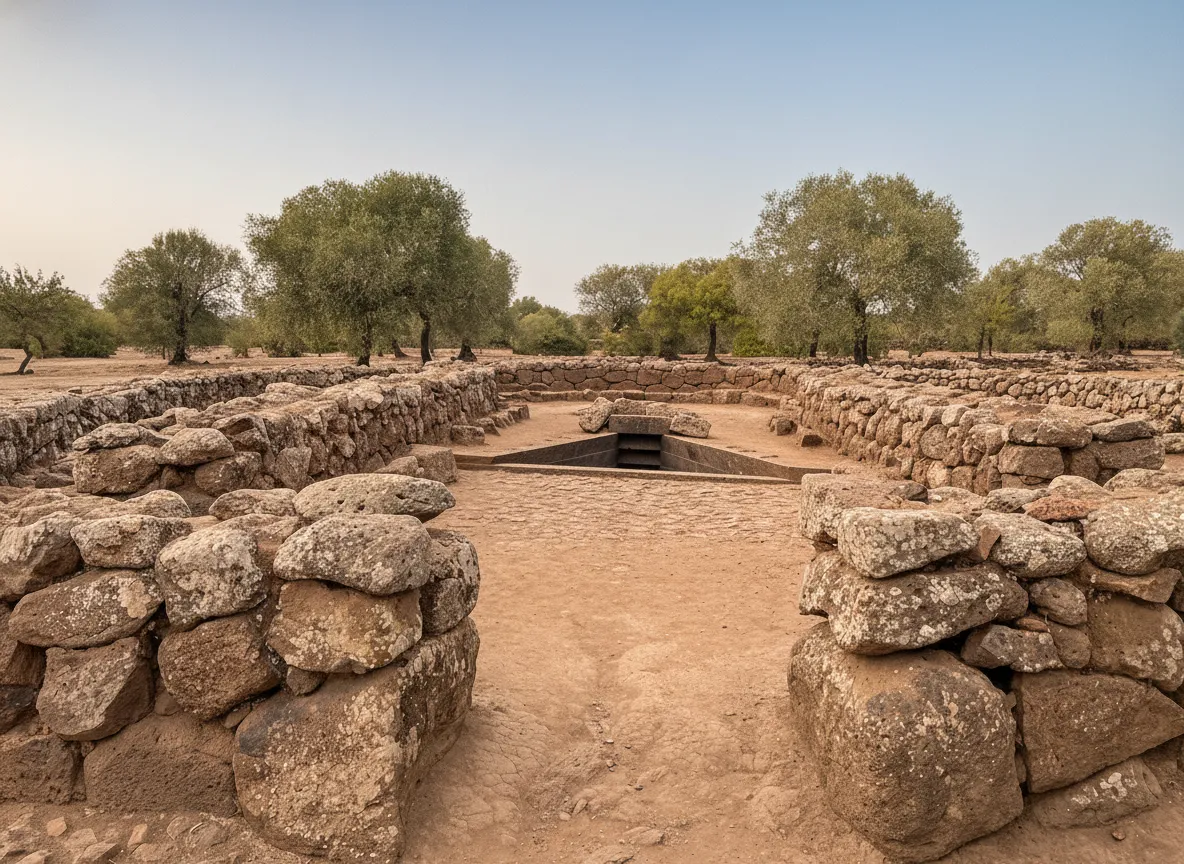
Practical Tips for Your Sardinian Adventure
Ready to embark on this incredible journey? Here’s what you need to know: * **Getting There:** Pozzo Sacro di Santa Cristina is located near the town of Paulilatino in the province of Oristano, Sardinia. It’s best accessed by car, as public transport options are limited. From Cagliari, it's about an hour and a half drive north. From Alghero, it's roughly the same duration southeast. The site is well-signposted once you get close to Paulilatino. * **Best Time to Visit:** While the equinoxes (around March 20th and September 22nd) offer the chance to witness the moon's alignment (check local moonrise/set times and site access for special events), any time of year is fascinating. Spring (April-May) and Autumn (September-October) offer pleasant temperatures and fewer crowds. Summer can be hot, but the well's interior provides a cool escape. Early mornings or late afternoons are ideal for softer light and a more serene experience. * **What to Bring:** Wear comfortable walking shoes, as you’ll be descending and ascending stairs. Bring water, especially if visiting in warmer months. A camera is a must, but remember to be respectful and mindful of others if it's busy. * **Entrance and Facilities:** There's usually a small entrance fee (a few euros), which helps maintain the site. There's a small visitor center and sometimes a cafe or restrooms nearby. Check opening hours before you go, as they can vary seasonally. * **Nearby Attractions:** Sardinia is brimming with Nuragic sites! Consider combining your visit with the magnificent Nuraghe Losa or the archaeological park of Santa Vittoria. The beautiful beaches of the west coast (like Is Arutas with its quartz sand) are also within reasonable driving distance, offering a perfect blend of history and relaxation. * **Respect the Site:** This is a sacred and ancient place. Tread lightly, stay on marked paths, and avoid touching the ancient stonework if possible. Help preserve this incredible heritage for future generations. The Pozzo Sacro di Santa Cristina isn't just a relic; it's a living testament to human ingenuity, spiritual devotion, and an enduring connection to the cosmos. It’s a place that will challenge your perceptions of ancient history and leave an indelible mark on your soul. So, when you plan your next Italian adventure, dare to venture beyond the usual, descend into the heart of Sardinia, and discover a secret that has been waiting over three millennia for you.Essential Travel Information
- Location Pozzo Sacro di Santa Cristina (Holy Well of Santa Cristina), Italy
- Best Time Spring (April-May) and Autumn (September-October) for pleasant weather. Equinoxes (March 20, Sep 22) for potential lunar alignment viewing (check local events).
- Getting There Best accessed by car, located near Paulilatino in Oristano province. Approximately 1.5 hours drive from Cagliari (CAG) or Alghero (AHO) airports.
- Airport Cagliari Elmas Airport (CAG)
- Budget Mid-range, approximate daily cost around €70-€120 including site entrance, car rental, and modest food.
- Language Italian, Sardinian
Find Places to Stay Near Pozzo Sacro di Santa Cristina (Holy Well of Santa Cristina)
Compare hotels, hostels, and unique stays in Italy.
Search AccommodationTours & Experiences Near Pozzo Sacro di Santa Cristina (Holy Well of Santa Cristina)
Book guided tours, day trips, and unique experiences.
Browse Tours