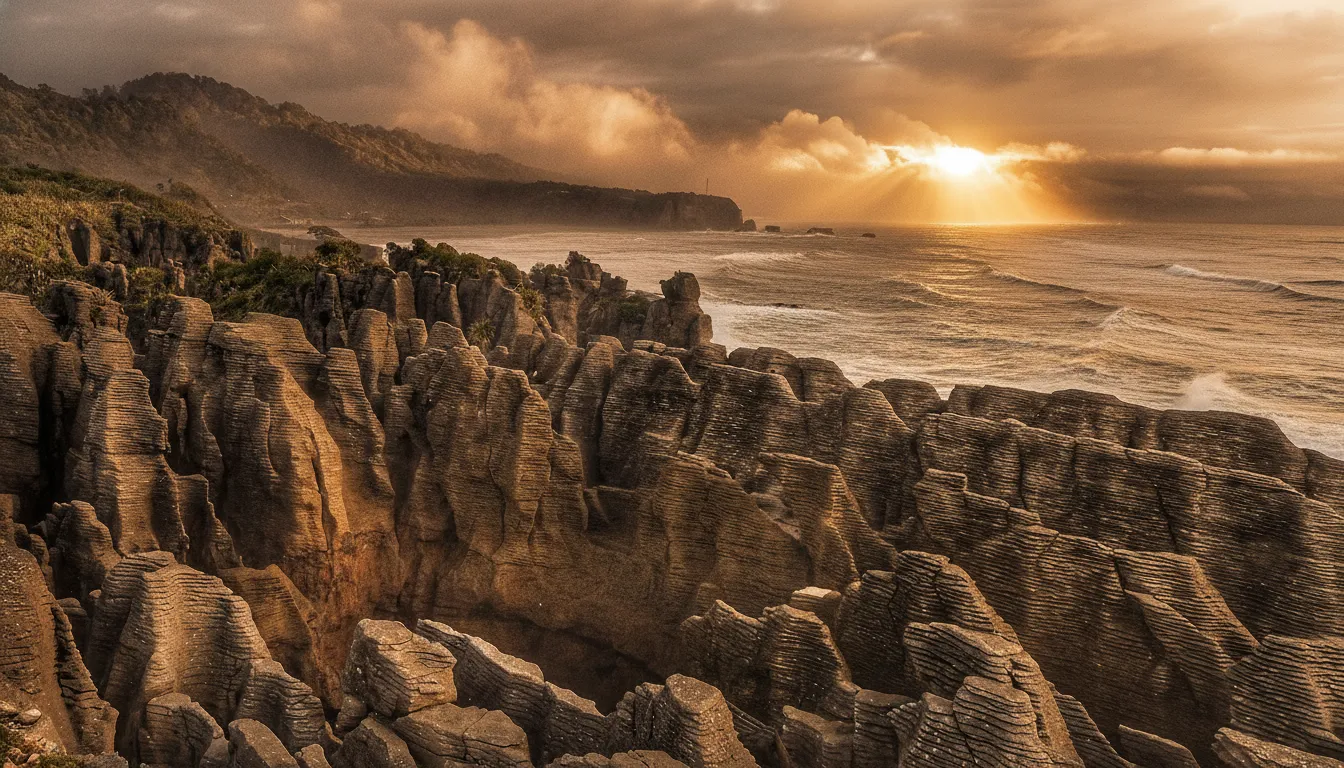
Unveiling Punakaiki: Where Nature Stacks its Pancakes
Punakaiki is more than just a scenic stop; it's a living, breathing testament to millions of years of Earth's dynamic processes. What truly sets this place apart are its namesake Pancake Rocks. These aren't just oddly shaped boulders; they are a series of heavily eroded limestone formations, sculpted by millennia of wind and waves into distinct, layered patterns that uncannily resemble giant stacks of pancakes. Picture hundreds of these formations, some towering, some forming intricate pathways, all painted in shades of grey and ochre, stretching along the Tasman Sea. It’s a landscape that invites you to stare, to marvel, and to question how such natural artistry could possibly come to be. But the pancakes are only half the show. Beneath this incredible geological tapestry lies a network of horizontal tunnels and vertical shafts, carved out by the relentless power of the ocean. During high tide, especially when the sea is rough, powerful swells surge into these hidden caverns. The water is compressed, forced upwards, and then explodes skyward through the blowholes, creating spectacular geysers of spray that can reach many metres high. The sound is equally dramatic – a deep, resonant roar that makes the very rocks seem to come alive. It's an immersive, sensory experience that reminds you of the immense, untamed power of nature.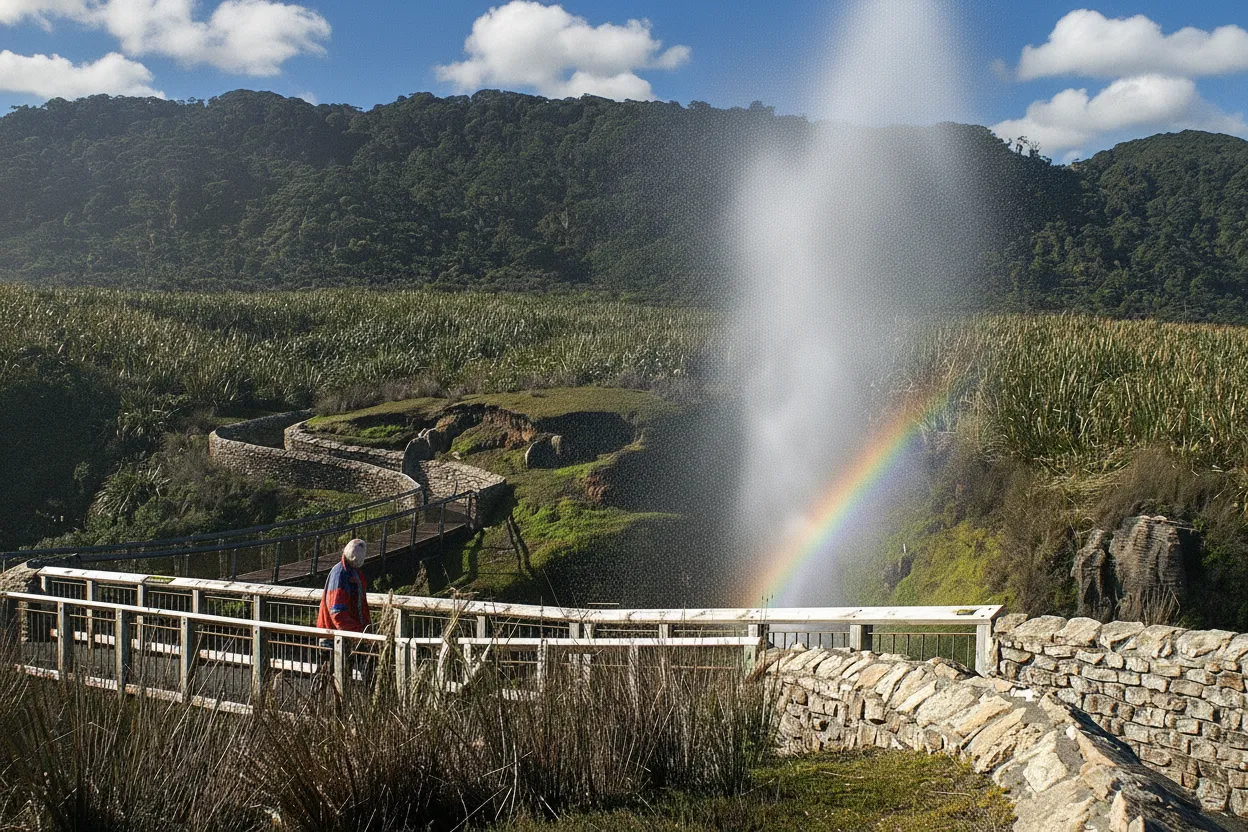
A Geological Masterpiece: How the Pancakes Were Formed
The story of the Punakaiki Pancake Rocks began approximately 30 million years ago, in a time when the West Coast of New Zealand lay submerged beneath a shallow sea. Over eons, countless marine organisms – tiny shells, corals, and other calcified remains – accumulated on the seabed, interspersed with layers of mud and sand washed down from ancient landmasses. This alternating deposition of hard shell fragments (which would become limestone) and softer muds (which would become mudstone) laid the foundation for the distinctive layered appearance we see today. As geological forces shifted, the seabed was uplifted, slowly rising above the ocean's surface. The immense pressure of the overlying sediments compressed these layers, hardening them into rock. But the story doesn't end there. Once exposed, the newly formed coastline became a battleground for the elements. The relentless Tasman Sea, with its powerful waves, began to erode the softer mudstone layers more quickly than the harder limestone. This differential erosion, combined with the constant assault of wind and rain, gradually carved out the distinctive horizontal grooves and deep crevices that give the Pancake Rocks their unique stacked appearance. The blowholes themselves are further evidence of this erosive power, where water found weaknesses in the rock, exploiting them to create the spectacular vertical shafts and horizontal tunnels that roar to life with each high tide. It’s a geological saga written in stone, a testament to the slow but unstoppable hand of nature.Experiencing the Magic: What You'll See and Do
Your journey into the heart of Punakaiki begins at the well-appointed visitor centre, where you can gather information and check tide times – a crucial detail for witnessing the blowholes at their best. From there, an easy, well-maintained loop walk guides you through this natural wonder. The path is accessible for most fitness levels and offers multiple viewing platforms, ensuring you get the best angles for both the rock formations and the ocean spectacle. As you wander, you'll be surrounded by the intricate textures of the Pancake Rocks. Take your time to observe the delicate stratification, the way the layers seem to fold and intertwine, creating natural sculptures that ignite the imagination. Children often delight in spotting shapes and faces within the rocks, adding an element of playful discovery to the experience. Then, as you approach the viewing platforms overlooking the blowholes, prepare for the main event. The air fills with the deep, resonant "whoosh" and "roar" as the ocean's power is unleashed. One moment, the sea looks relatively calm, the next, a towering plume of white spray erupts from seemingly nowhere, often accompanied by a thunderous sound that vibrates through the rock beneath your feet. It's a truly exhilarating moment, a visceral connection to the raw power of the Tasman Sea. Photographing the blowholes requires patience and timing, but capturing that perfect eruption is incredibly rewarding.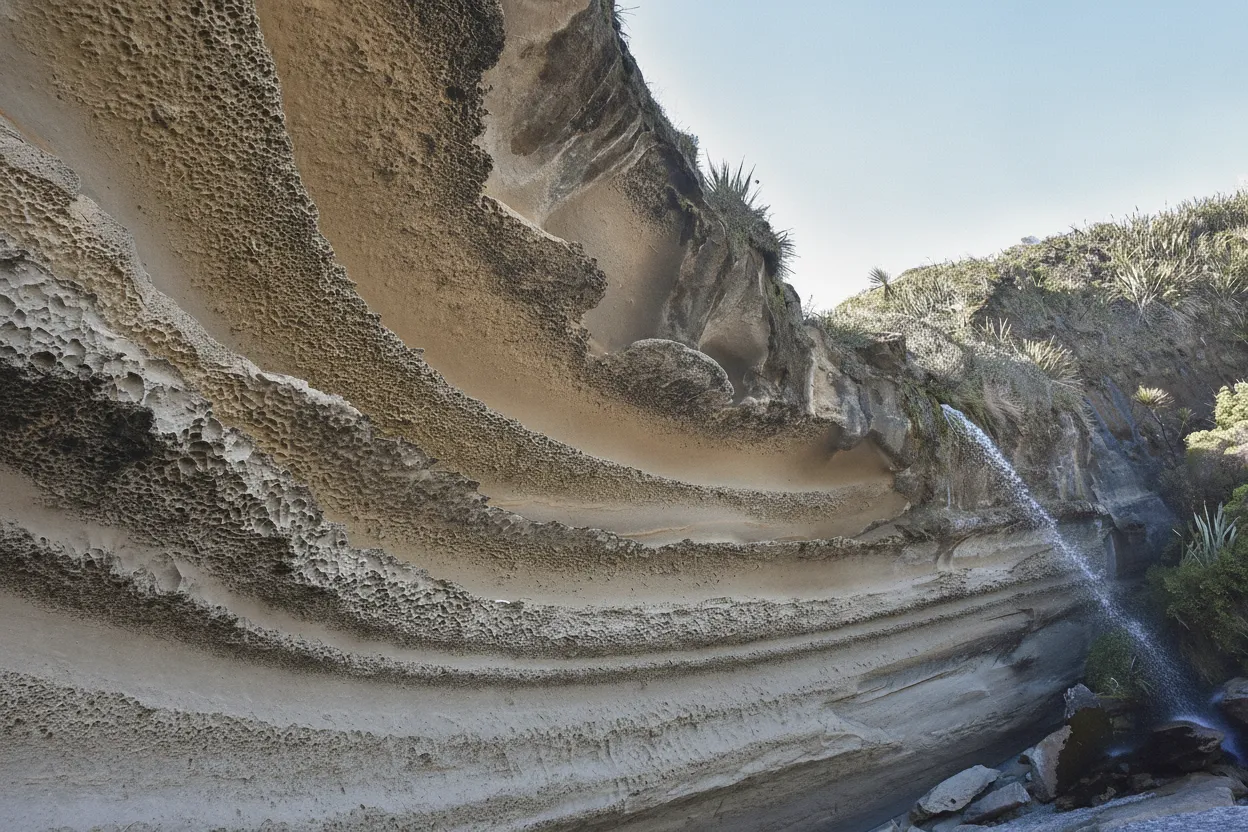 Beyond the immediate Pancake Rocks experience, Punakaiki is nestled within the breathtaking Paparoa National Park. This park protects a stunning stretch of coastline, home to lush native bush that tumbles down to meet the dramatic shore. You can explore further along the Truman Track, a short walk that leads to a secluded beach and impressive limestone cliffs, offering different perspectives of the West Coast's wild beauty. The area also boasts charming local cafes where you can grab a coffee or a bite to eat, reflecting on the incredible sights you've just witnessed.
Timing is Everything: Practical Tips for Your Visit
To truly appreciate the full spectacle of Punakaiki, **timing is paramount**. The blowholes are most active around high tide, and even more impressive when coupled with a strong ocean swell. Before you set off, check local tide tables – these are readily available online, at the Punakaiki Visitor Centre, or at nearby accommodation providers. Aim to arrive about an hour before high tide to give yourself ample time to explore and find the best viewing spots as the water level rises. The West Coast of New Zealand is renowned for its changeable weather. While sunny days are glorious, even a moody, overcast day with a strong swell can enhance the dramatic atmosphere of the Pancake Rocks. Come prepared with layers, including a waterproof jacket, as ocean spray and sudden showers are common. Comfortable walking shoes are a must for navigating the loop track. The walk itself is well-maintained and suitable for most ages and abilities, including those with strollers or wheelchairs, as a significant portion is boardwalk. However, always stick to the marked paths for your safety and to protect the fragile environment. When taking photos, be mindful of the spray – it can be surprising how far it travels! Protect your camera gear accordingly. Beyond the main attraction, consider staying a night or two in the Punakaiki area. This allows you to explore Paparoa National Park more deeply, perhaps tackling one of its longer walks like the Pororari River Track or the Paparoa Track (a multi-day Great Walk for the more adventurous). You'll also have the chance to witness the stunning West Coast sunsets, painting the sky in fiery hues over the Tasman Sea.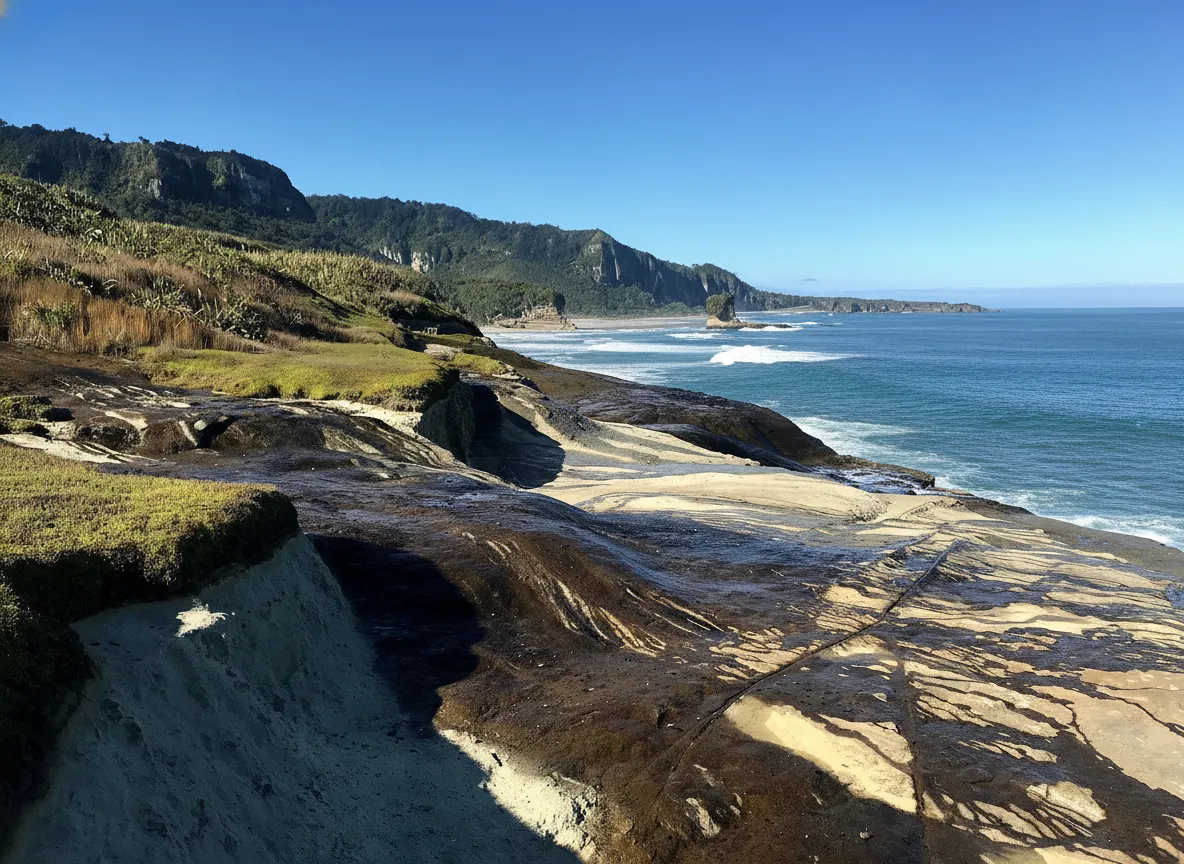
Beyond the Rocks: Exploring the Wild West Coast
Punakaiki is a jewel in the crown of New Zealand's West Coast, a region celebrated for its untamed natural beauty, rich gold mining history, and laid-back charm. While the Pancake Rocks and Blowholes are undoubtedly a highlight, they are just one facet of what makes this region so captivating. From the glaciers of Franz Josef and Fox to the jade-carving artistry of Hokitika, and the dense rainforests that meet the roaring ocean, the West Coast offers an endless array of adventures. Spending time here means embracing the wild, connecting with nature on a profound level, and discovering a side of New Zealand that is rugged, authentic, and utterly unforgettable. Punakaiki serves as a perfect introduction to this raw beauty, inviting you to delve deeper into a land shaped by immense natural forces. So, if you're planning a trip to New Zealand, don't just skim past this extraordinary destination. Add Punakaiki to your itinerary. Allow yourself to be swept away by the geological marvels, the thundering blowholes, and the sheer, untamed beauty of the West Coast. It’s an experience that promises wonder, excitement, and a deep appreciation for the artistry of our planet.Essential Travel Information
- Location Punakaiki Pancake Rocks and Blowholes, New Zealand
- Best Time High tide is essential for blowholes (check local tide tables). Generally, spring (Sep-Nov) and autumn (Mar-May) offer pleasant weather and fewer crowds. Summer (Dec-Feb) is popular but can be busy.
- Getting There Punakaiki is located directly on State Highway 6 (SH6) on the West Coast of the South Island, approximately 45 minutes north of Greymouth and 1 hour 15 minutes south of Westport.
- Airport Hokitika Airport (HKI) for domestic flights, Christchurch International Airport (CHC) for international arrivals.
- Budget Budget/Mid-range (the attraction itself is free, but accommodation and food costs vary, approx. NZD $100-200+ per day depending on choices).
- Language English, Māori
Find Places to Stay Near Punakaiki Pancake Rocks and Blowholes
Compare hotels, hostels, and unique stays in New Zealand.
Search AccommodationTours & Experiences Near Punakaiki Pancake Rocks and Blowholes
Book guided tours, day trips, and unique experiences.
Browse Tours