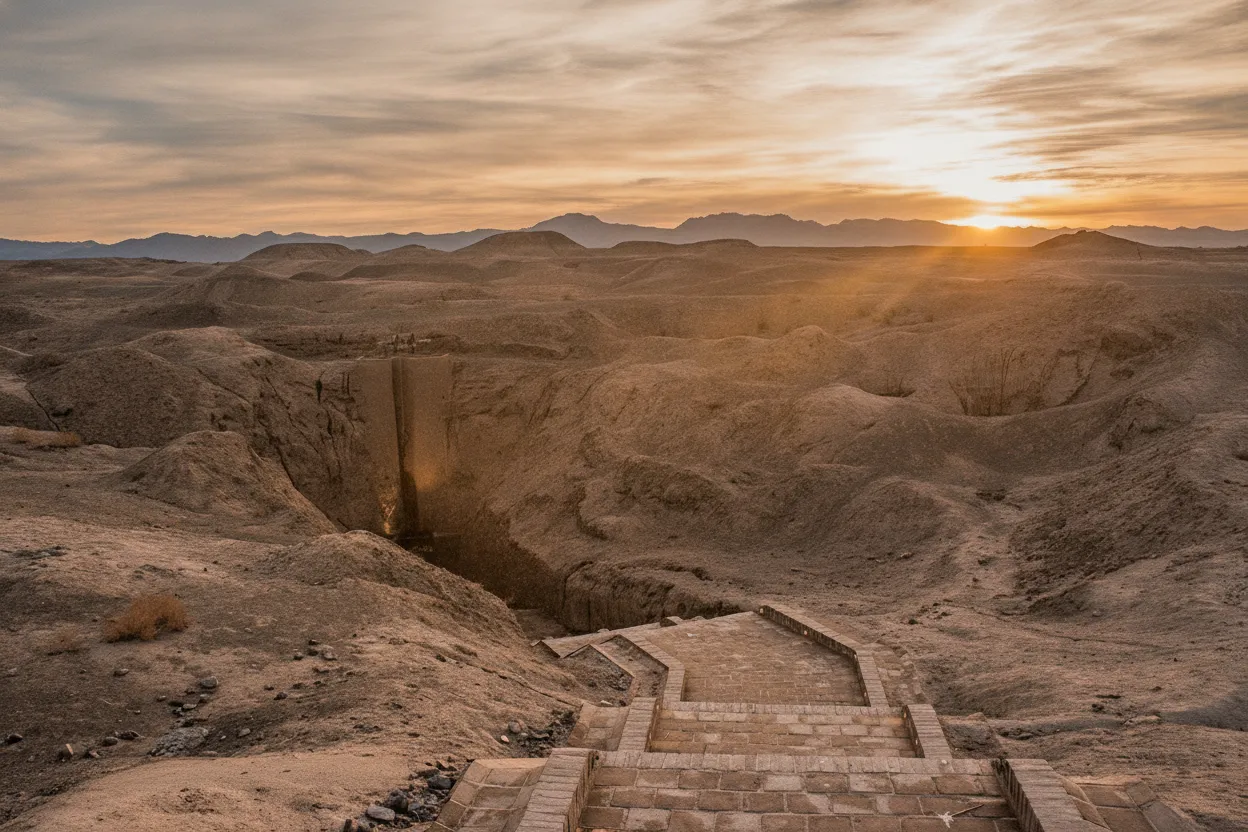
Picture this: a monumental network of hand-dug tunnels stretching over 33 kilometers, meticulously crafted by generations of ancient Persians. This isn't merely an archaeological site; it's a living, breathing system, a silent miracle that has brought precious water from distant mountains to the desert city of Gonabad for over 2,500 years. If you're seeking a travel experience that goes beyond the surface, literally, then prepare to be captivated by this extraordinary underground world.
The Silent Lifeline: What Makes Qasabeh Qanat So Special?
What sets Qasabeh Qanat apart from other historical sites? It's the sheer scale combined with its enduring functionality. This isn't a ruin; it's an active, vital artery of life. As one of the oldest and largest qanat systems in the world, its complexity and longevity are staggering. While many ancient aqueducts have crumbled, Qasabeh Qanat continues its tireless work, a testament to the unparalleled engineering prowess of its original creators, known as 'muqannis'.
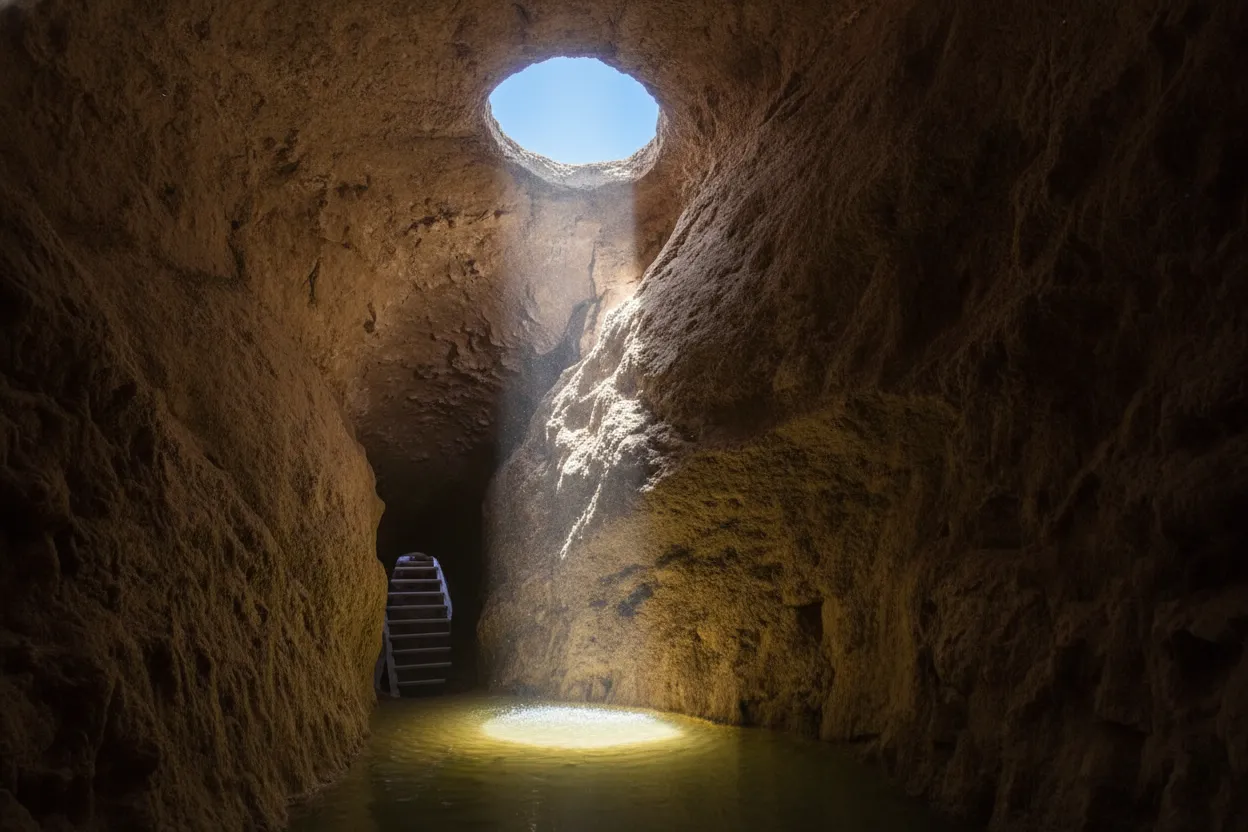
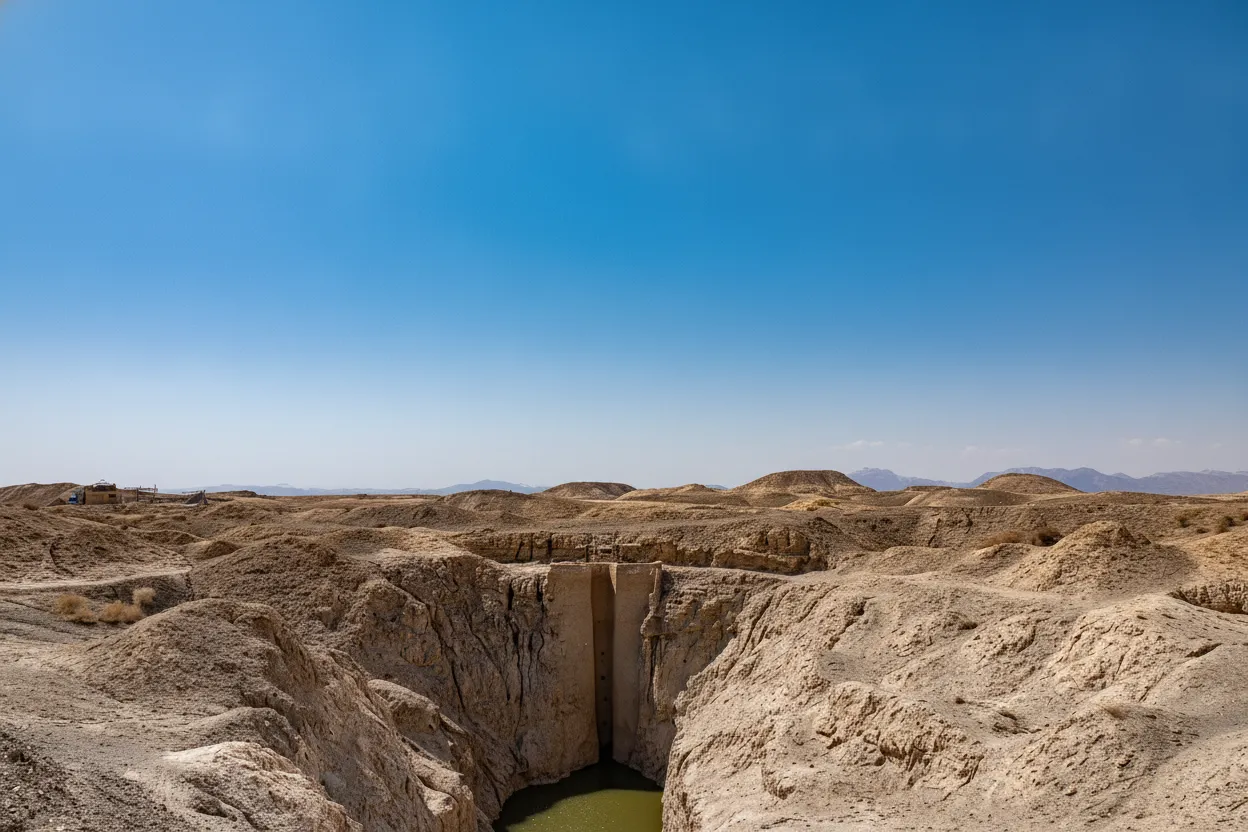
The system comprises a primary well, several thousand vertical shafts (like inverted chimneys) that provided access for digging and maintenance, and the gently sloping main underground channel that carries water purely by gravity. The depth of the mother well alone is an astonishing 300 meters, making it one of the deepest hand-dug wells in history. Think about that for a moment: laborers, armed with rudimentary tools, excavated shafts and tunnels hundreds of meters deep and tens of kilometers long, all with precision that ensured a consistent, gentle gradient for water flow. It's a marvel of civil engineering that predates modern machinery by millennia.
Visiting Qasabeh Qanat isn't just about seeing an old structure; it's about witnessing a living solution to one of humanity's most persistent challenges: water scarcity. In an era where sustainable practices are paramount, this ancient system offers profound lessons. It's a symbol of how communities can thrive in harsh environments through ingenious resource management and a deep understanding of their natural surroundings. The cool, constant flow of water through these dark tunnels is a powerful reminder of nature's delicate balance and humanity's capacity to work in harmony with it.
A Journey Through Time: The History of Qasabeh Qanat
The origins of the Qasabeh Qanat stretch back to the Achaemenid era, over 2,500 years ago, though some estimates place its initial construction even earlier. It was during the powerful Persian empires that the technology of qanats flourished, transforming vast swathes of arid land into fertile oases and enabling the growth of cities like Gonabad. The muqannis, the master engineers and excavators, were revered figures. Their knowledge, passed down through generations, involved not only geology and hydrology but also a profound understanding of gravity and precise surveying techniques.
The construction process itself was an epic undertaking. Starting from a "mother well" dug deep into an aquifer in the foothills, workers would then painstakingly dig a slightly sloping tunnel horizontally towards the surface, marked by regularly spaced vertical shafts. These shafts served multiple purposes: ventilation, removing excavated earth, and providing access for maintenance. The gentle gradient, often less than one meter per kilometer, was crucial to ensure a steady, non-erosive flow of water that could travel vast distances.
Over the centuries, Qasabeh Qanat has endured wars, natural disasters, and political upheavals, yet it has continued its silent service. Its resilience is a testament to the robust design and the continuous dedication of those who maintained it. In 2016, UNESCO recognized its outstanding universal value, inscribing it as part of "The Persian Qanat" World Heritage site. This recognition highlights not only its historical significance but also its ongoing relevance as an example of sustainable water management.
Beneath the Surface: What to See and Experience
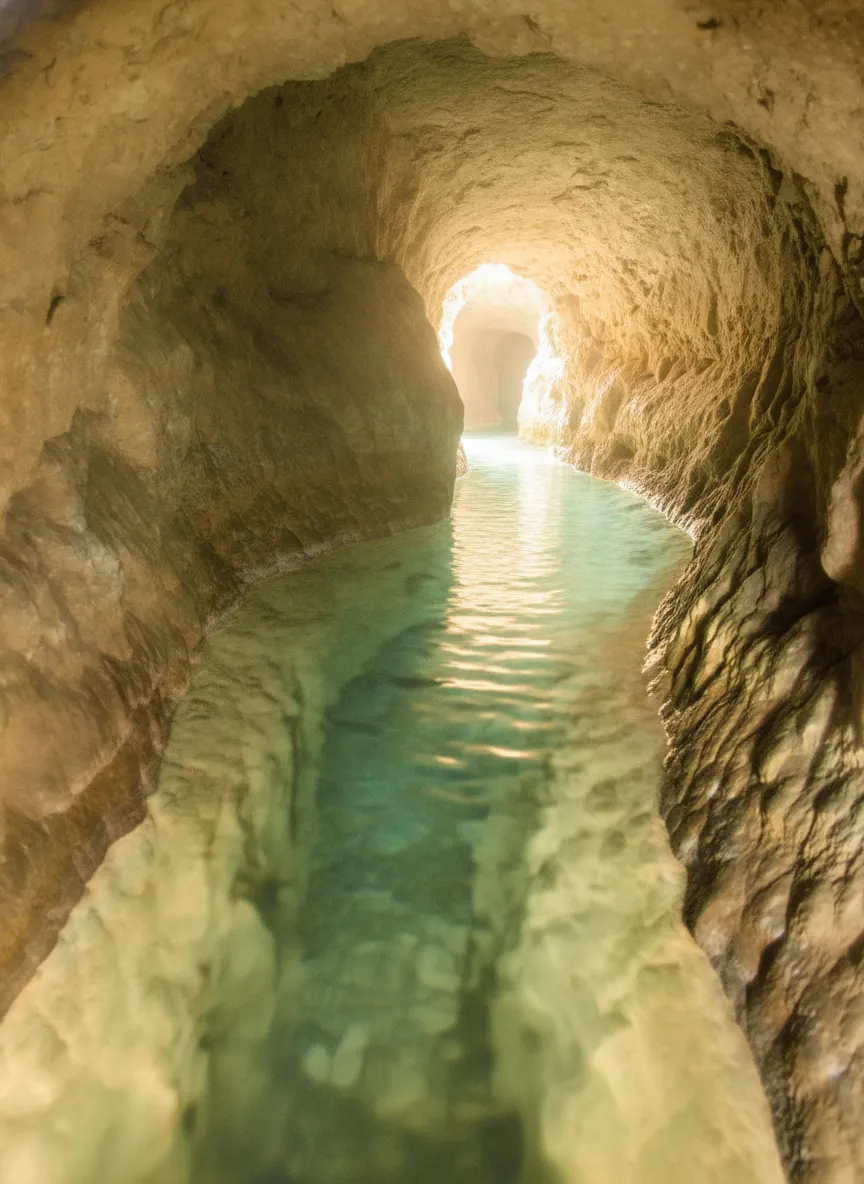
Stepping into Qasabeh Qanat is like entering another world. The air immediately cools, a welcome respite from the desert heat above. The darkness is profound, broken only by the occasional shaft of sunlight filtering down from the vertical access points, creating ethereal beams that dance on the flowing water. The dominant sound is the gentle, persistent whisper of water – a sound that has echoed through these tunnels for millennia.
While you won't be able to explore all 33 kilometers (imagine the journey!), designated sections are accessible to visitors. You can walk along the main gallery, feeling the cool, damp earth beneath your feet and marveling at the perfectly smooth, hand-carved walls. It's an immersive experience that engages all your senses. You'll feel the weight of history, the ingenuity of human hands, and the profound connection to the life-giving element of water.
A good visit often includes a local guide who can illuminate the details of its construction, the lives of the muqannis, and the cultural significance of qanats in Persian civilization. Some visitor centers near the site offer models and explanations of how the qanat works, enriching your understanding before or after your subterranean adventure. Seeing the modern city of Gonabad thriving above, sustained by this ancient lifeline, adds another layer of appreciation for this silent marvel.
Planning Your Descent: Practical Tips for Visiting Qasabeh Qanat
Ready to explore this hidden gem? Here’s what you need to know to make your visit to Qasabeh Qanat truly memorable:
Getting There: Qasabeh Qanat is located near the city of Gonabad in Iran's Razavi Khorasan Province. The nearest major city with an international airport is Mashhad (MHD). From Mashhad, you can take a bus or arrange for a private taxi to Gonabad, which is about a 3-4 hour drive. Once in Gonabad, local transport or a pre-arranged tour can take you to the qanat site.
Best Time to Visit: Iran's summers can be intensely hot, so the cooler months of spring (March-May) and autumn (September-November) are ideal. Even in summer, the qanat tunnels themselves are cool, but getting to and from the site will be more comfortable in milder weather.
What to Bring:
- Comfortable Walking Shoes: The surfaces can be uneven and damp.
- Flashlight or Headlamp: While some sections might have limited lighting, your own light source will enhance your exploration and safety.
- Light Jacket: The temperature inside the qanat is consistently cool, even on a hot day.
- Water: Stay hydrated, especially if visiting during warmer months.
- Camera: Capture the unique atmosphere, but be prepared for low-light conditions.
Guided Tours: We highly recommend hiring a local guide. Their insights into the history, engineering, and cultural significance of the qanat will greatly enrich your experience. They can also navigate the site more effectively and ensure your safety.
Cultural Considerations: Iran is a conservative country. Dress modestly, with women wearing a headscarf (hijab) and loose-fitting clothing. Be respectful of local customs and traditions.
Qasabeh Qanat is more than just a destination; it's an experience that connects you to the deep roots of human civilization and our ongoing quest for survival and innovation. It’s a profound journey into the heart of Persian ingenuity, a silent marvel whispering tales of ancient times, and a powerful reminder of how life can flourish even in the most challenging environments.
Essential Travel Information
- Location Qasabeh Qanat (Qanats of Gonabad), Iran
- Best Time March-May (Spring) or September-November (Autumn)
- Getting There Fly to Mashhad (MHD), then take a bus or private taxi to Gonabad (approx. 3-4 hours drive). Local transport from Gonabad to the qanat site.
- Airport Mashhad International Airport (MHD)
- Budget Mid-range (approx. $50-100 USD daily for travel, accommodation, food)
- Language Persian (Farsi)
Find Places to Stay Near Qasabeh Qanat (Qanats of Gonabad)
Compare hotels, hostels, and unique stays in Iran.
Search AccommodationTours & Experiences Near Qasabeh Qanat (Qanats of Gonabad)
Book guided tours, day trips, and unique experiences.
Browse Tours