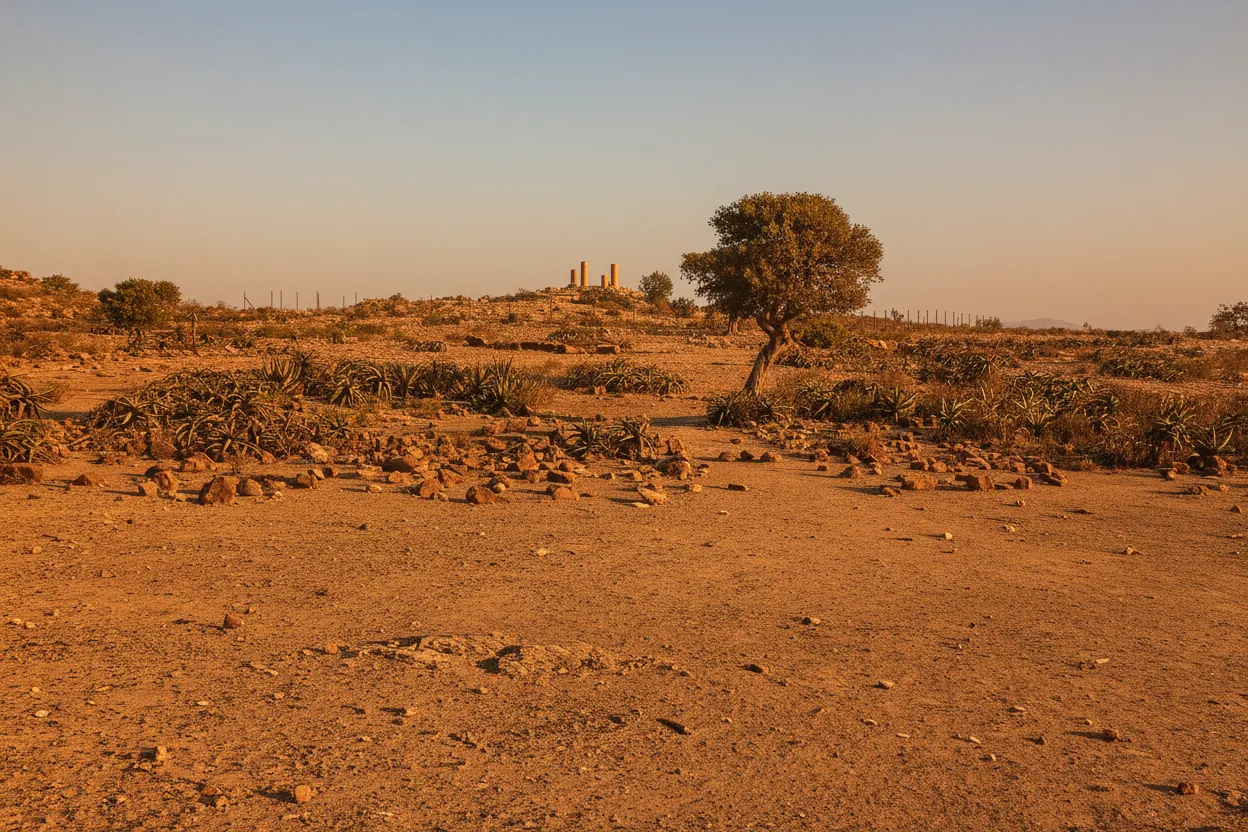
Perched on a remote, high plateau, Qohaito offers an unparalleled journey back in time. This isn't just another set of ruins; it’s a sprawling, scarcely-visited ancient city that flourished thousands of years ago, dating back to the first millennium BCE. While the world often looks to Egypt, Greece, or Rome for ancient wonders, Africa holds countless untold stories, and Qohaito is undoubtedly one of its most compelling. Its obscurity, combined with the stark, breathtaking beauty of its setting, makes it feel less like a tourist destination and more like an untouched archaeological secret, rarely glimpsed by the outside world.
Qohaito: A Glimpse into Eritrea's Ancient Past
Qohaito’s significance lies in its incredible age and the evidence it provides of a sophisticated pre-Aksumite civilization. While the mighty Aksumite Empire (roughly 1st to 7th century CE) is well-documented and celebrated, Qohaito’s origins stretch back even further, into a period that remains largely enigmatic. This forgotten city predates Aksum by centuries, suggesting a rich, complex cultural tapestry woven across the Horn of Africa long before the rise of its more famous successor.
Archaeological evidence points to a thriving settlement, a testament to human ingenuity in what now seems an impossibly isolated location. The remnants here speak of advanced planning and a society capable of complex engineering and artistry. Who were these people? What was their daily life like? How did they manage to build such a flourishing city in this challenging environment? These are the questions that echo through the ruins, inviting visitors to ponder the vast stretches of unwritten history.
Some theories suggest Qohaito may have been a significant trade hub, strategically positioned along ancient routes connecting the Red Sea coast with the Nile Valley and beyond. Its very existence challenges conventional narratives about early African civilizations, pushing the timeline of complex urban development back further and highlighting the incredible depth of history embedded within the Eritrean landscape. It’s a place that not only tells a story but also inspires countless new questions.
Unearthing the Secrets: What You'll Discover at Qohaito
Walking through Qohaito is an experience unlike any other. The sheer scale of the site, combined with its profound silence, allows for an intimate connection with the past. You’ll wander among the crumbling foundations of what were once grand structures, each stone whispering tales of a long-lost era. The site is vast, and a full exploration requires time, imagination, and a good pair of walking shoes.
One of the most striking features you’ll encounter are the remnants of **temples and palaces**. While time and the elements have taken their toll, you can still discern the outlines of impressive buildings, suggesting a society with established religious practices and a hierarchical structure. Imagine the ceremonies performed here, the daily lives unfolding within these walls, and the power wielded from these ancient palaces. The most prominent is often referred to as the Temple of Mariam Wekiro, though its original dedication remains a mystery, adding to the site's allure.
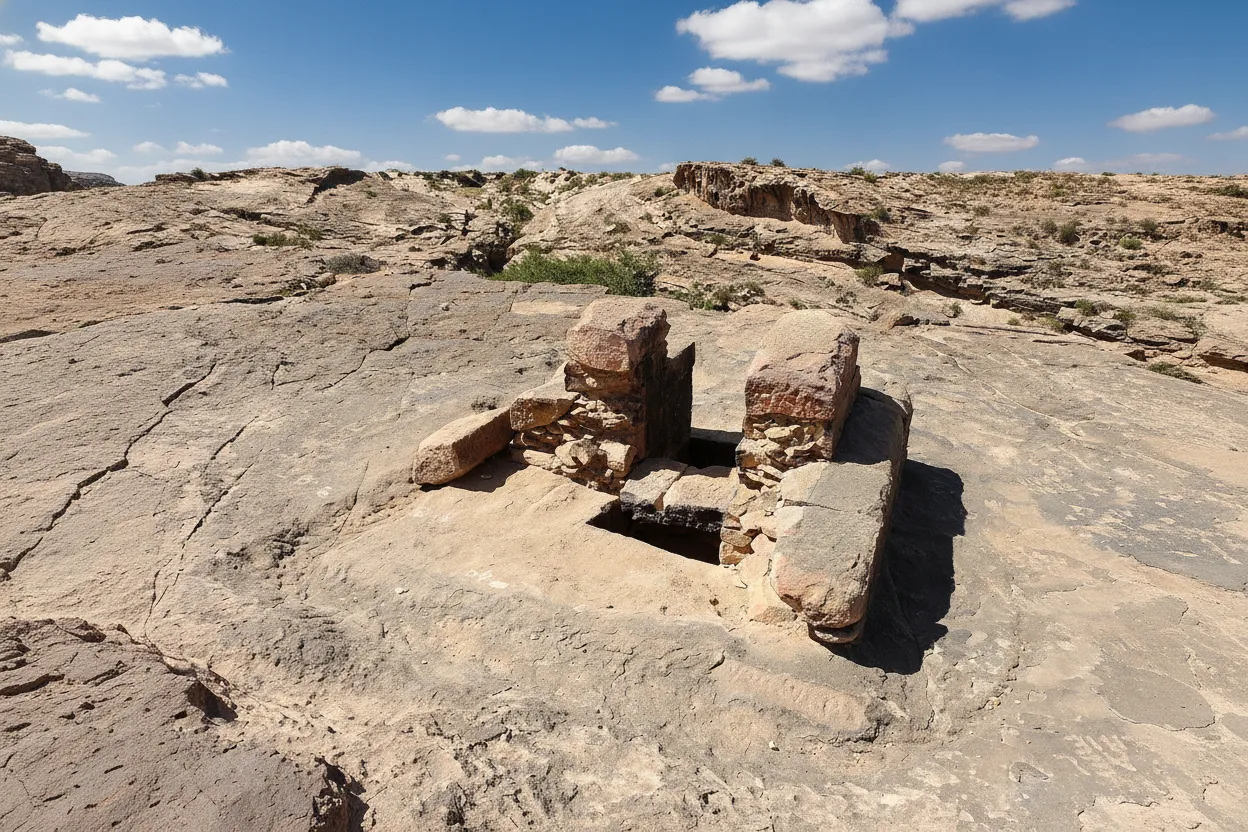
Further exploration reveals intricate **rock-cut tombs**, carved directly into the sandstone cliffs. These tombs are a marvel of ancient engineering and artistry, indicating a sophisticated understanding of construction and a reverence for the deceased. Each tomb tells a silent story of the individuals buried within, offering tantalizing clues about their beliefs, social status, and funerary practices. They are a poignant reminder of the lives lived thousands of years ago on this very plateau.
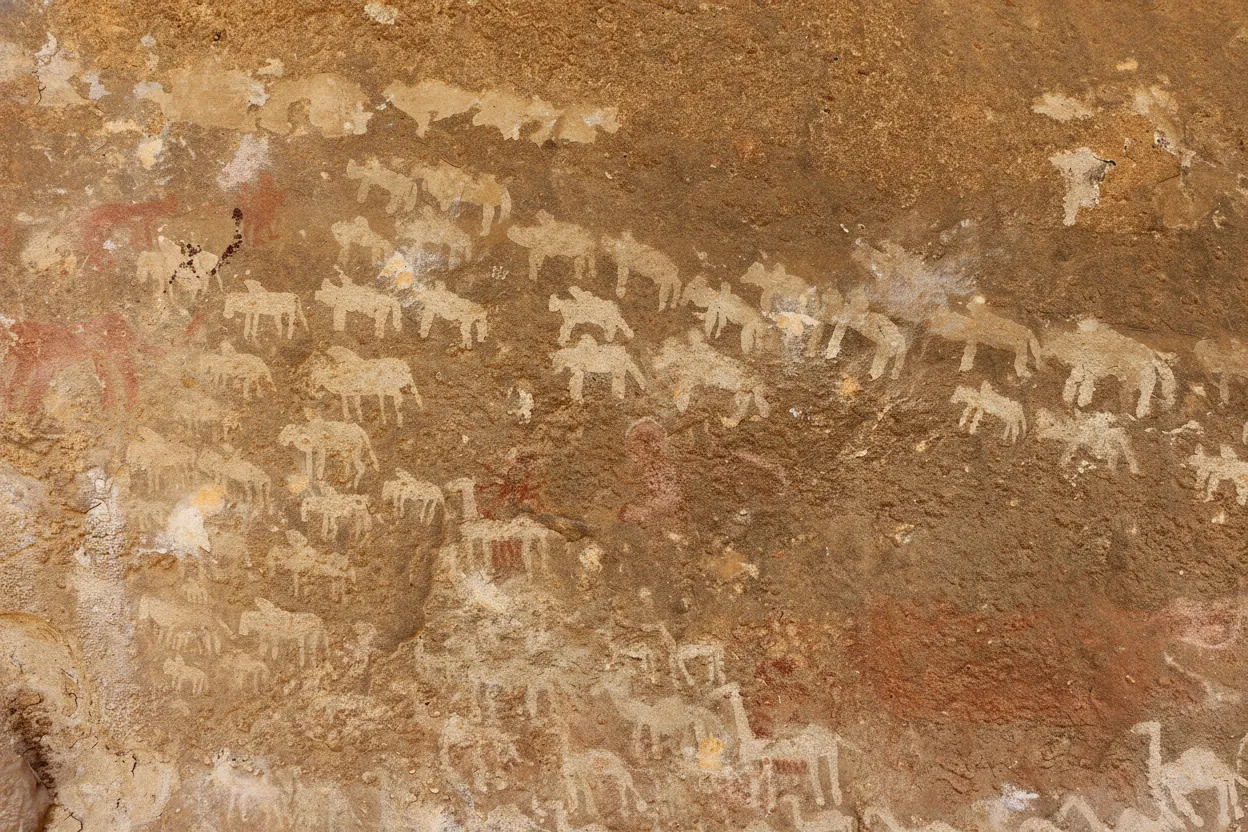
Perhaps one of the most astonishing discoveries at Qohaito is the **ancient dam**. This impressive feat of engineering speaks volumes about the ingenuity of the people who built it. In a region where water is a precious resource, the construction of a dam to collect and manage water demonstrates an advanced understanding of hydrology and a long-term vision for sustaining their civilization. It's a testament to their ability to adapt and thrive in a challenging environment, ensuring the survival and prosperity of their city.
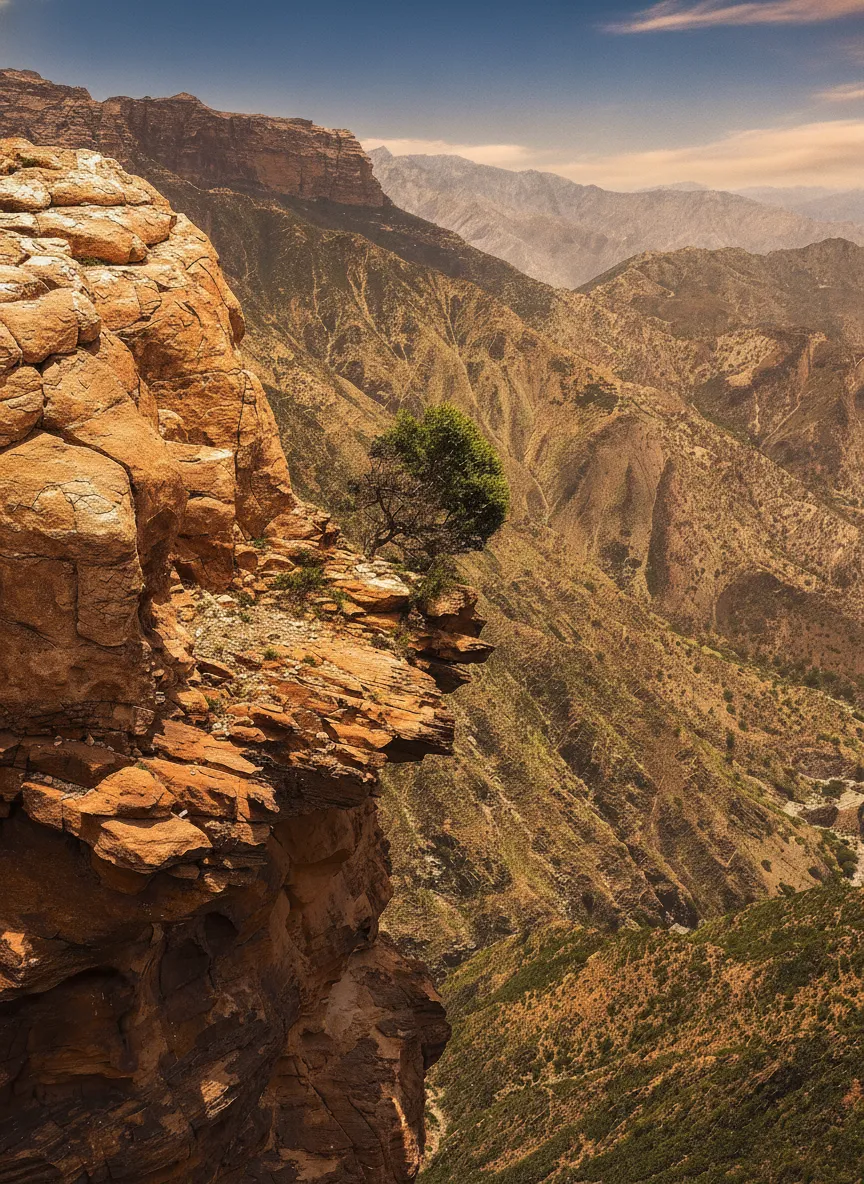
Beyond the architectural marvels, the very landscape of Qohaito is part of its charm. The high plateau offers expansive, panoramic views of the surrounding Eritrean highlands, a stark and beautiful vista that feels both ancient and eternal. The windswept plains, rugged outcrops, and distant mountains create a dramatic backdrop for the ruins, enhancing the feeling of stepping into a truly untouched archaeological secret. You might even spot an ancient inscription or two, if you're lucky, adding another layer to the historical puzzle.
Planning Your Journey to Eritrea's Hidden Gem
Visiting Qohaito is not your typical tourist excursion; it’s an expedition, an adventure for those who truly seek to go off the beaten path. Eritrea itself is a country that rewards the intrepid traveler with its unique history, culture, and stunning landscapes, and Qohaito is arguably its crown jewel for history enthusiasts.
Getting to Qohaito requires careful planning and a sense of adventure. The site is remote, located south of Asmara in the Debub Region, near the town of Senafe. The journey typically involves flying into **Asmara International Airport (ASM)**, Eritrea's capital, which is a destination in itself with its stunning Italian Art Deco architecture. From Asmara, you'll need to arrange for a reliable 4x4 vehicle and a knowledgeable local guide. Travel outside of Asmara in Eritrea generally requires permits, which your guide or tour operator will help facilitate. This isn't a place you can just show up to; it requires preparation, but the reward is immeasurable.
**Accommodation** near Qohaito is limited. Most visitors will base themselves in Asmara and make a day trip, or potentially stay in a simpler guesthouse in a nearby town like Senafe, if available. Be prepared for basic facilities if you opt for the latter. Packing essentials like plenty of water, snacks, sturdy hiking boots, sun protection (hat, sunscreen), and a good camera is crucial. The weather on the plateau can be unpredictable, so layers are advisable.
The **best time to visit** Qohaito and Eritrea in general is during the dry season, which typically runs from October to March. During these months, the weather is cooler and more pleasant for exploring, and road conditions are generally better. Keep in mind that travel in Eritrea can be slower than you might expect, so factor in ample time for your journey.
A trip to Qohaito is more than just sightseeing; it's an immersive historical experience. It’s a chance to connect with an ancient civilization whose story is still being written, to stand in awe of human achievement, and to appreciate the profound beauty of a largely untouched corner of the world. For the history buff, the adventurer, or anyone yearning for a truly unique travel story, Qohaito offers an unforgettable journey into the heart of Eritrea’s ancient past.
Essential Travel Information
- Location Qohaito, Eritrea
- Best Time October to March (Dry Season)
- Getting There Fly to Asmara (ASM), then arrange for a 4x4 vehicle and a local guide. Permits are required for travel outside Asmara.
- Airport Asmara International Airport (ASM)
- Budget Mid-range to Luxury (due to permit, guide, and vehicle requirements)
- Language Tigrinya, Arabic, English
Find Places to Stay Near Qohaito
Compare hotels, hostels, and unique stays in Eritrea.
Search Accommodation