
The Jewel of Isolation: Why Rapa Iti Calls to the Explorer's Soul
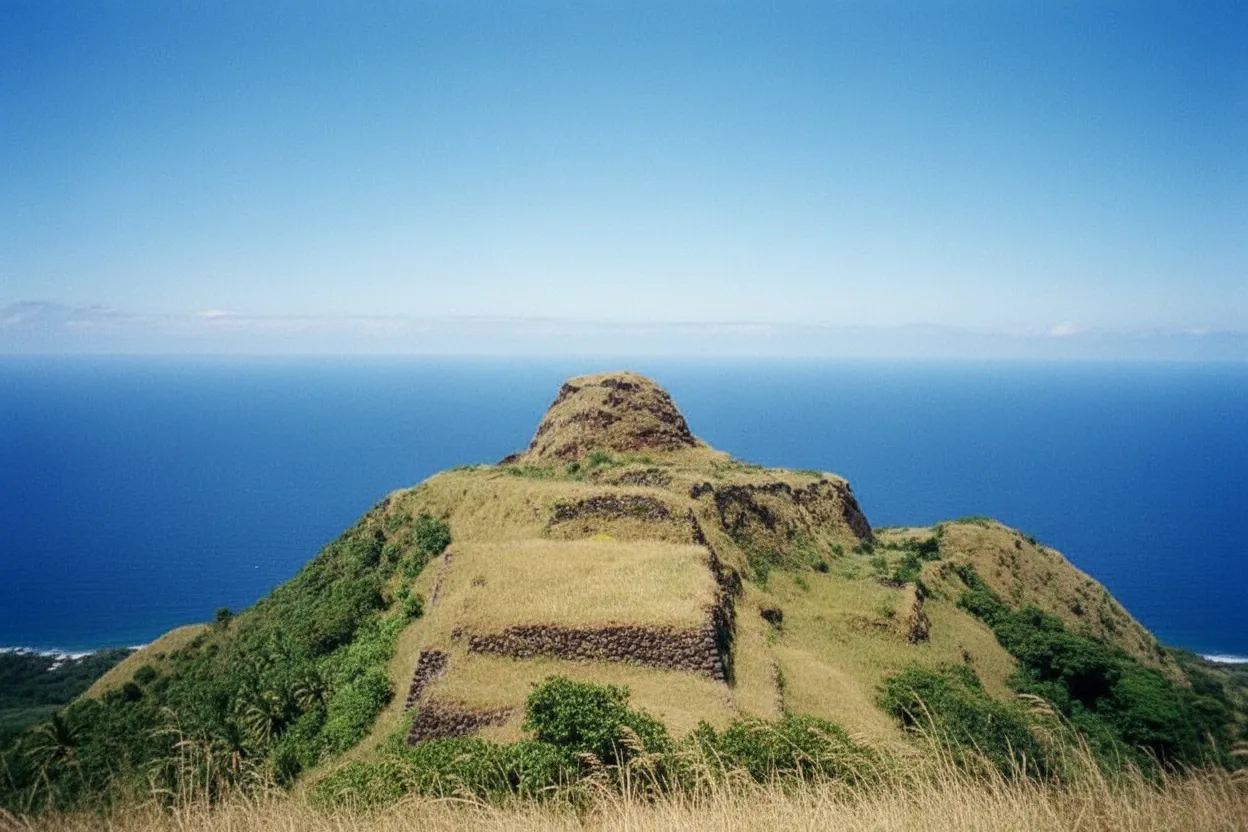
Rapa Iti isn't just another beautiful Polynesian island; it's a living museum of a unique culture forged in extreme isolation. Its volcanic peaks, cloaked in emerald green, rise dramatically from the sapphire ocean, creating a landscape of breathtaking beauty and formidable challenge. What truly sets Rapa Iti apart, however, are the dozens of *pa'epa'e* – ancient, fortified villages – clinging precariously to its sharp ridges and mountain summits. These aren't just piles of stones; they are sophisticated defensive structures, complete with terraces, walls, and strategic lookouts, testament to a society that lived in constant readiness for conflict. Unlike the majestic moai of Easter Island or the intricate temples of Southeast Asia, Rapa Iti’s ruins are raw, integrated into the very fabric of the landscape, telling a visceral story of survival and ingenuity. To stand among them is to step into a truly lost world, a place where the echoes of ancient warriors still linger on the wind.
This extreme isolation has preserved not only the physical remains of Rapa Iti's past but also the authentic spirit of its people. There are no bustling tourist hubs, no package deals, no five-star resorts. What you'll find instead is genuine warmth, a slow pace of life dictated by nature, and an unparalleled opportunity for cultural immersion. It's a destination that demands patience, resilience, and a deep respect for local customs, offering an experience far richer and more profound than any conventional vacation.
Echoes of Ancient Battles: Rapa Iti's Storied Past
The history of Rapa Iti is a dramatic saga of adaptation, innovation, and intense tribal warfare. Long before European contact, the island was home to a thriving Polynesian society that, due to its extreme isolation, developed a distinct culture unlike those found on Tahiti or the Marquesas. The most striking manifestation of this unique culture is the *pa'epa'e*. Imagine an island where every prominent peak and ridge was transformed into a formidable stronghold. These weren't mere settlements; they were elaborate, multi-tiered fortresses, strategically positioned to offer commanding views of the valleys below and the surrounding sea.
Archaeological evidence suggests that as the population grew on this relatively small, fertile island, resources became scarce, leading to fierce competition and constant conflict between different clans. The *pa'epa'e* were a direct response to this environment, offering refuge and defense. Building these structures required immense communal effort, sophisticated engineering, and a deep understanding of the rugged terrain. They stand as enduring monuments to the resilience and strategic brilliance of the Rapan people, a testament to their ability to thrive in a challenging environment.
Tragically, like many isolated communities, Rapa Iti’s population suffered catastrophic declines after European contact in the late 18th and 19th centuries, primarily due to introduced diseases and slave raids. This dramatic depopulation meant that the era of intense warfare eventually ceased, leaving the *pa'epa'e* to be slowly reclaimed by the tenacious jungle. Today, these ruins offer a poignant window into a vibrant, complex society that once flourished here, preserving a piece of Polynesian history found nowhere else on Earth.
Beyond the Horizon: What Awaits You on Rapa Iti
For the truly dedicated adventurer, Rapa Iti offers an experience that transcends typical tourism. Your journey here is less a vacation and more an expedition into the heart of an untouched world. The primary draw, of course, is the exploration of the *pa'epa'e*. Trekking to these ancient fortresses is no stroll in the park; it requires good physical fitness, sturdy hiking boots, and a healthy dose of determination. The trails are often steep, muddy, and overgrown, but the reward is immeasurable. As you ascend, the views become increasingly spectacular, culminating in the awe-inspiring sight of these ancient structures emerging from the mist-shrouded peaks, offering panoramic vistas of the island's unique "caldera" coastline – a drowned crater that forms a horseshoe-shaped bay.
Beyond the archaeological wonders, Rapa Iti offers a profound immersion into authentic Polynesian village life. The main village, Ahurei, is a charming settlement where life unfolds at a gentle pace. You'll witness daily routines shaped by the sea and land, engage with incredibly welcoming locals, and experience a sense of community rarely found elsewhere. There are no hotels, but homestays offer a chance to live with a local family, sharing meals and stories, and gaining an intimate understanding of Rapan culture. Imagine fresh fish caught that day, tropical fruits ripened under the South Pacific sun, and evenings spent under a blanket of stars, listening to the gentle rhythm of the ocean.
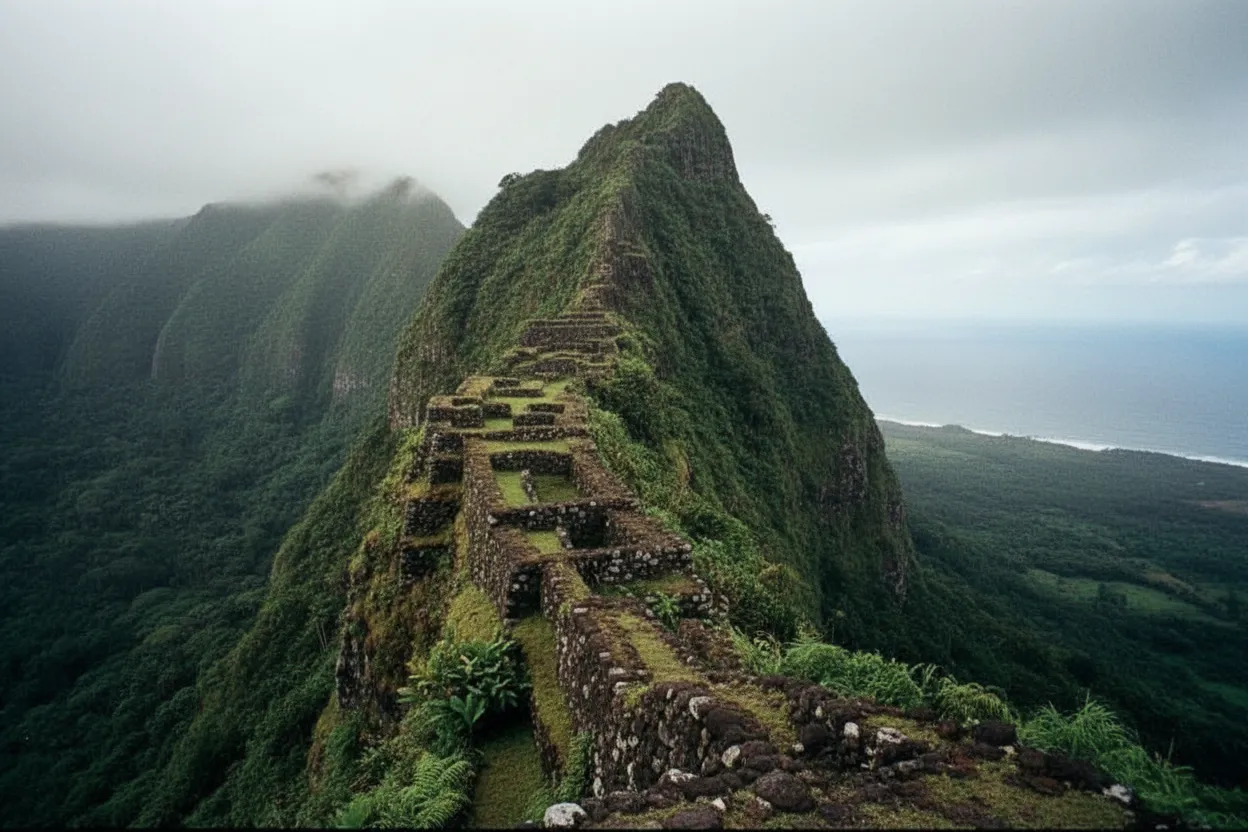
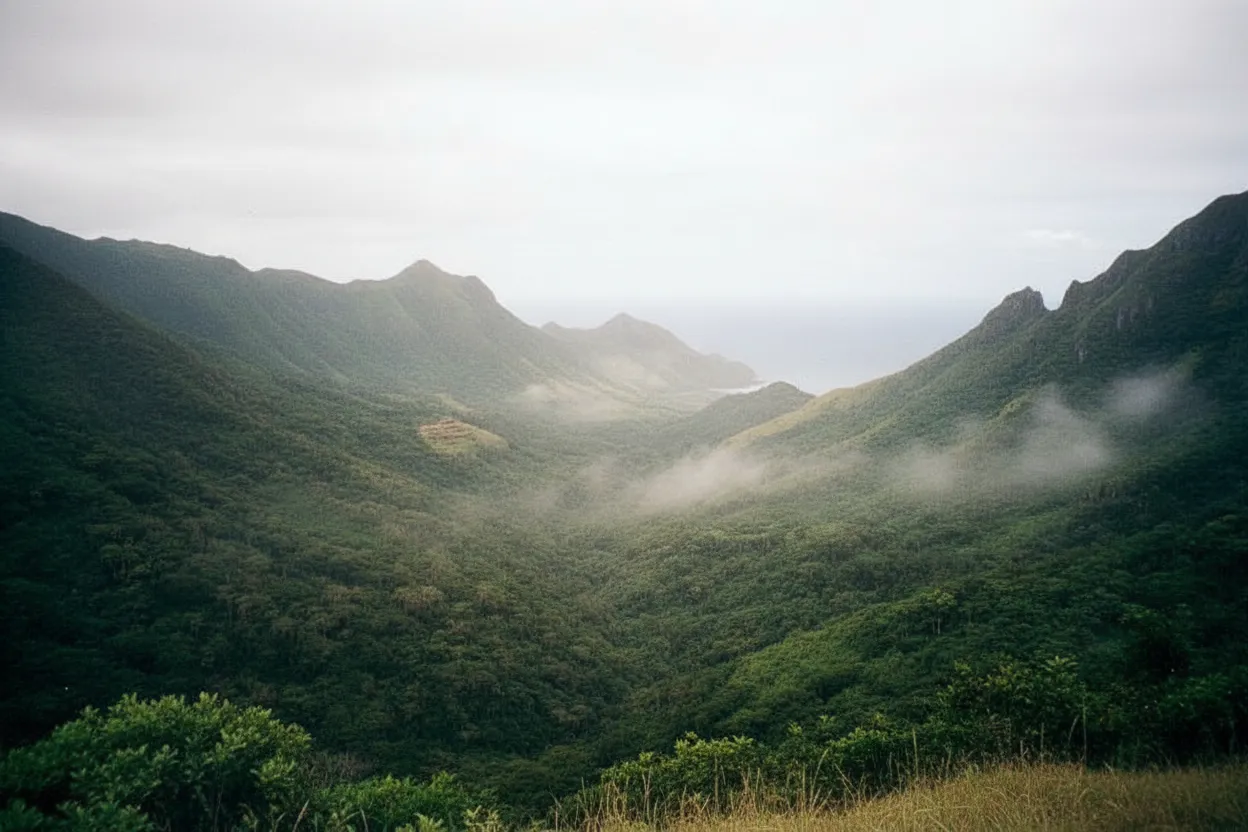
The island's natural beauty itself is a marvel. Its dramatic volcanic landscape is a hiker's paradise, with lush valleys, cascading waterfalls (especially after rain), and a rugged coastline perfect for exploration. While not a primary snorkeling or diving destination, the surrounding waters are pristine and teeming with marine life. For birdwatchers, the island offers glimpses of unique seabirds that call this remote sanctuary home. Every corner of Rapa Iti feels like a discovery, a step back in time to a place where nature and history intertwine seamlessly.
Charting Your Course: Practical Tips for a Rapa Iti Adventure
Visiting Rapa Iti is not for the spontaneous traveler; it requires meticulous planning, immense patience, and a flexible mindset. This is adventure travel at its purest.
How to Get There: The Infamous Cargo Ship
Your journey to Rapa Iti begins in Tahiti (Papeete, PPT), where you'll board the *Tuhaa Pae IV*, French Polynesia's lifeline cargo and passenger ship to the Austral Islands. This isn't a cruise; it's a working vessel, and schedules are notoriously unpredictable, subject to weather, cargo, and mechanical issues. The voyage itself takes several days (typically 3-4 days one way, sometimes longer with stops at other islands), offering a unique, authentic experience of island hopping. Booking a passage requires direct contact with the shipping company in Papeete, often months in advance, and flexibility with your travel dates is paramount. This leg of the journey is an adventure in itself, allowing you to truly disconnect and embrace the rhythm of the ocean.
Accommodation & Amenities
Forget hotels. Accommodation on Rapa Iti is limited to a handful of informal guesthouses or homestays, often arranged through word-of-mouth or with the help of locals in Papeete. Facilities are basic but clean, offering a comfortable base to explore. There are no restaurants, so meals are typically provided by your hosts, offering delicious home-cooked Rapan cuisine. There's a small shop in Ahurei for basic necessities, but it's wise to bring any specialized items or medications you might need.
What to Bring
Pack light but smart. Essential items include sturdy hiking boots, lightweight waterproof clothing, insect repellent, a first-aid kit, sun protection (hat, high-SPF sunscreen), a headlamp, a water bottle, and any personal medications. Cash (CFP Francs) is essential as there are no ATMs. A basic grasp of French will be incredibly helpful, though many locals also speak Rapanese. Most importantly, bring an open mind, a respectful attitude, and a willingness to embrace the unexpected.
Best Time to Visit
The cooler, drier months from May to October are generally considered the best time to visit, offering more pleasant trekking conditions and less chance of tropical storms. However, remember that the cargo ship schedule dictates all, so you might need to adjust your plans accordingly.
Respectful Travel
Rapa Iti is not a tourist destination in the conventional sense. Locals are genuinely welcoming but respect for their culture and way of life is paramount. Always ask permission before taking photos of people, dress modestly, and be mindful of local customs. Your visit is a privilege, and approaching it with humility will undoubtedly lead to a more enriching experience.
Rapa Iti is not for everyone. It's for the dreamers, the adventurers, the seekers of true authenticity. It's for those who yearn to step off the map and into a world where ancient history breathes, where nature reigns supreme, and where the warmth of human connection feels more profound than anywhere else. If you're ready to answer the call of the wild, to uncover forgotten secrets, and to embark on a journey that will forever change your perspective, then Rapa Iti awaits. It's an unforgettable odyssey to the edge of the world, and a testament to the enduring spirit of human history.
Essential Travel Information
- Location Rapa Iti (Oparo), French Polynesia
- Best Time May to October (cooler, drier months)
- Getting There Infrequent cargo ship (Tuhaa Pae IV) from Papeete, Tahiti (PPT)
- Airport Faa'a International Airport (PPT) in Tahiti
- Budget Mid-range (due to high cost of cargo ship and extended travel time, though on-island costs are low) - approx. $100-200 USD/day on island (excluding cargo ship fare)
- Language French, Rapanese
Find Places to Stay Near Rapa Iti (Oparo)
Compare hotels, hostels, and unique stays in French Polynesia.
Search AccommodationTours & Experiences Near Rapa Iti (Oparo)
Book guided tours, day trips, and unique experiences.
Browse Tours