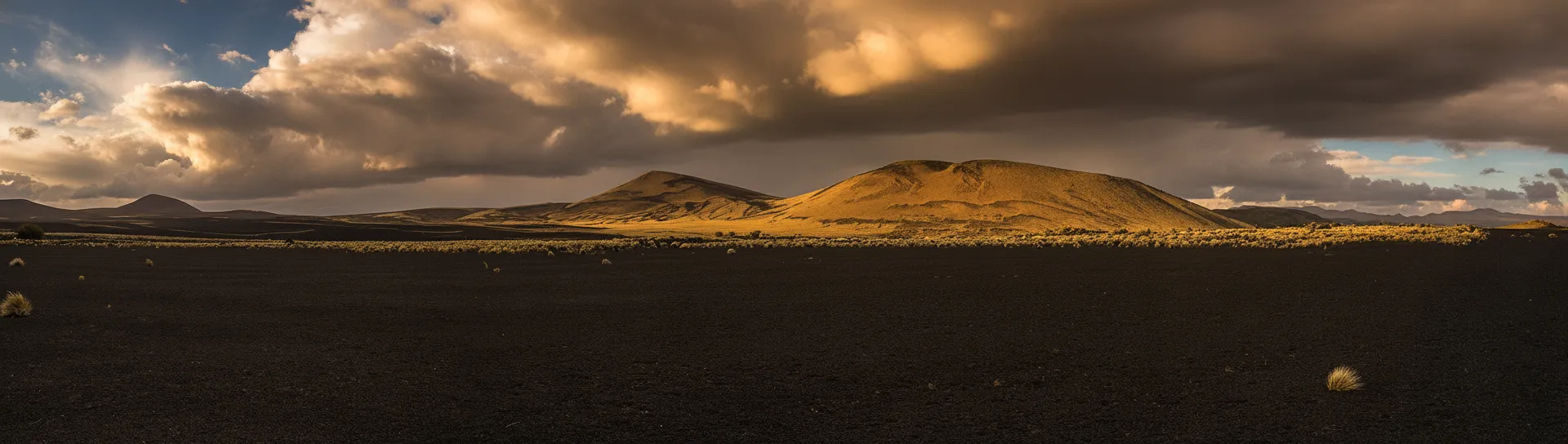
Imagine a landscape so utterly alien, it feels less like Earth and more like a scene from Mars. Now, picture that scene not just with a few scattered craters, but covered in over 800 volcanoes, stretching to a horizon painted in shades of black, rust, and the deepest blue. This isn't a sci-fi fantasy; it's a very real, incredibly remote, and breathtakingly beautiful place hidden in the heart of Argentina: Reserva Provincial La Payunia.
Nestled in the southern reaches of Mendoza Province, La Payunia is a geological marvel, a testament to the raw, untamed power of our planet. For those craving an adventure far beyond the well-trodden paths, seeking silence broken only by the wind, and a visual spectacle that defies description, La Payunia isn't just a destination—it's an experience that will redefine your understanding of natural beauty.
What Makes La Payunia So Special?
La Payunia isn't just another volcanic field; it boasts one of the highest concentrations of volcanic cones on the entire planet. We're talking hundreds upon hundreds of volcanoes, ranging from perfect cinder cones to vast calderas, all packed into a relatively compact area. This intense volcanic activity has sculpted a landscape unlike any other, dominated by what locals call "pampas negras" — vast plains of black volcanic rock, ash, and lapilli (small volcanic stones) that stretch endlessly under an immense sky.
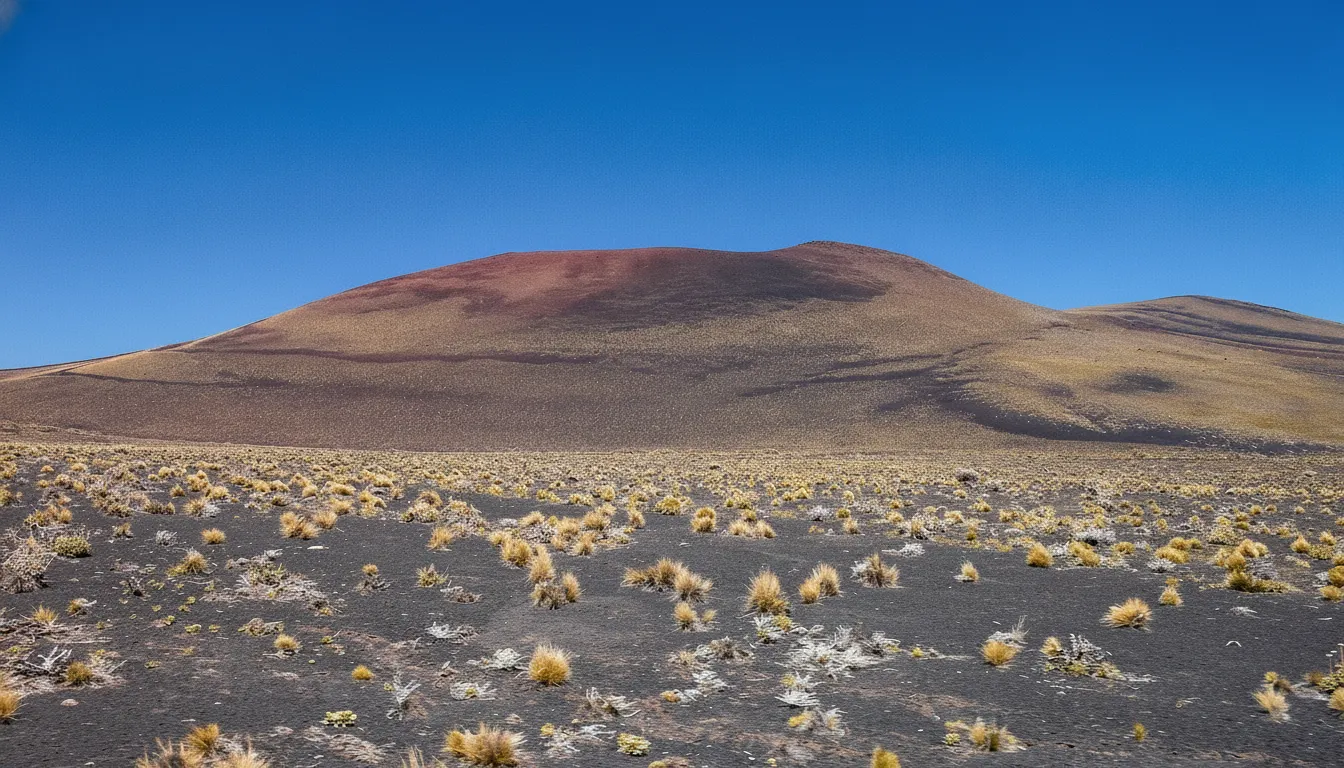
The stark, monochrome beauty of La Payunia is its most striking feature. Here, the typical greens and browns of terrestrial landscapes are replaced by a dramatic palette of charcoal, obsidian, and deep red iron oxides, occasionally punctuated by the hardy greens of sparse vegetation or the surprising shimmer of a high-altitude lake. It's a place of profound solitude, where the silence is so complete it can almost feel overwhelming, offering a rare opportunity for introspection and a deep connection with nature.
What truly sets La Payunia apart is its extreme isolation. Unlike other famous volcanic regions around the world, this reserve remains largely untouched by mass tourism. There are no paved roads, no gift shops, no bustling crowds. Just you, your guide, and the raw, untamed wilderness. This remoteness is a double-edged sword: it makes visiting a genuine expedition, but it also preserves the pristine, otherworldly character of the reserve, ensuring that every visitor feels like a true explorer discovering a hidden world.
A Land Forged by Fire: The History and Geology
The dramatic topography of La Payunia is the result of millions of years of intense geological activity. Situated in the foreland of the Andes mountain range, this region has been shaped by the subduction of the Nazca Plate beneath the South American Plate. This ongoing collision generates immense heat and pressure, leading to the formation of magma chambers and, eventually, volcanic eruptions.
While some of the volcanic activity in La Payunia dates back millions of years, much of the landscape we see today is relatively young in geological terms, with eruptions occurring as recently as a few thousand years ago. The sheer volume of lava flows and ash deposits has created layer upon layer of volcanic material, building up the vast "pampas negras" and the countless cones that dot the horizon.
The most prominent features, like the massive Payún Matrú caldera and the towering Payún Liso volcano, tell stories of explosive pasts. Payún Matrú, for example, is one of the largest calderas in the world, formed when a massive eruption caused the collapse of a volcano's summit. This geological dynamism is still at play, albeit subtly, reminding visitors that La Payunia is a living, breathing landscape, constantly being reshaped by the forces beneath the Earth's crust.
Journey Through the Volcanic Heart: What You'll See
Exploring La Payunia is a sensory adventure. As you traverse the rugged, unpaved tracks, the landscape constantly shifts, revealing new wonders around every bend. Your journey will likely take you through:
-
Payún Matrú: The Giant's Caldera: This immense caldera, approximately 15 kilometers in diameter, is a highlight. Within its collapsed walls, a shimmering lake often forms, providing a stunning contrast to the dark volcanic rock. The scale here is truly humbling, offering panoramic views that stretch for hundreds of kilometers.
-
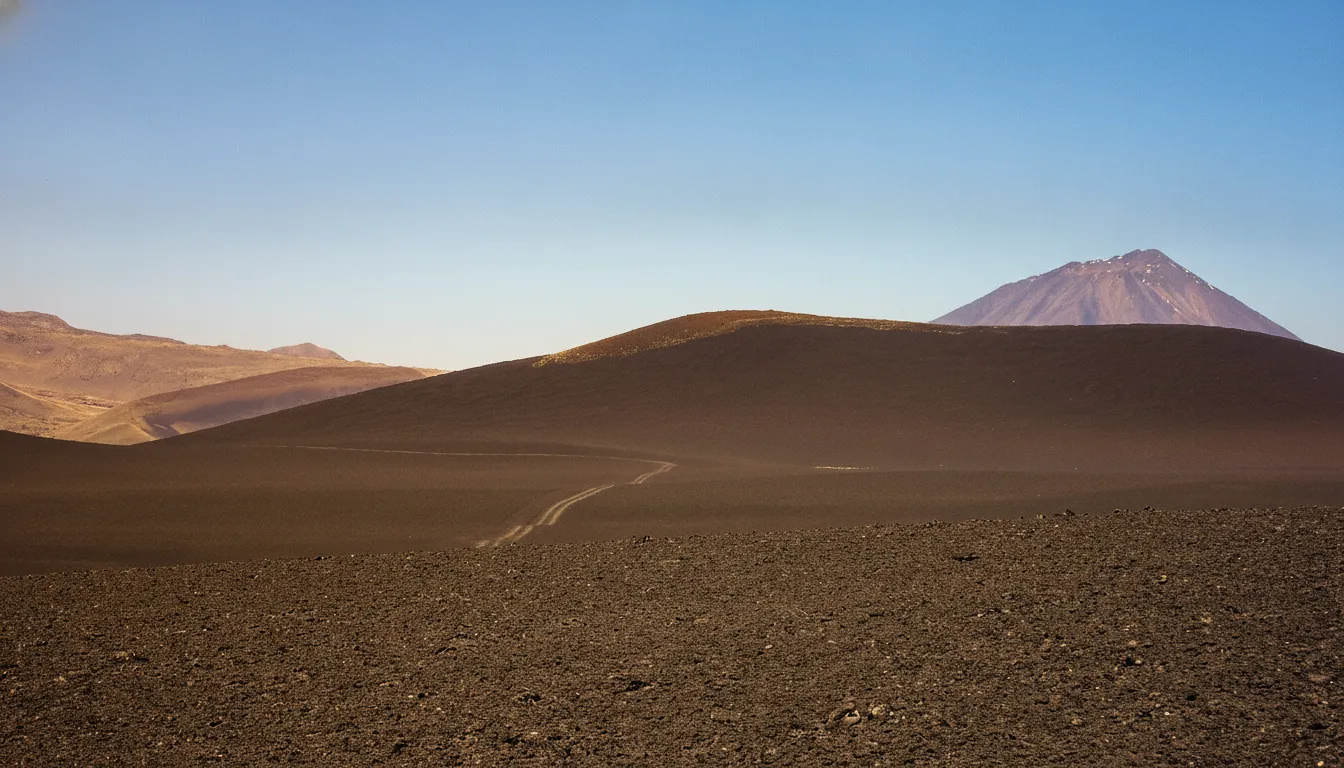
Payún Liso: The Perfect Cone: Standing at over 3,680 meters (12,073 feet) above sea level, Payún Liso is the highest volcano in the reserve. Its almost perfectly symmetrical cone is a striking landmark, dominating the skyline and offering a challenging but rewarding climb for those with the time and proper equipment.
-
Pampas Negras: The Black Plains: These vast expanses of black volcanic sands, ash, and scoria are everywhere. Walking across them feels like stepping onto another planet. The texture underfoot is unique, and the way the light plays on the dark surfaces, especially at sunrise or sunset, creates an ever-changing spectacle of shadows and hues.
-
Volcanic Caves and Tunnels: In some areas, ancient lava flows have created fascinating caves and tunnels, offering a glimpse into the internal structure of these fiery formations. Exploring these can be an eerie yet exhilarating experience.
-
Unexpected Life: Despite the harsh environment, life thrives in La Payunia. Keep an eye out for herds of guanacos (wild llamas), their elegant forms silhouetted against the black plains. You might also spot Patagonian foxes, skunks, and if you're incredibly lucky, even a puma. Majestic Andean condors often soar overhead, masters of the thermals created by the vast, open landscape. The resilience of these creatures in such an extreme habitat is truly inspiring.
-
The Night Sky: With virtually no light pollution for hundreds of kilometers, La Payunia offers one of the most spectacular night skies you will ever witness. The Milky Way blazes overhead, and countless stars seem close enough to touch, making for an unforgettable celestial show if you camp overnight (with permission and a guide).
Practicalities for Your Martian Adventure: Tips for Visiting
Venturing into La Payunia is not a casual day trip; it requires careful planning and preparation. Think of it as an expedition, and you'll be well-rewarded.
Permits and Guides are Mandatory: This is non-negotiable. Due to the reserve's remote nature, challenging terrain, and the need for conservation, all visitors must enter with an authorized guide and a permit from the Provincial Department of Renewable Natural Resources in Malargüe. Your guide will ensure your safety, navigate the unmarked trails, and provide invaluable insights into the geology and wildlife.
Vehicle Requirements: A high-clearance 4x4 vehicle is absolutely essential. The "roads" are mostly unpaved, rough tracks that can be sandy, rocky, or muddy depending on recent weather. Do not attempt to enter with a standard car.
Base Town: Malargüe: The nearest sizable town and the gateway to La Payunia is Malargüe, located about 160-200 kilometers away. Here you'll find accommodation, restaurants, and tour operators who can arrange your visit. There are no services, gas stations, or shops within the reserve itself.
Best Time to Visit: The shoulder seasons of spring (October-November) and autumn (March-April) generally offer the most pleasant weather, with milder temperatures and less chance of extreme heat or cold. Summer (December-February) can be intensely hot, while winter (May-September) often brings snow, making access very difficult or impossible.
What to Bring: Pack layers of clothing, as temperatures can fluctuate wildly between day and night. Sturdy hiking boots are a must. Bring plenty of water (at least 5 liters per person per day), all your food, sun protection (hat, sunscreen, sunglasses), a first-aid kit, binoculars for wildlife viewing, and a good camera to capture the incredible scenery. A headlamp is also useful if you plan to stay overnight.
Respect the Environment: La Payunia is a protected area. Practice "Leave No Trace" principles: take all your trash out with you, stay on designated routes (as guided), do not disturb wildlife, and do not remove any rocks or geological samples. Your careful stewardship helps preserve this pristine landscape for future generations.
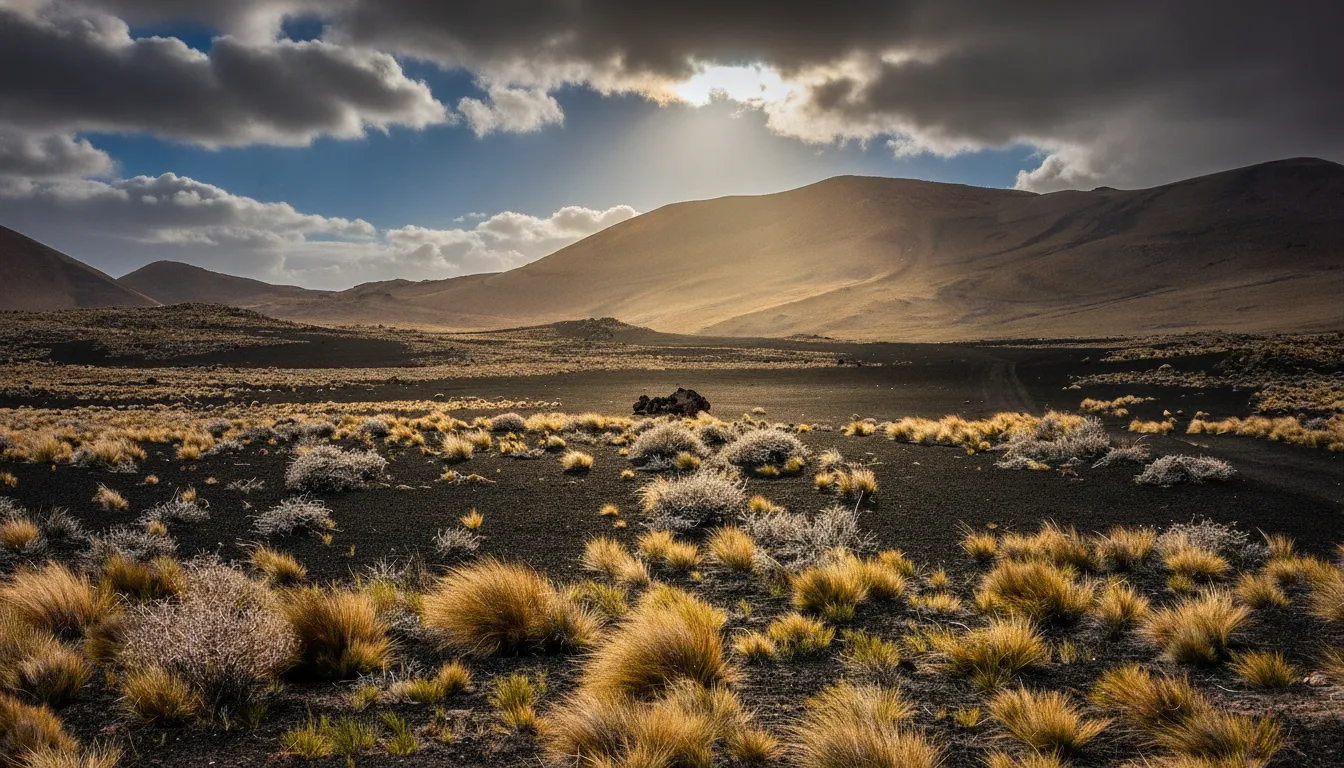
Visiting Reserva Provincial La Payunia is an adventure that will stay with you long after you've left its black plains. It's a journey into a powerful, ancient, and breathtakingly beautiful world – a true hidden gem that promises not just sights, but an experience that transcends the ordinary and touches the soul. Are you ready to discover Argentina's Martian landscape?
Essential Travel Information
- Location Reserva Provincial La Payunia, Argentina
- Best Time Spring (October-November) and Autumn (March-April) for milder temperatures. Summer (December-February) can be very hot. Winter (May-September) often has snow, making access difficult or impossible.
- Getting There From Malargüe, it's about 160-200 km on unpaved roads, requiring a 4x4 vehicle and an authorized guide. Access is strictly controlled.
- Airport Malargüe Airport (LGS) for regional flights, but Mendoza International Airport (MDZ) is the primary gateway for international visitors (requires bus/rental car to Malargüe).
- Budget Mid-range to High-range. Daily costs are highly variable, largely dependent on the cost of a 4x4 vehicle and authorized guide (which can be substantial, especially for solo travelers or small groups). Expect to pay ~$150-300+ USD per person per day for a guided tour, excluding flights to Argentina.
- Language Spanish
Find Places to Stay Near Reserva Provincial La Payunia
Compare hotels, hostels, and unique stays in Argentina.
Search AccommodationTours & Experiences Near Reserva Provincial La Payunia
Book guided tours, day trips, and unique experiences.
Browse Tours