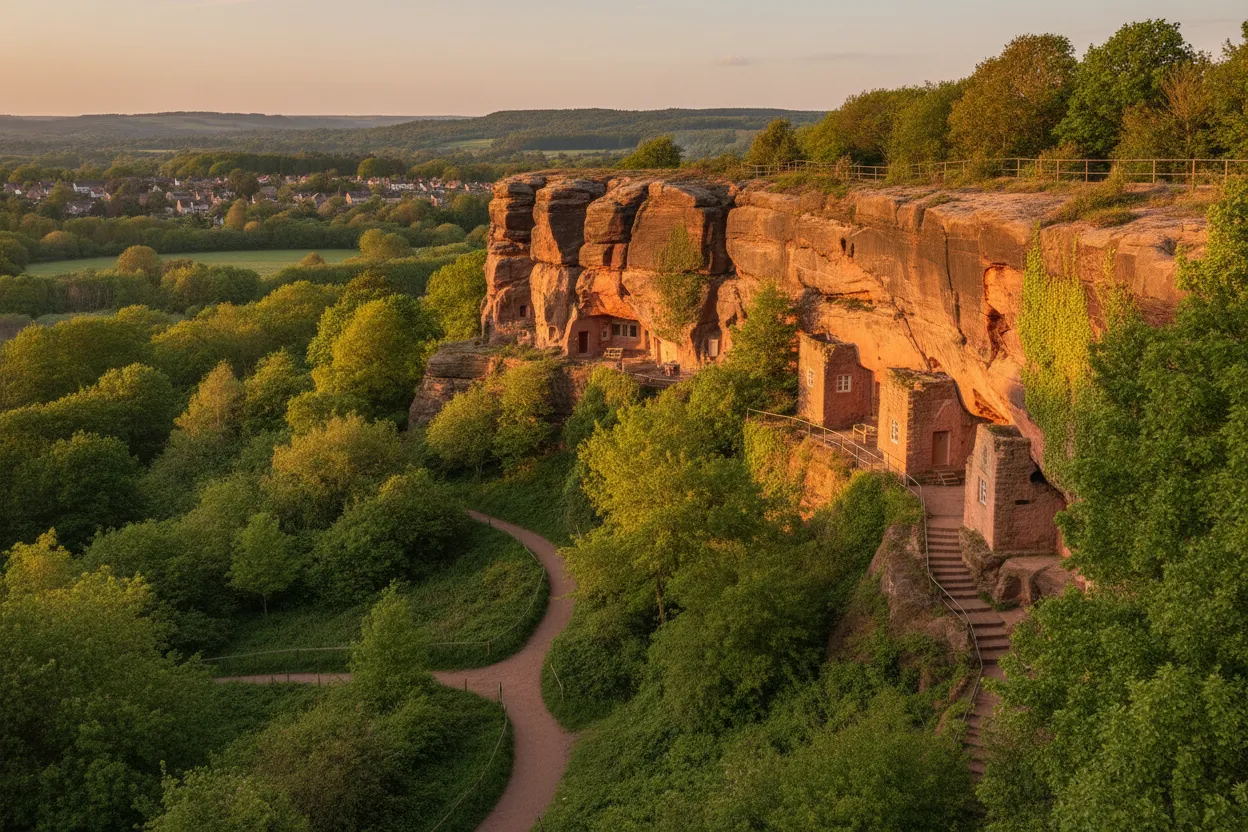
Imagine living inside a sandstone cliff face, not centuries ago, but right up until the 1960s. For most of us, the idea conjures images of ancient civilisations or perhaps fantastical tales. Yet, nestled deep in the heart of Staffordshire, England, a truly extraordinary place exists where this was a living reality: the Rock Houses of Kinver Edge. This isn't just a historical site; it's a window into a unique troglodyte community that defied the march of time, offering a breathtaking glimpse into a way of life that persisted well into the modern era. Prepare to be enchanted by one of the UK's most fascinating and surprisingly overlooked destinations.
What Makes Kinver Edge's Rock Houses So Special?
The Rock Houses of Kinver Edge aren't merely old dwellings; they are a testament to human ingenuity, resilience, and a profound connection to the landscape. Carved directly into the dramatic, soft red sandstone escarpment of Kinver Edge, these homes represent a rare architectural and social phenomenon. Unlike cave dwellings found in many parts of the world that date back millennia, these particular rock houses were continuously inhabited for over 200 years, with the last residents only moving out in 1967. Think about that for a moment: while the Beatles were dominating the airwaves and humanity was preparing for lunar landings, families were still living in homes hand-hewn from solid rock, complete with fireplaces, multiple rooms, and even rudimentary gardens carved into the cliff face.
What truly sets them apart is this incredible longevity and the way they evolved. These weren't crude shelters; they were homes adapted and improved over generations. Imagine the skill and patience required to carve out a living space from rock, not just once, but to expand and refine it over time. The residents, often agricultural workers, artisans, or those seeking a simpler, more affordable existence, formed a tight-knit community, creating a vibrant, self-sufficient world within the natural contours of the Edge. It’s a compelling narrative of how people adapted to and lived harmoniously with their environment, long before sustainable living became a modern buzzword.
Beyond the dwellings themselves, the setting of Kinver Edge adds another layer of magic. This stunning natural landscape, managed by the National Trust, offers breathtaking panoramic views across three counties. The juxtaposition of the wild, ancient woodland and heathland with these remarkably preserved human habitations creates an atmosphere that is both serene and deeply thought-provoking. It’s a place where history isn't just displayed; it feels alive, whispering stories from the very stone around you.
A Glimpse into a Troglodyte Past: History and Background
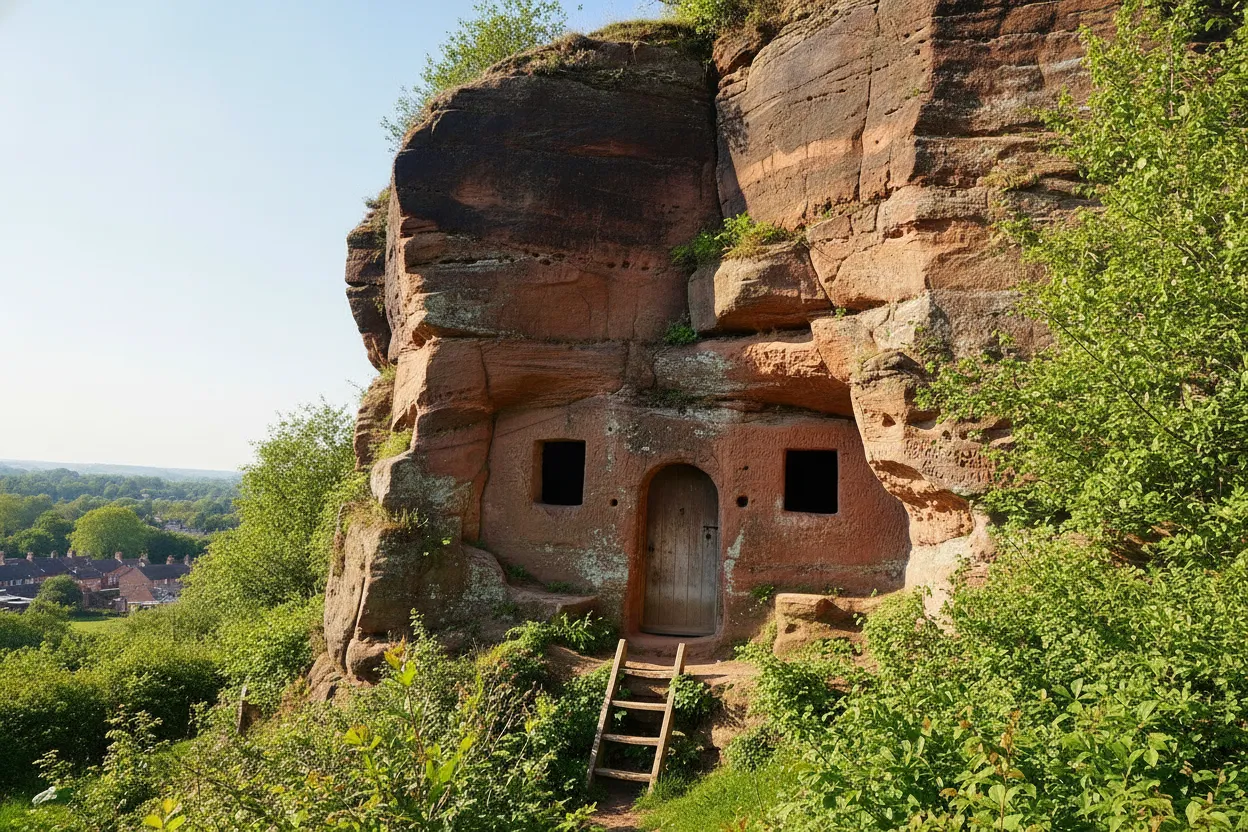
The history of the Kinver Edge Rock Houses is as rich and layered as the sandstone they are carved from. While archaeological evidence suggests earlier human activity in the area, the specific rock houses we see today largely trace their continuous habitation back to the 18th century. It’s believed that the soft sandstone, easily worked with basic tools, made it an attractive option for those seeking a home without the cost of conventional building materials.
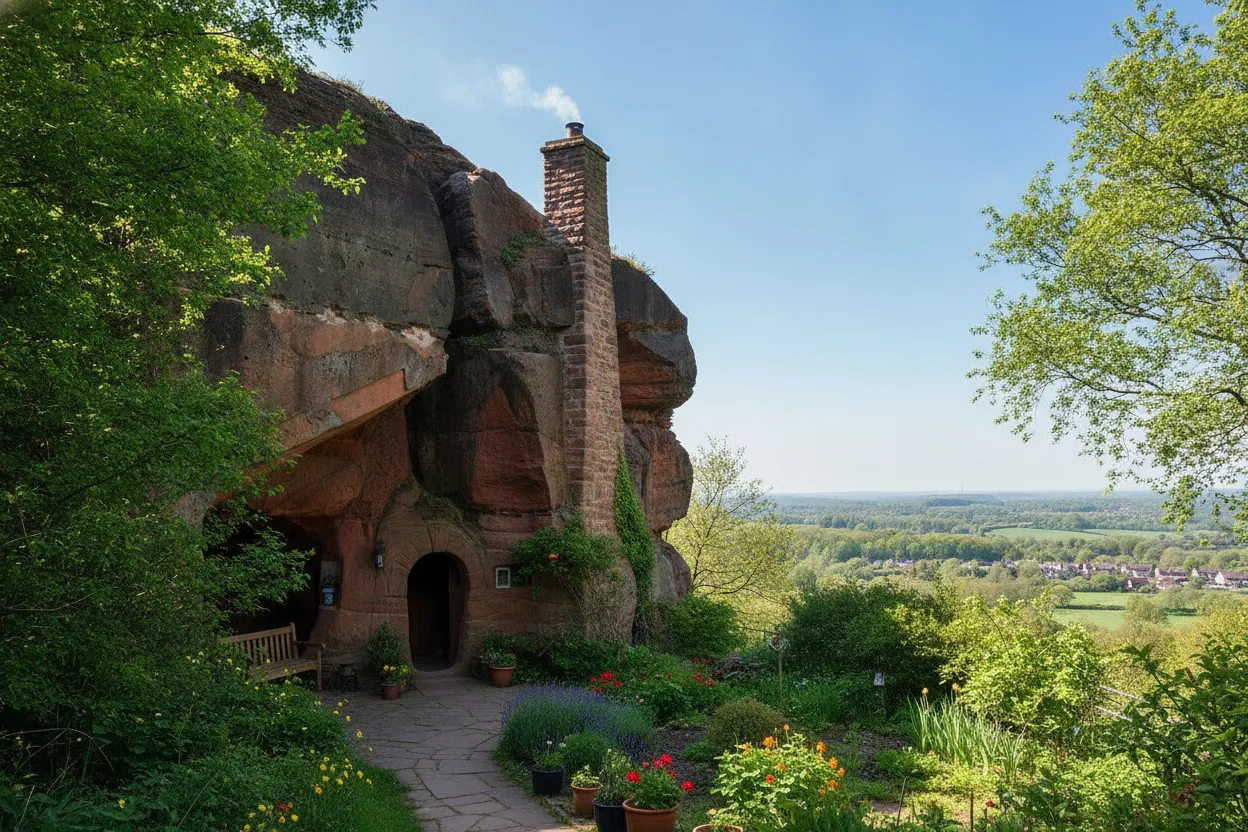
The most famous of these, the Holy Austin Rock House, was reputedly named after a hermit or holy man, though its history is more firmly rooted in the lives of ordinary families. Over the centuries, these homes were passed down through generations, each adding their own touches. You’ll find evidence of improvements like brick chimneys, glass windows, and even the remnants of small gardens meticulously cultivated in pockets of soil on the ledges outside. This wasn't primitive living; it was a highly adapted, self-sufficient lifestyle.
The community at Kinver Edge was remarkably self-contained. Records indicate residents working as basket makers, nail makers, agricultural labourers, and even those providing services to visitors who would come to experience the novelty of the rock houses. By the Victorian era, the Kinver Edge Rock Houses had become something of a local tourist attraction, with visitors able to buy refreshments and souvenirs from the residents themselves – an early form of eco-tourism, perhaps!
The decline of the rock house community began in the mid-20th century, as modern housing and amenities became more accessible. The last residents of the Holy Austin Rock House, the family of the late Horace and Madge Jones, moved out in 1967, bringing an end to over two centuries of continuous habitation. Thankfully, the National Trust acquired the site in 1917 and has since undertaken extensive conservation work, ensuring that this extraordinary heritage is preserved for future generations. Their efforts have allowed us to step back in time and truly understand what life was like within these unique dwellings.
What You'll See and Experience at Kinver Edge
Visiting the Rock Houses of Kinver Edge is an immersive experience that begins long before you even reach the dwellings themselves. The journey through the ancient woodlands of Kinver Edge is a delight, with winding paths leading you deeper into the natural beauty of the area. As you ascend, the dramatic sandstone cliffs gradually reveal themselves, and then, suddenly, there they are: the windows and doors set into the rock face, an almost unbelievable sight.
The main attraction is the Holy Austin Rock House, which has been meticulously restored and furnished by the National Trust to reflect how it would have looked in the 1930s. Stepping inside is like entering a time capsule. You can explore several rooms, including a living room with a hearth, a bedroom, and a kitchen, all carved directly from the rock. The feeling of the cool, solid rock surrounding you is palpable, and it’s easy to imagine the daily lives of the families who called this place home. Knowledgeable National Trust volunteers are often on hand to share fascinating stories and anecdotes, bringing the history to life with vivid detail.
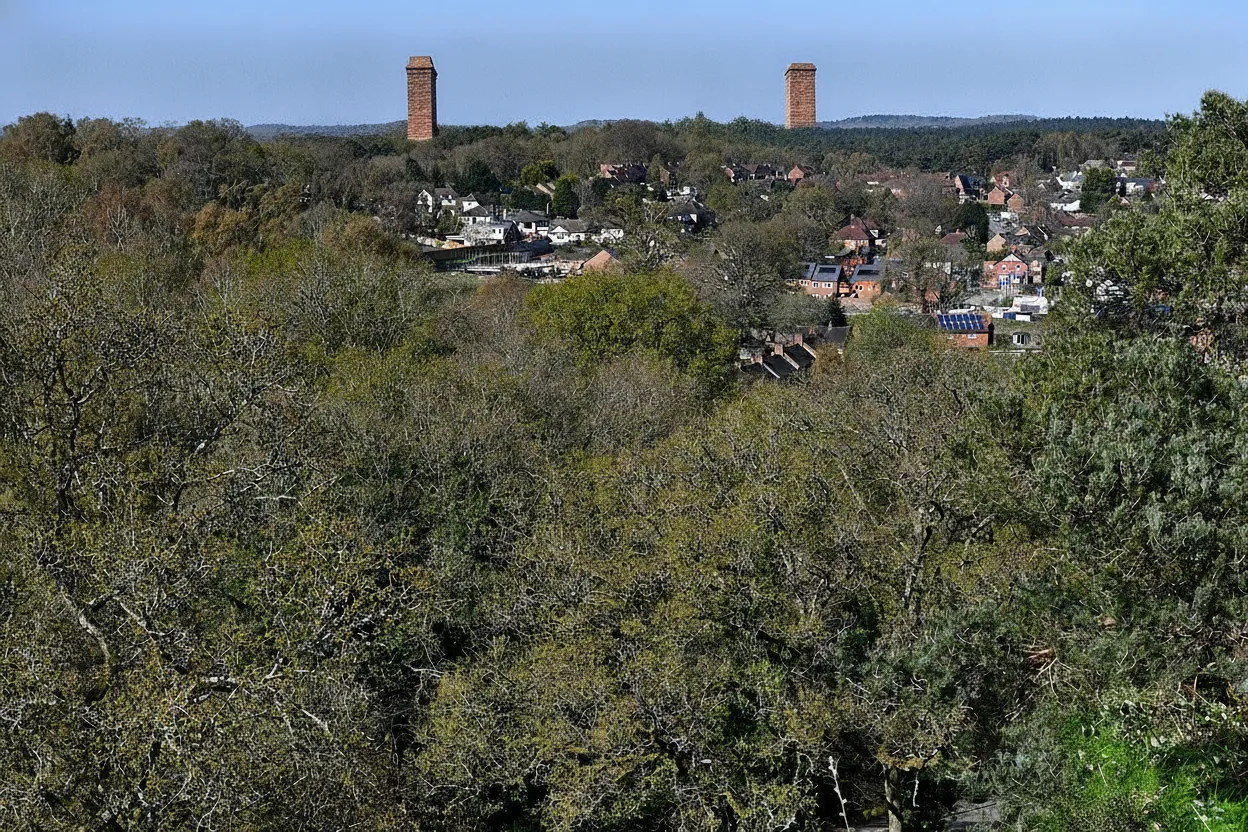
Beyond the Holy Austin, you can also discover the remnants of other rock houses, such as Nanny's Rock, which offers a more raw, unrestored glimpse into these unique structures. The sheer scale of the carving is impressive, and you can appreciate the effort involved in shaping these homes. Don’t forget to climb to the very top of Kinver Edge for truly spectacular panoramic views. On a clear day, you can see for miles across the surrounding countryside, a landscape that has changed little since the rock dwellers gazed upon it. There’s also a charming tea room on-site, perfect for a refreshing cuppa and a slice of cake after your exploration, further enhancing the sense of stepping into a gentler, bygone era.
Planning Your Adventure: Practical Tips for Visiting
To make the most of your trip to the Rock Houses of Kinver Edge, a little planning goes a long way. This is a destination that rewards exploration, so come prepared!
Best Time to Visit: While beautiful year-round, spring, summer, and early autumn offer the most pleasant weather for exploring the woodland paths and enjoying the views. The trees are lush in spring/summer, and autumn brings spectacular colours. Winter visits can be atmospheric but may involve muddy paths.
Getting There: Kinver Edge is located near the village of Kinver in Staffordshire, England. It’s best accessed by car, as public transport options are limited. There is a National Trust car park available on site. The address for GPS is usually "Kinver Edge, Kinver, Stourbridge, DY7 6DL."
What to Wear: Sturdy footwear is essential. The paths around Kinver Edge can be uneven, steep, and muddy, especially after rain. Dress in layers, as the weather can be unpredictable, and it can be cooler inside the rock houses.
Accessibility: The Rock Houses are situated on a steep hillside. While the paths to the main Holy Austin Rock House are well-maintained, they do involve inclines and some steps, making them challenging for those with limited mobility or pushchairs. Check the National Trust website for the latest accessibility information.
Facilities: The Holy Austin Rock House has a delightful tea room serving light refreshments and snacks. There are also toilet facilities near the car park and the main houses. A small shop offers souvenirs and local produce.
Admission: As a National Trust property, there is an admission fee to enter the Rock Houses. National Trust members enjoy free entry. Check their official website for current opening times and prices, as these can vary seasonally.
Combine Your Visit: The village of Kinver itself is charming, with traditional pubs and shops. Nearby attractions include the historic market town of Stourbridge and the beautiful Clent Hills, offering more opportunities for walking and exploring the English countryside.
The Rock Houses of Kinver Edge offer a truly unique travel experience, a chance to step back in time and marvel at a way of life that feels both ancient and surprisingly recent. It’s a compelling reminder of human adaptability and the enduring stories etched into the very fabric of our landscape. So, pack your walking boots, unleash your inner explorer, and discover this extraordinary hidden gem in the heart of England. You won't regret it.
Essential Travel Information
- Location Rock Houses of Kinver Edge, United Kingdom
- Best Time Spring, Summer, and early Autumn for pleasant weather and vibrant scenery.
- Getting There Best accessed by car. Located near Kinver village, Staffordshire. National Trust car park available.
- Airport Birmingham Airport (BHX)
- Budget Mid-range (primarily due to travel costs, entry fees are modest for a National Trust property)
- Language English
Find Places to Stay Near Rock Houses of Kinver Edge
Compare hotels, hostels, and unique stays in United Kingdom.
Search AccommodationTours & Experiences Near Rock Houses of Kinver Edge
Book guided tours, day trips, and unique experiences.
Browse Tours