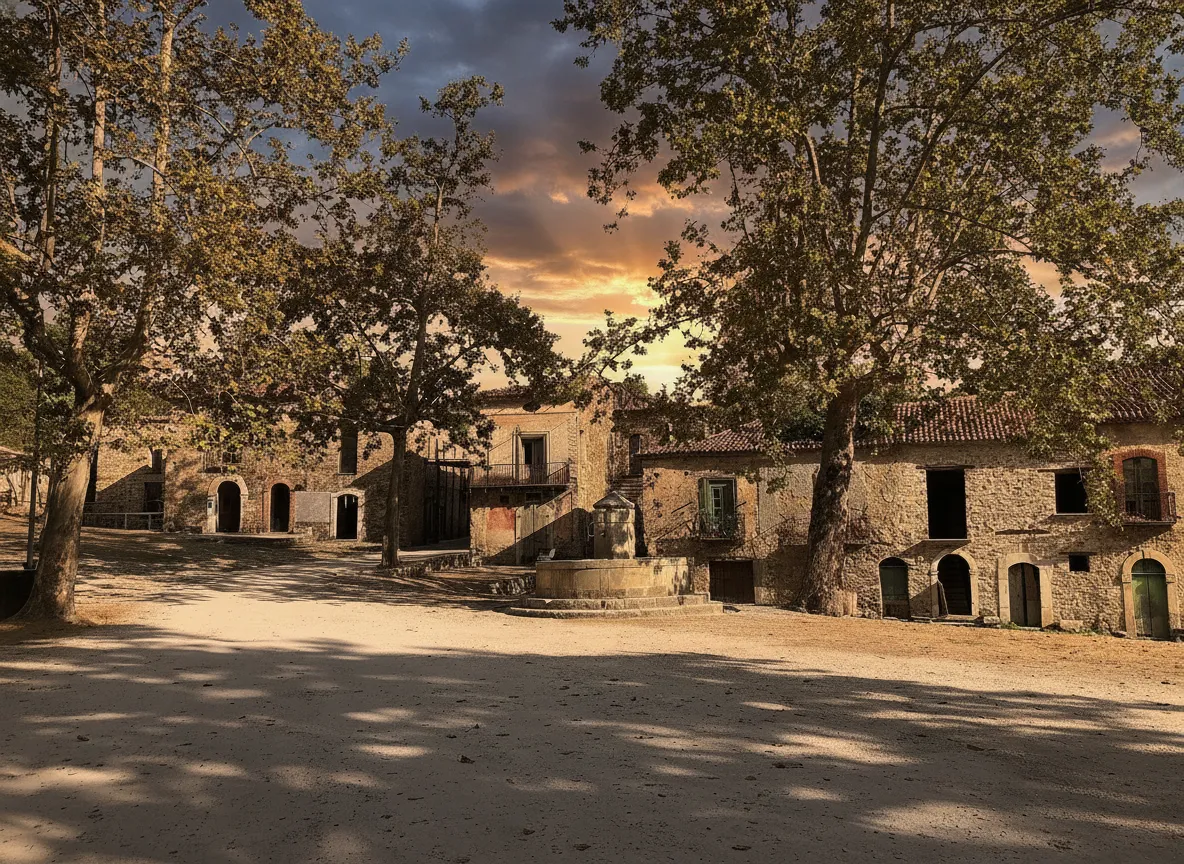
Imagine a place where time itself decided to take a long, deep breath and simply stop. Where cobblestone streets whisper forgotten tales, and ancient stone houses stand sentinel, their windows gazing out at a world that has moved on. This isn't the setting of a fantasy novel; it's a very real, utterly captivating village nestled deep in the rugged heart of Southern Italy. Welcome to Roscigno Vecchia, a ghost town unlike any other, a place where history isn't just preserved – it was, for decades, fiercely protected by the unwavering spirit of a single, tenacious man. If you crave discovery, if your soul yearns for stories etched in stone and silence, then prepare to be enchanted by Italy's most poignant secret.
The Whisper of Stones: Why Roscigno Vecchia Captivates
Roscigno Vecchia isn't merely an abandoned village; it's a living, breathing museum of rural Italian life, frozen in the mid-20th century. Perched precariously in the dramatic Cilento mountains of Campania, this medieval hamlet was slowly, reluctantly, evacuated starting in the 1950s. The culprit? Persistent seismic activity and relentless landslides, a slow but inevitable force of nature threatening to swallow the village whole. As families moved to the safer, newly constructed Roscigno Nuovo nearby, they left behind their homes, their churches, their entire way of life. But one man refused to budge.
Giuseppe Spagnuolo, affectionately known as 'Peppino,' became the self-appointed guardian of Roscigno Vecchia. For over 50 years, until his passing in 2017, he was the village's sole official resident, its mayor, its curator, its beating heart. He lived among the empty stone houses, tending to the village, keeping its memory alive, and turning the entire settlement into a poignant, self-curated museum. His story, intertwined with the haunting beauty of the abandoned streets, is what elevates Roscigno Vecchia from a mere historical curiosity to an unforgettable testament to human resilience, a place where the past isn't just remembered, but felt.
A Village Against Time: History and the Man Who Stayed
The history of Roscigno Vecchia stretches back to medieval times, its strategic position in the Cilento mountains offering both protection and breathtaking vistas. For centuries, life here followed the rhythms of the land, a close-knit community thriving amidst the olive groves and pastures. However, the very geological forces that shaped its dramatic landscape also sealed its fate. The ground beneath Roscigno Vecchia was unstable, a fact that became increasingly apparent and dangerous in the mid-20th century.
Starting in the 1950s, government decrees began to mandate the evacuation of the village. Residents were relocated to Roscigno Nuovo, a modern settlement built just a few kilometers away. It was a slow, painful exodus, as families dismantled their lives, taking what they could, and leaving behind generations of memories. The village slowly emptied, its vibrant life fading to an echoing silence. But then there was Peppino. Giuseppe Spagnuolo, born in Roscigno Vecchia in 1926, embodied the spirit of the village. He watched his neighbors leave, but he could not bring himself to abandon his home, his heritage.
For decades, Peppino lived alone in the ghost town, a solitary figure amidst the silent stones. He maintained the village church, swept the piazza, and meticulously collected and displayed artifacts from the abandoned homes – farming tools, household items, photographs – turning every corner into an exhibit. He became a living bridge between the past and the present, welcoming visitors with stories, guiding them through the empty streets, and sharing the soul of Roscigno Vecchia. His presence, his dedication, transformed a forgotten ruin into a place of profound meaning, a stark reminder of rural Italy's disappearing traditions and the powerful bond between people and their land. His legacy ensures that even today, the village feels less like a ruin and more like a cherished memory.
Stepping Back in Time: What You'll Discover in Roscigno Vecchia
A visit to Roscigno Vecchia is an immersive journey into a bygone era. As you drive the winding roads through the Cilento National Park, the modern world slowly recedes, replaced by ancient landscapes and the promise of something extraordinary. When you finally arrive, the silence is often the first thing that strikes you – a profound quiet broken only by the rustle of leaves or the distant call of a bird.
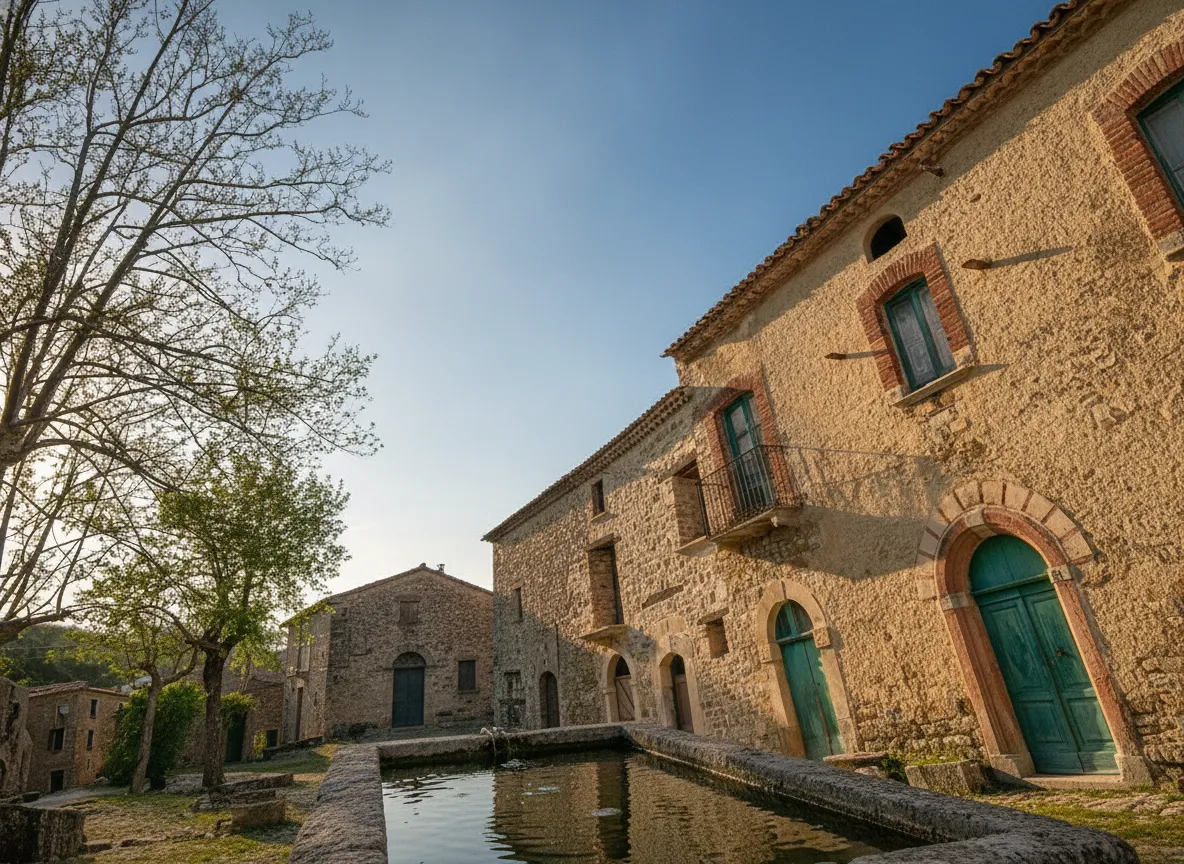
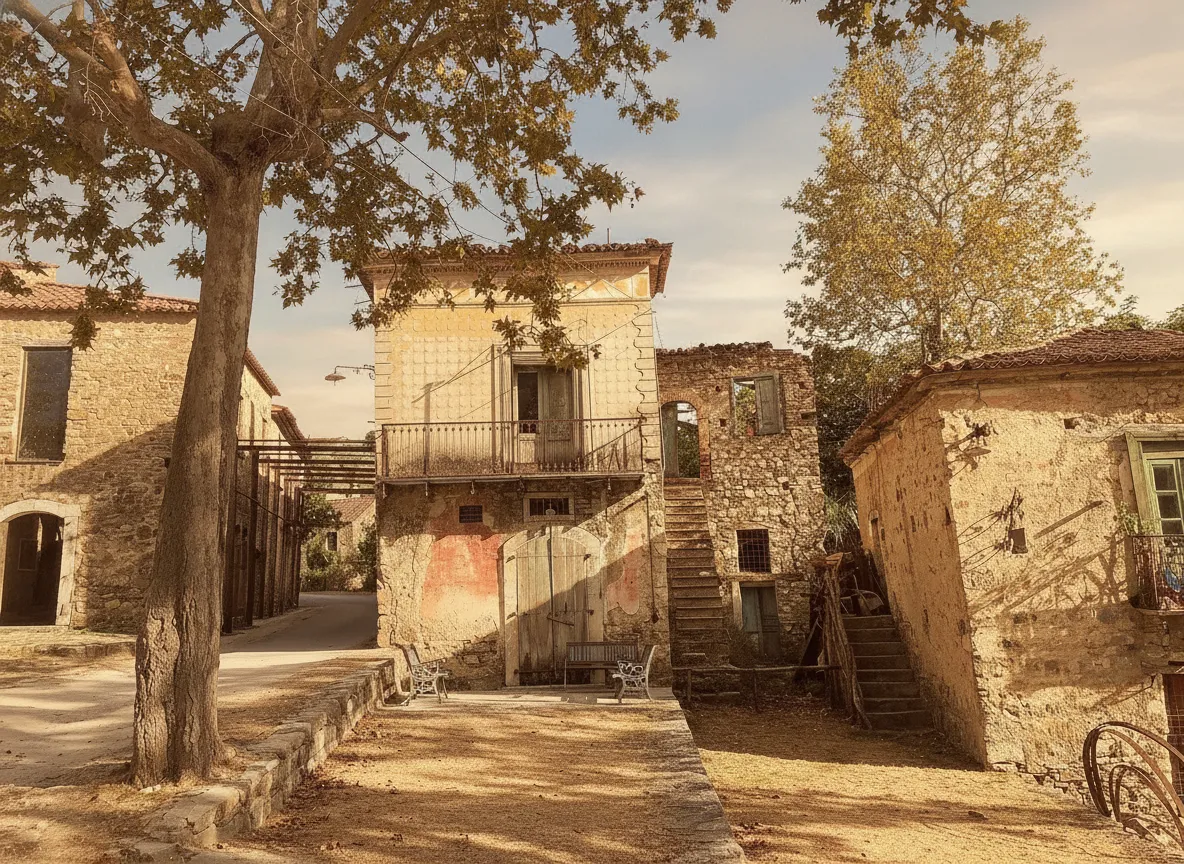
The village unfolds around a central piazza, where the beautiful Church of San Nicola di Bari stands proudly, its doors now often open to the elements, revealing frescoes and a simple altar. Surrounding the piazza are the stone houses, some with crumbling roofs, others remarkably intact, their wooden shutters still clinging to the frames. You can peer into empty rooms, imagining the lives that once filled them – families gathered around a hearth, children playing, the daily rhythm of rural existence. Many houses still contain remnants of their former inhabitants: an old bed frame, a dusty ceramic pot, a faded photograph on a shelf, all carefully preserved by Peppino.
Wander through the narrow, cobbled alleyways, where wildflowers sprout between the stones and vines slowly reclaim the walls. Each turn reveals a new perspective, a different angle of abandonment and enduring beauty. You'll find old workshops, stables, and even a public washhouse, all telling their own quiet stories. It's a place for contemplation, for allowing your imagination to fill the void left by its former residents. The stunning natural backdrop of the Cilento mountains adds another layer to the experience, with panoramic views stretching across valleys and peaks, making it clear why generations chose to build their lives in such a dramatic location.
Planning Your Pilgrimage: Practical Tips for Visiting Roscigno Vecchia
Visiting Roscigno Vecchia is an adventure, a step off the well-trodden tourist path. To truly appreciate its magic, a little preparation goes a long way. The village is located within the Cilento, Vallo di Diano e Alburni National Park, a UNESCO World Heritage site, which means the journey itself is part of the experience, winding through some of Italy's most pristine natural landscapes.
Given its remote location, the best way to reach Roscigno Vecchia is by car. This allows you the flexibility to explore at your own pace and combine your visit with other hidden gems in the Cilento region. While there isn't an official entrance fee, donations are often requested for the upkeep of the village, and it's a small gesture that helps preserve this unique site. Remember, you're visiting a delicate historical site, so tread lightly, respect the property, and leave no trace behind.
Wear comfortable walking shoes, as the streets are uneven and cobbled. Bring water, especially during warmer months, as amenities within Roscigno Vecchia are minimal. There are no cafes or shops, so pack any snacks or drinks you might need. A good camera is a must – the photographic opportunities are endless, from the haunting beauty of the architecture to the dramatic mountain scenery. Consider visiting during the shoulder seasons (spring or autumn) when the weather is mild, and the crowds are thinner, allowing for a more serene and contemplative experience. A visit can easily take a few hours, allowing you to soak in the atmosphere and explore every nook and cranny. Afterwards, you can find local trattorias in Roscigno Nuovo or nearby towns like Corleto Monforte for a taste of authentic Cilento cuisine.
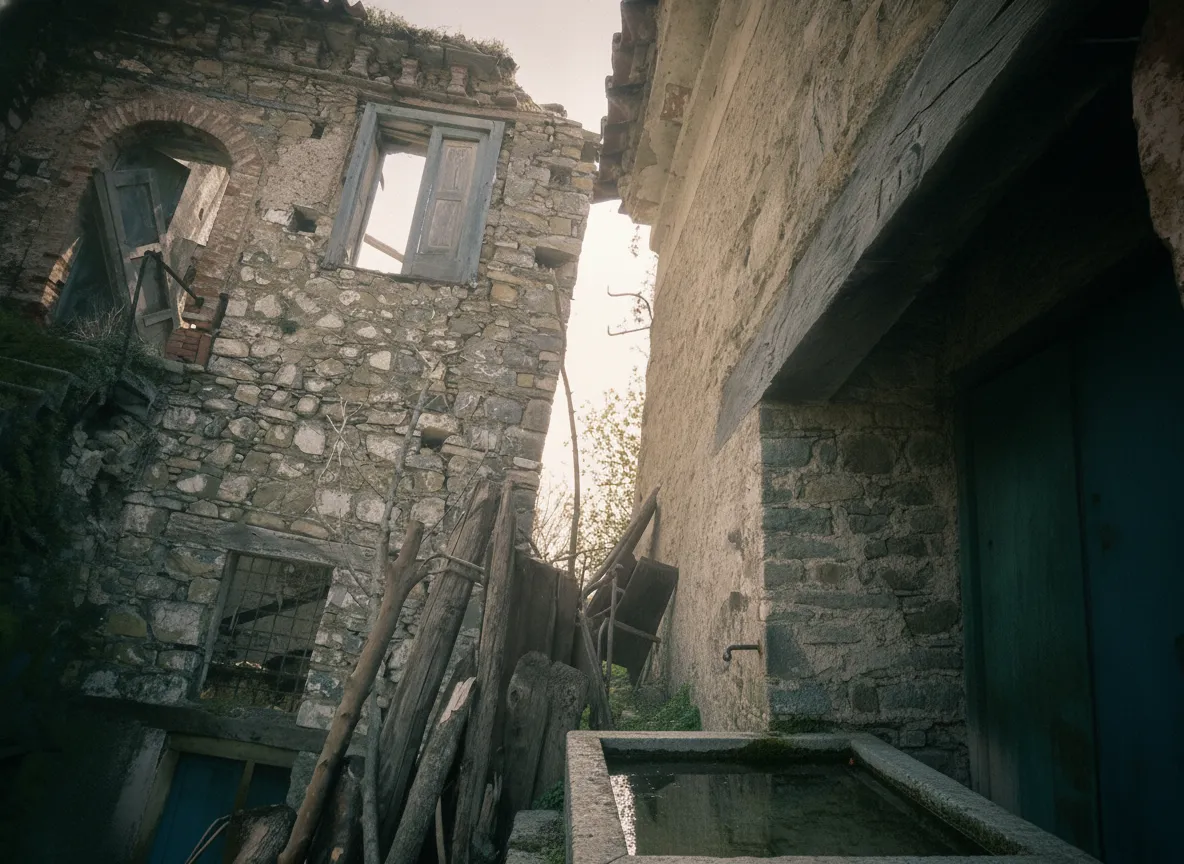
Roscigno Vecchia is more than just a ghost town; it's a profound narrative woven from stone, silence, and the indomitable human spirit. It's a place that challenges our notions of progress and abandonment, reminding us of the transient nature of life and the enduring power of memory. If you're seeking an authentic, deeply moving travel experience away from the crowds, a journey to this hidden gem in Campania will undoubtedly leave an indelible mark on your heart. Come, and let the whispers of Roscigno Vecchia tell you its unforgettable story.
Essential Travel Information
- Location Roscigno Vecchia, Italy
- Best Time April-June (Spring) or September-October (Autumn) for mild weather and fewer crowds.
- Getting There Best reached by car. It's located within the Cilento, Vallo di Diano e Alburni National Park. From Salerno, it's about a 1.5-2 hour drive south.
- Airport Naples International Airport (NAP)
- Budget Budget/Mid-range (minimal costs for entry, primarily for transport and nearby accommodation/food) - approximate daily cost for area: €50-€100
- Language Italian
Find Places to Stay Near Roscigno Vecchia
Compare hotels, hostels, and unique stays in Italy.
Search AccommodationTours & Experiences Near Roscigno Vecchia
Book guided tours, day trips, and unique experiences.
Browse Tours