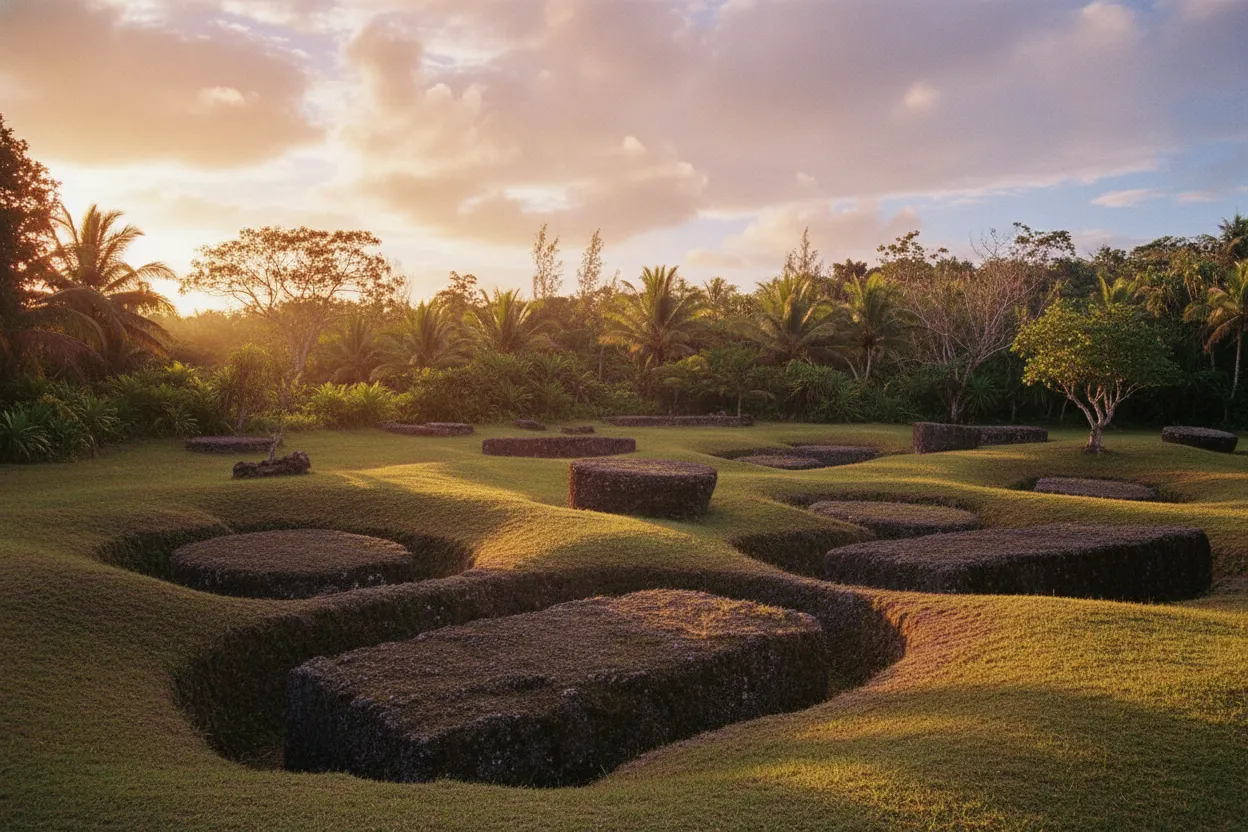
Imagine stepping into a real-life Indiana Jones movie, not in some forgotten desert, but deep within the emerald heart of a tiny Pacific island. Here, amidst the whispering jungle, lie colossal stone pillars, half-carved and abandoned, silent relics of an ancient civilization's forgotten engineering marvels. This isn't a myth or a movie set; it's the Rota Latte Stone Quarry in the Northern Mariana Islands, a place where time stands still, and the echoes of a sophisticated past resonate with an almost mystical power. Prepare to be captivated by one of the world's most unique archaeological sites, a testament to human ingenuity and a poignant mystery waiting to be explored.
Unveiling Rota's Ancient Secret: Why This Quarry is Unforgettable
What makes the Rota Latte Stone Quarry so utterly compelling? It's the sheer scale of ambition, the palpable sense of a grand project suddenly interrupted, and the profound connection it offers to a vanished culture. This isn't just any quarry; it's the birthplace of the iconic 'latte stones'—the distinctive mushroom-shaped foundations that once supported the homes and community buildings of the ancient Chamorro people across the Mariana Islands. For centuries, these remarkable structures stood as a hallmark of Chamorro architecture and social status. To walk among dozens of these unfinished megaliths—some reaching an astonishing 20 feet in length—is to witness the painstaking labor and advanced techniques of a society whose work was abruptly halted, leaving behind a silent, powerful testament to their ingenuity and a fascinating enigma.
Unlike many archaeological sites that present ruins, the Rota Latte Stone Quarry offers a unique "behind-the-scenes" look at the construction process. You don't just see the finished product; you see the work in progress, the tools implied by the chisel marks, the sheer effort involved in extracting such massive pieces of basalt from the earth. It's a tangible, awe-inspiring glimpse into a sophisticated society that mastered stone carving on an epic scale, all within the breathtaking natural beauty of a remote Pacific jungle.
Echoes of the Past: The Chamorro People and Their Latte Stones
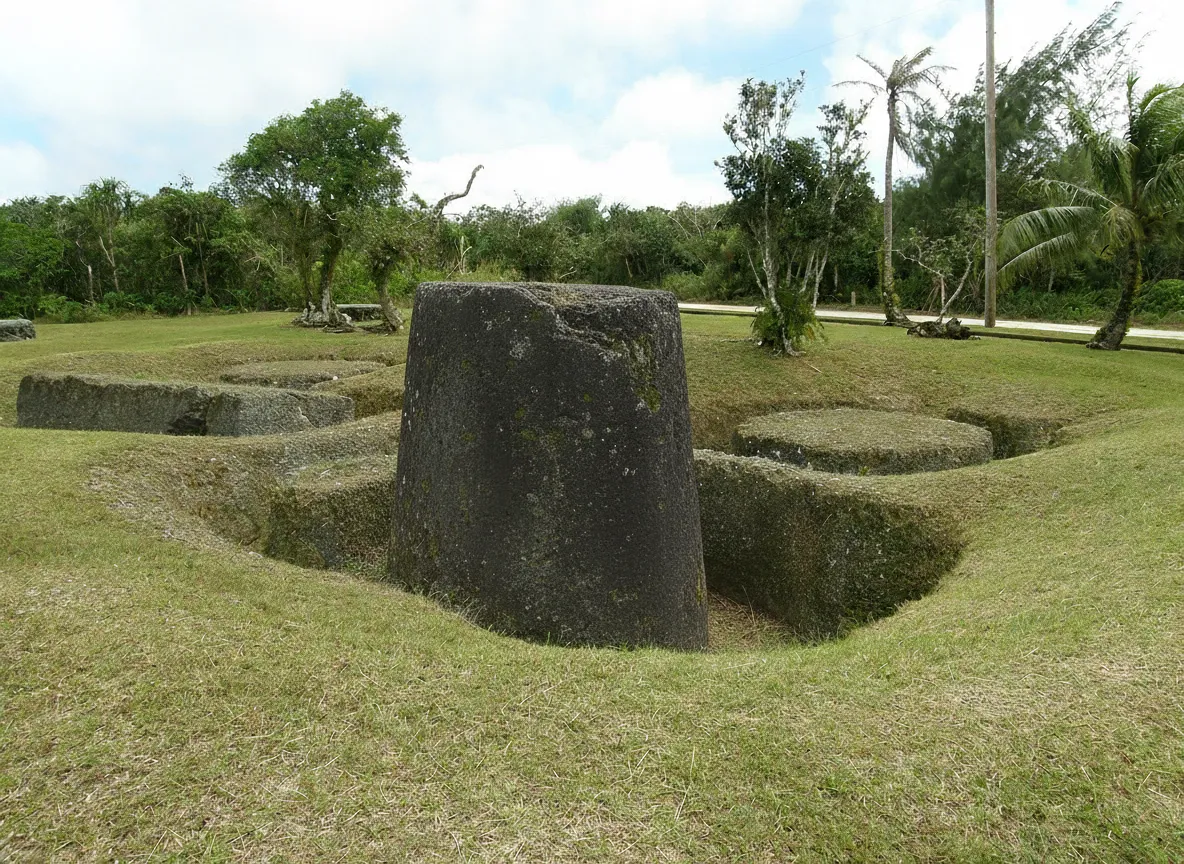
To truly appreciate the Rota Latte Stone Quarry, one must understand the people who created it: the Chamorro. Indigenous to the Mariana Islands for over 4,000 years, the Chamorro developed a rich and complex culture, renowned for their navigational prowess, intricate social structures, and, of course, their monumental architecture. The latte stones are perhaps the most enduring symbol of their ancient civilization. These foundations consist of two parts: a sturdy pillar (haligi) and a capstone (tasa) placed on top, resembling a mushroom. They weren't just structural; they were symbols of prestige, power, and permanence, with larger latte stones indicating higher social status or important community buildings.
The basalt extracted from the Rota quarry was ideal for these constructions due to its durability. The process of carving these stones, often weighing many tons, without metal tools, is a marvel of ancient engineering. It involved skilled artisans using stone adzes and hammers to painstakingly chip away at the rock, slowly shaping the massive pillars and capstones. Once carved, these colossal stones would have been transported, likely using a combination of rolling logs, ropes, and sheer manpower, from the quarry to their ultimate building sites, sometimes across significant distances.
But here lies the enduring mystery: why was the quarry abandoned? The unfinished state of so many stones suggests a sudden interruption. Theories abound, ranging from devastating typhoons or earthquakes to inter-island conflicts, resource depletion, or even the initial arrival of the Spanish in the 16th century, which drastically altered Chamorro society. Whatever the reason, the Rota Latte Stone Quarry stands as a frozen moment in time, a powerful question mark etched in stone, inviting visitors to ponder the fate of a once-thriving civilization.
A Walk Through Time: What You'll Discover at the Quarry
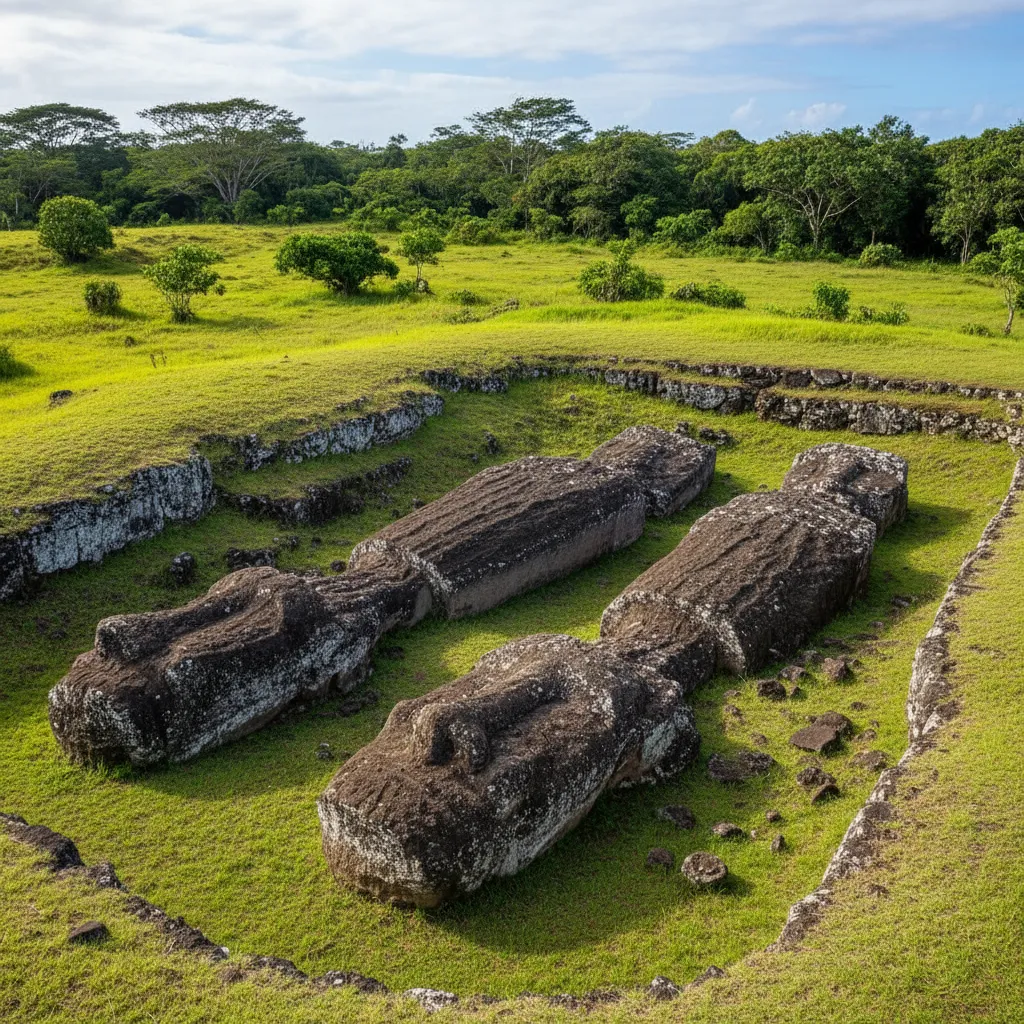
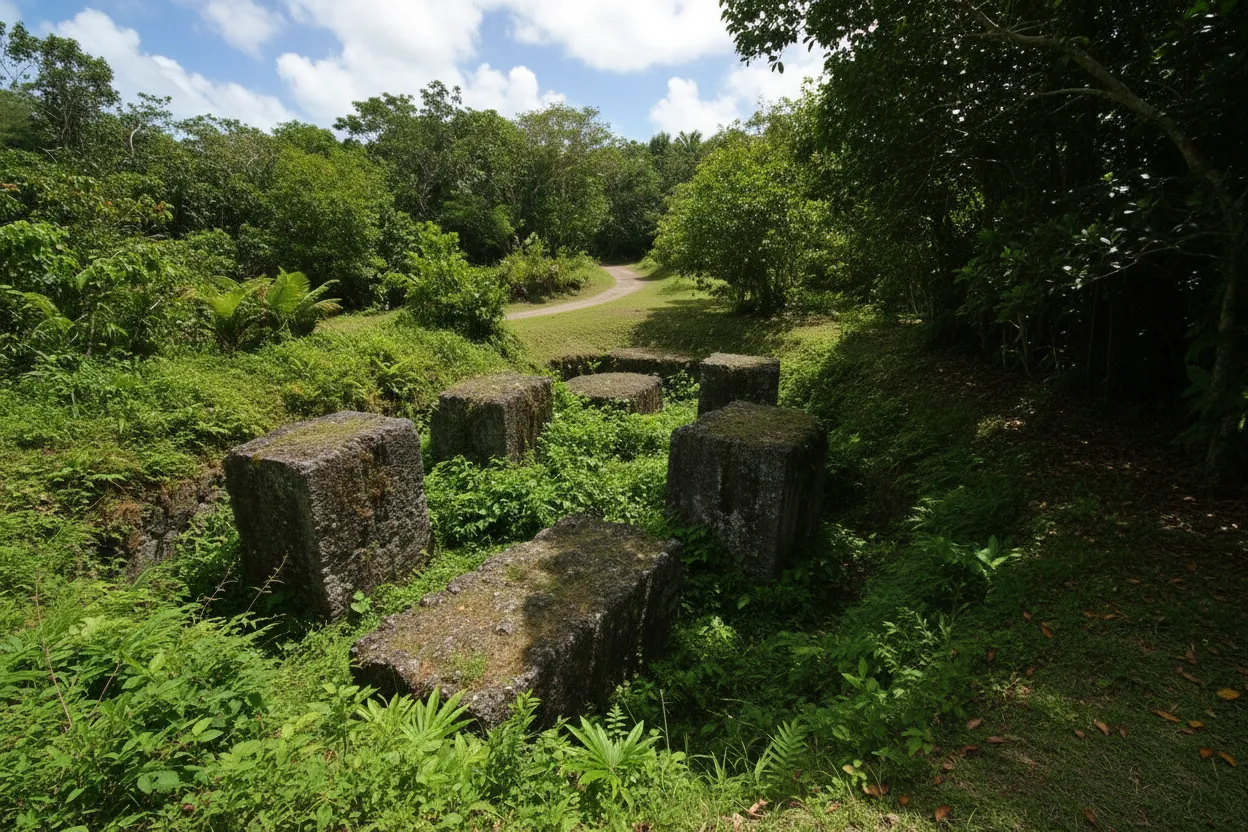
Your journey to the Rota Latte Stone Quarry is an adventure in itself. Once you arrive, a path, often shaded by the lush canopy, leads you into the heart of the site. The air is thick with the scent of damp earth and tropical foliage, and the only sounds are the rustling leaves and distant bird calls. Then, you see them: massive, dark grey stones emerging from the undergrowth, some standing upright, others lying prone, still connected to the bedrock by a thin strip of uncarved stone. It’s an almost surreal experience.
You can wander freely among these ancient giants, touching the rough, cool surface of the basalt. You'll notice the distinct, almost geometric shapes of the pillars and the rounded curves of the capstones. Look closely, and you can still discern the marks left by ancient tools, silent testimony to the hands that shaped them thousands of years ago. Imagine the sheer human effort required to move just one of these monolithic pieces. Some of the stones are still fully embedded in the earth, barely begun, while others are meticulously shaped, awaiting their final separation from the bedrock.
The sheer number of unfinished stones is staggering, creating an eerie, almost sacred atmosphere. It's a place that sparks the imagination, transporting you back to a time when this jungle clearing would have been a bustling construction site, filled with the sounds of chiseling, shouting, and the rhythmic thud of heavy lifting. The quarry offers a profound connection to the past, reminding us of the incredible feats accomplished by ancient peoples and the mysteries that still lie buried beneath the earth.
Practical Tips for Your Rota Latte Stone Quarry Adventure
Visiting the Rota Latte Stone Quarry is an unforgettable experience, but a little preparation goes a long way to ensure you make the most of your trip to this hidden gem.
Getting to Rota Island
Rota is part of the Northern Mariana Islands, a U.S. territory. The most common way to reach Rota (ROR) is via connecting flights from Guam (GUM) or Saipan (SPN). These flights are short, often just 20-30 minutes, and offer stunning aerial views of the turquoise Pacific. Booking in advance is recommended, especially during peak seasons, as flight schedules can be limited.
Navigating Rota and Reaching the Quarry
Rota is a small island, and public transport is minimal. Renting a car is highly recommended for exploring at your own pace. Several local rental agencies operate on the island. The roads to the quarry are generally well-maintained, but some sections might be unpaved or a bit rugged, especially after heavy rain. Look for clear signage directing you to the "Latte Stone Quarry" or "Taga Latte Stone Quarry" (as it's sometimes referred to, linking it to the legendary Chief Taga). Alternatively, you can hire a local tour guide, who can provide invaluable insights into the Chamorro culture and history, and safely navigate the routes.
What to Bring
- Sturdy Footwear: You'll be walking on uneven terrain, potentially slippery paths, and around large stones. Closed-toe shoes with good grip are essential.
- Water: It gets hot and humid in the jungle. Bring plenty of water to stay hydrated.
- Bug Spray: The jungle environment means mosquitoes and other insects are present.
- Sunscreen and Hat: While parts of the quarry are shaded, you'll still be exposed to the sun.
- Camera: You'll want to capture the incredible scale and atmosphere of the site.
- Light Rain Jacket: Tropical showers can occur unexpectedly.
Best Time to Visit
The Northern Mariana Islands experience a tropical climate. The dry season, typically from December to June, offers more consistent sunny weather and lower humidity, making it ideal for exploration. Avoid typhoon season (July to November) if possible, though storms are not constant.
Respecting the Site
The Rota Latte Stone Quarry is a sacred and historically significant site for the Chamorro people. Please treat it with respect. Do not climb on the stones, remove any artifacts, or disturb the natural environment. Stick to marked paths and leave no trace of your visit.
A visit to the Rota Latte Stone Quarry is more than just a sightseeing trip; it's a journey into the heart of an ancient mystery, a chance to connect with the ingenuity of a bygone era, and an opportunity to witness history frozen in stone. This hidden gem on Rota Island offers an unparalleled glimpse into the Chamorro civilization, leaving you with a profound sense of wonder and a deeper appreciation for the incredible stories our world holds. Don't just read about history—step into it.
Essential Travel Information
- Location Rota Latte Stone Quarry, Northern Mariana Islands (USA)
- Best Time December to June (Dry Season)
- Getting There Fly to Rota International Airport (ROP) from Guam (GUM) or Saipan (SPN). Rent a car or hire a local guide on Rota to reach the quarry.
- Airport Rota International Airport (ROP)
- Budget Mid-range (approx. $150-$300+ USD per day, excluding international flights)
- Language English, Chamorro
Find Places to Stay Near Rota Latte Stone Quarry
Compare hotels, hostels, and unique stays in Northern Mariana Islands (USA).
Search AccommodationTours & Experiences Near Rota Latte Stone Quarry
Book guided tours, day trips, and unique experiences.
Browse Tours