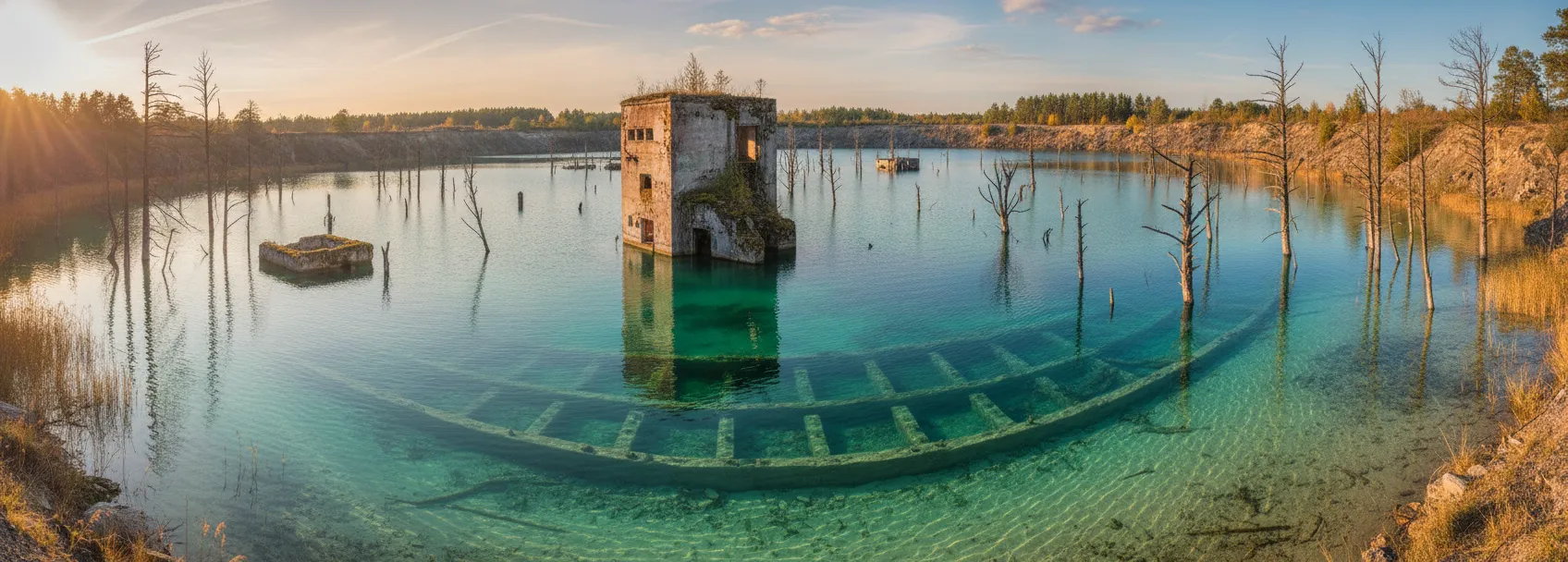
Forget ancient shipwrecks or vibrant coral reefs. Imagine diving into an entire abandoned Soviet-era prison, its buildings, fences, and even a guard tower eerily preserved beneath a shimmering turquoise lake. This isn't a scene from a sci-fi movie; it's Rummu Underwater Prison in Estonia, a place where history has literally been submerged, creating one of the most unique and hauntingly beautiful underwater experiences on Earth. If you're seeking an adventure that blends history, mystery, and an unparalleled aquatic exploration, then pack your snorkel – Rummu is calling.
I first heard whispers of Rummu from a fellow traveler, a glint of fascination in their eye as they described an "accidental underwater museum." My curiosity was immediately piqued. How could an entire prison end up underwater? What would it feel like to swim through its ghostly corridors? This wasn't just another beautiful lake; it was a portal to a bygone era, a chilling testament to human history now reclaimed by nature's serene embrace. And let me tell you, Rummu delivers on every promise of intrigue and wonder.
Rummu: A Glimpse Beneath the Surface of History
Nestled in Estonia's Harju County, Rummu is far more than just a swimming hole. It's a surreal landscape where the harsh realities of Soviet-era labor camps meet the breathtaking beauty of a clear, spring-fed lake. What makes Rummu genuinely special is its utterly unique origin story. Unlike planned dive sites or natural formations, this entire complex was submerged by accident, transforming a place of confinement and toil into an unexpected aquatic playground and a poignant, open-air (or rather, open-water) museum.
The water here is unusually clear, a testament to its limestone quarry origins. On a sunny day, the visibility can be astounding, allowing you to peer through the tranquil surface and spot the skeletal remains of the prison infrastructure below. It’s this startling clarity that allows for such an immersive experience, inviting swimmers, snorkelers, and divers alike to explore a world frozen in time. The contrast between the dark, oppressive history of the prison and the vibrant, almost Caribbean-like turquoise of the water creates a truly unforgettable visual and emotional paradox. It’s a place that makes you ponder the past while marveling at the present, a testament to nature's power to reclaim and transform.
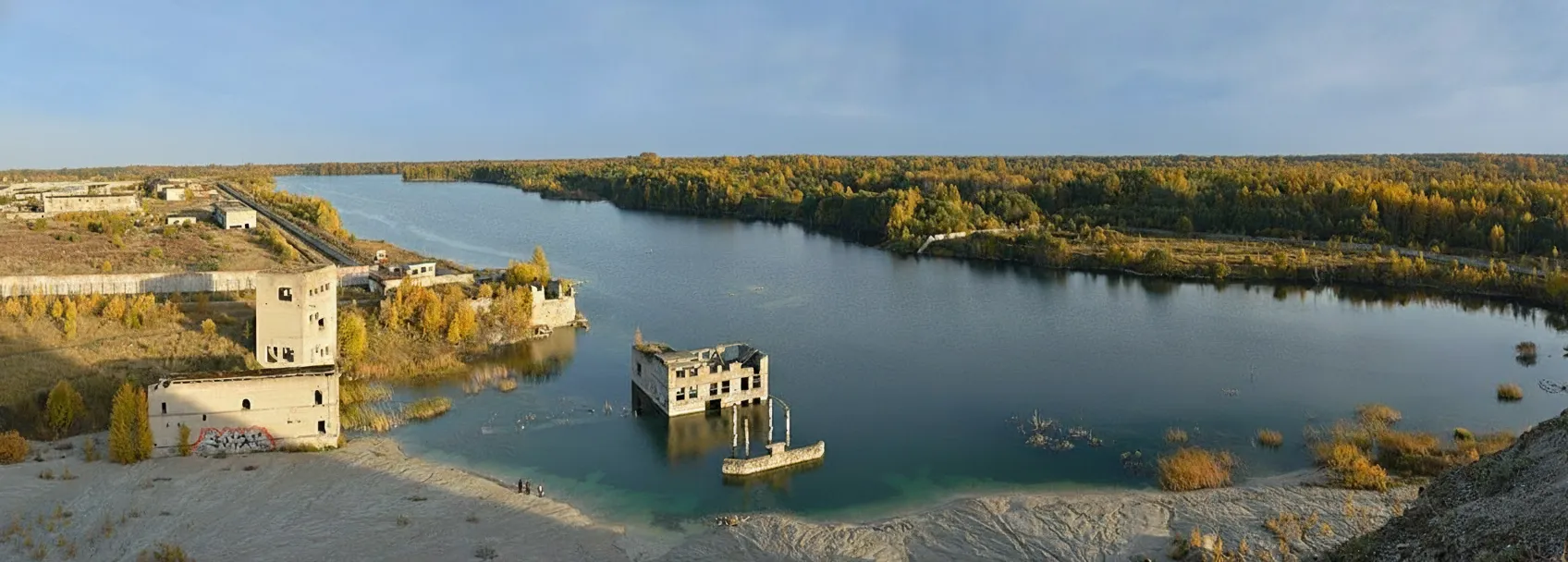
From Quarry to Gulag to Submerged Sanctuary: Rummu's Fascinating Past
To truly appreciate Rummu, one must understand its tumultuous past. The site began its life not as a prison, but as a vast limestone quarry, providing valuable materials for construction across the Soviet Union. As was common in the Soviet era, the workforce for such labor-intensive operations often came from the prison system. Thus, a labor camp and prison were established adjacent to the quarry, with inmates forced to extract the limestone under harsh conditions.
Life within the Rummu prison walls was undoubtedly grim. Prisoners toiled daily, extracting the white limestone that defines the area, all while being monitored by watchful guards from towers that now stand partially submerged. This routine continued for decades, a stark chapter in Estonia's Soviet occupation. However, history took a dramatic turn in 1991 when Estonia regained its independence from the Soviet Union. With the sudden shift in political landscape, the prison and quarry operations were abruptly abandoned. The pumps that constantly worked to keep the quarry dry, preventing groundwater from flooding the deep excavation, were simply switched off.
What followed was a slow, deliberate transformation. Over time, the natural groundwater, no longer held at bay, began to fill the vast quarry. The prison buildings, guard towers, fences, and roads that once stood on dry land were gradually enveloped by the rising water. What was once a place of forced labor and confinement slowly became a unique, accidental lake. The lake, now fed by natural springs and rainwater, eventually reached its current enchanting depth, leaving much of the prison complex eerily intact beneath its surface. This sudden, unplanned submersion created the "underwater museum" we see today, a hauntingly beautiful monument to a forgotten era.
What Awaits You at Rummu: Exploring the Aquatic Ghost Town
Stepping onto the shores of Rummu is like arriving at a secret lagoon. The water shimmers with an almost unreal turquoise hue, inviting you to plunge in. And plunge in you must, because the real magic of Rummu lies beneath the surface. As you wade into the surprisingly warm water (especially in summer), you'll quickly discover why this place has captivated adventurers from around the world.
With just a snorkel and mask, you can glide over the ghostly remains of what was once a bustling, albeit oppressive, complex. The most iconic sight is arguably the partially submerged guard tower, its upper levels still breaking the surface, a stark reminder of its original purpose. Below, prison walls stretch out, fences delineate old perimeters, and utility poles stand like silent sentinels, all remarkably preserved by the water. You can swim over old roadways and foundations, imagining the footsteps that once traversed these very paths. The experience is incredibly visceral; it's like swimming through a history book, each submerged brick and twisted metal bar telling a silent story.
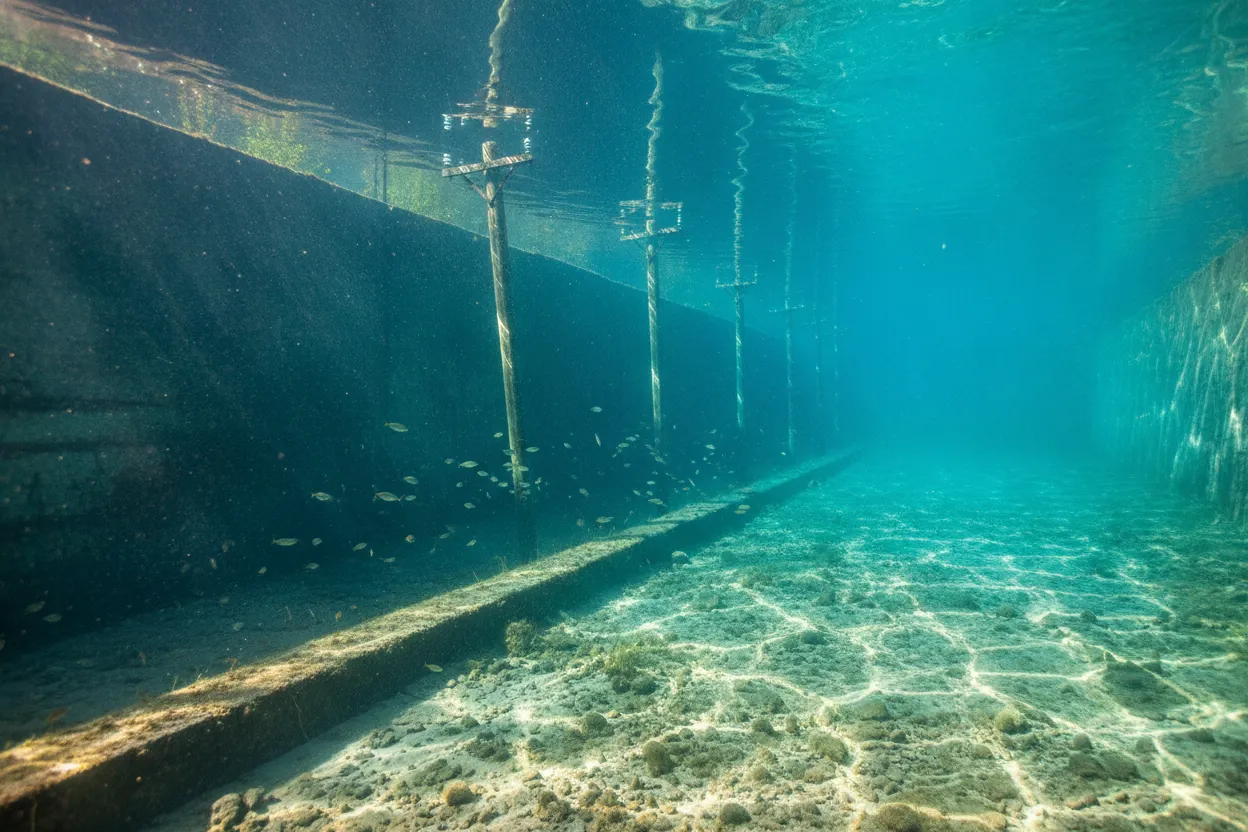
For those with diving certification, Rummu offers an even deeper exploration. Divers can descend further into the quarry, exploring larger sections of the prison complex, including what are believed to be former workshops and living quarters. The clarity of the water, coupled with the strange, almost alien landscape of submerged architecture, creates an unparalleled dive experience. Sunlight filters through the water, creating ethereal beams that illuminate the ruins, adding to the surreal beauty. It’s a place that sparks both awe and a contemplative sense of history, a truly unique blend of natural beauty and human legacy.
Practical Tips for Your Rummu Adventure
Ready to embark on your own expedition to Rummu? Here are some essential tips to make your visit as smooth and enjoyable as possible:
-
Best Time to Visit: The summer months (June to August) are ideal. The water is warmest, making swimming and snorkeling more comfortable, and the long daylight hours mean more time to explore. Visibility is also generally at its best during this period. However, it can get crowded, so consider visiting on a weekday morning for a more peaceful experience.
-
Getting There: Rummu is located in Harju County, approximately 45-60 minutes drive west of Tallinn, Estonia's capital. The easiest way to get there is by car. There's typically parking available near the entrance, though it might involve a small fee. Public transport options are limited, but you can take a bus from Tallinn to Rummu village and then walk or cycle to the site.
-
What to Bring:
- Swimsuit and Towel: Obviously!
- Snorkel and Mask: Absolutely essential for appreciating the underwater sights. Fins can also be useful. While there might be some rental options nearby, it’s best to bring your own.
- Water Shoes: The quarry floor can be rocky and uneven in places, and there might be sharp objects from the ruins. Water shoes will protect your feet.
- Sunscreen and Hat: Estonian summers can be surprisingly sunny, and there’s limited shade.
- Water and Snacks: While there might be vendors during peak season, it’s always wise to bring your own refreshments.
- Cash: For parking fees or any local vendors.
-
Safety First: The site is largely unsupervised. Be aware of your surroundings, especially underwater obstacles. If you're not a strong swimmer, consider wearing a life vest. Never dive alone, and always be mindful of depths and potential hazards. While the water is clear, debris from the prison can still be present.
-
Respect the Site: Rummu is a place of historical significance and natural beauty. Please do not litter, do not remove any artifacts, and do not damage the remaining structures. Leave no trace behind, so future visitors can enjoy this unique destination just as you did.
-
Accommodation: Most visitors treat Rummu as a day trip from Tallinn, where you'll find a wide range of hotels and guesthouses. There are also some rural accommodation options in the surrounding Harju County if you prefer a quieter stay.
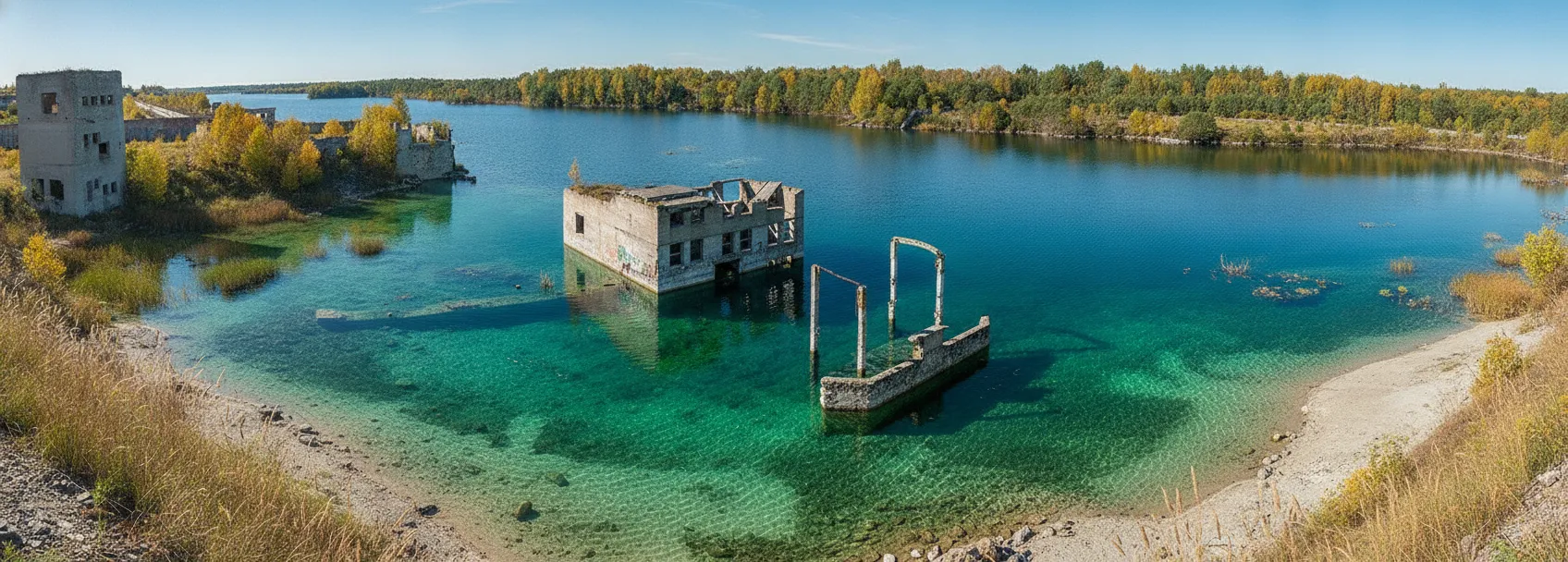
Rummu Underwater Prison is more than just a destination; it's an experience that transcends typical tourism. It’s a place where you can swim through history, ponder the past, and marvel at nature’s incredible power of transformation. So, if you're looking for an adventure that’s truly off the beaten path, a story to tell that few others can match, then make Rummu your next unforgettable journey. You won't regret diving into this accidental underwater wonderland.
Essential Travel Information
- Location Rummu Underwater Prison, Estonia
- Best Time Summer (June-August) for swimming and best visibility.
- Getting There Approximately 45-60 minutes by car from Tallinn. Limited public transport options.
- Airport Tallinn Airport (TLL)
- Budget Budget/Mid-range (mostly free access, main costs are transport and gear).
- Language Estonian, Russian (English widely understood in tourist areas).
Find Places to Stay Near Rummu Underwater Prison
Compare hotels, hostels, and unique stays in Estonia.
Search AccommodationTours & Experiences Near Rummu Underwater Prison
Book guided tours, day trips, and unique experiences.
Browse Tours