Imagine standing before monumental pyramids, their ancient stones whispering tales of a civilization so profound, so advanced, yet so utterly forgotten by mainstream history that it predates even the mighty pharaohs of Egypt. Now, imagine discovering this marvel not in the Middle East, but nestled in a remote, arid valley in Peru. Welcome, my friends, to the Sacred City of Caral-Supe, a place that doesn't just rewrite history books—it blows them wide open, revealing the earliest known civilization of the Americas, thriving over 5,000 years ago.
For centuries, the world believed the cradle of civilization in the Americas lay with the Maya, the Aztec, or the Inca. But deep within the Supe Valley, just a few hours north of Lima, archaeologists unearthed Caral, a city of six colossal pyramids, vast plazas, and intricate circular sunken courts that defy our conventional understanding of ancient development. This isn't just an archaeological site; it's a journey back to a time when complex societies were just beginning to form, a testament to human ingenuity, and a profound glimpse into a culture that chose harmony over warfare.
The Unveiling of an American Genesis: What Makes Caral So Special?
What truly sets Caral apart is its astonishing age and the sheer sophistication of its design. Dating back to 3000-1800 BCE, Caral is contemporary with the first cities of Mesopotamia and the construction of the Great Pyramids of Giza. Yet, this American marvel emerged entirely independently, isolated by oceans, developing its unique trajectory without influence from the Old World. It’s a pre-ceramic society, meaning its people achieved monumental architecture, complex urban planning, and sophisticated social structures without the use of pottery—a hallmark often associated with advanced cultures.
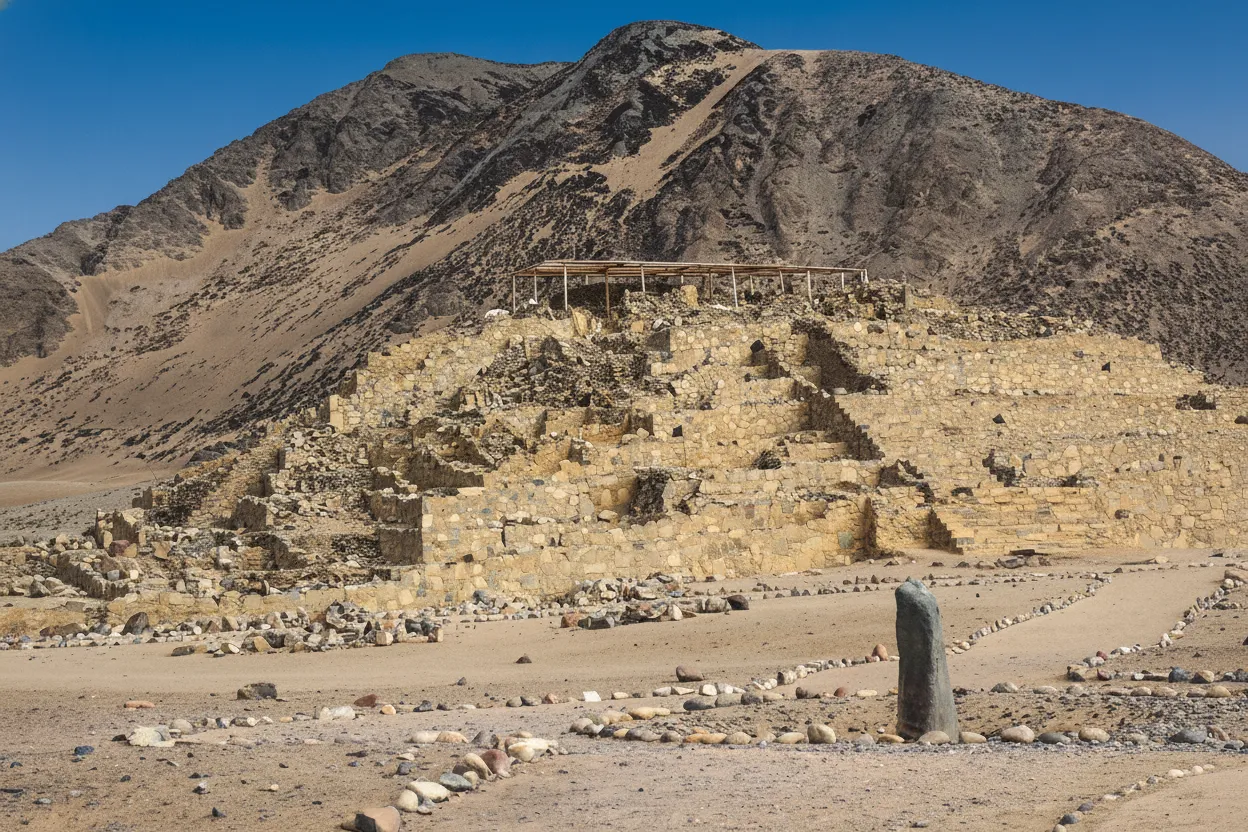
The city’s layout is a masterclass in ancient urbanism, featuring residential complexes, public plazas, and, most strikingly, six large pyramidal structures arranged around a central plaza. These aren't simple mounds; they are stepped pyramids, some reaching over 60 feet high, constructed with carefully quarried stones and ingenious "shicra" bags (net bags filled with stones) used as construction material to withstand seismic activity. This level of engineering and organization points to a highly structured society with a clear hierarchy and a shared vision.
Perhaps the most compelling aspect of Caral, and one that resonates deeply in our modern world, is the evidence of a predominantly peaceful society. Unlike many ancient civilizations that rose on the back of conquest and military might, Caral shows no signs of fortifications, weapons, or widespread warfare. Instead, archaeologists have found musical instruments—flutes made from bird bones—and evidence of extensive trade networks reaching across the Andes and to the Amazon. This suggests a culture that thrived on diplomacy, commerce, and spiritual practices, fostering a period of remarkable stability and growth for centuries.
A Glimpse into Caral's Ancient History and Culture
The story of Caral begins over 5,000 years ago in the fertile Supe Valley, where its inhabitants harnessed the river for irrigation, creating a thriving agricultural base in an otherwise arid region. They cultivated cotton, which was crucial for making textiles, fishing nets, and clothing, and traded it extensively for food resources like anchovies and sardines from the coast, and exotic goods from the highlands and jungle.
This extensive trade network, built on peaceful exchange, was the lifeblood of Caral. It facilitated not just economic prosperity but also cultural diffusion, allowing Caral to become a central hub of influence. The city's spiritual and political leaders likely held sway over a network of smaller settlements in the valley, creating what is now understood as the Norte Chico civilization, with Caral as its crown jewel.
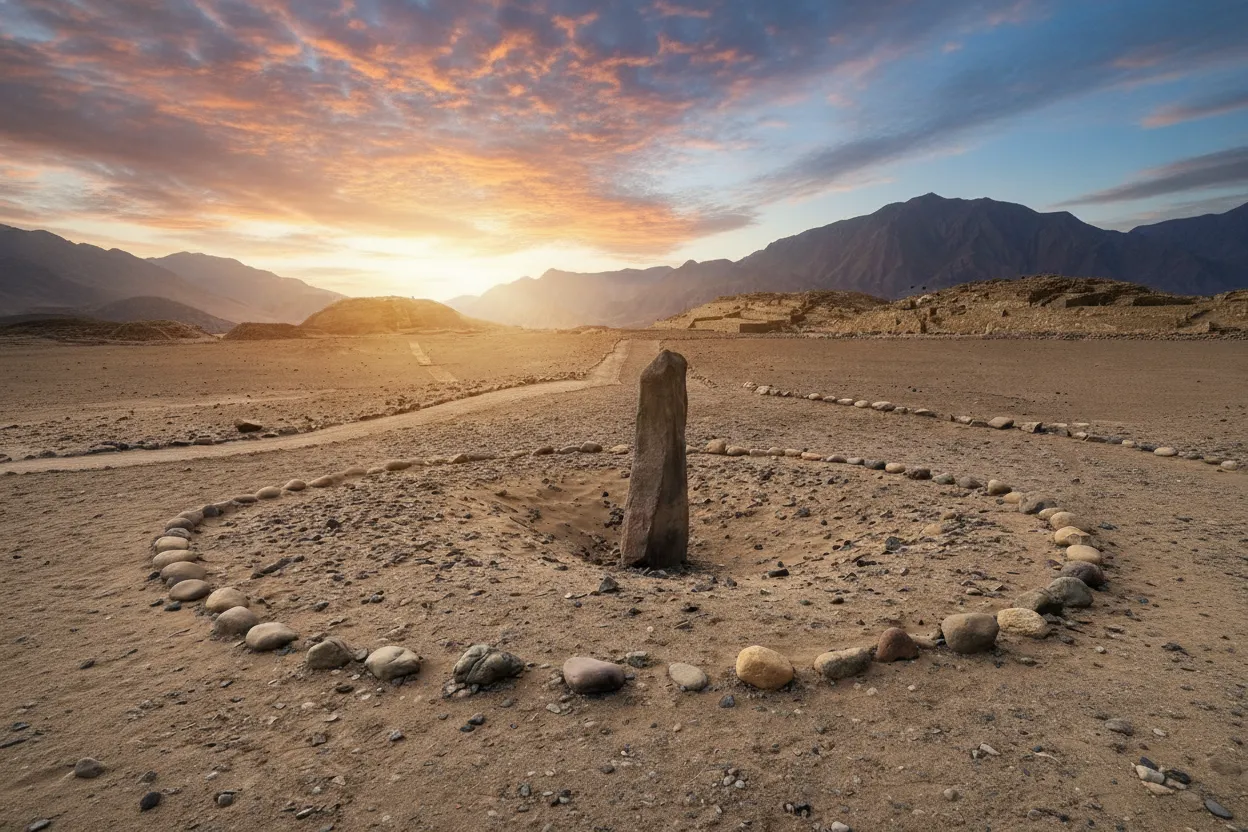
The Caralinos, as we might call them, were deeply connected to their environment and celestial observations. Their architecture incorporates astronomical alignments, suggesting a sophisticated understanding of the cosmos, likely tied to their agricultural cycles and religious beliefs. The circular sunken courts, unique to the Norte Chico culture, are thought to have been ceremonial spaces, perhaps for rituals involving fire, music, and community gatherings.
Mysteries still shroud the decline of Caral. Around 1800 BCE, the city was gradually abandoned. While no single catastrophic event has been definitively identified, theories point to a combination of environmental factors, such as prolonged droughts or shifts in the El Niño cycle, which could have severely impacted their agricultural and fishing resources, leading to a gradual dispersal of its population. The city didn't fall to invaders; it simply faded, leaving behind its monumental legacy for future generations to uncover.
Exploring the Sacred Stones: What You'll See at Caral
Stepping onto the grounds of Caral is like walking through a portal to the distant past. The sheer scale of the city, especially considering its age, is breathtaking. Your journey will typically begin at the visitor center, where informative displays and models help contextualize the site before you venture out.
The site is dominated by its six major pyramids, each with its own character and history. The most prominent is the Pirámide Mayor (Main Pyramid), an immense structure with a central staircase leading to the top platforms where temples and residential rooms for the elite once stood. From its summit, you can gaze across the entire city, appreciating the meticulous planning and the vastness of this ancient metropolis.
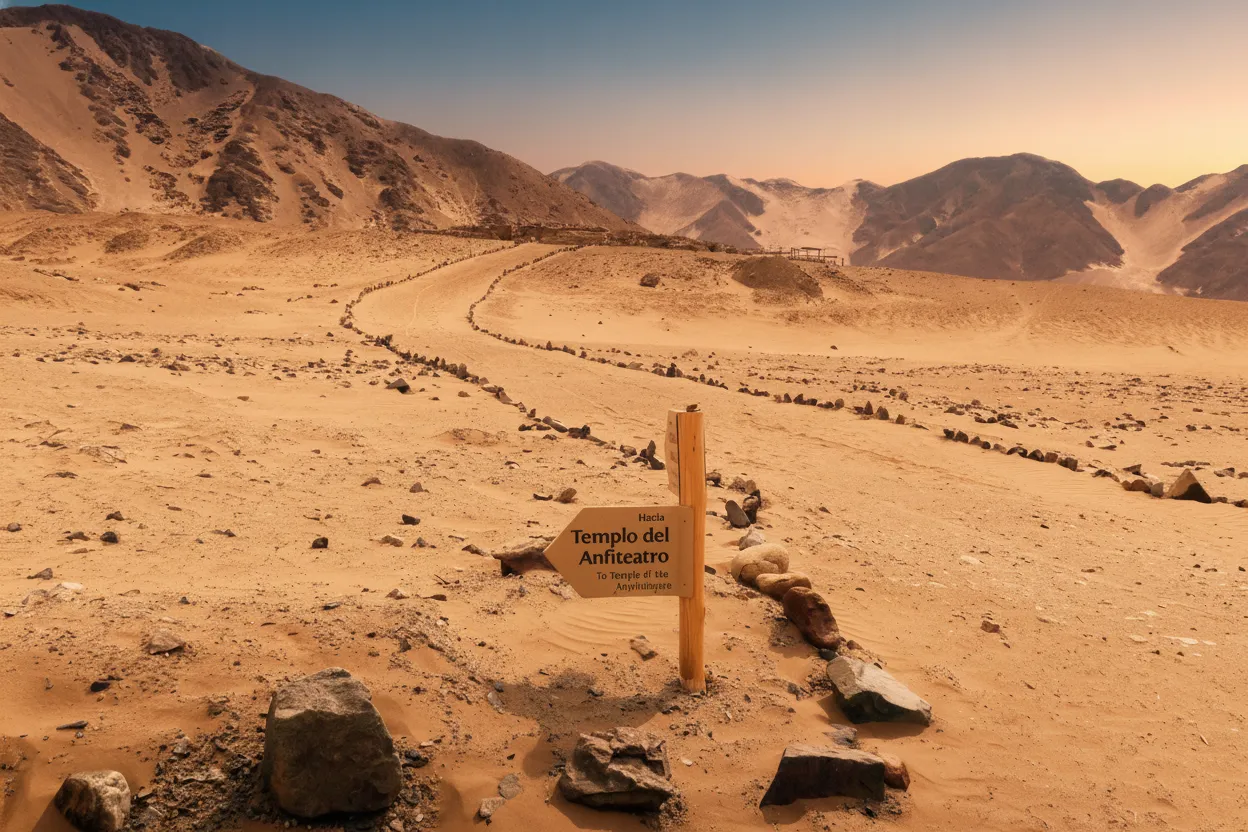
Another significant structure is the Pirámide del Anfiteatro (Amphitheater Pyramid), named for its large circular sunken court at its base. This court, a recurring feature in Caral architecture, is believed to have been a primary gathering place for ceremonies and public rituals. Imagine the sounds of flutes and drums echoing across the valley as the Caralinos gathered under the Peruvian sun.
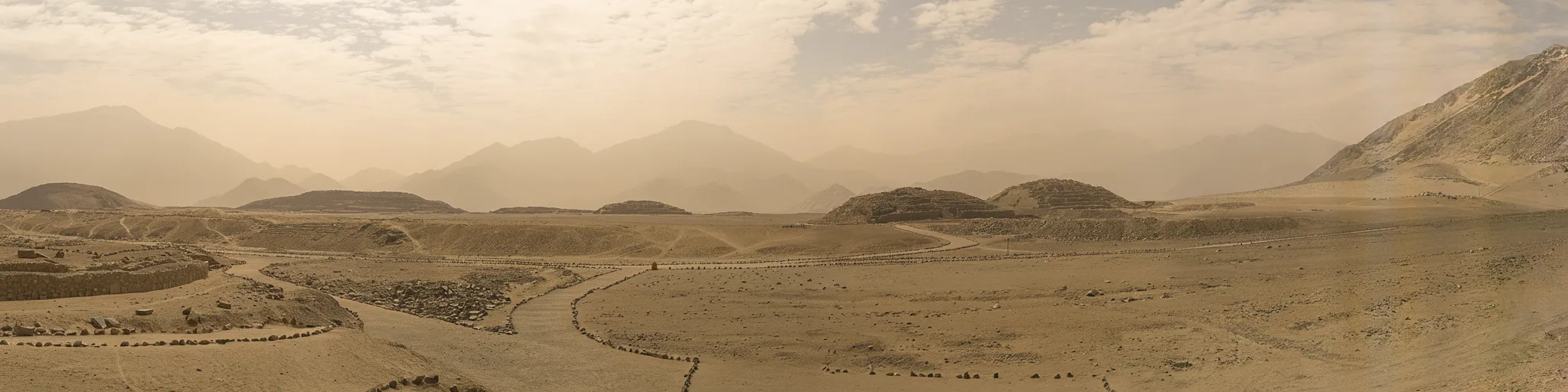
Beyond the grand pyramids, you'll explore various plazas, residential sectors, and smaller administrative buildings. The archaeological work is ongoing, and you might even see archaeologists at work, carefully unearthing new secrets. The site is incredibly well-preserved, and the dry desert climate has protected many organic materials, offering invaluable insights into daily life.
As you wander, take a moment to absorb the profound silence of the valley, broken only by the wind. It’s a silence that carries the weight of millennia, inviting you to reflect on the lives of those who built this extraordinary city without metal tools, without the wheel, yet with an unparalleled vision and dedication. It's an experience that truly connects you to the deep roots of humanity in the Americas.
Practical Tips for Your Visit to Caral-Supe
Ready to embark on this incredible journey? Here’s what you need to know to make your visit to Caral-Supe as smooth and memorable as possible:
Getting There
Caral is located in the Supe Valley, about 182 kilometers (113 miles) north of Lima. The easiest way to visit is by joining an organized tour from Lima, which typically includes transportation, a guide, and sometimes meals. If you prefer to go independently, take a bus from Lima to Barranca or Supe Pueblo (a journey of 3-4 hours). From there, you'll need to hire a taxi or take a local colectivo (shared taxi) to the archaeological site, which is about 20-30 kilometers inland on a mostly unpaved road. Be sure to negotiate the fare in advance for the round trip, as transport options can be limited at the site itself.
Best Time to Visit
The dry season, from May to October, is generally the best time to visit Caral. The weather is sunny and dry, making for comfortable exploration. However, the Supe Valley is a desert, so it can be hot year-round. Avoid the peak rainy season (January-March) when roads might be more challenging.
What to Bring
- Water: Absolutely essential! It gets very hot, and there are limited facilities to buy drinks on-site.
- Hat and Sunscreen: The sun in the desert is intense.
- Comfortable Walking Shoes: You'll be doing a lot of walking on uneven terrain.
- Light Clothing: Breathable fabrics are best.
- Snacks: Again, facilities are minimal.
- Camera: To capture the awe-inspiring views.
- Cash: For entrance fees, local transport, and any small purchases.
On-Site Experience
Upon arrival, you'll pay an entrance fee. It's highly recommended to hire a local guide at the entrance. Their insights into the history, culture, and ongoing discoveries truly enrich the experience and help you appreciate the significance of what you’re seeing. The site is large, so allow at least 2-3 hours for exploration.
Accommodation
Most visitors travel from Lima as a day trip. If you wish to stay overnight, the nearby towns of Barranca or Supe Pueblo offer basic hotels and guesthouses. This allows for a more relaxed pace and perhaps an earlier start to avoid the midday heat.
Caral-Supe is more than just an ancient ruin; it's a profound statement about human potential, innovation, and the possibility of a peaceful, thriving society. It’s a reminder that history is always being rewritten, and the most incredible stories often lie hidden, waiting for curious adventurers like you to uncover them. Go, witness this monumental city, and let its 5,000-year-old whispers tell you a story you’ll never forget.
Essential Travel Information
- Location Sacred City of Caral-Supe, Peru
- Best Time May to October (Dry season, sunnier weather, less intense heat compared to summer)
- Getting There From Lima, take a bus to Barranca or Supe Pueblo (3-4 hours), then a taxi or colectivo to the archaeological site (20-30 km inland). Organized tours from Lima are also available.
- Airport Jorge Chávez International Airport (LIM), Lima
- Budget Mid-range (approx. $50-100 USD daily, including transport, entry, and guide; tours from Lima can be higher)
- Language Spanish
Find Places to Stay Near Sacred City of Caral-Supe
Compare hotels, hostels, and unique stays in Peru.
Search AccommodationTours & Experiences Near Sacred City of Caral-Supe
Book guided tours, day trips, and unique experiences.
Browse Tours