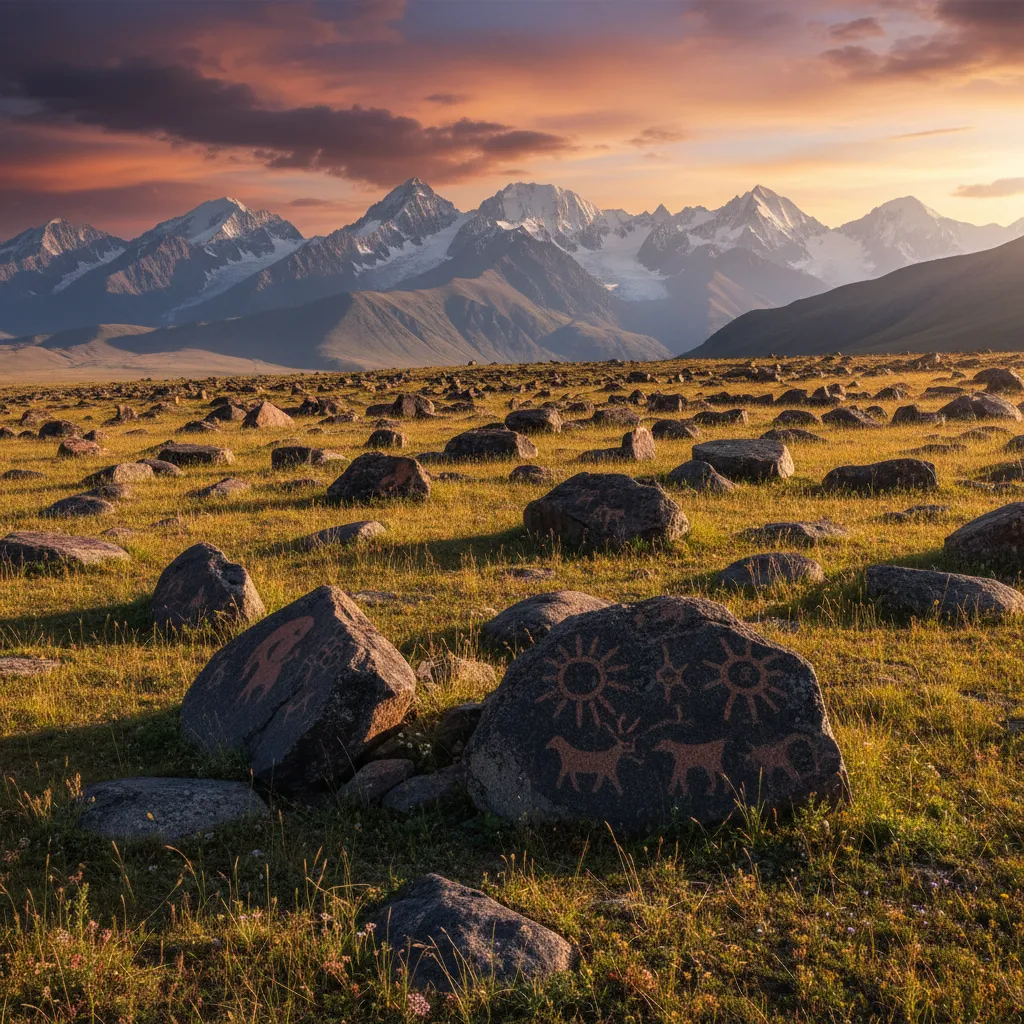
For the intrepid traveler, the thrill isn't just in seeing Saimaluu Tash, but in the epic journey to reach it. Accessible only by a grueling multi-day trek that winds through breathtaking alpine passes, or for the truly adventurous, a helicopter ride that sweeps you over glacial peaks, this isn't a place for the faint of heart. But for those who answer the call of the wild and the whispers of history, the reward is immeasurable: a profound connection to a past stretching back from 2,000 BCE to the Middle Ages, set against a stunning backdrop of vibrant alpine meadows, glistening glaciers, and skies so vast they make you feel infinitesimally small yet utterly connected.
What Makes Saimaluu Tash an Unforgettable Adventure?
Saimaluu Tash isn't just another archaeological site; it's a living, breathing museum etched into the very fabric of the earth. What truly sets it apart is its extraordinary combination of scale, altitude, and isolation. Perched at an elevation of over 3,200 meters (10,500 feet) in the remote Jalal-Abad region, this gallery of 'patterned stones' is a marvel not only for its sheer volume of carvings but also for the challenge of its location. For much of the year, the site is blanketed in snow, making it accessible only for a precious few months, typically from July to August, when the high mountain passes finally yield to the summer sun.
The petroglyphs themselves are an intricate tapestry of ancient life. Carved by nomadic peoples who roamed these mountains for millennia, they depict a stunning array of subjects: majestic ibex with sweeping horns, agile deer, fierce wolves, and even mythical creatures. You'll find scenes of hunting, shamanistic rituals, cosmic symbols like the sun and moon, and enigmatic human figures engaged in various activities. Each carving is a window into the spiritual beliefs, daily struggles, and artistic expressions of cultures long vanished, offering a unique and deeply personal glimpse into their world. It’s not just art; it’s a direct dialogue with our ancestors, frozen in stone.
A Journey Through Time: The History of Saimaluu Tash
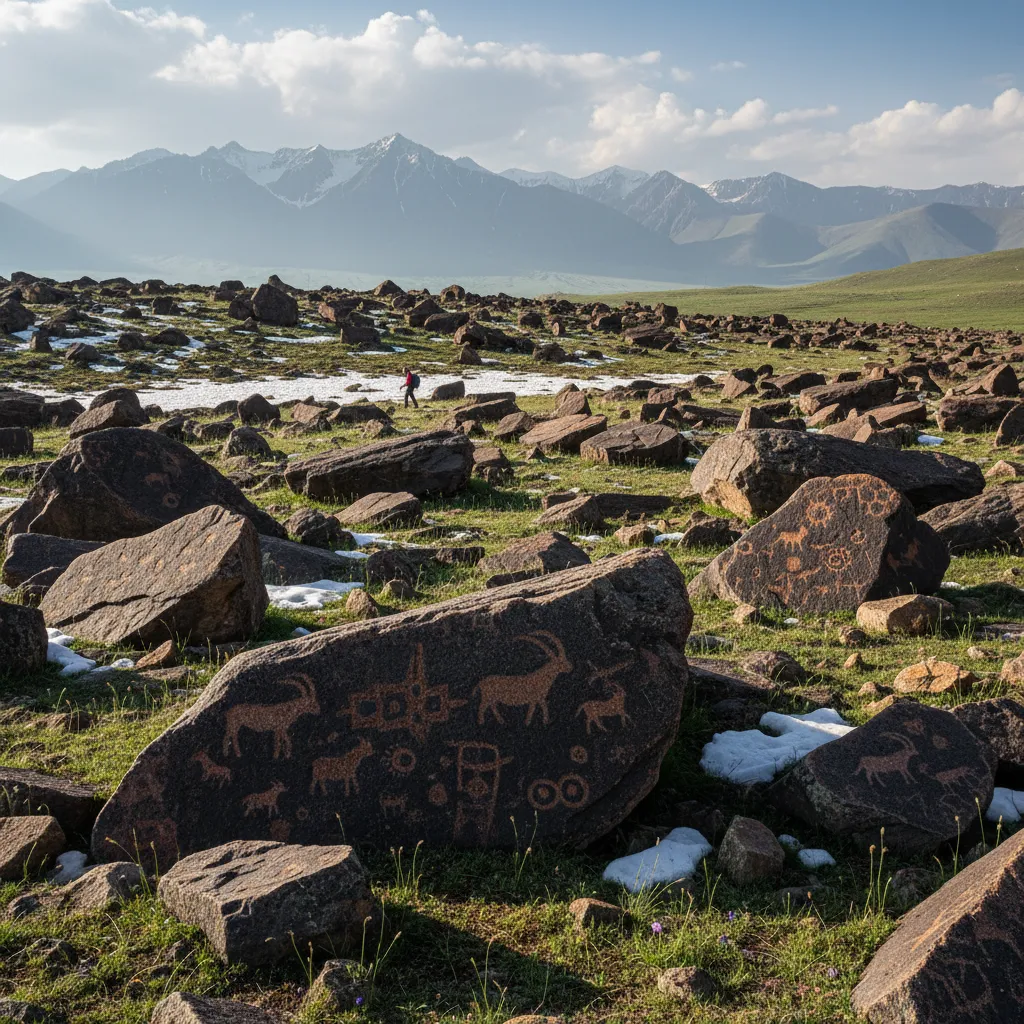
The history of Saimaluu Tash spans an astonishing four millennia, from the Bronze Age through to the early Middle Ages. The earliest carvings, dating back to roughly 2000 BCE, are attributed to early nomadic tribes, possibly ancestors of the Scythians, who traversed these high pastures. These initial works often feature large, stylized animals, reflecting a deep reverence for the wildlife that sustained them and a spiritual connection to the natural world.
As centuries passed, different nomadic groups, including various Turkic tribes, continued to use Saimaluu Tash as a sacred site. Each successive culture added their own layers to the rock art, enriching the narrative with new symbols, more complex scenes, and evolving artistic styles. This layered history is what makes the site so compelling; you can trace the development of human thought and culture through the changing forms of the carvings. Scholars believe the site served multiple purposes: a sacred place for rituals and offerings, a celestial observatory for tracking astronomical events, and perhaps even a communal canvas for storytelling and passing down tribal knowledge.
Imagine ancient shamans performing rites under the vast mountain sky, their spiritual journeys mirrored in the cosmic symbols they etched into the rocks. Picture hunters leaving offerings before a perilous chase, their hopes and fears immortalized in stone. Saimaluu Tash wasn't just a place; it was a sanctuary, a spiritual beacon in the heart of the formidable Tian Shan, connecting generations of nomads to the land and the heavens.
Unveiling the 'Patterned Stones': What You'll See
Upon arrival, the sheer density of the petroglyphs is astounding. They are not confined to a single wall but spread across vast expanses of volcanic basalt, often clustered on flat, dark surfaces. Your guide will help you spot the most prominent and well-preserved examples, but part of the magic is discovering them for yourself, feeling the thrill of uncovering a hidden masterpiece.
Look closely, and you'll begin to decipher the ancient narratives. You'll encounter countless depictions of local fauna: the majestic ibex, a symbol of the mountains, appearing frequently; agile deer, often shown in motion; and the powerful yak, crucial for survival in these altitudes. Beyond the animals, human figures abound. Some are depicted as hunters, bows drawn, pursuing their prey. Others appear to be shamans, adorned with antlers or elaborate headgear, engaged in ritualistic dances or communion with the spirit world. You might see scenes of daily life, perhaps a glimpse into a nomadic camp, or even abstract geometric patterns whose meanings remain a mystery.
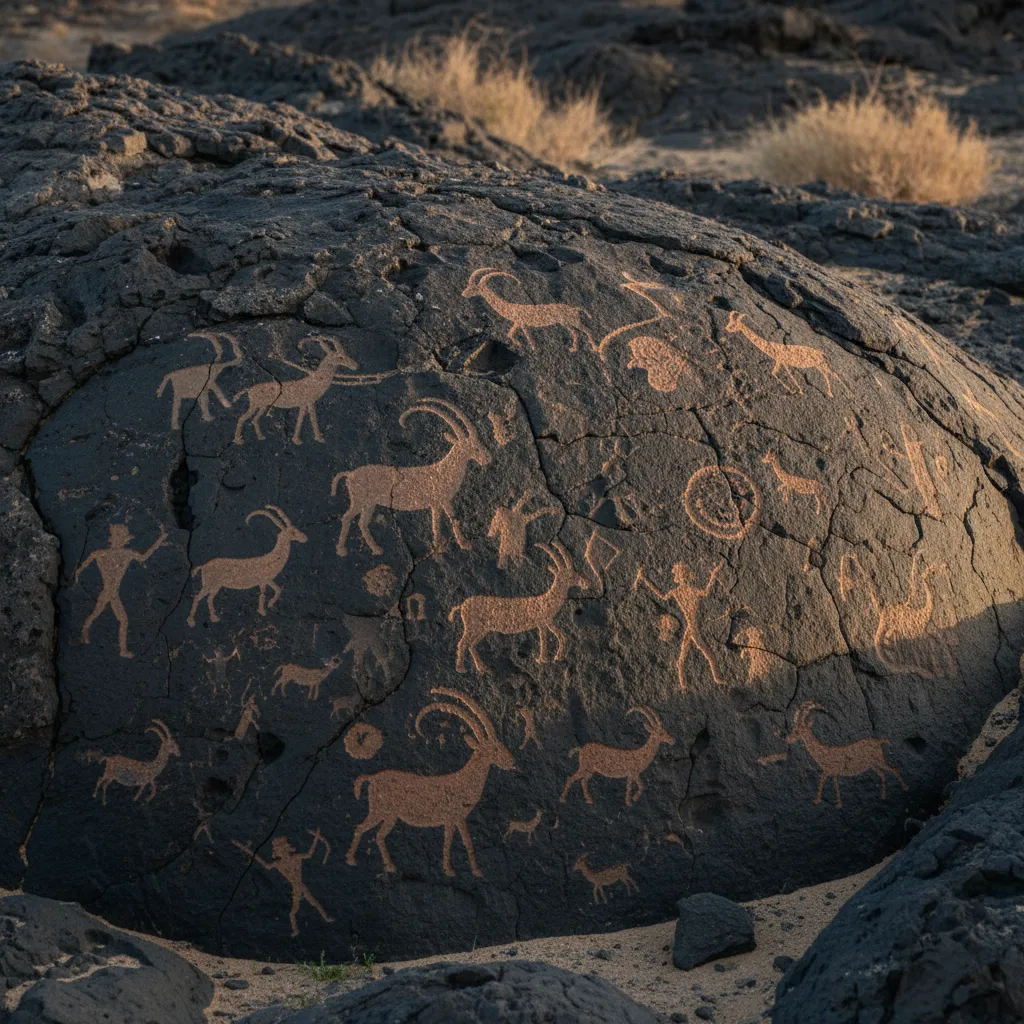
One of the most captivating aspects is the presence of celestial and cosmic symbols. Circles representing the sun, crescents for the moon, and intricate star patterns speak to the nomads' deep understanding of the cosmos and their reliance on the heavens for navigation and spiritual guidance. The artistic styles vary significantly, from crude, powerful outlines to finely detailed engravings, offering a fascinating study in prehistoric art evolution. Standing amidst these 'patterned stones,' with the silence of the mountains broken only by the wind, you can almost hear the echoes of ancient chants and the rhythmic pounding of drums.
Practicalities for the Adventurous Soul: Planning Your Visit
Visiting Saimaluu Tash is not a casual day trip; it's an expedition that requires careful planning, a good level of fitness, and a spirit of adventure. Given its extreme remoteness and high altitude, preparation is key.
Best Time to Go
As mentioned, the window for access is very narrow. The best time to visit Saimaluu Tash is typically from **late July to early September**. Outside of these months, heavy snow cover makes the passes impassable and the site inaccessible.
Getting There
The primary gateway to the Jalal-Abad region is usually through Osh, Kyrgyzstan’s second-largest city, which has an international airport. From there, you'll travel to the town of Kazarman or Jalal-Abad city itself, which serve as jumping-off points for the trek. The multi-day trek (usually 3-5 days round trip) typically involves hiring local guides, porters, and horses for carrying gear. This is not a route you should attempt independently due to the challenging terrain, lack of marked trails, and potential for rapid weather changes. Reputable local tour operators specializing in trekking and cultural tours are essential.
For those seeking a less arduous, albeit more expensive, option, helicopter charters can be arranged from larger cities like Bishkek or Osh. This offers a spectacular aerial view of the Tian Shan and a quicker way to reach the site, but still requires careful coordination and good weather.
What to Bring & Be Prepared For
- **Physical Fitness:** A good level of cardiovascular fitness and experience with multi-day trekking at high altitudes is crucial. Acclimatization days might be necessary.
- **Gear:** Quality trekking boots, warm layers (even in summer, nights are cold), waterproof outer shells, a good sleeping bag, tent, cooking equipment (if not provided by your tour), and plenty of water purification tablets or a filter.
- **Guide:** Absolutely essential. A local guide will not only navigate the challenging terrain but also provide invaluable cultural insights and help you locate the best petroglyphs.
- **Respect:** This is a sacred archaeological site. Do not touch the carvings, do not attempt to make your own marks, and leave no trace of your visit.
- **Permits:** Ensure your tour operator handles any necessary permits for trekking in border regions or protected areas.
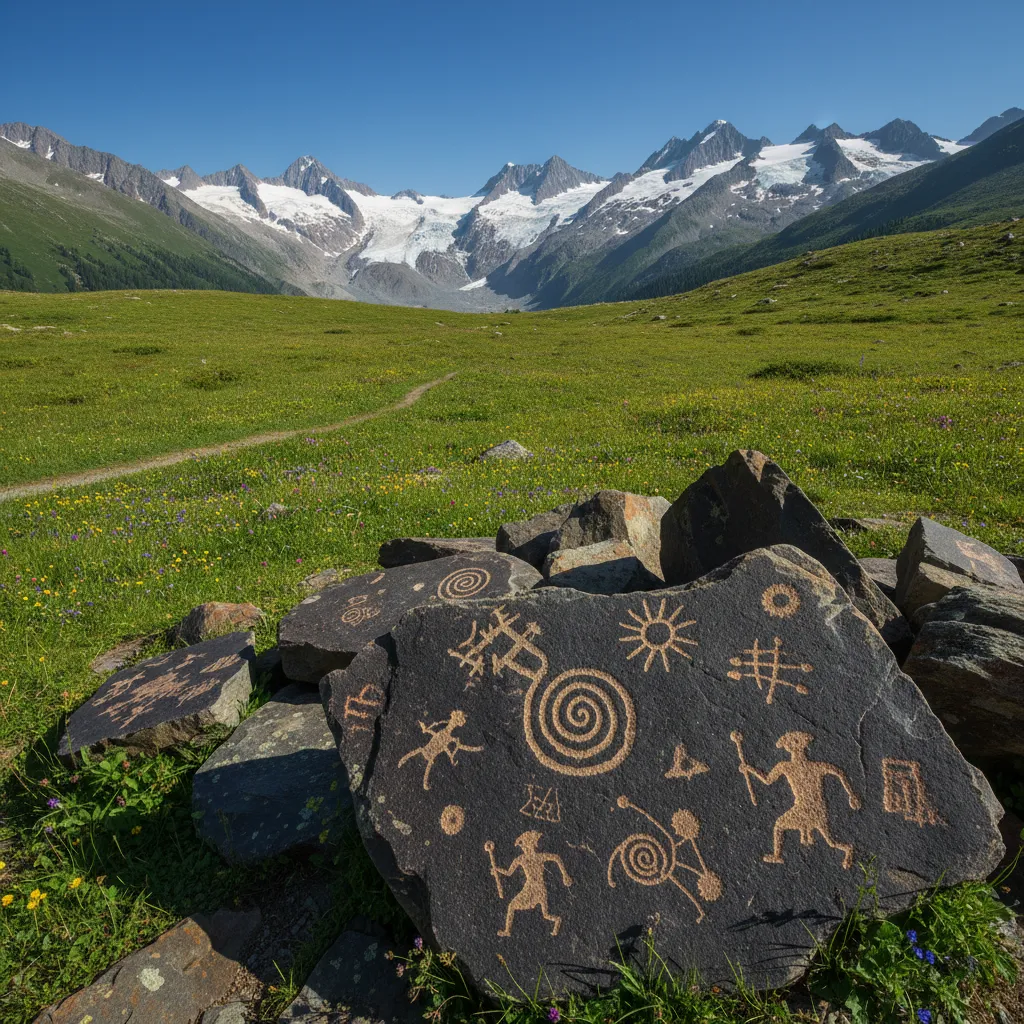
A journey to Saimaluu Tash is more than just a trip; it's an expedition into the heart of Central Asia's wild beauty and ancient past. It's a chance to challenge yourself, to disconnect from the modern world, and to reconnect with the timeless stories etched into the very soul of the mountains. For those who yearn for true adventure and a profound encounter with history, Saimaluu Tash awaits, ready to unveil its ancient secrets.
Essential Travel Information
- Location Saimaluu Tash Petroglyph Gallery, Kyrgyzstan
- Best Time Late July to early September
- Getting There Multi-day guided trek from Kazarman/Jalal-Abad, or helicopter charter (requires significant planning and costs).
- Airport Osh International Airport (OSS)
- Budget Mid-range to Luxury (due to guided expeditions, porters, horses, or helicopter options), approx. $150-400+ USD per person per day for an organized trek.
- Language Kyrgyz, Russian
Find Places to Stay Near Saimaluu Tash Petroglyph Gallery
Compare hotels, hostels, and unique stays in Kyrgyzstan.
Search AccommodationTours & Experiences Near Saimaluu Tash Petroglyph Gallery
Book guided tours, day trips, and unique experiences.
Browse Tours