Step onto a celestial mirror where the vast Bolivian sky stretches infinitely beneath your feet, blurring the lines between heaven and earth! Imagine a place so immense, so otherworldly, that it truly defies description. This isn't a dream, nor is it a digitally enhanced photograph. This is the Salar de Uyuni, the world's largest salt flat, nestled in the heart of Bolivia's Potosí Department, and it's calling out to the adventurer in you. If you've ever yearned to witness a landscape that feels like a portal to another dimension, prepare to have your mind, and your camera roll, absolutely blown. I'm here to tell you, as a friend who's been captivated by its magic, why this hidden gem isn't just a destination, but an experience that will redefine your understanding of natural beauty.
What Makes Salar de Uyuni So Special? The Mirror of the Gods
At first glance, Salar de Uyuni might seem like an endless expanse of white, a vast, flat desert. But that's just its dry season disguise. When the rains arrive, typically between December and April, a thin layer of water transforms this colossal salt flat into the most breathtaking natural mirror on Earth. The effect is nothing short of miraculous. The sky, with its dramatic clouds or twinkling stars, is perfectly reflected on the ground, creating an optical illusion where the horizon vanishes, and you can no longer tell where the sky ends and the earth begins. Standing amidst this surreal landscape, you'll feel suspended between two worlds, walking on clouds, or perhaps, among the stars themselves.
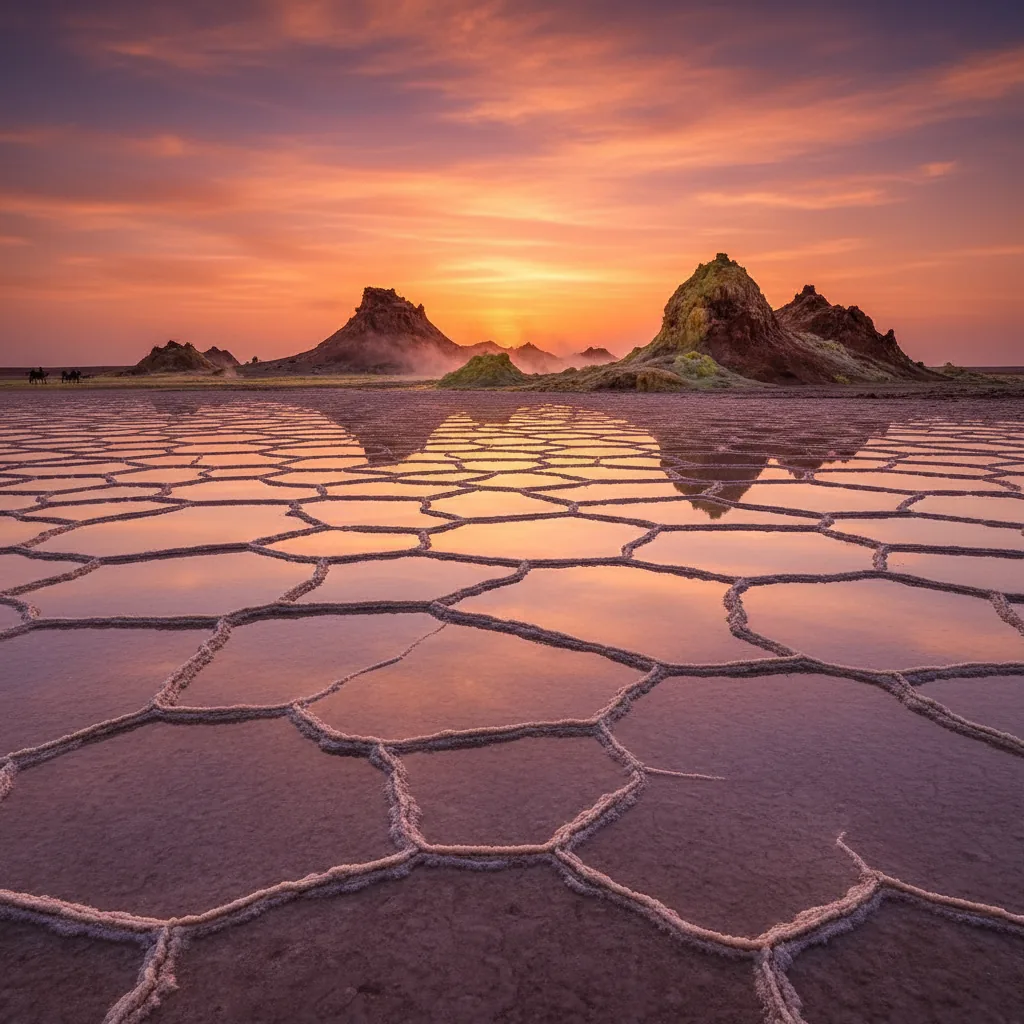
This isn't just a visual spectacle; it's an immersive experience. Photographers flock here to capture the mind-bending perspective shots – cars seemingly floating in the sky, people walking on water, or even holding up the sun. It's a playground for creativity, where the only limit is your imagination. But beyond the famous mirror effect, the sheer scale of Salar de Uyuni is awe-inspiring. Covering over 10,582 square kilometers (4,086 sq mi), it's larger than some countries, a testament to nature's incredible power and artistry. Even in the dry season, the hexagonal patterns of the salt crust stretch as far as the eye can see, creating a mesmerizing, almost alien, texture that's equally photogenic.

A Glimpse into the Past: The History of the Salt Flat
To truly appreciate the Salar de Uyuni, it helps to understand its incredible genesis. This isn't just a giant puddle; it's the remnant of several prehistoric lakes that once covered much of the Andean Altiplano. Around 40,000 years ago, a massive prehistoric lake known as Lake Minchin existed here. As the climate changed and the lake dried up, it left behind two smaller modern lakes, Poopó and Uru Uru, and two major salt deserts: Salar de Coipasa and, of course, the magnificent Salar de Uyuni.
The vast quantities of salt, gypsum, and lithium found here are a direct result of this geological history. Over millennia, the evaporation of these ancient, mineral-rich waters led to the massive salt deposits we see today, reaching depths of up to 10 meters in some areas. For centuries, indigenous communities have harvested salt from the Salar, using traditional methods passed down through generations. It's a harsh but vital livelihood, connecting the modern inhabitants directly to the deep history of this land. Furthermore, Salar de Uyuni holds a significant portion of the world's known lithium reserves, a critical component for modern batteries, making it a place of both natural wonder and strategic global importance.
Beyond the Mirror: What You'll Discover on the Salt Flat
While the mirror effect is undeniably the star, a journey across Salar de Uyuni is a multi-day adventure packed with diverse and equally stunning sights. It's like an expedition to another planet, offering a constantly changing panorama of extreme beauty.
Islands of Cacti and Ancient Coral
Imagine vast, white plains suddenly punctuated by islands rising from the salt, covered in hundreds of towering cacti. The most famous of these is Isla Incahuasi (Fish Island), a rocky outcrop of fossilized coral and algae that was once a reef in Lake Minchin. Climbing to its summit offers breathtaking panoramic views of the endless salt flat, a stark contrast to the vibrant green of the giant cacti, some reaching over 10 meters tall and estimated to be over a thousand years old. It's an incredible ecosystem thriving in one of the most unlikely places.

Vibrant Lagoons and Pink Flamingos
As you venture further south, beyond the main salt flat, the landscape transforms again into a kaleidoscope of high-altitude lagoons, each with its own distinct color due to mineral deposits and microorganisms. Laguna Colorada, a shallow lake tinted a striking rusty red by algae and sediments, is a highlight. This otherworldly lagoon is home to thousands of vibrant pink flamingos, including the rare James's flamingo, Andean flamingo, and Chilean flamingo, which feed on the algae, creating an unforgettable spectacle against the dramatic backdrop of the Andes. Other lagoons like Laguna Verde, with its emerald hues, and Laguna Blanca, offer equally stunning views.
Geysers, Hot Springs, and a Train Graveyard
The adventure continues with a visit to the Sol de Mañana geysers, a geothermal field where bubbling mud pots and steaming fumaroles remind you of the Earth's raw, untamed power. Nearby, the Termas de Polques offers a chance to soak in natural hot springs, a welcome respite from the cold desert air, surrounded by stunning mountain scenery. And for a dose of fascinating history and eerie beauty, the Cementerio de Trenes (Train Cemetery) on the outskirts of Uyuni town is a must-see. Rusting locomotives and train cars from a bygone era of mining transport stand abandoned, creating a dramatic and photogenic backdrop for exploration.

Starry Nights and Salt Hotels
With minimal light pollution, the nights over Salar de Uyuni are as spectacular as the days. The Milky Way stretches across the inky black sky in astonishing clarity, making it a prime spot for stargazing and astrophotography. And where do you stay in such a unique place? In a hotel made entirely of salt, of course! These fascinating structures, crafted from salt blocks, offer a truly unique overnight experience, blending seamlessly with the surrounding landscape.
Practical Tips for Your Uyuni Adventure
Ready to embark on this incredible journey? Here are some essential tips to ensure your trip to Salar de Uyuni is as smooth and spectacular as possible.
When to Go: Wet vs. Dry Season
The "best" time depends on what you want to see. For the famous mirror effect, aim for the wet season (December to April). However, heavy rains can sometimes make parts of the Salar inaccessible. For clear skies, easier navigation, and to see the hexagonal salt patterns, the dry season (May to November) is ideal. Both offer unique and unforgettable experiences.
Getting There and Booking Tours
The nearest gateway town is Uyuni. You can fly to Joya Andina Airport (UYU) from La Paz or Santa Cruz, or take an overnight bus from La Paz, Potosí, or Santa Cruz. A multi-day (typically 3-day/2-night) jeep tour is the standard and most recommended way to explore the Salar and its surrounding attractions. These tours include transport, a driver/guide, accommodation (often basic but unique), and meals. Book with reputable operators in Uyuni, La Paz, or online. Don't be afraid to shop around and check reviews!
Coping with Altitude
Salar de Uyuni sits at an average elevation of about 3,656 meters (11,995 feet) above sea level. Altitude sickness (soroche) is a real concern. Plan to spend a day or two acclimatizing in La Paz (3,640m) or Potosí (4,090m) before your tour. Stay hydrated, avoid alcohol and heavy meals, and consider traditional remedies like coca leaves or mate de coca. Listen to your body and inform your guide if you feel unwell.
What to Pack: Essentials for an Extreme Environment
- Layers: Temperatures fluctuate wildly, from scorching sun during the day to freezing nights. Pack thermal layers, fleece, a warm jacket, and waterproof outer shell.
- Sun Protection: The sun's intensity at altitude, combined with the reflective salt, is extreme. Bring a wide-brimmed hat, high-SPF sunscreen, and good quality sunglasses (essential!).
- Camera Gear: Extra batteries (they drain faster in the cold), plenty of memory cards, and a tripod for those mirror shots and stargazing.
- Comfort Items: Lip balm, moisturizer, headlamp, power bank for electronics, snacks, and plenty of water.
- Cash: For small purchases, tips, and park entrance fees.
Respect the Environment
This is a fragile and unique ecosystem. Always follow your guide's instructions, take all your rubbish with you, and leave no trace of your visit. Let's help preserve the magic of Salar de Uyuni for generations to come.
Salar de Uyuni isn't just a destination; it's an adventure for the soul, a journey to a place where the ordinary ceases to exist, and the extraordinary is the norm. It's a testament to the raw, untamed beauty of our planet, a place that will challenge your perceptions and leave an indelible mark on your memory. So, pack your bags, prepare your camera, and step onto that celestial mirror. Bolivia's greatest secret is waiting to unveil its wonders to you.
Essential Travel Information
- Location Salar de Uyuni, Bolivia
- Best Time Wet season (December-April) for mirror effect; Dry season (May-November) for hexagonal patterns and clearer skies.
- Getting There Fly to Uyuni (UYU) from La Paz or Santa Cruz, or take an overnight bus from La Paz, Potosí, or Santa Cruz. Tours depart from Uyuni town.
- Airport Joya Andina Airport (UYU)
- Budget Mid-range (3-day/2-night tours typically range from $150-$300 USD, excluding flights/buses to Uyuni).
- Language Spanish, Quechua, Aymara
Find Places to Stay Near Salar de Uyuni
Compare hotels, hostels, and unique stays in Bolivia.
Search AccommodationTours & Experiences Near Salar de Uyuni
Book guided tours, day trips, and unique experiences.
Browse Tours