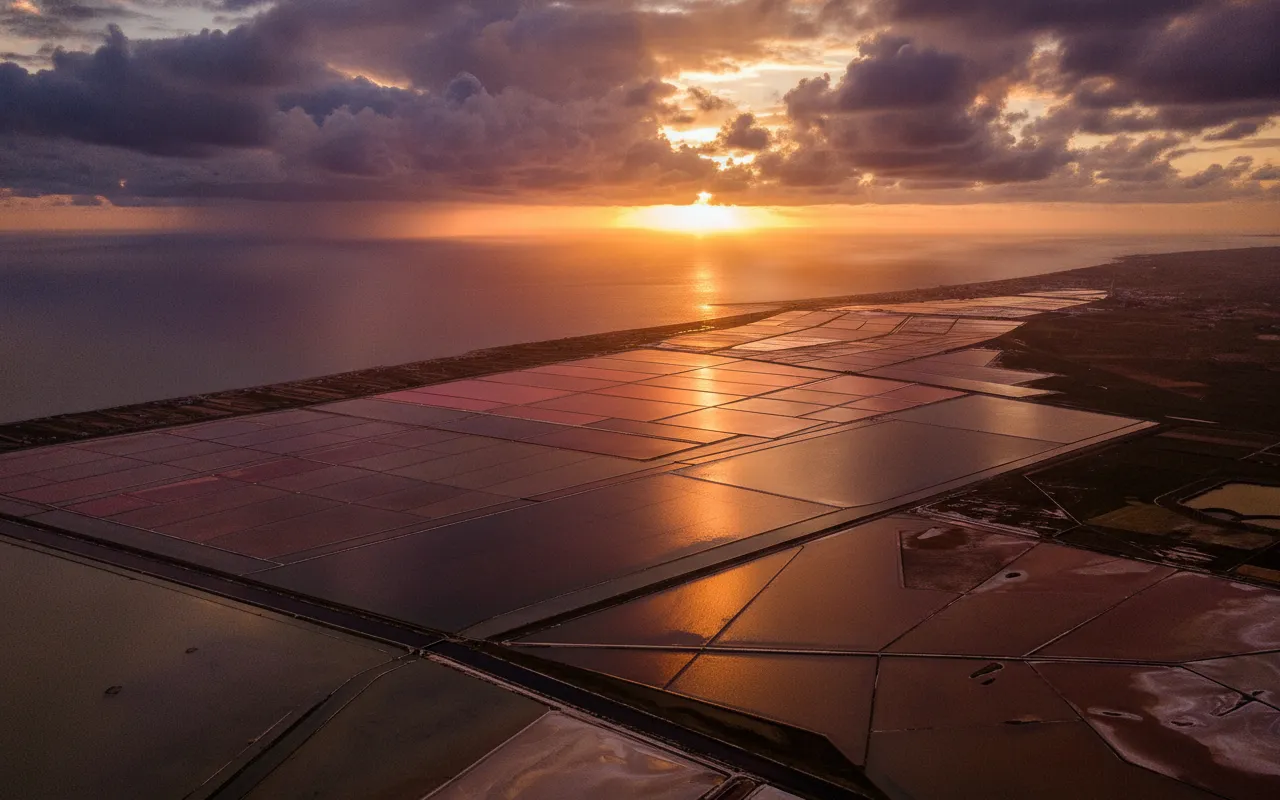
Imagine a landscape where the sea itself paints vast, shifting canvases of vibrant pink, purple, and orange, all while producing one of Italy's most ancient and precious treasures. This isn't a dreamscape from a fantasy novel; it's a very real, breathtaking place nestled in the sun-drenched region of Puglia, Italy. Prepare to be enchanted by the Salina di Margherita di Savoia, a hidden gem that promises an experience unlike any other. If you're yearning for a destination that combines stunning natural beauty, rich history, and a touch of the surreal, then pack your bags – because I’m about to tell you why this extraordinary salt pan complex needs to be at the top of your travel list.
Unveiling Puglia's Pink Paradise: What Makes Salina So Special?
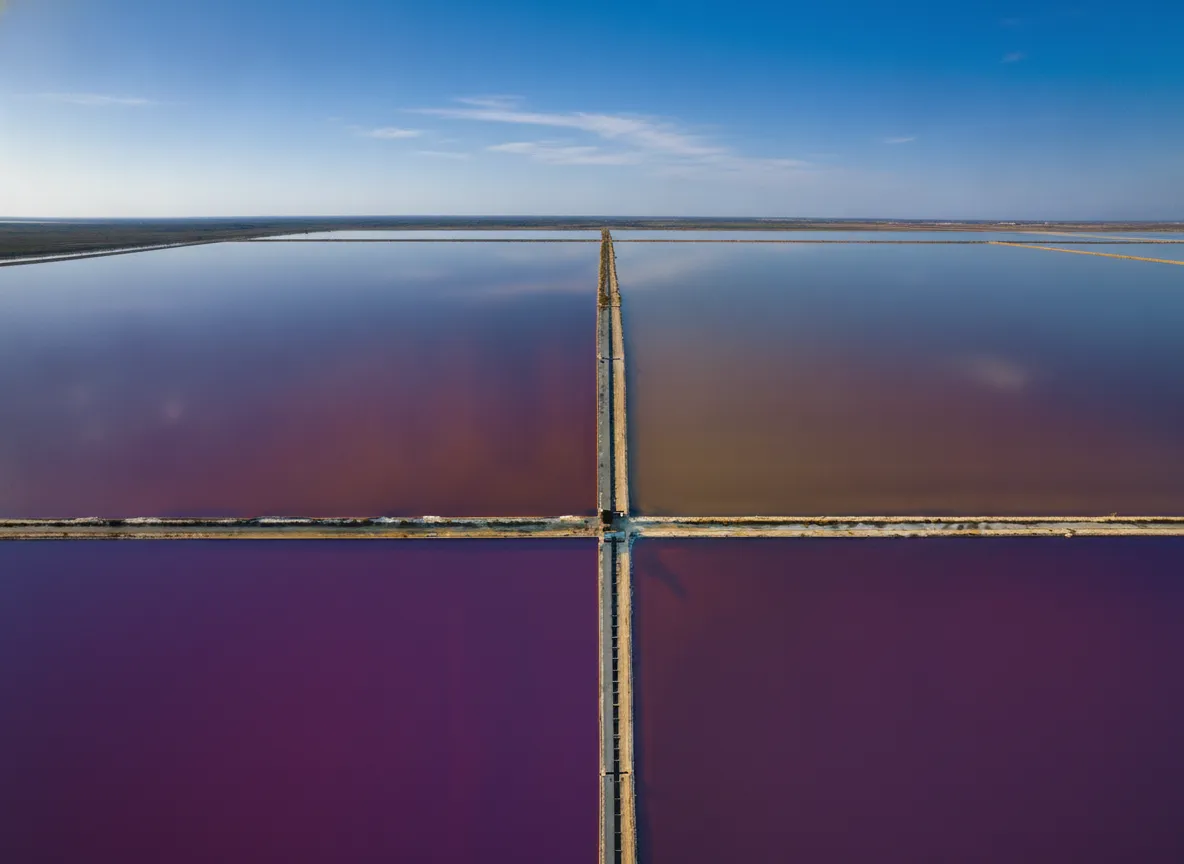
From the moment you approach the Salina di Margherita di Savoia, you’re struck by its sheer scale and otherworldly beauty. This isn't just a small, picturesque lake; it's an enormous complex of working salt pans, stretching for miles along the Adriatic coast. In fact, it's one of the largest in Europe, a sprawling testament to nature’s artistry and human ingenuity. What truly sets it apart, however, are the colors. Due to the high salinity, microscopic algae thrive, producing carotenoids that dye the water in an astonishing spectrum of hues – from soft rose to fiery fuchsia, deep violet, and shimmering orange, especially as the sun dips below the horizon.
But the visual spectacle doesn't end there. The Salina is also a vital wetland, a designated Ramsar site, and a protected nature reserve. This means it's a bustling haven for migratory birds, most famously, thousands of elegant flamingos. Picture this: a vast expanse of water shimmering in impossible shades of pink, dotted with hundreds of these magnificent birds, their own feathers echoing the landscape around them. It's a photographer's dream, a nature lover's paradise, and a truly unforgettable sight that will leave you questioning if you've stumbled into a painting.
This unique convergence of industrial activity and pristine natural habitat is what makes Salina di Margherita di Savoia so profoundly special. It's a living, breathing ecosystem where the ancient practice of salt harvesting coexists harmoniously with a thriving wildlife community. You're not just observing a landscape; you're witnessing a delicate balance, a symphony of natural processes and centuries of human tradition playing out before your very eyes.
A Timeless Harvest: The Ancient History of Salt
The story of the Salina di Margherita di Savoia isn't just about pretty colors and graceful birds; it's deeply rooted in history, stretching back to antiquity. Imagine a time when salt was literally "white gold" – a commodity so valuable it was used as currency, vital for preserving food, and central to trade routes. The salt pans here have been in operation for millennia, a living testament to humanity's enduring need for this fundamental mineral.
Evidence suggests that salt was harvested in this very location as early as the Roman Empire, possibly even before. The Romans understood the strategic importance of salt, and these natural coastal depressions, perfect for evaporation, would have been highly prized. Over the centuries, the methods evolved, but the core principle remained the same: harnessing the sun and wind to evaporate seawater and leave behind precious salt crystals. This continuous process, refined and adapted through generations, connects us directly to our ancestors, offering a tangible link to a past where survival itself depended on such natural resources.
Today, the Salina remains a major producer of salt for Italy and beyond, using techniques that, while modernized, still rely on the fundamental natural cycle. Walking alongside these pans, you’re not just seeing a modern industry; you’re stepping into a timeline, witnessing a tradition that has sustained communities and economies for thousands of years. It’s a powerful reminder of how deeply intertwined human civilization is with the natural world, and how ancient practices can still thrive in the modern age.
What to See & Do: Beyond the Hues
While the visual spectacle of the colored waters and flamingos is undoubtedly the main draw, the Salina di Margherita di Savoia offers a range of experiences that will enrich your visit.
Birdwatching Extravaganza
For ornithologists and nature enthusiasts, this is paradise. Beyond the iconic flamingos, the Salina is a stopover and nesting site for over 200 species of birds. Keep an eye out for avocets, black-winged stilts, spoonbills, various species of ducks, and many others. Bring your binoculars and a good telephoto lens – you’ll want to capture every moment of this incredible avian display. The best times for birdwatching are during spring and autumn migration periods.
The Museo Storico della Salina
To truly understand the profound history and intricate processes of salt production, a visit to the Museo Storico della Salina (Historical Museum of the Salt Pan) is essential. Housed in a former salt workers' residence, the museum offers fascinating insights into the geology of the area, the evolution of salt harvesting techniques, and the daily lives of the salters throughout history. You'll see ancient tools, learn about the different stages of salt crystallization, and gain a deeper appreciation for this "white gold." It’s incredibly well-curated and provides crucial context to the vast landscape outside.
Walking and Cycling Trails
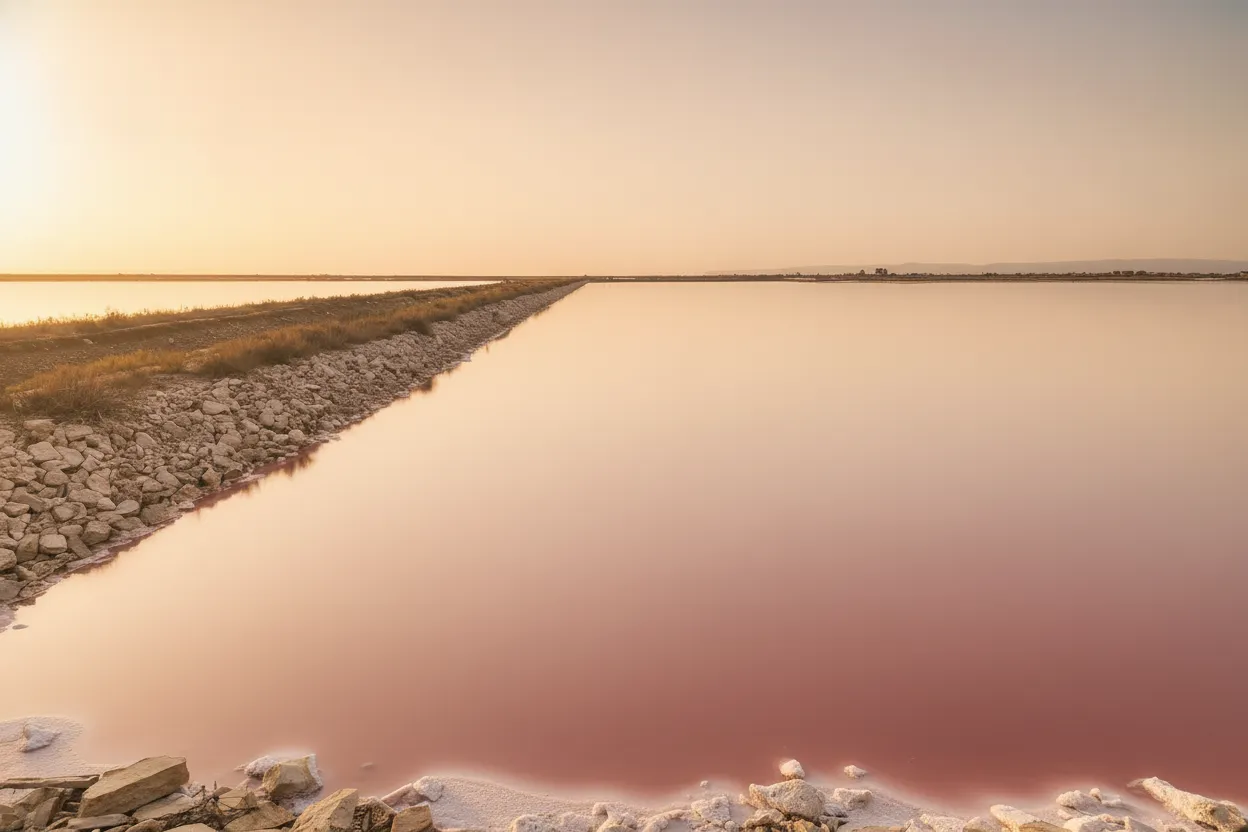
The sheer size of the Salina means there are ample opportunities for exploration. Designated paths allow you to walk or cycle along the perimeter of the pans, offering different perspectives and angles for photography. You can spend hours simply observing the changing light, the subtle shifts in color, and the constant activity of the birdlife. It's a wonderfully peaceful way to immerse yourself in the environment.
Photography Haven
Everywhere you look, there's a photo opportunity. From wide panoramic shots capturing the vastness and color spectrum, to close-ups of flamingos elegantly feeding, or the intricate patterns of salt crystals forming on the edges of the pans, your camera will be working overtime. Sunset and sunrise offer particularly magical light, transforming the landscape into an even more ethereal dreamscape.
Planning Your Visit: Practical Tips for a Memorable Experience
To make the most of your trip to this incredible destination, here are a few practical tips from your well-traveled friend:
Best Time to Visit
The Salina is captivating year-round, but specific seasons offer unique highlights. For the most vibrant colors and the highest concentration of flamingos, late spring (April-May) and early autumn (September-October) are ideal. During these migration periods, the birdlife is at its peak. Summer (June-August) brings the most intense salt crystallization and often the deepest pinks due to higher evaporation rates, but it can be very hot and crowded. Winters are milder and offer a different kind of serene beauty.
Getting There
The Salina di Margherita di Savoia is located in Puglia, Italy, on the Adriatic coast. It's best reached by car, as public transport options are limited. The nearest major cities are Foggia to the north and Bari to the south. From Bari, it’s about an hour and a half drive north along the coastal roads. Having your own vehicle gives you the freedom to explore the area at your own pace and easily reach the various viewpoints.
What to Bring
- Camera & Binoculars: Absolutely essential for capturing the beauty and observing the wildlife.
- Sun Protection: The area is very exposed, so bring a hat, sunglasses, and high-SPF sunscreen.
- Comfortable Shoes: For walking or cycling along the paths.
- Water & Snacks: Especially if you plan to spend several hours exploring.
- Light Jacket: Even in warmer months, coastal breezes can make evenings cool.
Guided Tours & Respecting Nature
Consider booking a guided tour, especially if you're interested in birdwatching or the intricate details of salt production. Local guides can provide invaluable insights and help you spot elusive species. Remember that this is a working industrial site and a fragile ecosystem. Always stay on marked paths, maintain a respectful distance from wildlife, and do not disturb the salt pans or their natural inhabitants. Leave no trace behind.
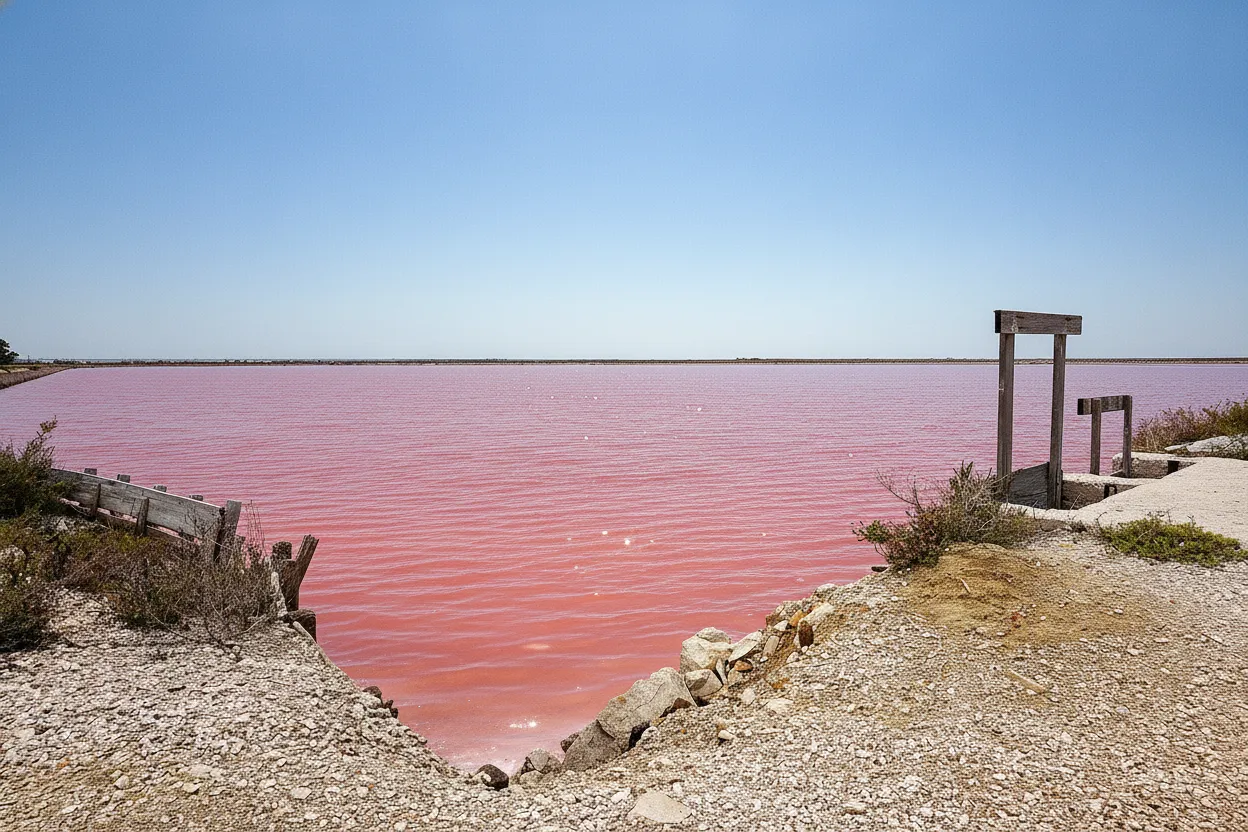
The Salina di Margherita di Savoia is more than just a destination; it's an experience that awakens the senses and deepens your appreciation for both natural wonders and human history. It's a place where the ordinary becomes extraordinary, where the simple act of salt harvesting transforms into a spectacle of color and life. Trust me, a visit here isn't just a trip; it's a journey into the heart of Puglia's most surprising and enchanting secret. Go, explore, and let this hidden paradise paint itself onto your memory.
Essential Travel Information
- Location Salina di Margherita di Savoia, Italy
- Best Time Late spring (April-May) and early autumn (September-October) for birdwatching and vibrant colors. Summer (June-August) for intense colors but hotter temperatures.
- Getting There Best reached by car. Approximately 1.5 hours drive north from Bari along the Adriatic coast.
- Airport Bari Karol Wojtyła Airport (BRI)
- Budget Mid-range, with approximate daily costs around €80-€150 covering accommodation, food, and basic activities.
- Language Italian
Find Places to Stay Near Salina di Margherita di Savoia
Compare hotels, hostels, and unique stays in Italy.
Search AccommodationTours & Experiences Near Salina di Margherita di Savoia
Book guided tours, day trips, and unique experiences.
Browse Tours