What Makes Santa Cruz del Islote So Uniquely Fascinating?
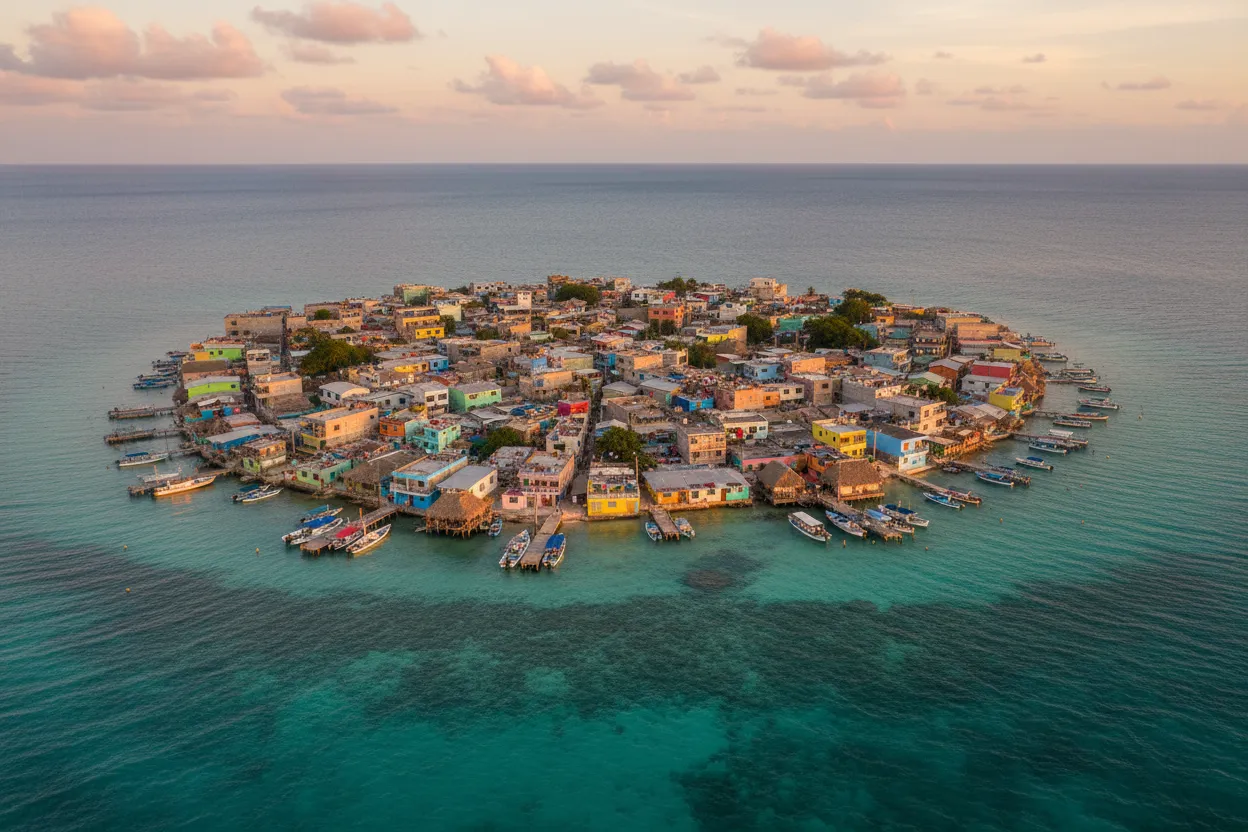
The sheer audacity of Santa Cruz del Islote is its primary draw. Here, over a thousand residents share an area of just 0.012 square kilometers (about 0.0046 square miles). This astounding density has earned it the unofficial title of the world's most populated island, and a quick glance around confirms it: buildings are stacked side-by-side, often sharing walls, and every available inch of land is utilized. There are no expansive beaches (though the surrounding waters are pristine), no lush forests, and certainly no room for vehicles. Life unfolds in the open, in shared spaces, and on the water itself. What's truly remarkable is the community's adaptation to these conditions. Fresh water is a precious commodity, brought in by the Colombian Navy or collected during the rainy season. Electricity is limited, primarily supplied by solar panels or generators, fostering a deep appreciation for resources. Yet, far from being a place of hardship, Islote radiates a palpable sense of community and ingenuity. Every challenge has been met with collective solutions, from managing waste to creating shared recreational areas. It's a living testament to human cooperation, where neighbors rely on each other in a way rarely seen in the modern world. This isn't just a place to visit; it's a masterclass in sustainable living and the power of human connection.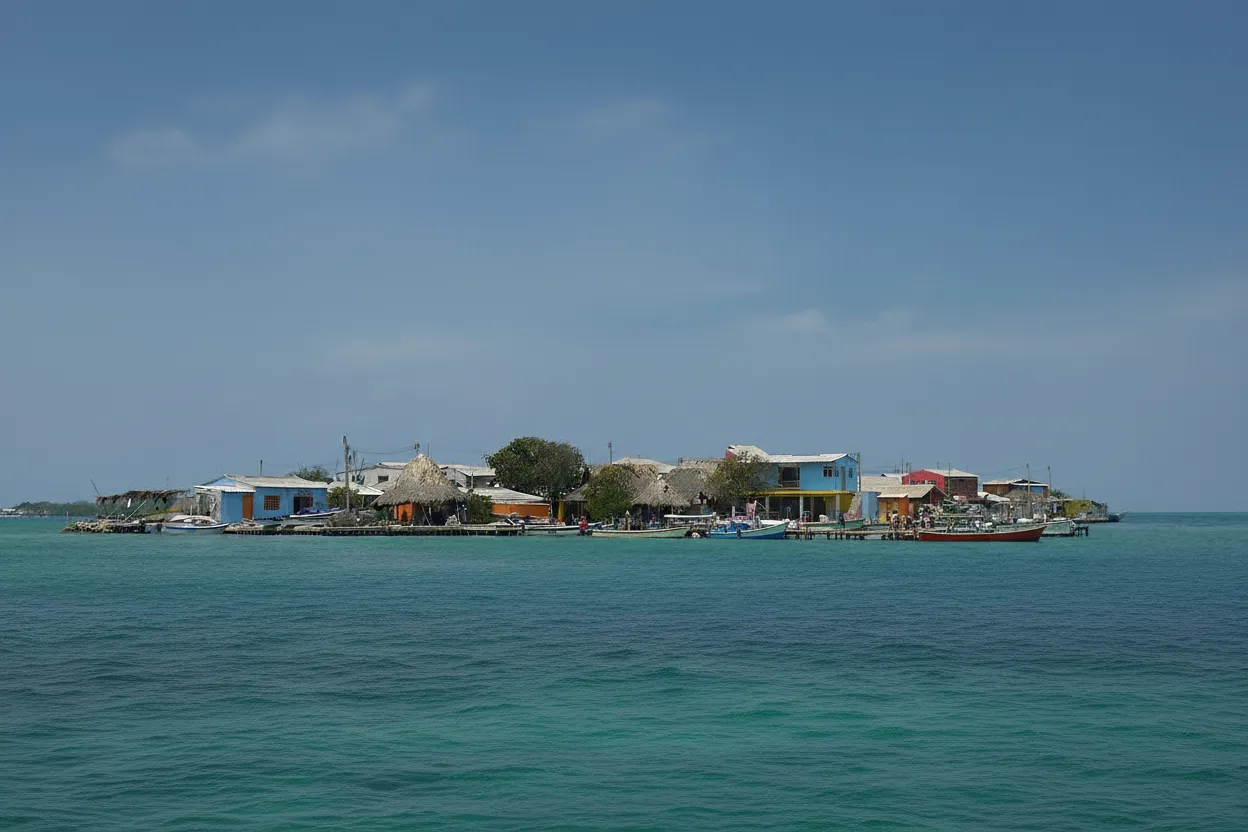
A Glimpse into its Intriguing History
The story of Santa Cruz del Islote begins not with grand plans, but with a humble need for refuge. Around 1870, fishermen from nearby larger islands, plagued by relentless mosquitoes, discovered this small, uninhabited coral platform. They realized that the constant sea breeze here kept the insects at bay, offering a peaceful sanctuary. What started as a temporary camp slowly evolved into a permanent settlement. The island itself is a testament to human effort. Over generations, the community expanded the original coral base by adding shells, debris, and coral fragments, creating more land to accommodate a growing population. It was a gradual, organic process driven by necessity and the communal spirit. The islanders, primarily Afro-Colombian descendants, built their homes, established their traditions, and forged a unique identity, largely self-sufficient and isolated from the mainland's complexities. They became skilled fishermen, relying on the rich bounty of the Caribbean Sea, and developed a strong social fabric that has endured for over a century. This history of self-reliance and community building is etched into every corner of Islote, making it not just a place, but a living historical narrative.What You'll See and Experience on the Island
Your visit to Santa Cruz del Islote will be a feast for the senses and a profound cultural immersion. As your boat approaches, the island appears almost like a floating village, its colorful houses stacked precariously, defying logic. Disembarking, you'll immediately notice the absence of roads. Instead, a labyrinth of narrow, sand-packed pathways winds between homes, barely wide enough for two people to pass comfortably. These aren't just paths; they are the island's living arteries, where children play soccer, neighbors share gossip, and daily life unfolds in plain sight. You'll encounter the island's only school, a vibrant hub where all the children gather, and a small, unassuming church. There are no fancy restaurants, just a handful of tiny shops selling essentials and perhaps a local offering fresh-caught seafood cooked simply but deliciously. The real magic, however, lies in the interactions. The islanders are remarkably welcoming, accustomed to curious visitors. Take the time to chat, learn about their daily routines, and witness their impressive resourcefulness firsthand – from ingenious rainwater collection systems to the communal spirit that underpins every aspect of life.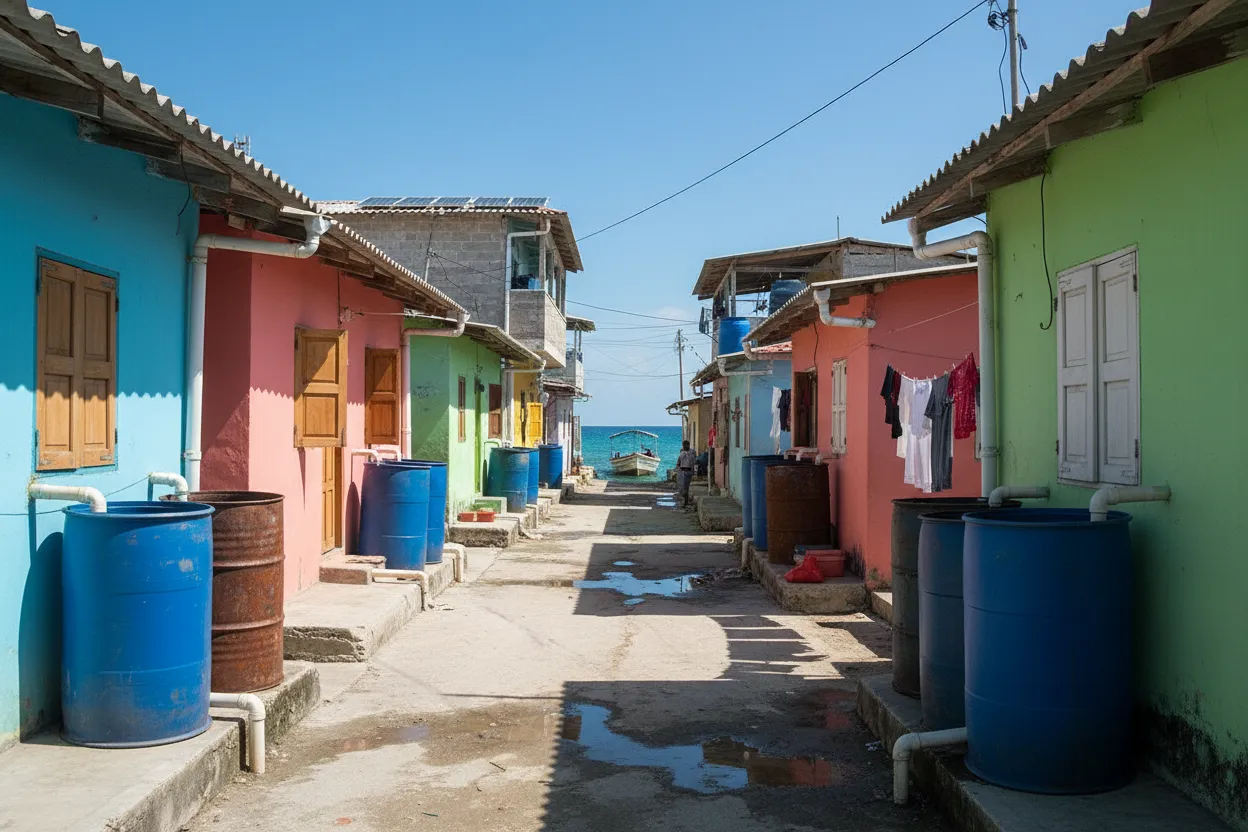 Beyond the island itself, the surrounding waters, part of the San Bernardo Corals National Natural Park, are breathtaking. You can swim, snorkel, or dive in crystal-clear turquoise seas teeming with vibrant marine life and healthy coral reefs. Many tours include a stop at the nearby Tintipán or Múcura islands, which offer more space for relaxation and slightly more developed tourist amenities. But it's Islote that will capture your imagination, offering a rare glimpse into a truly alternative way of life – a testament to how humans can thrive with minimal resources but maximum community spirit.
Practical Tips for Your Visit
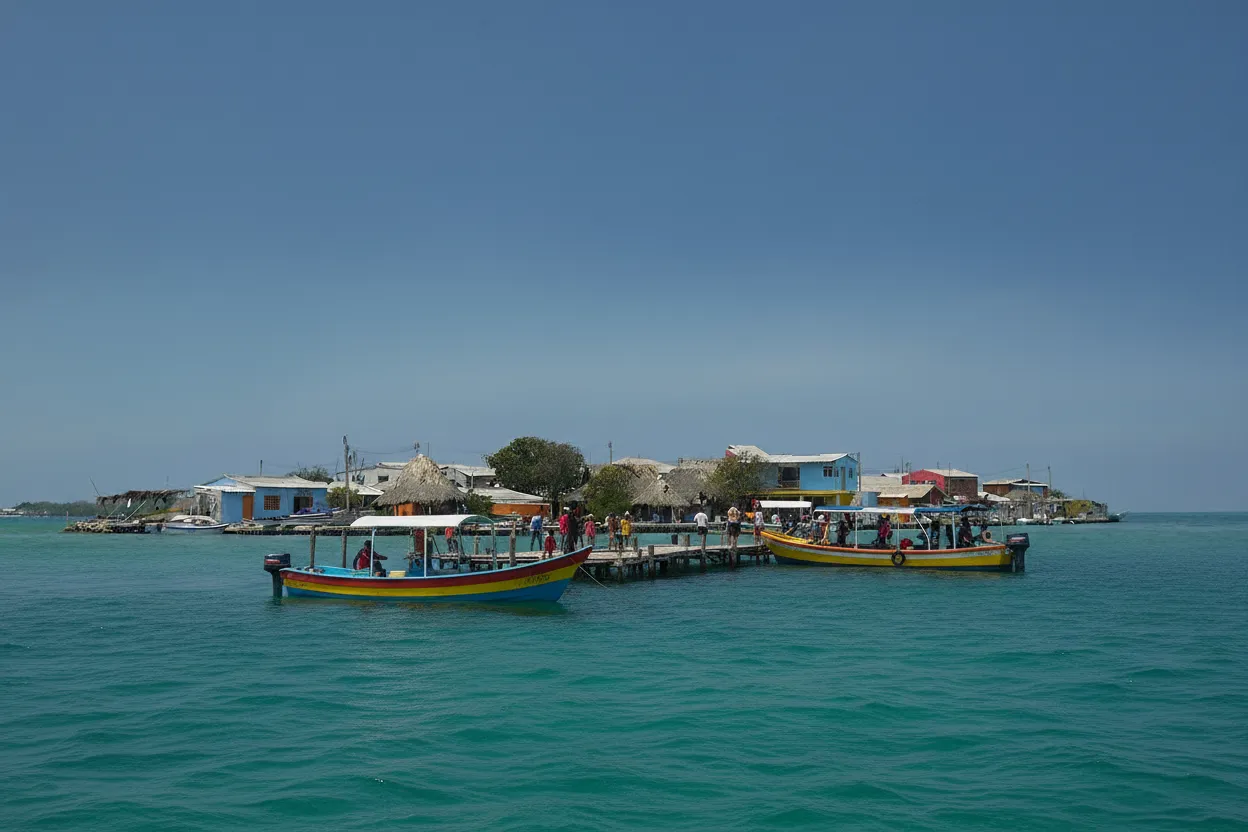
Visiting Santa Cruz del Islote requires a bit of planning, but the rewards are immeasurable. * **Getting There:** The most common way to reach Santa Cruz del Islote is by boat. You can take a public boat or join a tour from Cartagena or Tolú. Boats from Tolú are generally shorter and more frequent. Many tours of the San Bernardo Archipelago include a stop at Islote. * **Accommodation:** There are no hotels or guesthouses on Santa Cruz del Islote itself. Most visitors stay on the nearby, larger islands of Tintipán or Múcura, which offer a range of eco-lodges and resorts. You can then visit Islote as a day trip. * **Best Time to Visit:** The dry season, from December to April, offers the best weather with calm seas and plenty of sunshine, making boat trips more comfortable. * **What to Bring:** Sunscreen, a hat, insect repellent (especially if staying on other islands), swimwear, a reusable water bottle, and cash (Colombian Pesos) are essential, as there are no ATMs on Islote or the surrounding islands. A waterproof bag for your belongings on the boat is also a good idea. * **Respectful Tourism:** Remember, Santa Cruz del Islote is a living, breathing community, not just a tourist attraction. Be mindful of residents' privacy, especially when taking photos – always ask permission. Support the local economy by buying drinks or snacks from small shops. Avoid littering and be respectful of their unique way of life. * **Environmental Awareness:** As part of a National Natural Park, the marine ecosystem is fragile. Do not touch or stand on coral, and use reef-safe sunscreen. Help preserve this incredible environment for future generations. A journey to Santa Cruz del Islote isn't just a trip; it's an education in human resilience, community, and the art of living with less. It's a reminder that true wealth often lies not in what we accumulate, but in the connections we forge and the ingenious ways we adapt to the world around us. Go with an open mind and heart, and prepare to be utterly charmed by this extraordinary corner of Colombia.Essential Travel Information
- Location Santa Cruz del Islote, Colombia
- Best Time December to April (dry season)
- Getting There By boat from Cartagena or Tolú, often as part of a San Bernardo Archipelago tour.
- Airport Rafael Núñez International Airport (CTG) in Cartagena
- Budget Mid-range (considering boat transfers and nearby island accommodation, approx. $70-150 USD/day)
- Language Spanish
Find Places to Stay Near Santa Cruz del Islote
Compare hotels, hostels, and unique stays in Colombia.
Search AccommodationTours & Experiences Near Santa Cruz del Islote
Book guided tours, day trips, and unique experiences.
Browse Tours