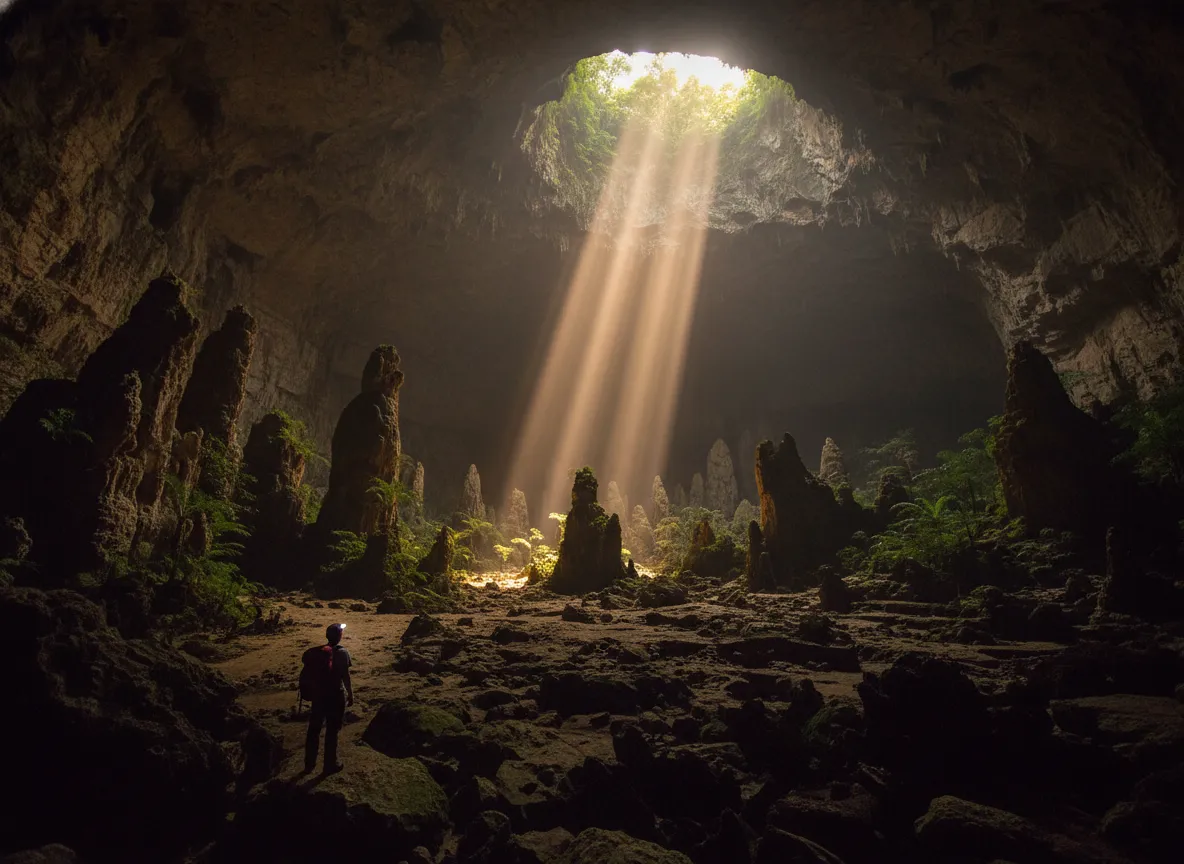
Imagine an underground cavern so impossibly vast, it could comfortably house forty Boeing 747 jumbo jets, wing-to-wing, inside its colossal embrace. This isn't a scene from a sci-fi epic, but a very real, breathtaking wonder tucked deep within the remote, ancient jungles of Borneo. Welcome to the Sarawak Chamber, an almost mythical space hidden within Malaysia's Gunung Mulu National Park, a place that redefines the very concept of "big." It's not just a cave; it's the largest known continuous cave chamber on Earth by surface area, a subterranean cathedral covering an astonishing 1.6 million square feet. For those who dream of untouched wilderness and geological marvels that defy comprehension, the journey to even grasp the scale of this hidden gem is an adventure of a lifetime.
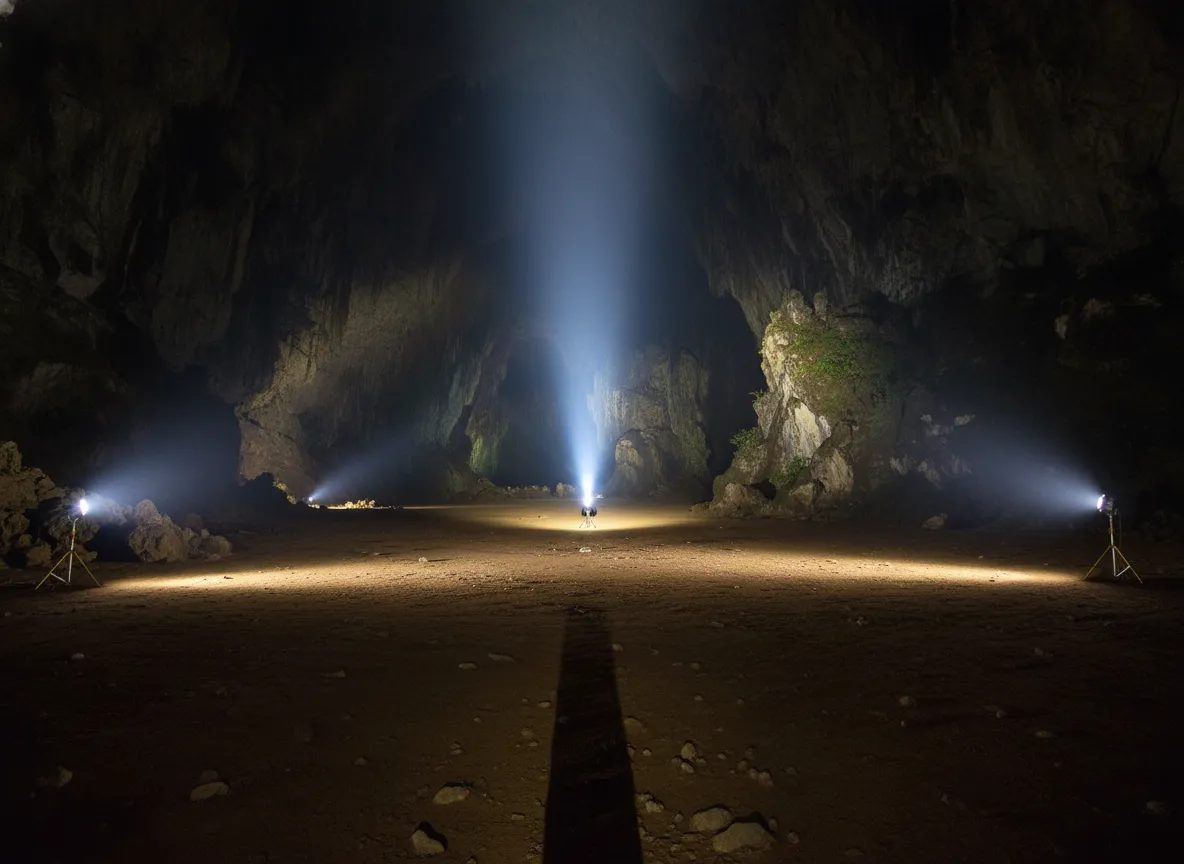
The Colossus Beneath Borneo: Unveiling Earth's Largest Chamber
The Sarawak Chamber isn't merely large; it's a geological phenomenon that boggles the mind. To put its staggering size into perspective, imagine a space that could comfortably fit twenty-five to thirty football fields within its confines. Its roof soars to heights of 300 feet in places, while its floor stretches over 2,300 feet long and 1,300 feet wide. This isn't a collection of interconnected passages, but one immense, unbroken void – a true testament to the Earth's sculpting power over millions of years.
What makes this chamber so uniquely special, beyond its record-breaking dimensions, is its elusive nature. Tucked away in the heart of Borneo's dense rainforest, within the UNESCO World Heritage-listed Gunung Mulu National Park, the Sarawak Chamber remains one of the planet's most awe-inspiring yet rarely witnessed natural wonders. Its formation is a story of relentless erosion: acidic rainwater seeping through vast limestone deposits, gradually dissolving rock to create an intricate subterranean labyrinth that culminates in this colossal void. The sheer scale and the demanding access through expeditions into Mulu's subterranean wilderness make it an adventure reserved for the truly intrepid, or at least, for those who appreciate the profound mystery of our planet's hidden depths.
The air inside is often thick with the scent of guano from millions of bats and swiftlets that call the larger Mulu cave system home, forming a crucial part of its unique ecosystem. While direct public access into the main chamber itself is incredibly restricted and typically reserved for scientific expeditions and highly specialized caving teams, the very knowledge of its existence, and the opportunity to explore the surrounding, equally magnificent caves of Mulu, fuels a sense of wonder unlike any other. It’s a place that forces you to recalibrate your understanding of natural architecture.
A Story Etched in Stone: Discovery and Exploration
The tale of the Sarawak Chamber's discovery reads like something out of an Indiana Jones film. In 1980, during the Mulu '80 expedition – a British scientific and caving expedition – three intrepid explorers, Andy Eavis, Dave Judson, and Mandy Stewart, stumbled upon this geological marvel. They were exploring the vast Deer Cave, one of Mulu's more accessible and famous caves, when a side passage led them into an unimaginable space.
Imagine their disbelief, standing at the edge of an abyss so grand it defied belief. The initial measurements were astounding, and subsequent detailed surveys confirmed their incredible find: the largest continuous cave chamber by surface area ever discovered. The news sent ripples through the speleological community worldwide, cementing Gunung Mulu National Park's status as a global hotspot for cave exploration and scientific research.
The discovery of the Sarawak Chamber wasn't just about finding a big hole in the ground; it was a revelation that pushed the boundaries of what was thought possible in cave formation. It sparked renewed interest in the karst landscapes of Borneo and continues to be a site of ongoing scientific study, helping us understand geological processes, unique ecosystems, and the incredible biodiversity that thrives in these dark, isolated worlds. The spirit of those early explorers, pushing into the unknown with headlamps and courage, is palpable throughout Mulu National Park, inspiring every visitor to look a little deeper, and wonder a little more.
Journey to the Earth's Core: What Awaits Inside (and Around It)
While the Sarawak Chamber itself remains largely untouched by tourism, the journey to its vicinity and the exploration of Gunung Mulu National Park offer an equally profound experience. Most visitors will embark on an adventure that takes them through some of the world's most impressive cave systems, giving a taste of the colossal scale that culminates in the Chamber.
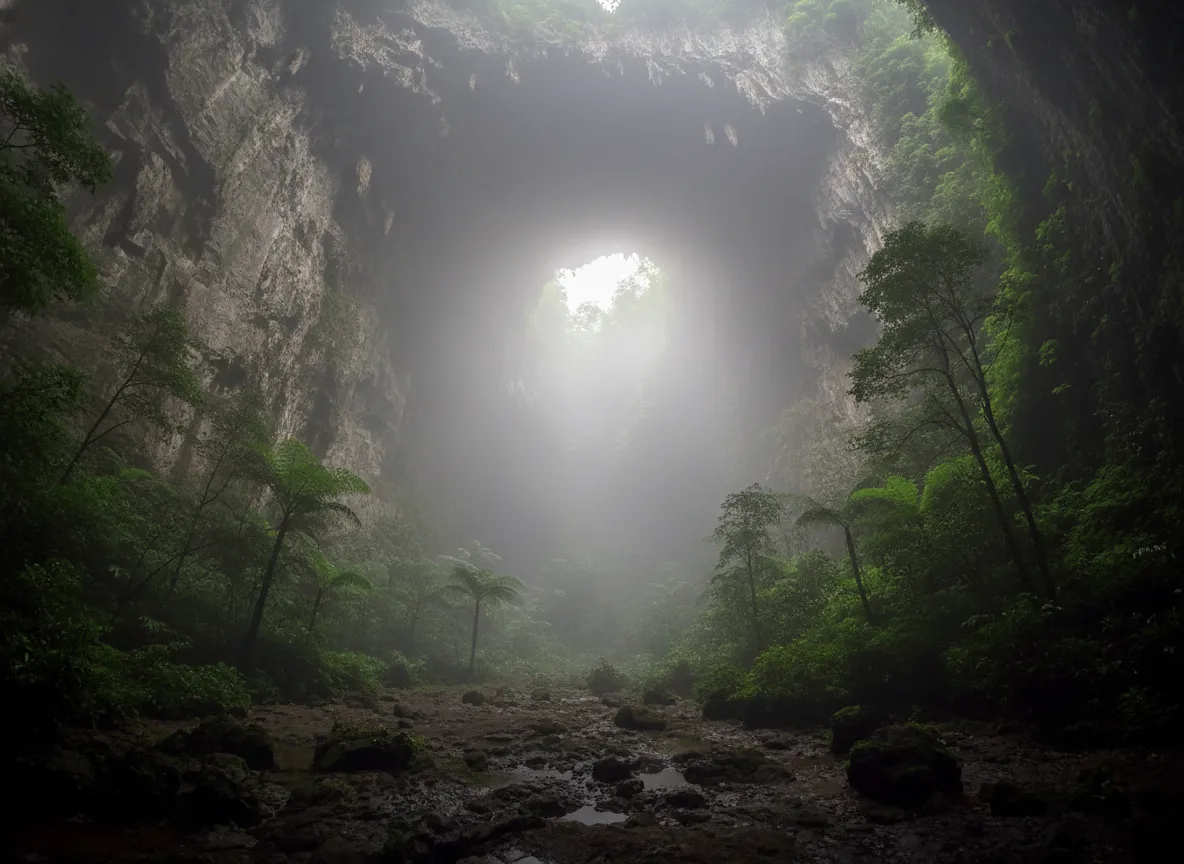
Your Mulu expedition often begins with a longboat ride up the Melinau River, carving through dense, primeval rainforest – a sensory overload of vibrant greens, the chirping of unseen insects, and the calls of exotic birds. This journey alone is an immersion into Borneo's wild heart. From the park headquarters, well-maintained boardwalks lead to other famous caves like Deer Cave and Lang Cave. Deer Cave, in particular, is an immense passage, so large it could fit St. Paul's Cathedral five times over. It’s here, walking through its echoing chambers and witnessing the 'Garden of Eden' at its collapsed roof, that you begin to grasp the geological forces at play, hinting at the even greater marvel of the Sarawak Chamber nearby.
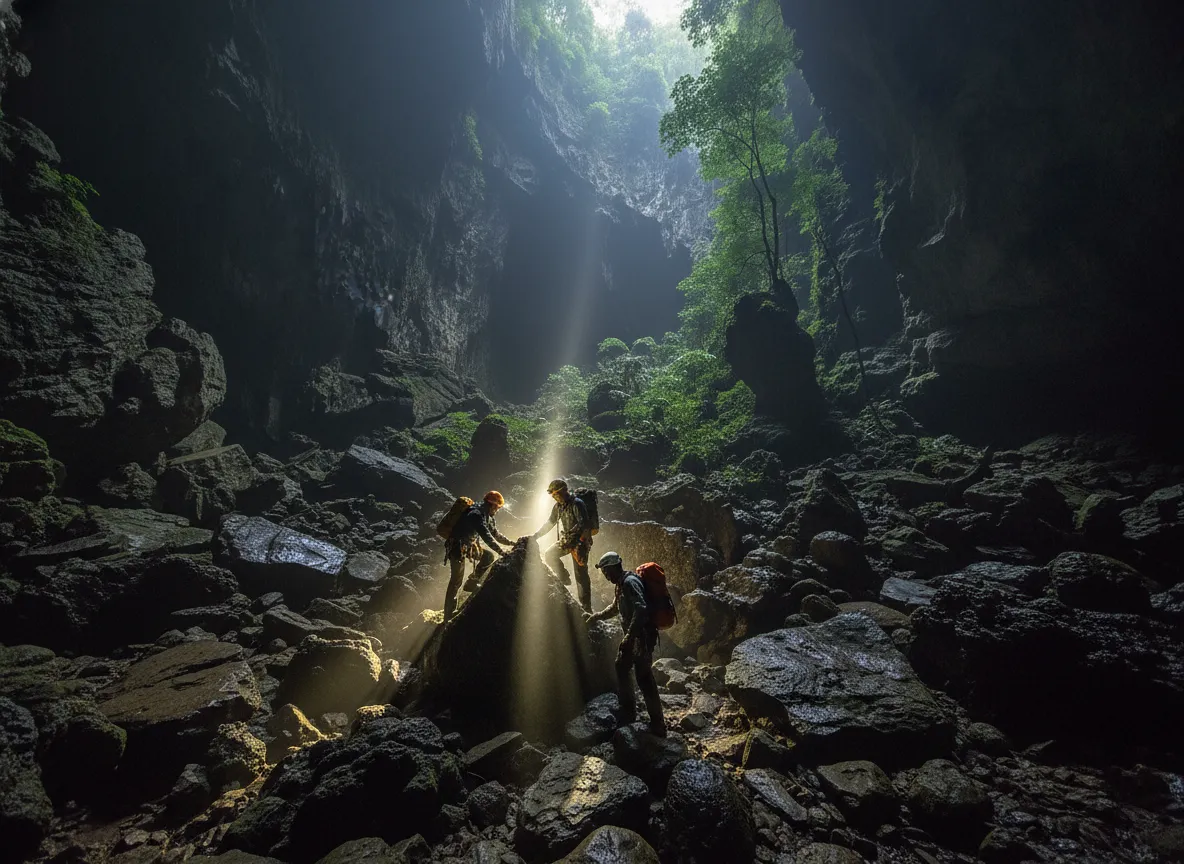
Inside these accessible caves, you'll witness breathtaking formations: colossal stalagmites and stalactites that have grown over millennia, shimmering cave pearls, and vast colonies of bats that stream out at dusk in a mesmerizing aerial ballet. The sheer scale and the profound darkness, punctuated by the beam of your headlamp, create an atmosphere of humbling wonder. Although you won't step directly into the Sarawak Chamber, the experience of navigating Mulu's other grand subterranean worlds provides an unparalleled sense of its magnitude and the incredible natural processes that forged it. You'll feel a genuine connection to the Earth's ancient history, surrounded by silence broken only by dripping water and the distant sounds of cave dwellers.
Planning Your Expedition: Tips for Exploring Mulu
A trip to Gunung Mulu National Park is an unforgettable adventure, but it requires careful planning. Here’s what you need to know to make the most of your visit:
Getting There
The only practical way to reach Mulu National Park is by air. MASwings, a subsidiary of Malaysia Airlines, operates daily flights from Miri (MYY), Kuching (KCH), and Kota Kinabalu (BKI) directly to Mulu Airport (MZV). It's a short, scenic flight that offers stunning aerial views of the rainforest and limestone karst formations.
Accommodation
Mulu National Park offers various accommodation options, from basic hostel dorms and comfortable bungalows run by the park itself, to the luxurious Mulu Marriott Resort & Spa just outside the park boundary. Booking well in advance, especially during peak season, is highly recommended.
What to Pack
- Sturdy, comfortable walking shoes: Trails can be muddy and slippery.
- Lightweight, quick-drying clothing: The jungle is hot and humid.
- Rain gear: Downpours are common, even in the dry season.
- Headlamp or flashlight: Essential for cave exploration (though guides provide them).
- Insect repellent: A must for jungle treks.
- Water bottle: Stay hydrated!
- Small backpack: For day trips.
- Camera: To capture the incredible scenery (and maybe a waterproof bag for it).
Park Activities & Guides
All activities within Mulu National Park, including cave visits and jungle treks, must be undertaken with a licensed park guide. This ensures your safety and helps preserve the fragile ecosystem. Beyond the famous show caves (Deer, Lang, Clearwater, Wind), you can also embark on more challenging adventures like the Headhunters' Trail, the thrilling Canopy Walkway, or the multi-day Pinnacles Summit Trek (which requires significant fitness and advance booking).
Best Time to Visit
The dry season, generally from March to October, is considered the best time to visit Mulu, offering more reliable weather for trekking and exploring. However, rainforests are unpredictable, and rain can occur at any time of year.
A Note on the Sarawak Chamber Itself
As mentioned, direct access to the Sarawak Chamber is extremely limited and not part of regular tourist itineraries. It requires special permits, advanced caving skills, and extensive logistical planning, typically reserved for scientific expeditions. However, exploring the rest of Gunung Mulu National Park provides an incredible appreciation for the geological wonders that led to its formation, making it a truly rewarding and awe-inspiring destination in its own right.
Embarking on an adventure to Mulu is more than just a vacation; it's an expedition into one of Earth's last great wild frontiers, offering a profound connection to nature and a chance to witness the sheer, unbridled power of our planet. The Sarawak Chamber, though unseen by most, stands as a silent, colossal monument to this power, beckoning us to marvel at the mysteries that lie beneath our feet.
Essential Travel Information
- Location Sarawak Chamber (within Gunung Mulu National Park), Malaysia
- Best Time March to October (dry season)
- Getting There Fly to Mulu Airport (MZV) from Miri, Kuching, or Kota Kinabalu.
- Airport Mulu Airport (MZV)
- Budget Mid-range to Luxury (approx. $100-$300+ USD per day, excluding international flights)
- Language Malay, English, various indigenous languages
Find Places to Stay Near Sarawak Chamber (within Gunung Mulu National Park)
Compare hotels, hostels, and unique stays in Malaysia.
Search AccommodationTours & Experiences Near Sarawak Chamber (within Gunung Mulu National Park)
Book guided tours, day trips, and unique experiences.
Browse Tours