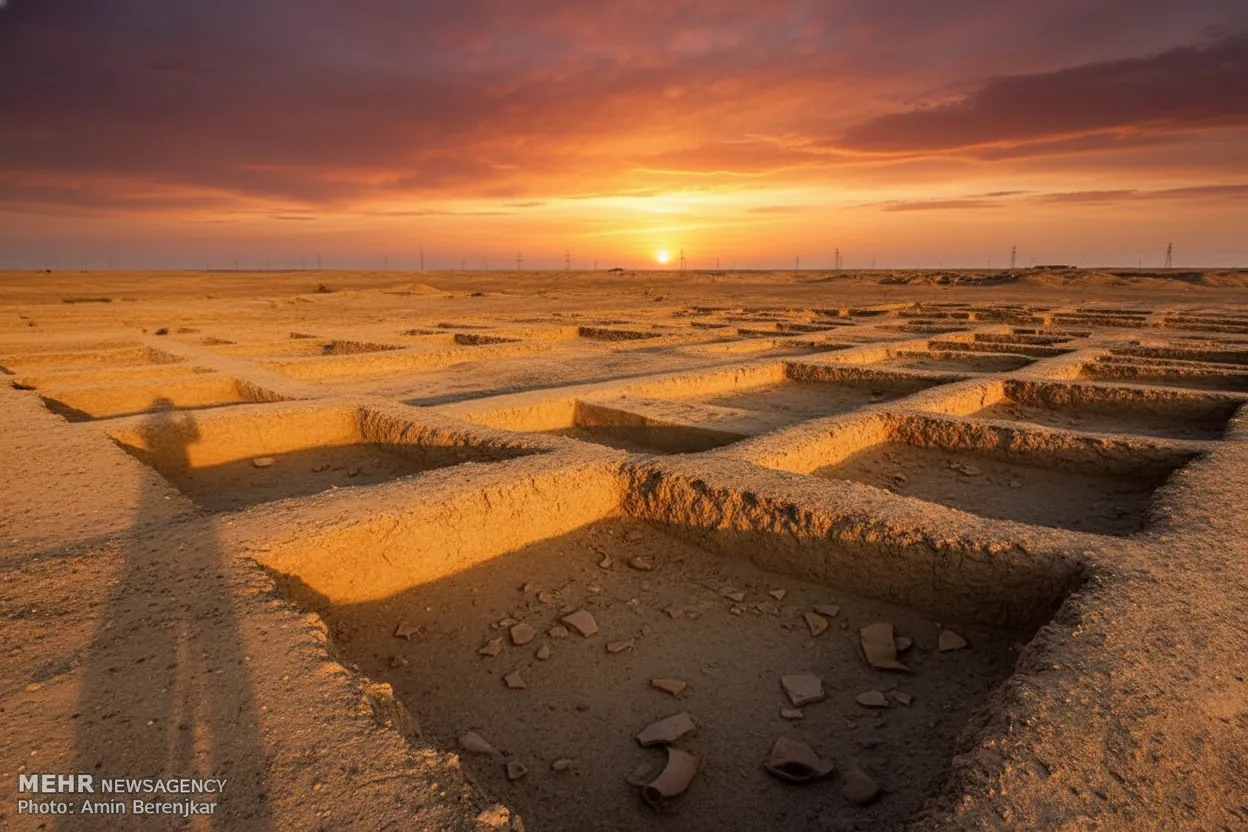
Imagine stepping back 5,000 years, not into a primitive settlement, but into a bustling desert metropolis, a hub of innovation so far ahead of its time it still baffles historians. Now, imagine that city, after centuries of thriving, inexplicably vanished, leaving behind whispers of its grandeur and mind-boggling evidence of ancient medical marvels and artistic genius. This isn't a fantasy novel; it's Shahr-e Sukhteh, Iran's "Burnt City," a UNESCO World Heritage site hidden in the vast Sistan and Baluchestan Province, waiting to reveal its secrets. Trust me, you've never encountered an archaeological site quite like this.
Unearthing the Impossible: What Makes Shahr-e Sukhteh So Special?
Shahr-e Sukhteh, whose name translates chillingly to "Burnt City" (though evidence suggests it was abandoned rather than destroyed by fire), is a Bronze Age ghost town that confounds every expectation you might have about ancient civilizations. Active from roughly 3200 to 2300 BC, this sprawling urban center was not just large; it was astonishingly advanced. Forget what you thought you knew about early human ingenuity – Shahr-e Sukhteh rewrites the narrative.
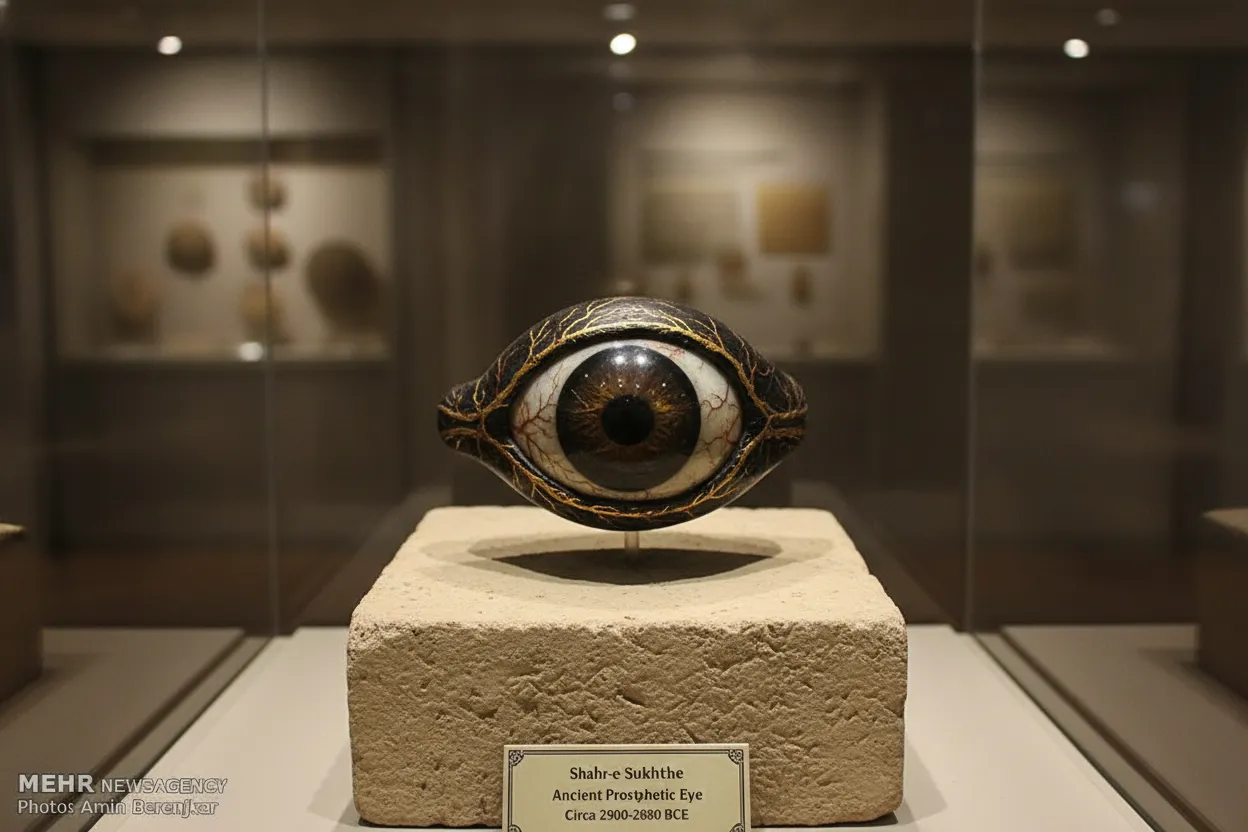
The crown jewel of its discoveries, and perhaps one of the most incredible archaeological finds ever, is the world's first known artificial eyeball. Unearthed from the grave of a woman believed to be 28-32 years old, this sophisticated prosthetic was made of bitumen paste (tar), covered with a thin layer of gold, and intricately engraved with a central iris and radiating lines mimicking capillaries. It's not just a medical first; it's a testament to incredible craftsmanship and compassion in a society millennia ago. Imagine the skill, the understanding of human anatomy, and the desire to restore dignity to a person living 5,000 years ago!
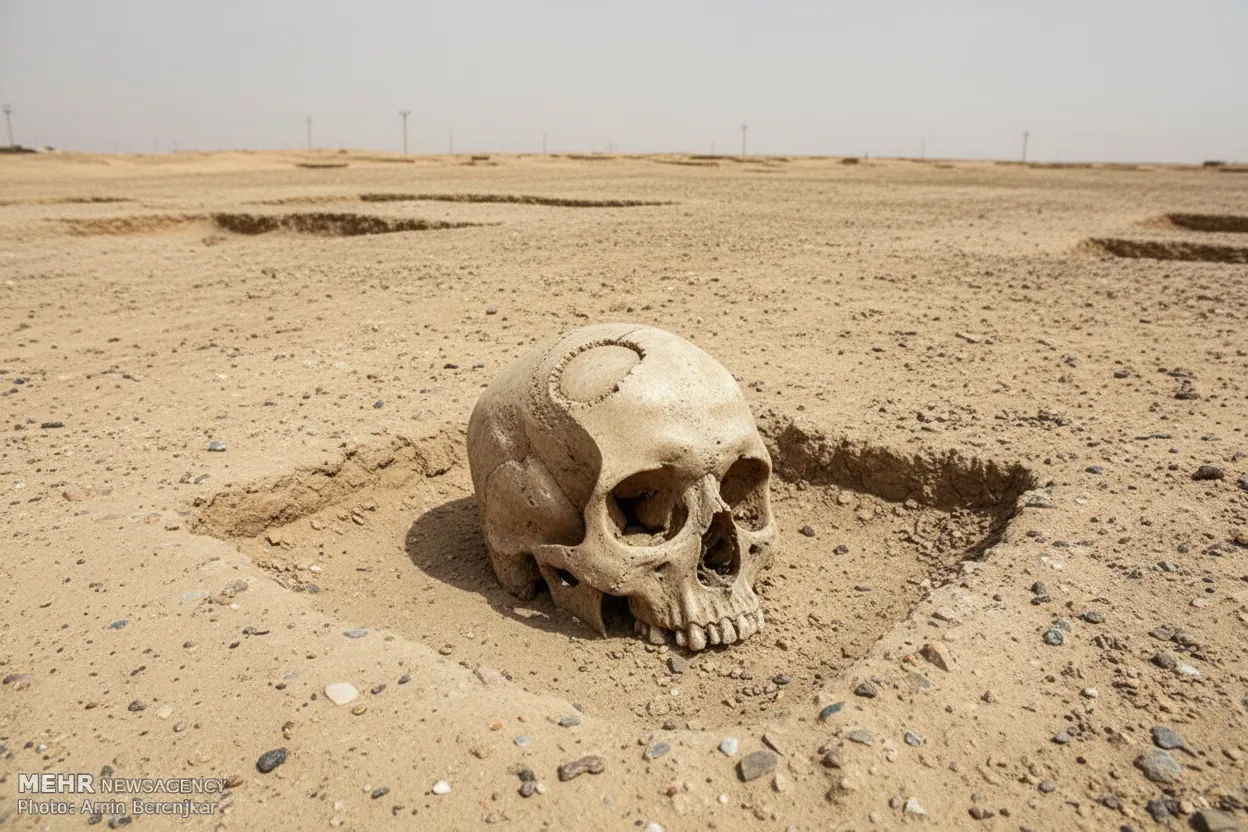
But the marvels don't stop there. Excavations have also uncovered compelling evidence of the earliest known instance of brain surgery. A skull belonging to a young girl shows clear signs of trepanation – a surgical procedure involving drilling a hole into the skull – and, remarkably, evidence that she survived the operation for several months, possibly even years, before her death. This wasn't a crude, experimental procedure; it points to a sophisticated understanding of medicine and surgical techniques that we previously thought impossible for the era.
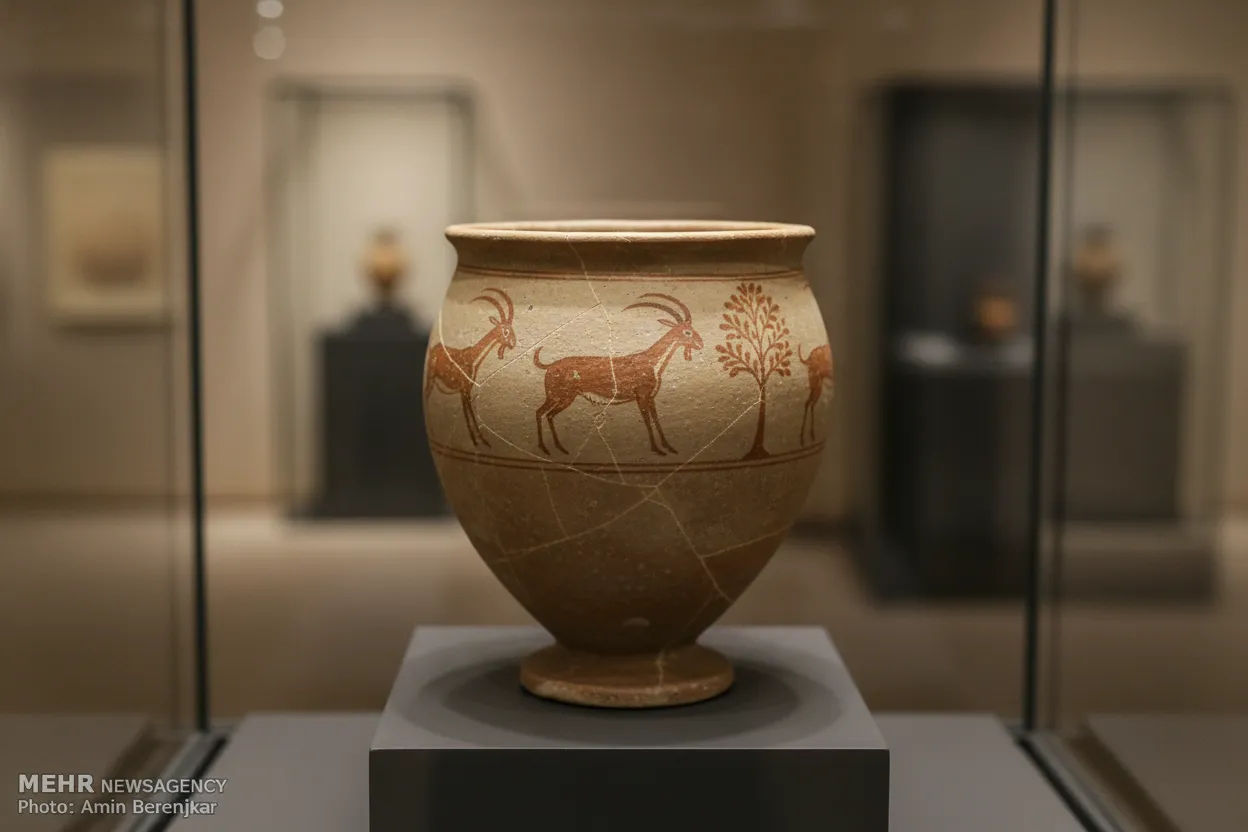
And if you thought advanced medicine and prosthetics were enough to blow your mind, consider this: Shahr-e Sukhteh also gifted us what many believe to be the world's first animation. A pottery goblet, dated to around 3200 BC, features five sequential images depicting a goat leaping to eat leaves from a tree. When spun rapidly, these images create the illusion of movement, a precursor to modern animation by thousands of years. It’s a playful, artistic, and utterly genius discovery that speaks volumes about the cultural richness of this ancient city.
A Glimpse into the Past: The Rise and Fall of the Burnt City
Shahr-e Sukhteh wasn't just a collection of isolated wonders; it was a coherent, thriving urban center. Spread across 151 hectares, it boasted distinct residential areas, industrial zones for pottery and metalworking, and elaborate burial grounds. Its inhabitants were skilled artisans, farmers, and traders, managing resources in a harsh desert environment with remarkable efficiency. They cultivated crops, domesticated animals, and engaged in extensive trade networks that stretched across the ancient world, from Mesopotamia to the Indus Valley.
The city experienced four main periods of occupation, evolving and expanding over nearly a millennium. Its peak saw a population that could rival many modern towns, sustained by innovative water management systems and a deep understanding of their ecosystem. The society appears to have been remarkably peaceful, with little evidence of warfare or significant social stratification, suggesting a harmonious community focused on craftsmanship and intellectual pursuits.
But like all great mysteries, Shahr-e Sukhteh's story has a puzzling end. Around 2300 BC, after flourishing for centuries, the city was inexplicably abandoned. There's no sign of violent conquest or catastrophic natural disaster. Theories range from gradual climate change leading to desertification and resource depletion, to shifts in trade routes that rendered the city economically unviable. Whatever the reason, its inhabitants simply packed up and left, leaving behind their homes, their workshops, and their incredible legacy, preserved under layers of desert sand for future generations to uncover.
Exploring the Ruins: What You'll See at Shahr-e Sukhteh
Visiting Shahr-e Sukhteh is an experience unlike any other. As you stand amidst the vast, sun-baked plains of Sistan and Baluchestan, the sheer scale of the site is immediately apparent. Miles of low mounds stretch into the distance, each one covering the remains of ancient buildings, streets, and workshops. The silence is profound, broken only by the wind, and it's easy to feel the weight of five millennia pressing down on you.
While many of the most spectacular artifacts – like the artificial eye and the animation goblet – are housed in museums (primarily the National Museum of Iran in Tehran and the regional museum in Zahedan), the site itself offers an unparalleled sense of discovery. You'll walk through clearly defined archaeological trenches, seeing the foundations of homes, the outlines of ancient walls, and countless pottery shards scattered across the ground, each piece a tiny fragment of a forgotten life. It's a place where you can truly connect with history, imagining the bustling streets, the artisans at work, and the daily lives of a people so far removed yet so remarkably similar to us in their ingenuity and aspirations.
The burial grounds are particularly poignant. While the graves themselves are often re-covered for preservation, the sheer number of them speaks to the size and longevity of the city. You might see remnants of the distinctive burial practices, which included placing personal items and offerings with the deceased. A local guide can bring these silent stones and dust to life, painting vivid pictures of the city's past inhabitants and their customs. It's less about seeing grand structures and more about feeling the presence of an incredibly advanced, yet mysterious, lost civilization.
Planning Your Expedition: Practical Tips for Visiting Shahr-e Sukhteh
Shahr-e Sukhteh is not on the typical tourist trail, which makes a visit all the more rewarding for adventurous travelers. It requires a bit of planning, but the rewards are immense.
Best Time to Visit: Due to the desert climate, the ideal time to visit is during the cooler months, from late October to early April. Summers can be intensely hot, making exploration uncomfortable.
How to Get There: The site is located near the city of Zabol in Sistan and Baluchestan Province. The most practical approach is to fly into Zahedan International Airport (ZAH), the provincial capital. From Zahedan, you can hire a private car and driver to take you to Zabol (about a 3-hour drive) and then on to Shahr-e Sukhteh (approximately 50 km south of Zabol). Given the remote location and the need for local expertise, arranging transport and a guide through a reputable Iranian tour operator is highly recommended. This ensures smooth logistics and insightful commentary.
Accommodation: Options in Zabol are basic. Many visitors opt to stay in Zahedan, which offers more choice, and make Shahr-e Sukhteh a day trip. Alternatively, some tour operators arrange camping near the site, offering a truly immersive experience under the desert stars.
Local Culture and Dress Code: Iran has a rich and hospitable culture. Be prepared for warm welcomes from locals. As a visitor, particularly in more conservative regions like Sistan and Baluchestan, it's respectful to adhere to local dress codes: women should wear a headscarf and loose-fitting clothing that covers arms and legs; men should avoid shorts. Always ask permission before taking photos of people.
Visa and Entry: All foreign visitors to Iran require a visa, which should be obtained in advance. Check the latest requirements for your nationality well before your trip.
Shahr-e Sukhteh is more than just an archaeological site; it's a profound journey into humanity's past, a testament to our enduring capacity for innovation, art, and compassion, even in the harshest environments. It challenges our preconceptions and leaves us with an enduring sense of wonder. If you're looking for an adventure that truly transcends time, this hidden gem in the Iranian desert is calling your name.
Essential Travel Information
- Location Shahr-e Sukhteh (The Burnt City), Iran
- Best Time Late October to early April
- Getting There Fly to Zahedan International Airport (ZAH), then hire a private car/driver to Zabol and Shahr-e Sukhteh. Best arranged through a tour operator.
- Airport Zahedan International Airport (ZAH)
- Budget Mid-range (approx. $50-100 USD daily, including transport/guide for remote access)
- Language Persian (Farsi)
Find Places to Stay Near Shahr-e Sukhteh (The Burnt City)
Compare hotels, hostels, and unique stays in Iran.
Search AccommodationTours & Experiences Near Shahr-e Sukhteh (The Burnt City)
Book guided tours, day trips, and unique experiences.
Browse Tours