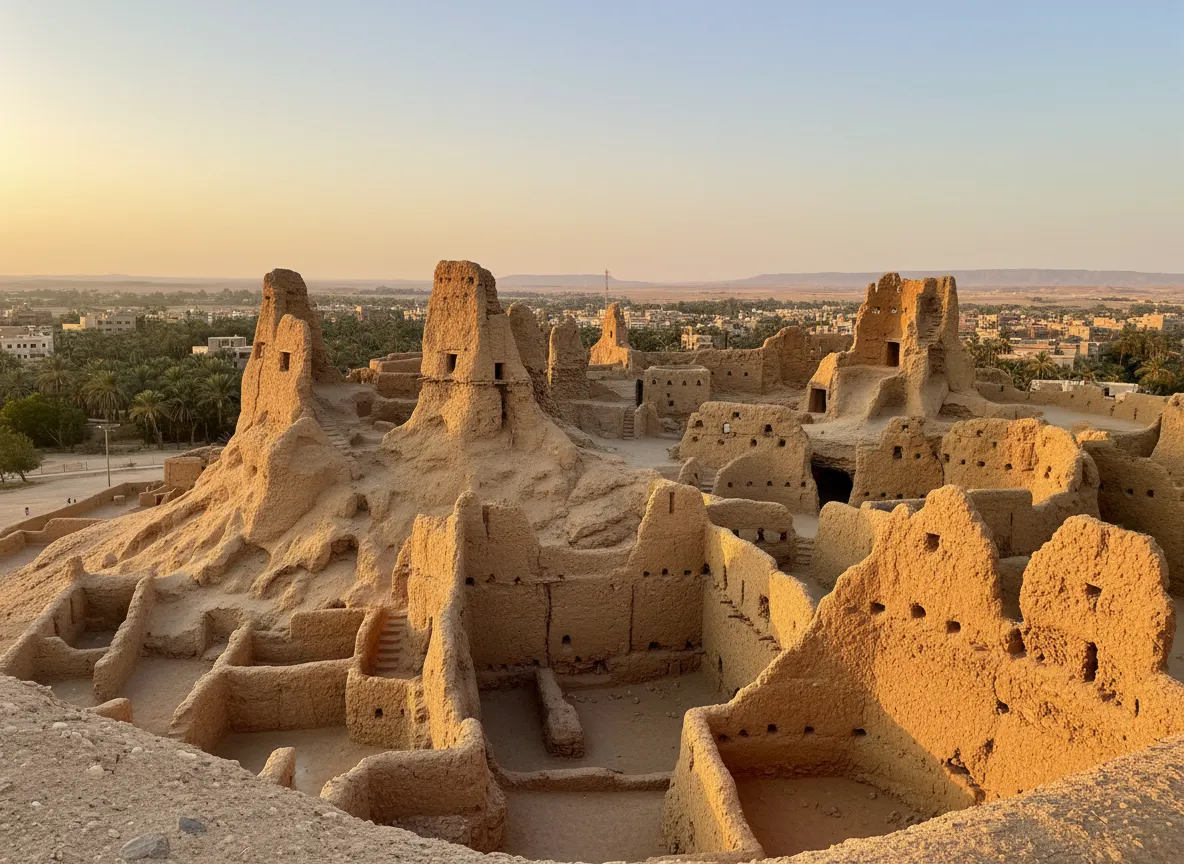
Imagine a place where history isn't just preserved, but is actively, organically dissolving back into the earth from which it came. Rising like a ghostly mirage from the heart of the Siwa Oasis in Egypt, the Shali Fortress is precisely that: an ancient mud-brick city slowly melting, leaving behind a hauntingly beautiful, ever-changing ruin. This isn't just a pile of old stones; it's a living, breathing testament to centuries of resilience, a labyrinthine wonder that whispers tales of a bygone era with every crumbling wall and dissolving rampart. If you're yearning for an adventure that goes beyond the typical tourist trail, a journey into a landscape that feels both ancient and utterly otherworldly, then pack your bags – the magic of Shali awaits.
The Vanishing City: What Makes Shali Fortress So Unique?
What truly sets Shali Fortress apart from countless other historical sites is its extraordinary construction material: kershef. This unique Siwan building block is a remarkable blend of salt, mud, and rock, abundant in the salty depressions of the oasis. For over 800 years, the Siwan people ingeniously harnessed this natural resource to erect their formidable fortress, creating a structure that was both incredibly durable in its dry environment and, paradoxically, highly susceptible to water. The kershef walls, some towering several stories high, were designed to protect the community from invaders and the harsh desert elements, forming a dense, almost impenetrable urban fabric.
But here's where the story takes its most fascinating turn. In 1926, a devastating and uncharacteristically prolonged three-day rainstorm hit Siwa. The salt-laden kershef, which had stood firm for centuries in an arid climate, began to dissolve. The fortress, unable to withstand such an onslaught, became unstable, forcing its thousands of inhabitants to abandon their homes and relocate to the burgeoning modern town below. Since then, with each rare, precious drop of rain that falls on the oasis, the Shali Fortress continues its slow, majestic dissolution. It's a natural, organic process, transforming the once mighty stronghold into an ever-evolving sculpture of the desert itself. Towers slump, walls curve inward, and passages narrow, creating an architectural landscape unlike anything else on Earth. It's an ephemeral masterpiece, a testament to nature's relentless artistry, reminding us of the impermanence of even the grandest human endeavors.
Echoes of the Past: A Brief History of Shali
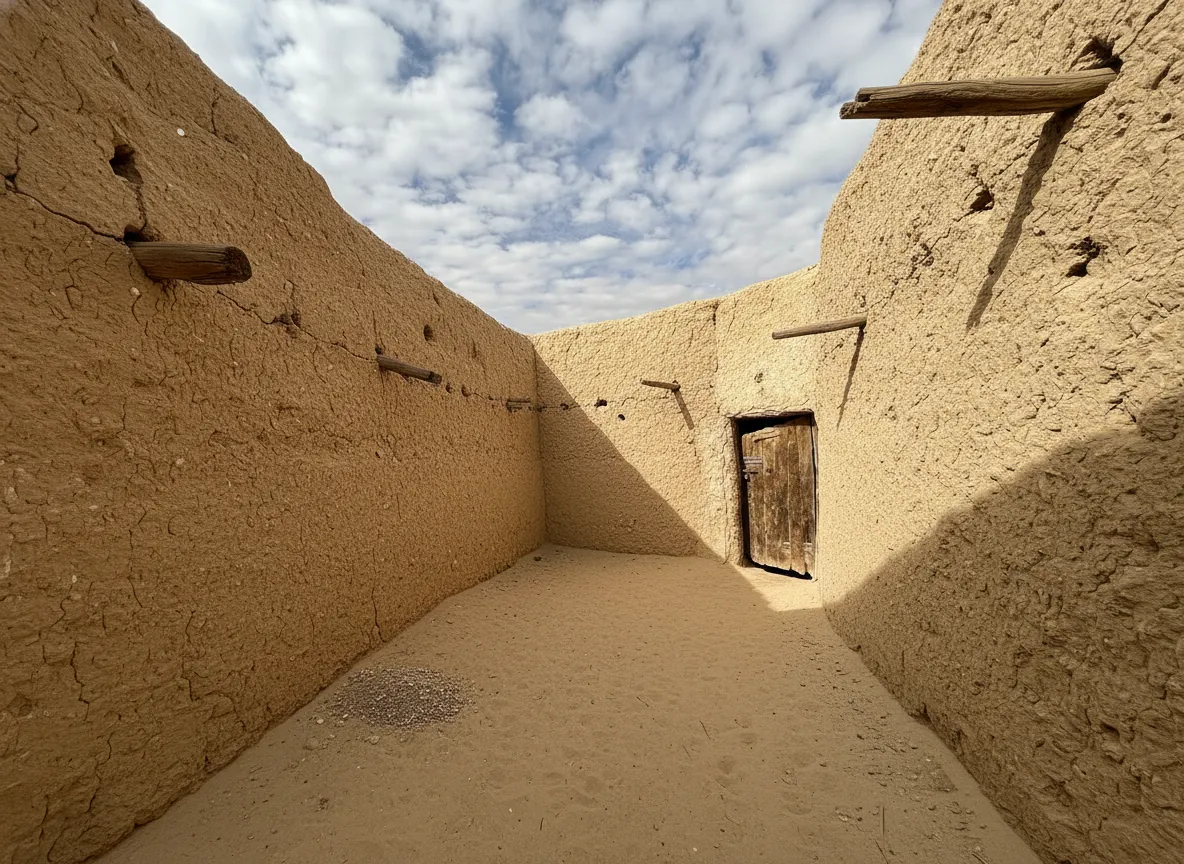
The story of Shali Fortress is intertwined with the very soul of the Siwa Oasis. For centuries, this remote oasis, nestled in the vast Western Desert of Egypt, was a haven for its indigenous Amazigh (Berber) people, the Siwans. To protect themselves from raids by desert nomads and other external threats, they built Shali, a colossal mud-brick citadel that served as both a defensive stronghold and a residential complex. Life within its labyrinthine walls was communal and tightly knit. Homes were stacked upon homes, often sharing walls and foundations, creating a dense, multi-story settlement where narrow alleys provided shade and security.
From its probable founding in the 13th century, Shali was the beating heart of Siwan life. Generations lived, worked, and worshipped within its confines, developing a unique culture, language (Siwi, a Berber dialect), and customs that persist to this day. The fortress was a self-contained world, a testament to collective survival and ingenuity. The ingenuity extended beyond its construction; the very layout of Shali was a marvel of ancient urban planning, designed for defense, community, and adaptation to the harsh desert environment.
The pivotal moment in Shali's history, as mentioned, was the great rainstorm of 1926. While the fortress had endured lesser rains before, this particular deluge was catastrophic. The kershef, after hundreds of years, finally succumbed. The structural integrity was compromised, rendering many parts uninhabitable. The Siwan people, with their characteristic pragmatism, began to move out, establishing new homes in the areas surrounding the old fortress. While some parts were later re-inhabited or partially restored for modern use, the vast majority of Shali was left to the elements, slowly transforming into the magnificent ruin we see today. It stands as a silent, powerful monument to the Siwan past, a repository of memories and a symbol of their enduring spirit.
Exploring the Ghostly Labyrinth: What You'll See and Feel
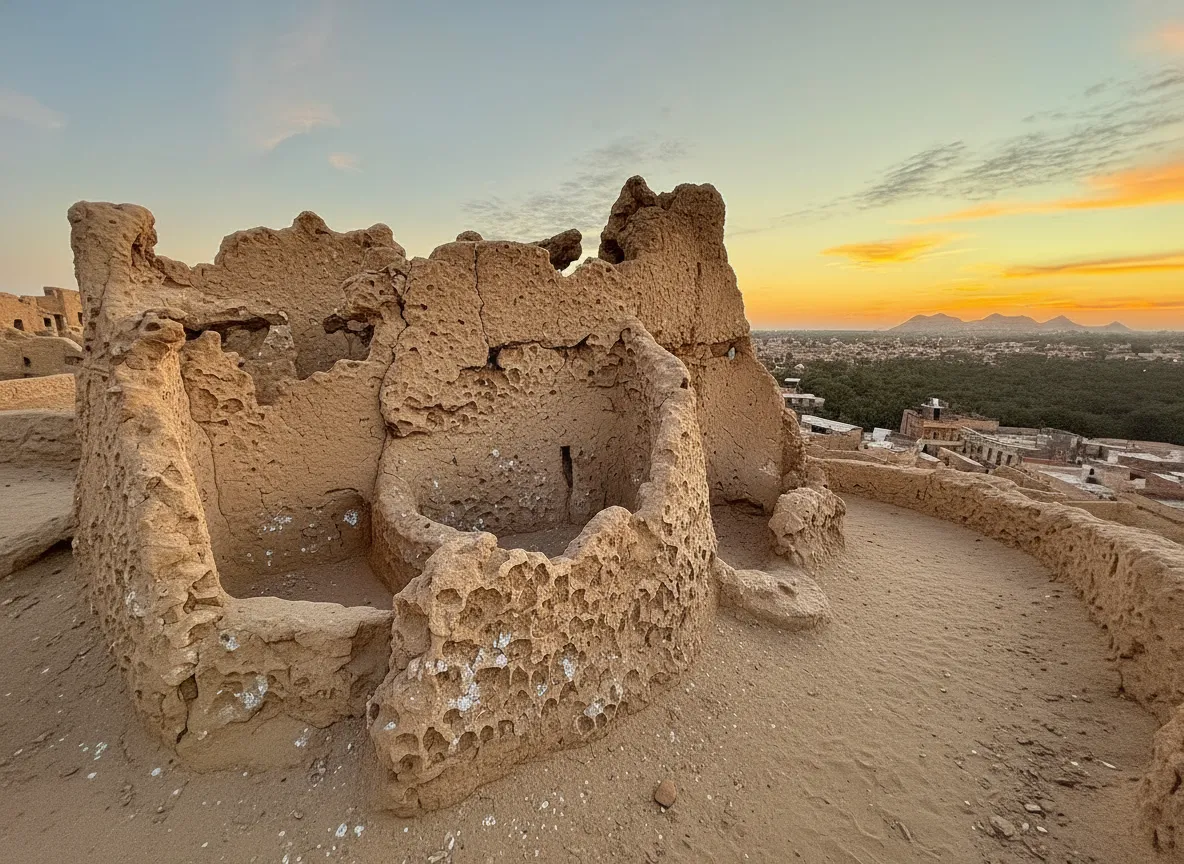
Stepping into Shali Fortress is like walking into a dream – or perhaps a waking meditation on time and decay. The moment you enter the ancient pathways, you're enveloped by a profound sense of history and an almost eerie quietude. The air is dry, often carrying the scent of the desert and the faint, salty tang of the kershef itself. The paths wind and twist, leading you deeper into what feels like an organic sculpture garden rather than a man-made structure. Walls curve and undulate, their surfaces eroded into fascinating patterns by wind and the occasional rain, revealing the layers of mud and salt within.
As you navigate the narrow passages, you'll discover hidden courtyards, remnants of former homes, and the skeletal remains of what were once bustling market areas. Look closely, and you might spot ancient doorways, now opening to nothing but sky, or the ghostly outlines of windows that once framed views of the verdant oasis below. The beauty here is in the details: the way the light plays on the textured surfaces, casting dramatic shadows that shift with the sun; the unique geological patterns created by the dissolving kershef; the sheer scale of the place, which once housed thousands.
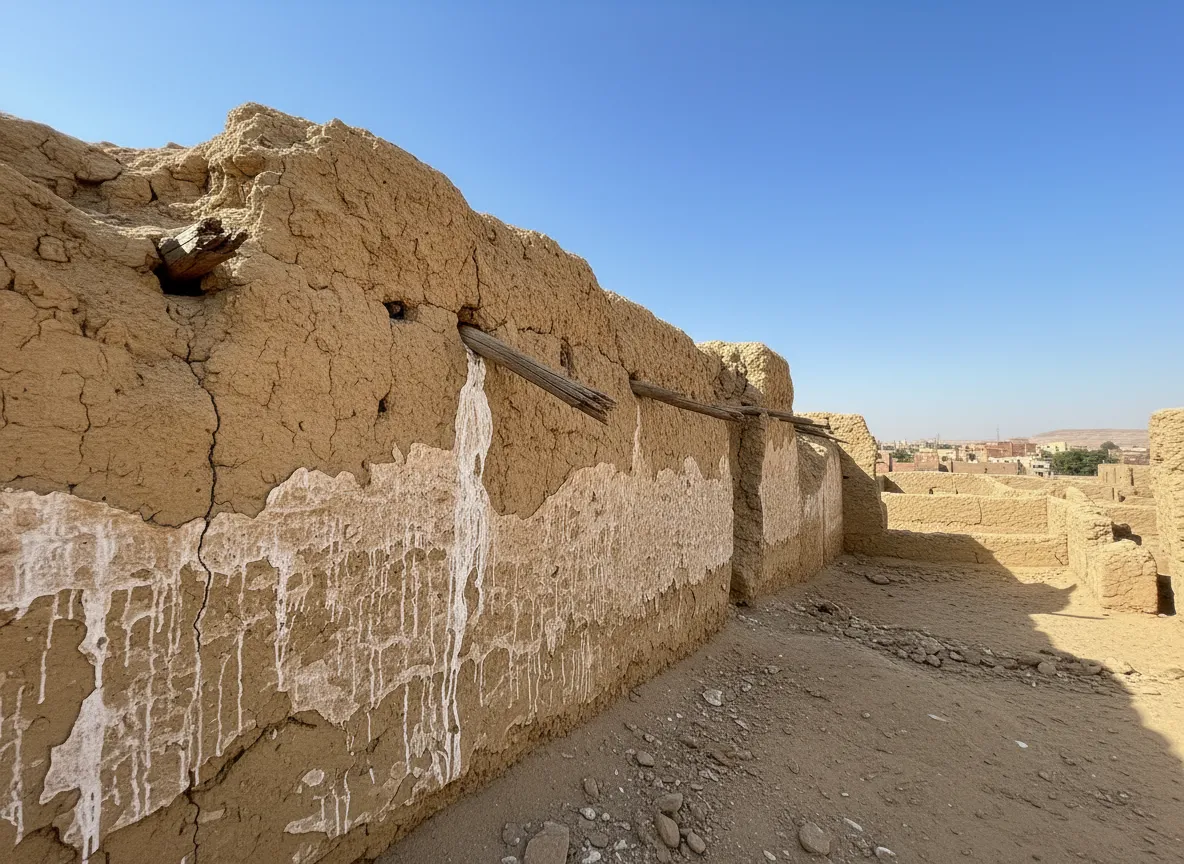
For the most breathtaking experience, try to visit Shali at sunrise or sunset. As the sun dips below the horizon, painting the sky in fiery oranges and purples, the fortress transforms. The kershef walls glow with a warm, ethereal light, and the shadows lengthen, making the ruins seem even more dramatic and mysterious. Climb to one of the accessible higher points (with caution, as some areas are unstable) for an unparalleled panoramic view of the entire Siwa Oasis – a lush carpet of date palms and olive groves, punctuated by the shimmering salt lakes, all framed by the vast, endless desert. It's a view that connects you directly to the generations who once gazed upon the same landscape from these very walls, a truly humbling and unforgettable moment.
Planning Your Journey to the Melting Fortress: Practical Tips
Visiting Shali Fortress and the Siwa Oasis is an adventure that requires a bit of planning, but the rewards are immense. This isn't a place you simply stumble upon; it's a destination you intentionally seek out, and for good reason.
Best Time to Visit: The desert climate of Siwa means scorching summers. The ideal time to visit is during the cooler months, from **October to April**. During this period, daytime temperatures are pleasant for exploring, and evenings are refreshingly cool.
How to Get There: Siwa Oasis is remote, approximately 300 km from Marsa Matrouh and over 600 km from Cairo. The most common way to get there is by overnight **bus from Cairo or Alexandria**. Alternatively, you can arrange a **private car or taxi from Marsa Matrouh**, which has a domestic airport. Some adventurous travelers opt for guided desert tours that include Siwa.
Accommodation: Siwa town offers a range of unique and charming guesthouses and eco-lodges, many built in the traditional Siwan style using kershef or mud brick. From rustic and authentic to more luxurious eco-resorts, you'll find options to suit various budgets. Booking in advance, especially during peak season, is highly recommended.
Exploring Shali: The fortress is largely open to visitors, but it's crucial to exercise caution. Many parts are unstable due to the dissolving kershef. Stick to clearly defined paths and avoid climbing on precarious structures. While you can explore independently, hiring a **local Siwan guide** is highly recommended. They can offer invaluable insights into the history, culture, and lesser-known corners of Shali, enriching your experience immensely.
What to Bring: Hydration is key! Carry plenty of **water**. Essential items include **sunscreen, a wide-brimmed hat, sunglasses**, and comfortable, sturdy **walking shoes**. Don't forget your **camera** to capture the unique beauty of the fortress and the oasis. A lightweight scarf can be useful for sun protection and for respecting local customs.
Respectful Tourism: Siwa is a conservative community with strong cultural traditions. Dress modestly, especially when visiting religious sites or interacting with locals. Always ask for permission before taking photos of people. Support local businesses and respect the environment by leaving no trace of your visit.
Shali Fortress is more than just a ruin; it's a living monument to time, nature, and human resilience. It offers a rare opportunity to witness history in flux, to connect with an ancient culture, and to marvel at the sheer artistry of the desert. Go, explore, and let the melting fortress of Siwa cast its unforgettable spell on you.
Essential Travel Information
- Location Shali Fortress, Egypt
- Best Time October - April
- Getting There Overnight bus from Cairo/Alexandria, or private car/taxi from Marsa Matrouh.
- Airport Marsa Matrouh (MUH) for domestic, Cairo (CAI) for international connections.
- Budget Mid-range (approx. $50-100 USD daily, excluding long-distance transport)
- Language Arabic (Siwi dialect)
Find Places to Stay Near Shali Fortress
Compare hotels, hostels, and unique stays in Egypt.
Search AccommodationTours & Experiences Near Shali Fortress
Book guided tours, day trips, and unique experiences.
Browse Tours