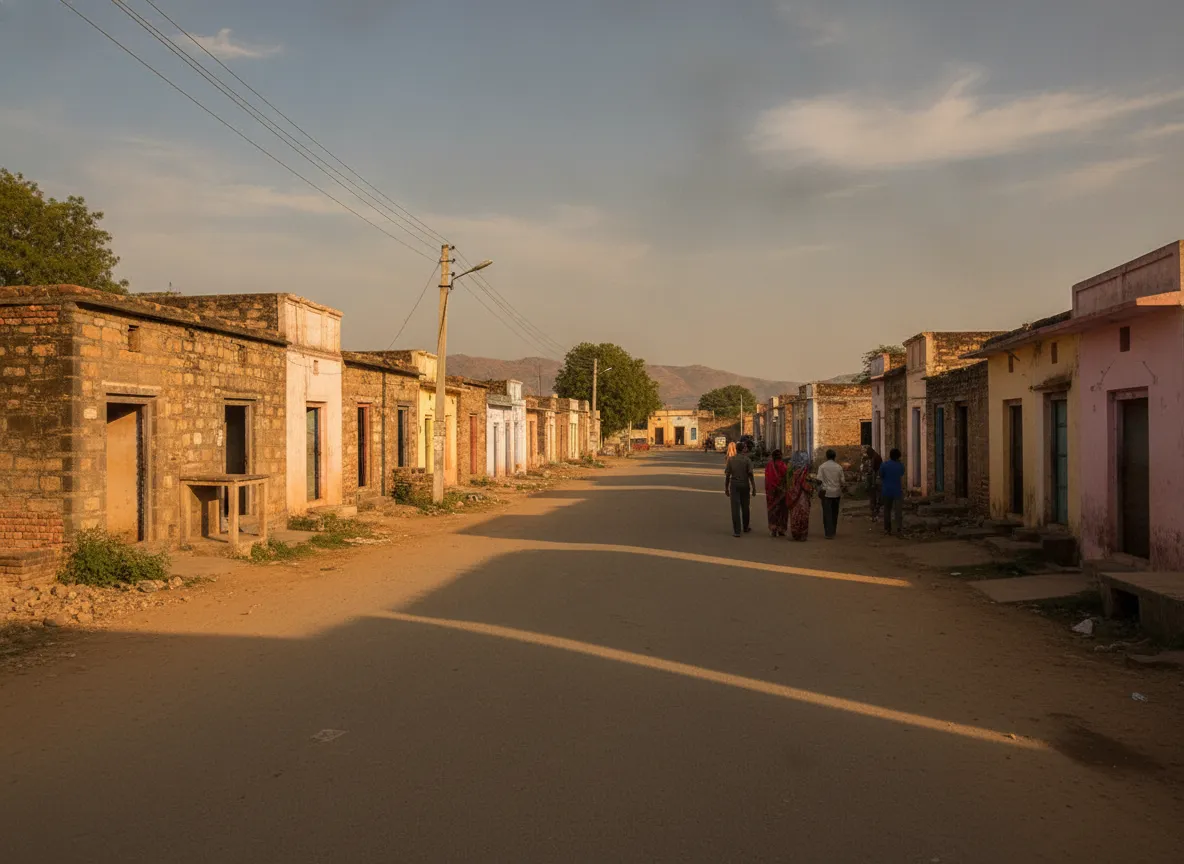
Imagine an entire village where no house has a door, where no one locks their valuables, and crime is virtually nonexistent – all thanks to an ancient, unwavering belief. Picture a community where banks operate without locks, where shops leave their goods unguarded, and where a profound sense of trust permeates every aspect of daily life. Sounds like a fantasy, right? Well, prepare to have your perceptions shattered, because such a place not only exists but thrives in the heart of India. Welcome to Shani Shingnapur, a destination that defies modern logic and offers a captivating glimpse into the power of faith and communal harmony.
Nestled in the arid landscapes of Maharashtra, Shani Shingnapur isn't just a village; it's a living testament to an extraordinary social experiment. For centuries, its residents have lived in homes without doors or even doorframes, placing their absolute faith in the protective powers of the deity Shani, whom they believe safeguards their village from all harm. This isn't just a quaint tradition; it's a deeply ingrained way of life that challenges our understanding of security, trust, and community. Visiting Shani Shingnapur is like stepping into another dimension, where the palpable sense of wonder and the sheer audacity of their faith will leave you utterly spellbound.
A Village Without Doors: The Unwavering Faith of Shani Shingnapur
The most striking feature of Shani Shingnapur, the one that truly sets it apart, is its complete lack of doors. Not just locks, but actual doors. Walk down any street, and you’ll see homes, shops, and even the local post office and police station, all with wide-open entrances. There are no wooden panels, no metal gates, no latches or bolts. This isn't a stylistic choice; it's a profound declaration of faith. The villagers believe that Lord Shani, the deity associated with the planet Saturn and a dispenser of justice, acts as the ultimate guardian of their community. They are convinced that no theft or harm can befall anyone under his divine protection. And astonishingly, for generations, this belief has held true.
This isn't to say crime is absolutely non-existent – there have been isolated incidents over the decades, which are often attributed to outsiders or seen as aberrations rather than a breakdown of the divine protection. However, the prevailing atmosphere remains one of remarkable safety and trust. Imagine the peace of mind that comes from never having to worry about locking up, from knowing your neighbours and your deity are watching over your home. This unique lifestyle fosters an incredible sense of community, where people truly look out for one another, adding another layer of security to their divinely-protected existence. It’s a powerful reminder that security isn't always about walls and locks, but often about the bonds of trust and shared belief within a community.
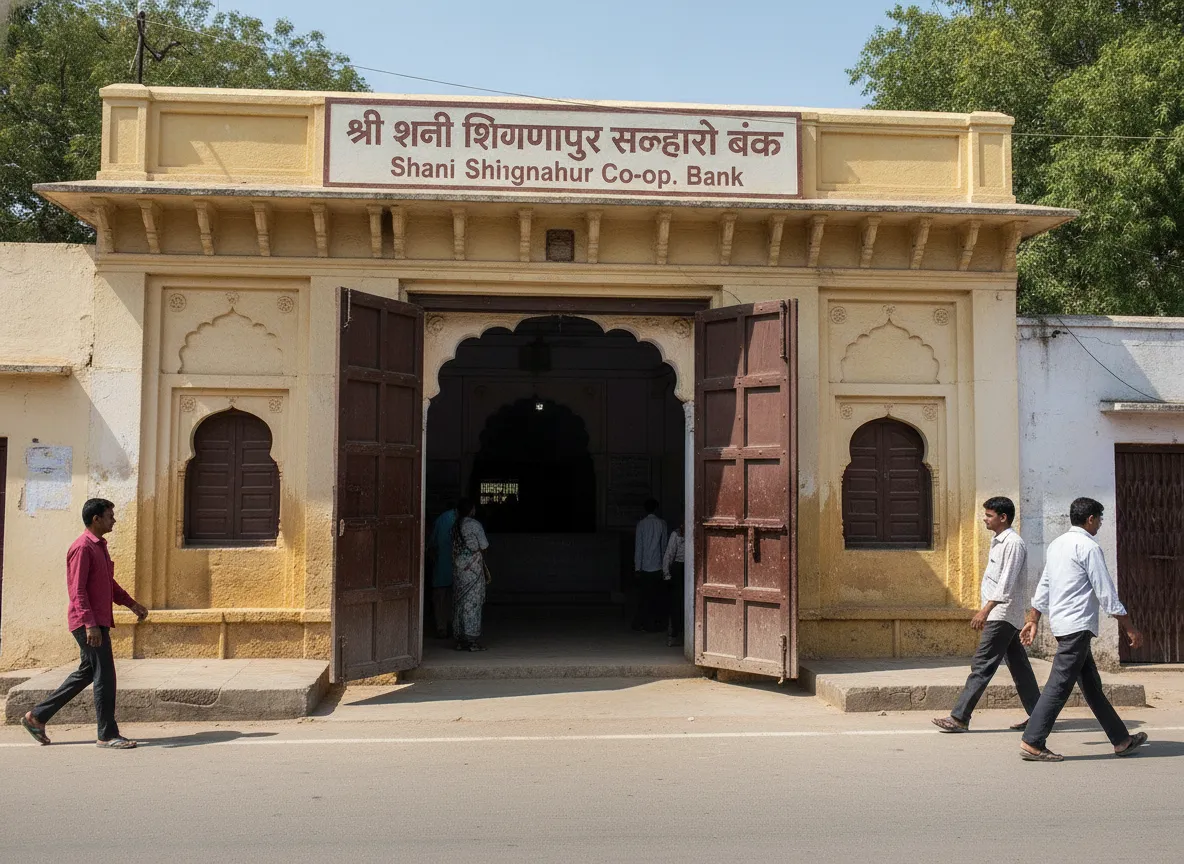
Perhaps the most bizarre and fascinating manifestation of this faith is the UCO Bank branch in the village. When it opened in 2011, it made international headlines for being the first commercial bank in India (and possibly the world) to operate without a lock on its main entrance. While they do have a glass door and a remote-controlled electromagnetic lock for security during closing hours, the fact that a financial institution adapted to the village's unique tradition speaks volumes about the pervasive belief system. It's a surreal experience to see such an institution, typically a fortress of security, embracing the open-door policy of Shani Shingnapur.
The Legend of Lord Shani: A Divine Protector
The story behind Shani Shingnapur’s unique tradition is as ancient and intriguing as the village itself. It begins over 300 years ago, with a powerful flood that swept through the region. When the waters receded, a large, black, self-emerged stone slab was discovered on the banks of the Panasnala river. Local shepherds, curious about the stone, poked it with a stick, and to their astonishment, blood began to ooze from the spot. The villagers were naturally terrified and baffled by this phenomenon.
That night, Lord Shani is said to have appeared in the dream of the village head, revealing that the stone was his idol. He instructed the villagers to install the idol in the open air, without a roof, as he preferred to be under the vast sky. Crucially, he also promised to protect the village from all calamities, thefts, and dangers, on the condition that they would not install doors on their homes. He declared that he would personally safeguard anyone living under his divine gaze. The villagers, deeply reverent and trusting, followed his instructions to the letter. They enshrined the idol in an open-air temple, and from that day forward, they began building their homes without doors, placing their absolute faith in Lord Shani's protective powers.
Lord Shani, a prominent deity in Hindu mythology, is often associated with the planet Saturn. He is revered as the god of justice, who rewards individuals according to their deeds (karma). While often feared for his challenging astrological periods (Shani Dasha), he is also considered a benevolent protector for those who worship him sincerely and live righteously. In Shani Shingnapur, this protective aspect is amplified, making him the village's unwavering guardian. The legend has been passed down through generations, reinforcing the community’s unique way of life and their profound reverence for the deity. It’s a powerful narrative that underpins the entire social fabric of this extraordinary place.
What to See and Experience in Shani Shingnapur
Your visit to Shani Shingnapur will undoubtedly be unlike any other. The primary attraction, and the spiritual heart of the village, is the **Shani Temple**. Unlike traditional temples with elaborate structures, this one is remarkably simple yet deeply powerful. The black stone idol of Lord Shani stands under the open sky, a testament to the deity's original command. Devotees perform rituals and offer prayers directly to the idol, often pouring oil (specifically sesame oil) as a traditional offering. The atmosphere here is charged with devotion, and you'll witness pilgrims from all walks of life, offering their respects and seeking blessings. It's a truly humbling experience to be amidst such profound faith.
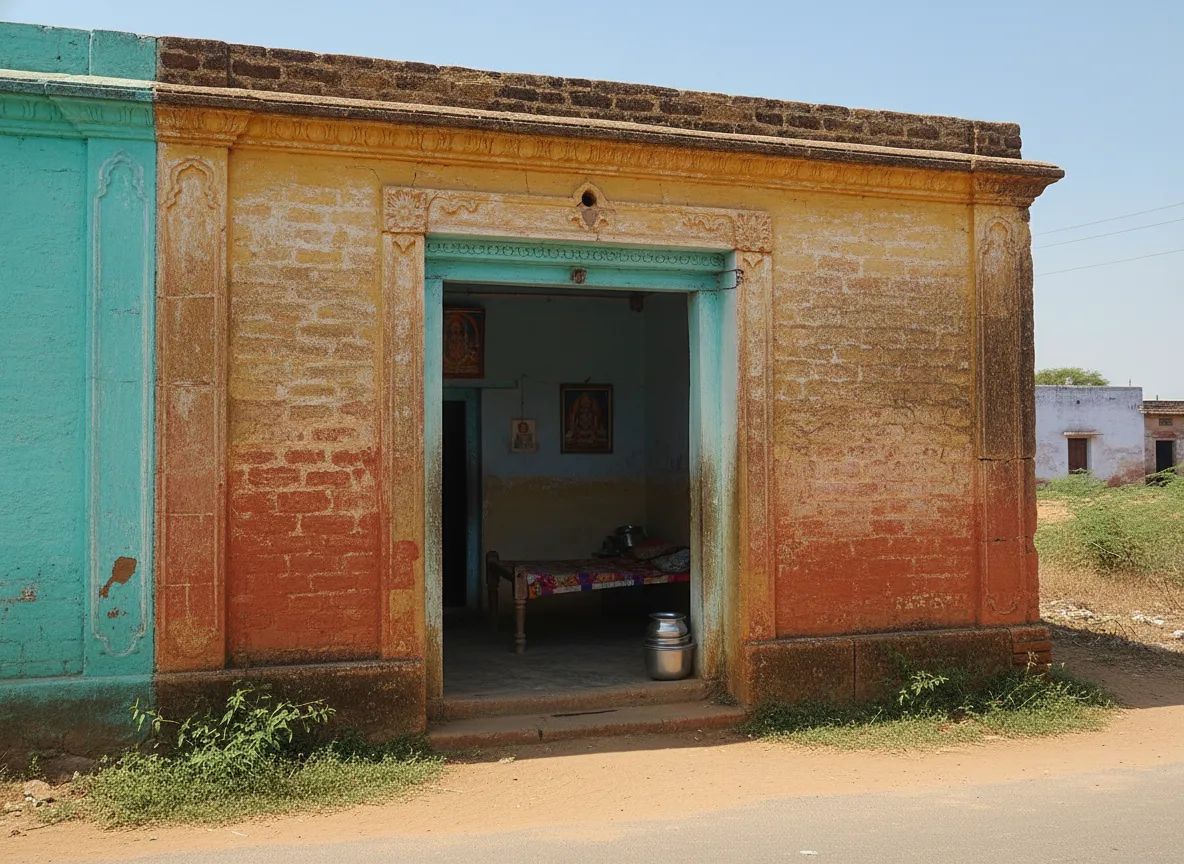
Beyond the temple, the entire village is an attraction in itself. Take a leisurely stroll through the streets and observe the **doorless houses**. It's a surreal sight – homes with clear views into their interiors, showcasing the simple, honest lives of the villagers. You’ll see kitchens, living areas, and even bedrooms openly visible from the street. This isn't an invasion of privacy; it's simply how life is lived here. Pay attention to the details: some homes might have a curtain or a symbolic wooden plank to deter stray animals, but never a solid, lockable door. This visual evidence of their unwavering trust is truly captivating and will make you question your own assumptions about safety and community.
Don't miss the **local shops and markets**, which also operate without conventional security. You'll see vendors leaving their wares openly displayed, confident in the divine protection. Engage with the locals if you can; their stories and perspectives on their unique lifestyle are incredibly insightful. The simplicity of life, the spiritual atmosphere, and the palpable sense of communal harmony are what truly define the experience of Shani Shingnapur. It's a place that forces you to pause, reflect, and appreciate a way of living guided by faith and trust rather than fear and locks.
Planning Your Pilgrimage: Practical Tips for Visitors
Ready to embark on this unique journey? Here are some practical tips to make your visit to Shani Shingnapur smooth and respectful:
Best Time to Visit: The cooler months from October to March are ideal, as Maharashtra can get quite hot. Avoid the peak summer (April-June) and monsoon (July-September) if possible, though a monsoon visit can offer lush green landscapes.
How to Get There: Shani Shingnapur is well-connected by road. It’s approximately 84 km from Aurangabad, 160 km from Pune, and 290 km from Mumbai. You can hire a taxi or take a bus from these major cities. The nearest major railway station is Ahmednagar (around 35 km away).
Accommodation: While there are a few basic guesthouses and dharamshalas (pilgrim rest houses) in Shani Shingnapur itself, many visitors choose to stay in nearby Ahmednagar or Aurangabad, which offer a wider range of hotels and amenities, and then travel to the village for a day trip.
Dress Code & Etiquette: As a spiritual site, modest dress is essential. Both men and women should cover their shoulders and knees. Remove your footwear before entering the temple premises. Photography inside the immediate temple area might be restricted, so always ask or look for signs. Maintain a respectful demeanour throughout your visit.
Offerings: Devotees often offer sesame oil to Lord Shani. You can purchase small bottles of oil and other puja items from vendors near the temple. Be mindful of hawkers and keep your wits about you, especially with young children.
Local Food: The village offers simple, vegetarian Maharashtrian cuisine. You'll find small eateries serving traditional thalis, vada pav, and other local snacks. Embrace the local flavours for an authentic experience.
Safety: While the village is known for its low crime rate, it's always wise to exercise general travel precautions. Keep an eye on your belongings, especially in crowded areas, and be aware of your surroundings. The divine protection is for the residents, but visitors should still be prudent.
Respectful Engagement: Remember you are visiting a living community with deep-rooted beliefs. Be respectful of their traditions and privacy. Observe with an open mind and heart, rather than with judgment or excessive curiosity that might intrude.
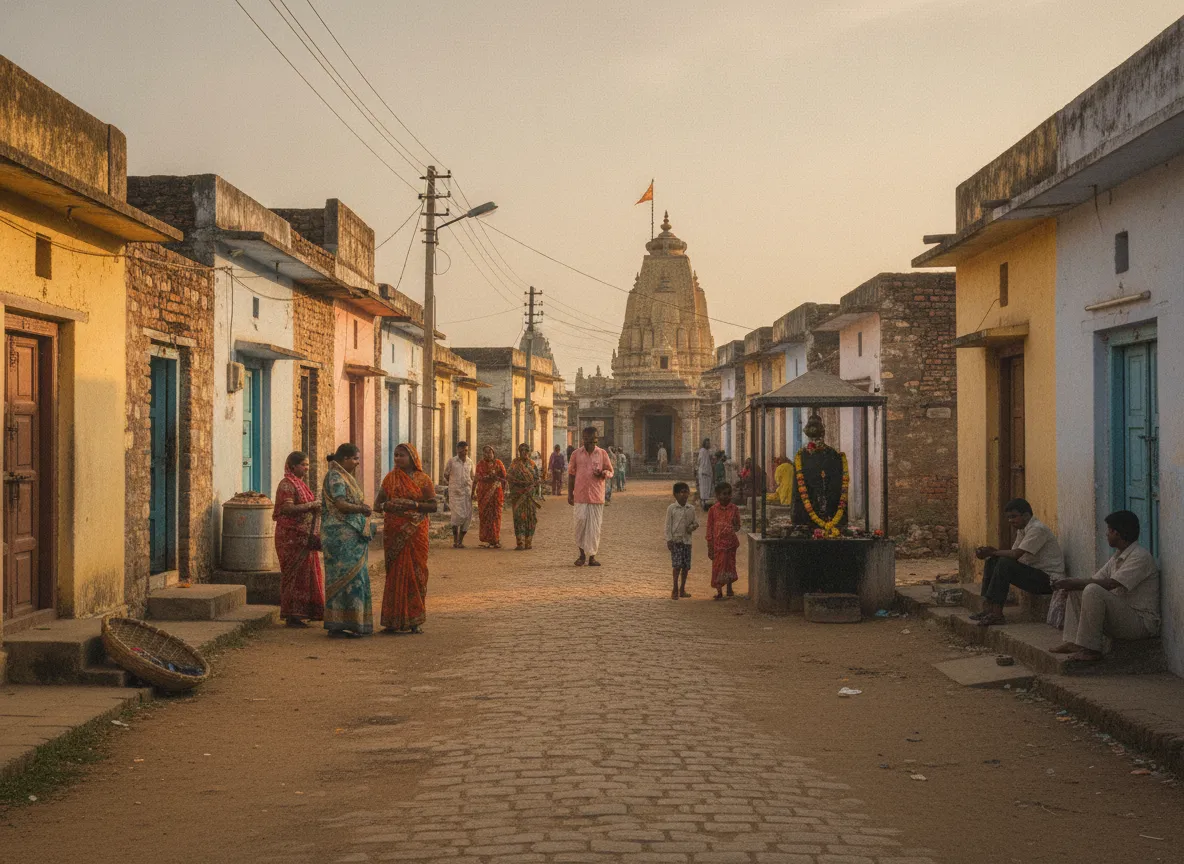
Shani Shingnapur isn't just a dot on the map; it's a profound journey into the human spirit, a place where faith has literally reshaped the physical and social landscape. It challenges our modern assumptions about security, community, and the power of belief. Visiting this incredible village is an opportunity to witness a unique way of life, to ponder the strength of unwavering trust, and to leave with a renewed sense of wonder about the diverse tapestry of our world. It’s a destination that will stay with you long after you’ve left its doorless streets, urging you to question what truly makes a place safe and a community strong.
Essential Travel Information
- Location Shani Shingnapur, India
- Best Time October to March
- Getting There By road from Aurangabad (84km), Pune (160km), or Mumbai (290km). Nearest railway station: Ahmednagar (35km).
- Airport Aurangabad Airport (IXU)
- Budget Budget to Mid-range (approx. INR 1500-3000 daily including basic accommodation, food, and local transport)
- Language Marathi, Hindi
Find Places to Stay Near Shani Shingnapur
Compare hotels, hostels, and unique stays in India.
Search AccommodationTours & Experiences Near Shani Shingnapur
Book guided tours, day trips, and unique experiences.
Browse Tours