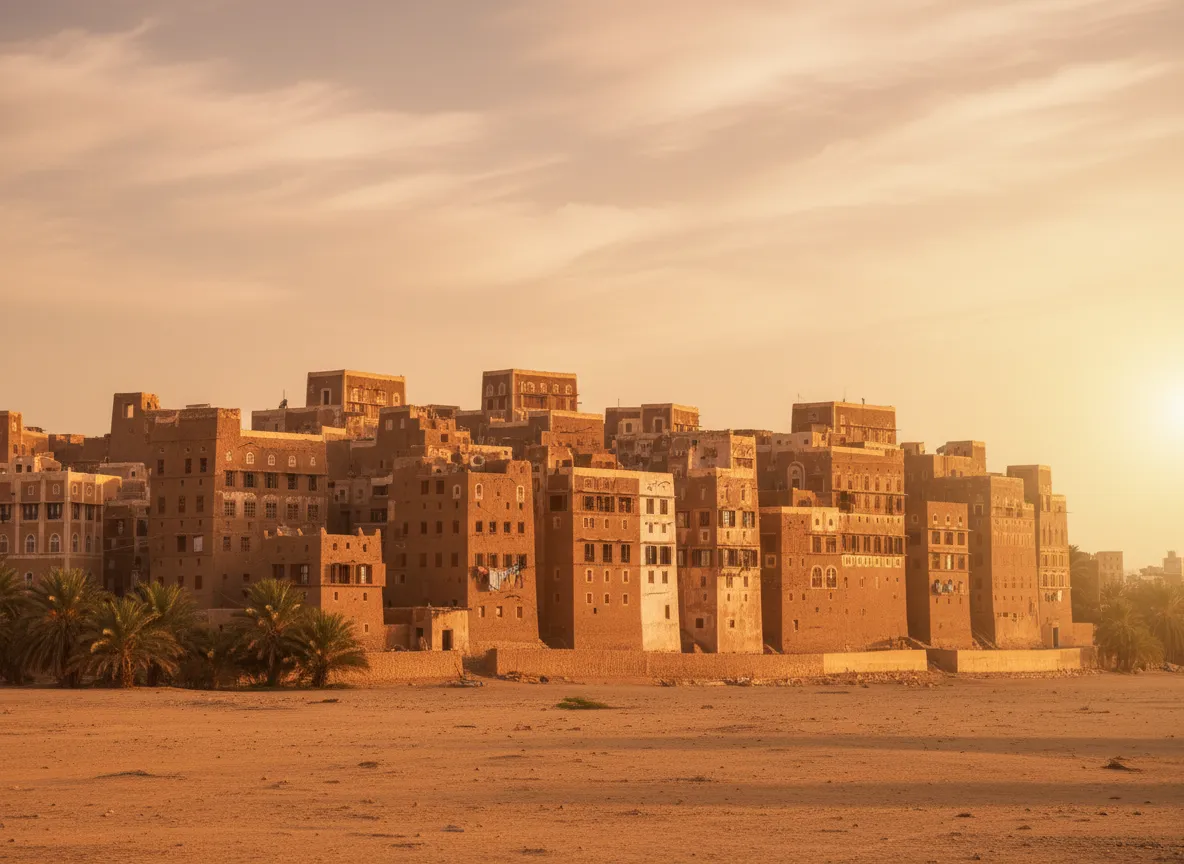
Imagine a cityscape that defies time and expectation, a place where towering skyscrapers weren't born of steel and glass, but of sun-dried mud, centuries before modern architecture even conceived of such heights. This isn't a fantasy; it's a breathtaking reality nestled deep within the vast, arid landscapes of Yemen. Picture this: as you traverse the dusty wadi of Hadhramaut, a vision materializes on the horizon – a dense cluster of multi-story buildings, their earthy tones blending with the desert, yet standing starkly against the sky. This is Shibam, often heralded as the 'Manhattan of the Desert,' a UNESCO World Heritage site that feels less like a city and more like a lost civilization preserved in amber.
Stepping into Shibam is like stepping through a portal to the 16th century, a living museum of human ingenuity and resilience. It's a place that whispers tales of ancient trade routes, Bedouin raids, and the sheer brilliance of a people who mastered vertical living with nothing but earth, water, and an extraordinary vision. If you've ever dreamt of uncovering the world's most unique and compelling hidden gems, Shibam is a destination that will etch itself into your soul, forever changing your perception of what's possible.
The Phenomenon of Shibam: Where Earth Touches the Sky
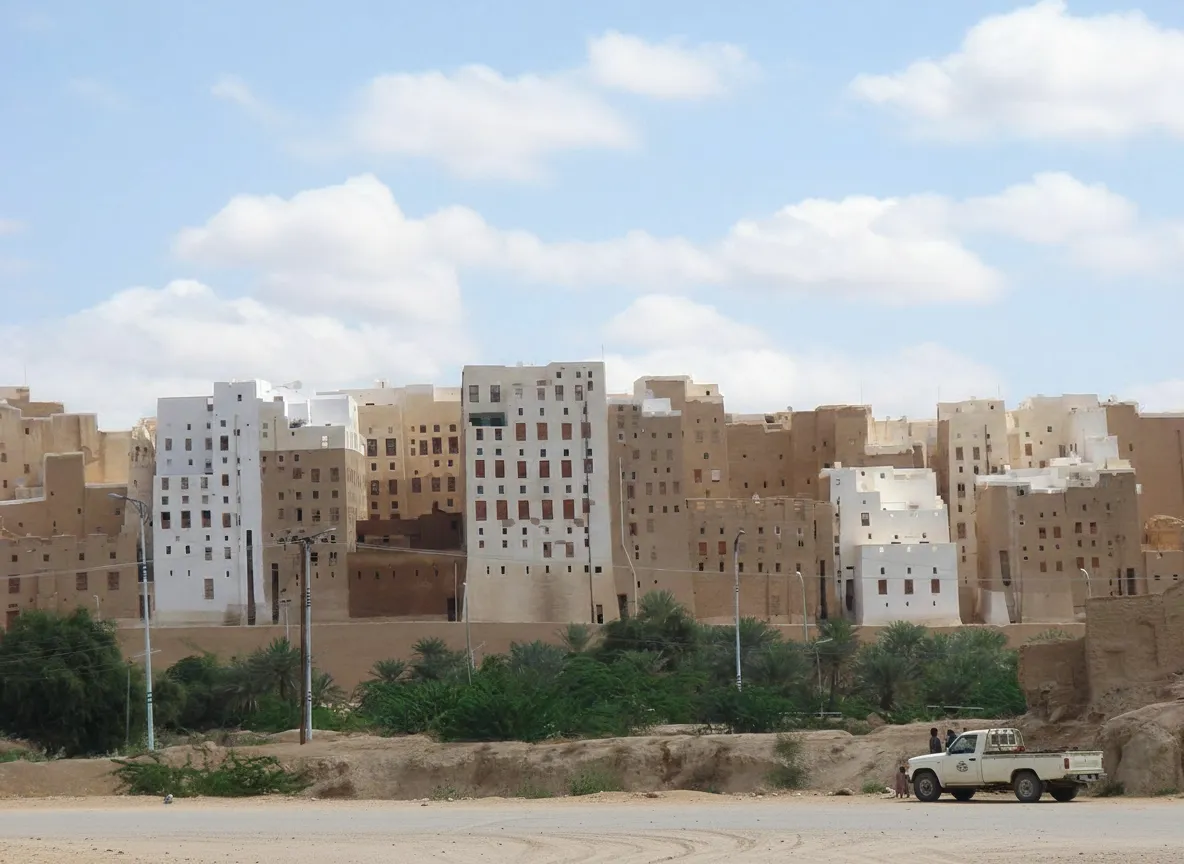
What makes Shibam so utterly captivating isn't just its age, but its audacious architecture. We're talking about a city built almost entirely from mud bricks – specifically, 'libn,' sun-dried bricks made from clay, straw, and water. Yet, these humble materials were fashioned into structures reaching up to seven stories high, creating one of the earliest and most astounding examples of vertical urban planning on Earth. Some buildings even touch eight stories, a testament to the advanced engineering knowledge of the Hadhrami people centuries ago.
The entire city is a fortified marvel, its perimeter a solid wall of interconnected buildings designed for defense. This isn't just about aesthetics; it's a practical response to the harsh realities of the desert. The towering structures served a dual purpose: providing protection from the devastating flash floods that can sweep through the wadi, and acting as an impregnable fortress against the frequent Bedouin raids that plagued the region. The narrow, labyrinthine alleyways between the buildings are themselves part of the defense, creating a confusing maze for any unwelcome intruders.
Imagine the skill involved in constructing and maintaining these mud skyscrapers. Unlike stone or concrete, mud brick is a living material, constantly requiring repair and upkeep, especially after the rare but intense rains. The residents of Shibam have perfected this art over generations, applying new layers of mud plaster to protect the structures, ensuring their legacy endures. It’s a symbiotic relationship between people and their environment, where the very earth beneath their feet provides both shelter and identity.
A Glimpse into History: The Enduring Legacy of the Hadhrami People
While evidence suggests human settlement in the Shibam area dates back to pre-Islamic times, the city we see today largely took shape in the 16th century. This period marked a significant reconstruction after a devastating flood in 1532, leading to the creation of the high-rise urban plan that has fascinated architects and historians ever since. The Hadhramaut region, where Shibam is located, has historically been a crucial crossroads for trade, particularly the frankincense and spice routes, which brought immense wealth and cultural exchange.
The people of Hadhramaut, known as Hadhramis, are renowned for their entrepreneurial spirit and extensive diaspora. Many Hadhramis migrated to East Africa, Southeast Asia (especially Indonesia and Malaysia), and the Indian subcontinent, establishing successful businesses and communities while maintaining strong ties to their homeland. This wealth, often sent back to Yemen, contributed to the construction and maintenance of magnificent architectural feats like Shibam.
The city's history is one of adaptation and resilience. It has witnessed countless conflicts, periods of prosperity, and natural disasters, yet it has always rebuilt itself, often adhering to the same ingenious vertical blueprint. This continuity speaks volumes about the enduring cultural identity and architectural wisdom passed down through generations. Shibam isn't just a collection of buildings; it's a chronicle written in mud and sun, detailing centuries of human endeavor.
Stepping Inside the Walls: What You'll See and Experience
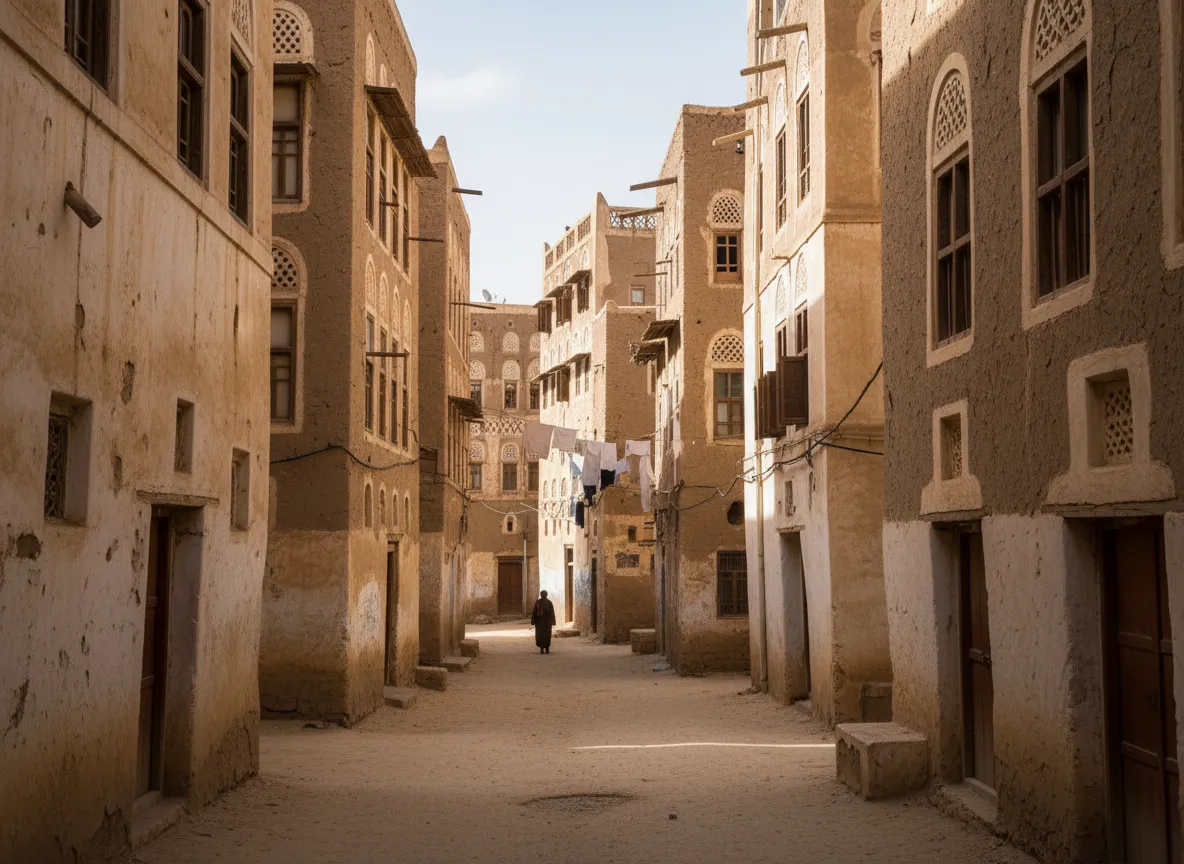
To truly appreciate Shibam, you must venture beyond the panoramic viewpoints and immerse yourself in its ancient heart. As you pass through one of the city's gates, you're immediately enveloped in a different world. The narrow alleyways, some barely wide enough for two people to pass, wind between the towering buildings, creating a cool, shaded environment that offers respite from the desert sun. The air is thick with the scent of dust and history, and the quiet hum of daily life. Sunlight struggles to reach the ground, dappling the pathways in intricate patterns, making the city feel like a vast, organic canyon.
Look up, and you'll be struck by the sheer scale of the mud-brick facades, adorned with intricately carved wooden doors and latticed windows. Each building tells a story, its varying shades of ochre and brown reflecting years of layered mud plaster. You might catch a glimpse of children playing in the courtyards, or women going about their daily chores, their lives unfolding within these ancient walls. The city is still inhabited, a living, breathing community, not just a relic.
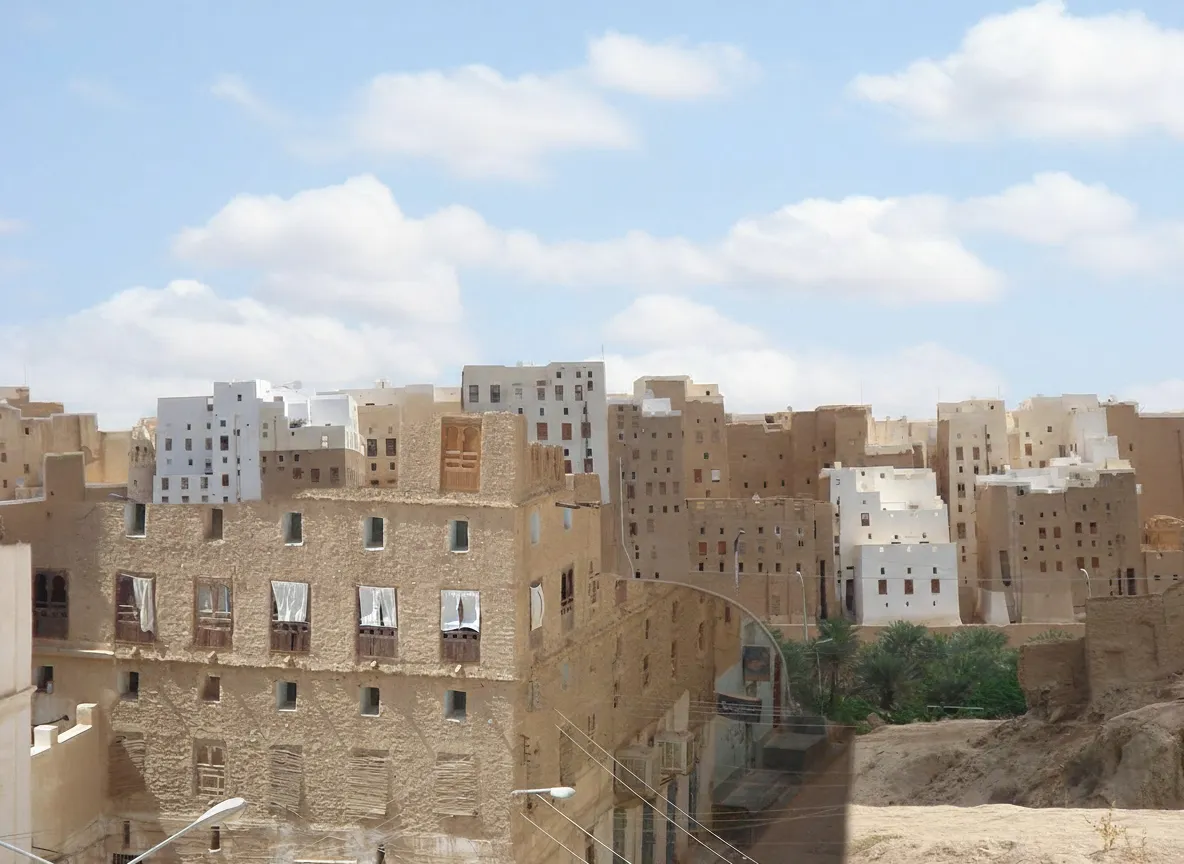
While access to the interior of many homes is limited out of respect for privacy, some guesthouses or community centers might offer a rare opportunity to step inside. Here, you'll discover traditional Hadhrami interiors, often multi-storied themselves, with rooms arranged around a central courtyard or stairwell. The construction, while seemingly simple, is remarkably sophisticated, designed for optimal ventilation and temperature control in the harsh desert climate.
For the best views, seek out a vantage point on the surrounding hills during sunrise or sunset. The golden light bathing the mud-brick towers transforms Shibam into an otherworldly spectacle, a truly unforgettable sight that underscores its nickname as the 'Manhattan of the Desert.'
Planning Your Journey to the Desert's Jewel: Practical Tips
It's crucial to address the current realities of travel to Yemen. Due to the ongoing conflict, travel to Yemen, including the Hadhramaut region, is currently extremely challenging and not recommended by most international governments and travel advisories. The information below is provided for when peace and stability return, allowing travelers to once again safely explore this extraordinary destination.
Safety First: In any scenario, visiting Shibam would require meticulous planning and a strong emphasis on safety. Engaging with reputable local guides and security personnel would be paramount. These guides not only ensure your safety but also provide invaluable cultural context and facilitate interactions with local communities. Travel would likely involve armed escorts and close coordination with local authorities.
Best Time to Visit: Under ideal circumstances, the cooler months from October to March would be the most pleasant time to visit. Temperatures are milder, and the risk of flash floods is lower. Summers can be intensely hot, making exploration less comfortable.
How to Get There: Historically, the nearest airport to Shibam is Seiyun Airport (GXF). From Seiyun, Shibam is a relatively short drive. However, due to the conflict, flight availability and ground transportation are severely impacted and unpredictable. Future travel would depend entirely on the restoration of regular, safe transportation routes.
Accommodation: While Shibam itself is a small, traditional city, there were historically basic guesthouses available. More comfortable accommodations might be found in larger nearby towns like Seiyun or Tarim, though options would likely be modest by international standards. The experience of staying within the Hadhramaut region is an integral part of the adventure.
Cultural Sensitivity: Yemen is a deeply conservative country, especially the Hadhramaut region. Modest dress is essential for both men and women. Women should cover their heads and wear loose-fitting clothing that covers their arms and legs. Always ask permission before taking photographs of people, especially women. Respect for local customs and traditions is paramount to a positive experience.
Currency: The Yemeni Rial (YER) is the local currency. Credit card facilities are rare, especially outside major cities, so cash would be essential. Under current circumstances, access to banking services is severely limited.
Shibam is more than just a destination; it's a testament to human ingenuity, a whisper from a bygone era that continues to stand tall against the ravages of time and nature. It’s a place that reminds us of the incredible diversity of our world and the enduring power of human spirit. For those who dream of exploring the truly extraordinary, Shibam awaits the day it can safely share its wonders with the world once more.
Essential Travel Information
- Location Shibam, Yemen
- Best Time October to March (cooler, less rain)
- Getting There Under normal circumstances, fly to Seiyun Airport (GXF), then a short drive to Shibam. (Currently extremely challenging due to conflict).
- Airport Seiyun Airport (GXF)
- Budget Mid-range to Luxury (due to logistical and security requirements, $200-500+ daily, highly variable)
- Language Arabic
Find Places to Stay Near Shibam
Compare hotels, hostels, and unique stays in Yemen.
Search Accommodation