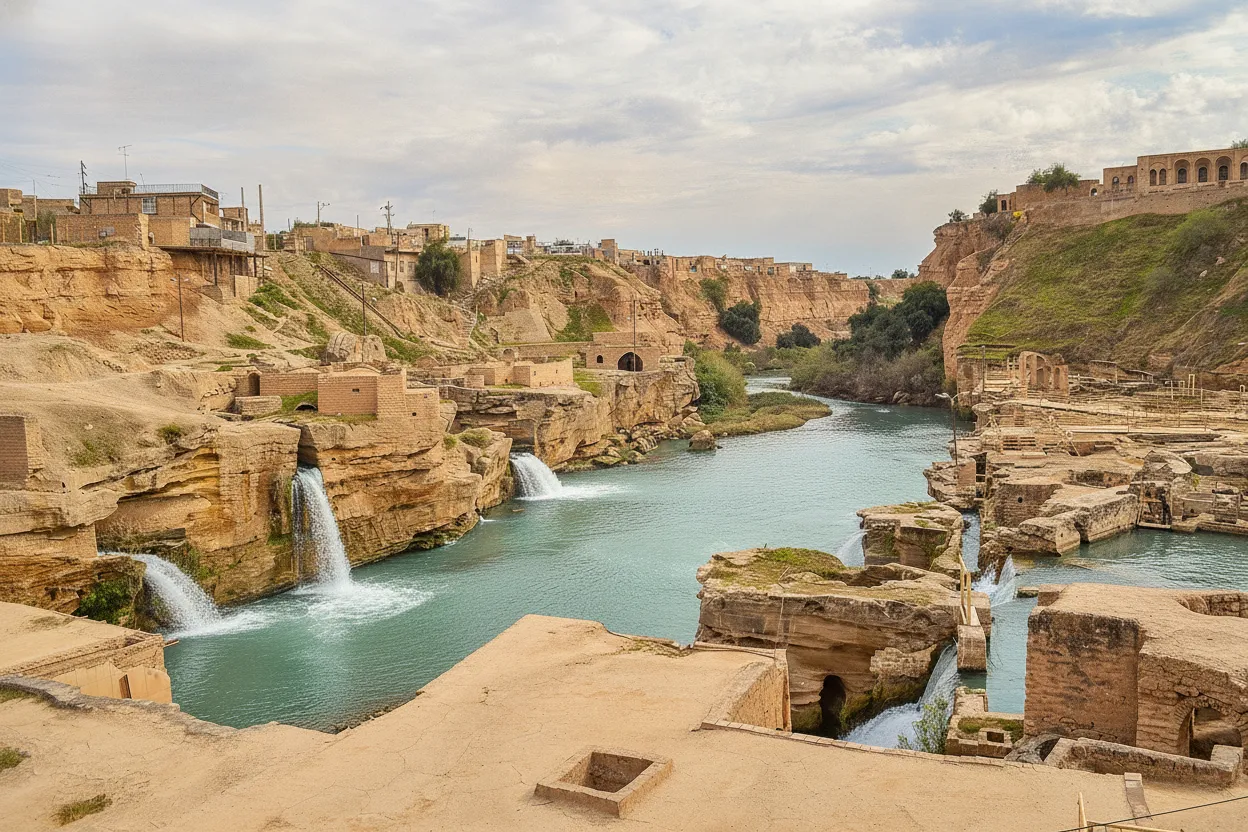
For seventeen centuries, the city of Shushtar, situated in Iran's Khuzestan Province, has drawn its lifeblood from an extraordinary feat of ancient engineering: a colossal hydraulic system of dams, tunnels, canals, and watermills. This isn't a forgotten ruin; it's a continuously operating marvel, a UNESCO World Heritage site that still supplies water to the city and grinds flour today, a living testament to enduring human ingenuity.
Travelers to Iran often seek out the grand mosques of Isfahan or the ancient grandeur of Persepolis, but few discover the functional brilliance that lies within the Shushtar Historical Hydraulic System. It's a place where history isn't just observed; it's actively flowing, churning, and shaping the landscape as it has for over a millennium and a half. Visiting Shushtar offers a unique window into a past where sustainable engineering was not just an ideal, but a necessity that was mastered with breathtaking precision.
A Living Engine of Ancient Ingenuity
What sets the Shushtar Historical Hydraulic System apart from many other ancient sites is its remarkable state of preservation and, crucially, its ongoing utility. This isn't merely a collection of impressive structures; it's an integrated, interconnected network designed to harness the Karun River's power. Imagine standing beside ancient watermills, hearing the rhythmic groan of the wooden gears, and watching the water cascade through channels carved by hands that lived 1,700 years ago. This entire complex operates as a single, multi-purpose system for urban water supply, irrigation, milling, and even transportation, all powered by gravity and the relentless flow of the river.
The system's designation as a UNESCO World Heritage site in 2009 recognized its extraordinary universal value as a masterpiece of creative genius. It represents a unique and unparalleled example of hydraulic engineering from the Sasanian era, showcasing sophisticated knowledge of geology, hydrology, and construction techniques that were far ahead of their time. It's a place that compels you to consider the intelligence and foresight of ancient civilizations, proving that grand engineering projects could be both monumental and remarkably sustainable.
Echoes of the Sasanian Empire: A Brief History
The origins of the Shushtar Historical Hydraulic System stretch back to the Sasanian Empire, a powerful Persian dynasty that reigned from the 3rd to the 7th century CE. While earlier irrigation efforts existed, the system as we largely see it today was significantly developed, and some accounts suggest, completed during the reign of Shapur I (240–270 CE). Legend, and indeed historical evidence, tells a fascinating tale of its construction, involving Roman prisoners of war, including the Roman Emperor Valerian himself, who was captured by Shapur I in 260 CE.
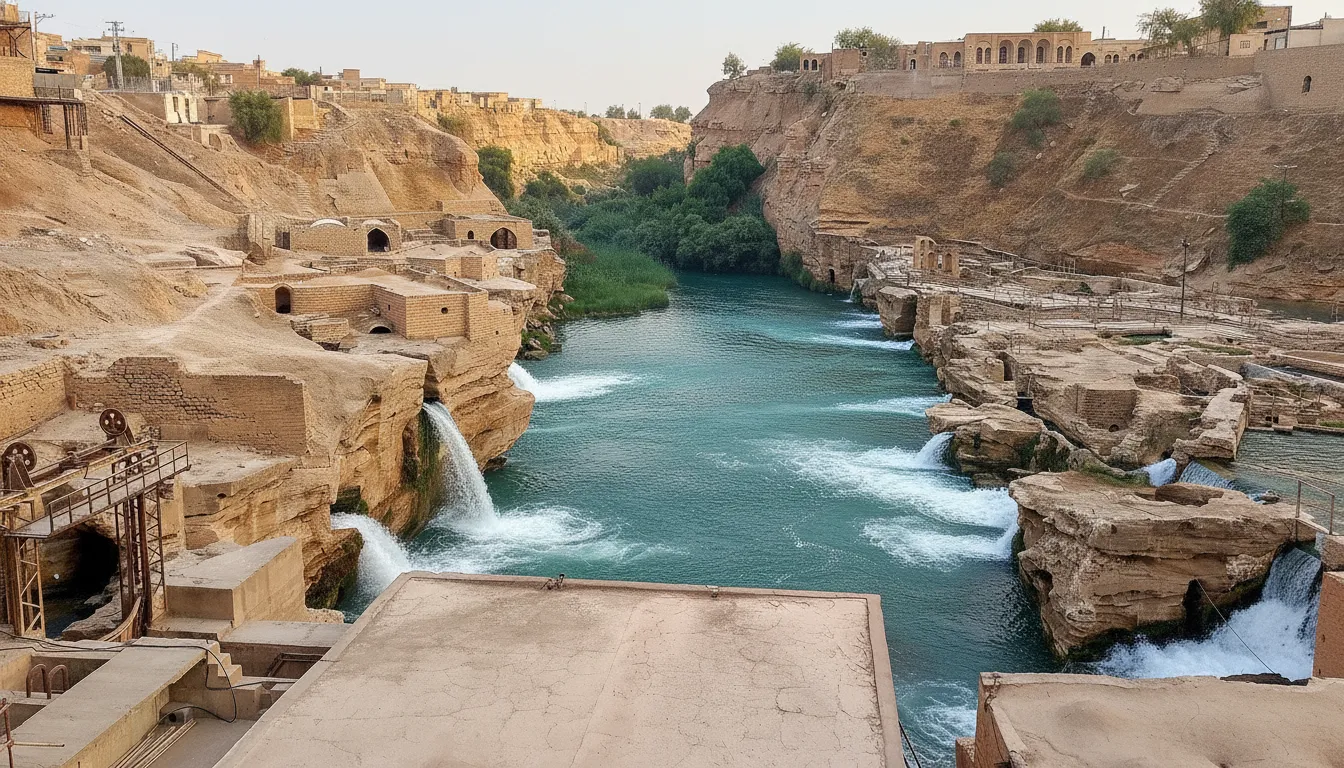
These Roman engineers, along with Persian masters, were put to work constructing the monumental Grand Weir, known as Band-e Kaisar (Caesar's Dam). This massive arched stone dam, built across the Karun River, was crucial. It diverted water into a series of tunnels and canals, feeding the city's various needs. Over the centuries, subsequent Islamic eras saw additions and modifications, but the core design and functionality remained largely intact. The system survived invasions, natural disasters, and the passage of empires, a testament to its robust construction and the continuous efforts of local communities to maintain it.
The strategic location of Shushtar, at the confluence of the Karun and Gargar rivers, made it a vital agricultural and trade center. The hydraulic system was not just about water; it was about power, prosperity, and the very survival of the city in a semi-arid region. It transformed the surrounding lands into fertile fields, supported a thriving population, and facilitated trade, cementing Shushtar's importance for centuries.
Exploring the Labyrinth: What You'll Discover
A visit to the Shushtar Historical Hydraulic System is an immersive journey. You don't just observe; you walk through its veins, feel its pulse, and hear its constant murmur. Start your exploration at the main complex, often referred to as the Watermills and Waterfalls area.
Here, you'll witness the heart of the system. Water, diverted from the Gargar River (a man-made canal itself, part of the larger system), flows into a series of subterranean channels. These channels feed dozens of ancient watermills, some still grinding grain today. The rhythmic clatter and splash of the waterwheels are mesmerizing. You can descend into the cool, damp chambers where the millstones turn, feeling the vibrations of centuries of continuous operation. The ingenuity of how the water is precisely controlled and distributed to each mill is astonishing.
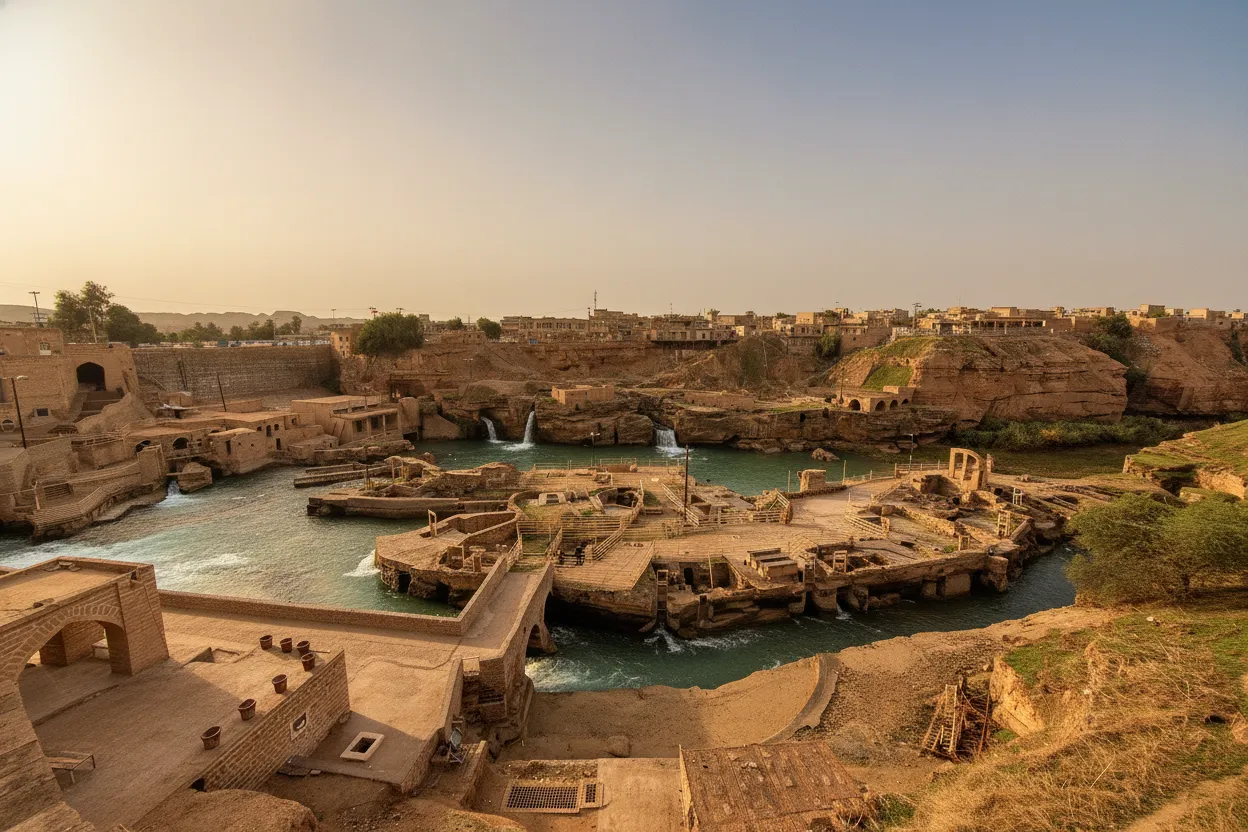
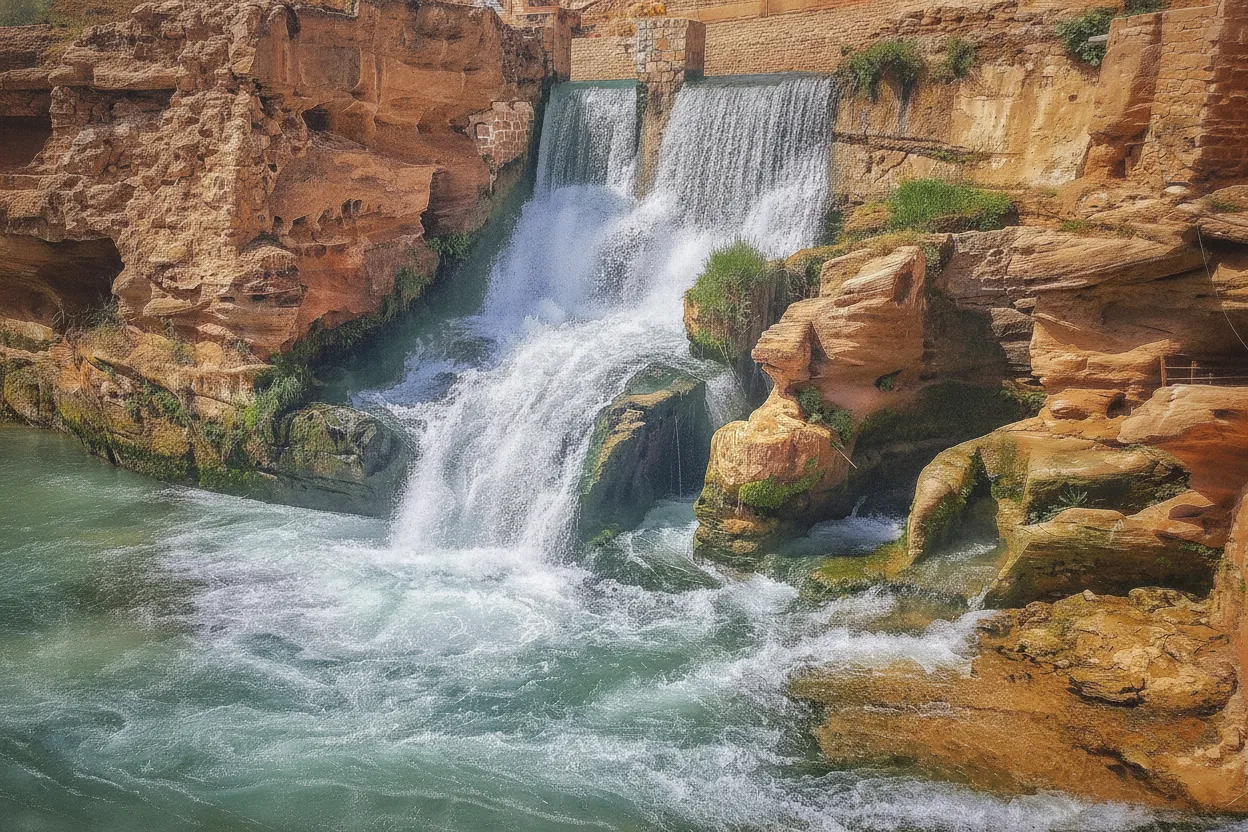
Beyond the mills, the water elegantly cascades out of the tunnels, creating a series of picturesque waterfalls that tumble into a basin below, eventually rejoining the Karun River. This dramatic exit point is not just beautiful; it's a functional discharge, allowing excess water to flow back into the main river. The sight of these ancient cascades, framed by the old city structures, is particularly striking, especially at sunset.
Venturing further, you can explore the network of subterranean tunnels and channels. These narrow passages, carved into the rock, reveal the meticulous planning and construction. Some sections are open to visitors, allowing you to walk through the cool, dark corridors where water once flowed, feeling the ancient stone walls and marveling at the sheer scale of the excavation.
Don't miss the Band-e Kaisar, or Caesar's Dam, though much of it is now submerged or integrated into modern structures. Its historical significance as a Roman-built structure in Persia is immense. Other key components include the Band-e Mizan (Balance Dam), which regulated water distribution between the Gargar and Karun rivers, and various bridges and smaller dams that crisscross the landscape, all part of this intricate hydraulic puzzle.
Wandering through Shushtar itself, you'll notice how the system integrates into the urban fabric. Ancient qanats (underground aqueducts) and water distribution channels still run beneath the city, providing water to homes and gardens, a tangible connection to the past that continues to serve the present.
Practical Tips for Your Visit
Visiting the Shushtar Historical Hydraulic System is an unforgettable experience, but a little planning goes a long way.
Best Time to Visit: The Khuzestan Province can get extremely hot in summer. The ideal time to visit is during the cooler months, from late autumn (October/November) through early spring (March/April). The weather is pleasant, making exploration much more comfortable.
How to Get There: The nearest major airport is Ahvaz International Airport (AWZ), about 90 kilometers away. From Ahvaz, you can hire a private taxi or take a shared taxi (savari) to Shushtar. The journey takes approximately 1.5 to 2 hours. Buses also connect Ahvaz to Shushtar.
Getting Around: The main hydraulic system complex is walkable. For exploring other parts of the system or the city, taxis are readily available and affordable. Consider hiring a local guide, especially one knowledgeable about the hydraulic system, to fully appreciate its complexities and history. They can often provide access to areas not easily found by independent travelers.
What to Wear: Iran has a modest dress code. For women, a headscarf is required, and loose-fitting clothing that covers arms and legs is appropriate. Men should wear long trousers. Comfortable walking shoes are a must, as you'll be doing a lot of exploring on uneven surfaces.
Where to Stay & Eat: Shushtar offers a range of guesthouses and small hotels. Look for traditional guesthouses for an authentic experience. Local restaurants serve delicious Iranian cuisine, with a focus on regional specialties. Don't miss the local stews and fresh bread.
Respect Local Customs: Iranians are known for their hospitality. A smile and a few Farsi phrases (hello, thank you) will go a long way. Be respectful of local customs and traditions.
The Shushtar Historical Hydraulic System isn't just an archaeological site; it's a living, breathing marvel of ancient engineering that continues to shape modern life. It offers a profound insight into human ingenuity and resilience, a place where the past isn't just remembered, but actively experienced. For those seeking an off-the-beaten-path adventure that combines history, engineering, and cultural immersion, Shushtar is a truly remarkable destination.
Essential Travel Information
- Location Shushtar Historical Hydraulic System, Iran
- Best Time October to April (avoid summer heat)
- Getting There Fly to Ahvaz (AWZ), then private taxi or shared taxi (savari) to Shushtar (approx. 1.5-2 hours).
- Airport Ahvaz International Airport (AWZ)
- Budget Budget/Mid-range with approximate daily cost of $50-100 (excluding international flights)
- Language Persian (Farsi)
Find Places to Stay Near Shushtar Historical Hydraulic System
Compare hotels, hostels, and unique stays in Iran.
Search AccommodationTours & Experiences Near Shushtar Historical Hydraulic System
Book guided tours, day trips, and unique experiences.
Browse Tours