
Imagine a language so ancient and ingenious, it can travel miles across deep ravines, turning human speech into melodic birdsong. This isn't a fantasy from a forgotten age; it's a living, breathing marvel you can experience today on one of Spain's most enchanting islands. Tucked away in the wild, volcanic heart of the Canary Islands, La Gomera holds a secret that will utterly captivate your imagination: Silbo Gomero, the whistling language of its people. Prepare to have your understanding of human communication stretched and redefined, as we journey to a place where words take flight on the wind.
The Whispers of the Wind: What Makes Silbo Gomero So Special?
In a world increasingly dominated by digital chatter, the pure, unadulterated ingenuity of Silbo Gomero stands out as a testament to human adaptability. This isn't merely a collection of whistles or a simplified code; it's a fully functional, sophisticated rendition of spoken Spanish, meticulously translated into a series of distinct whistles. Think about that for a moment: every vowel, every consonant, every nuance of the Spanish language can be conveyed through the precise modulation of a whistled sound. It's a linguistic masterpiece born out of necessity, perfected over centuries.
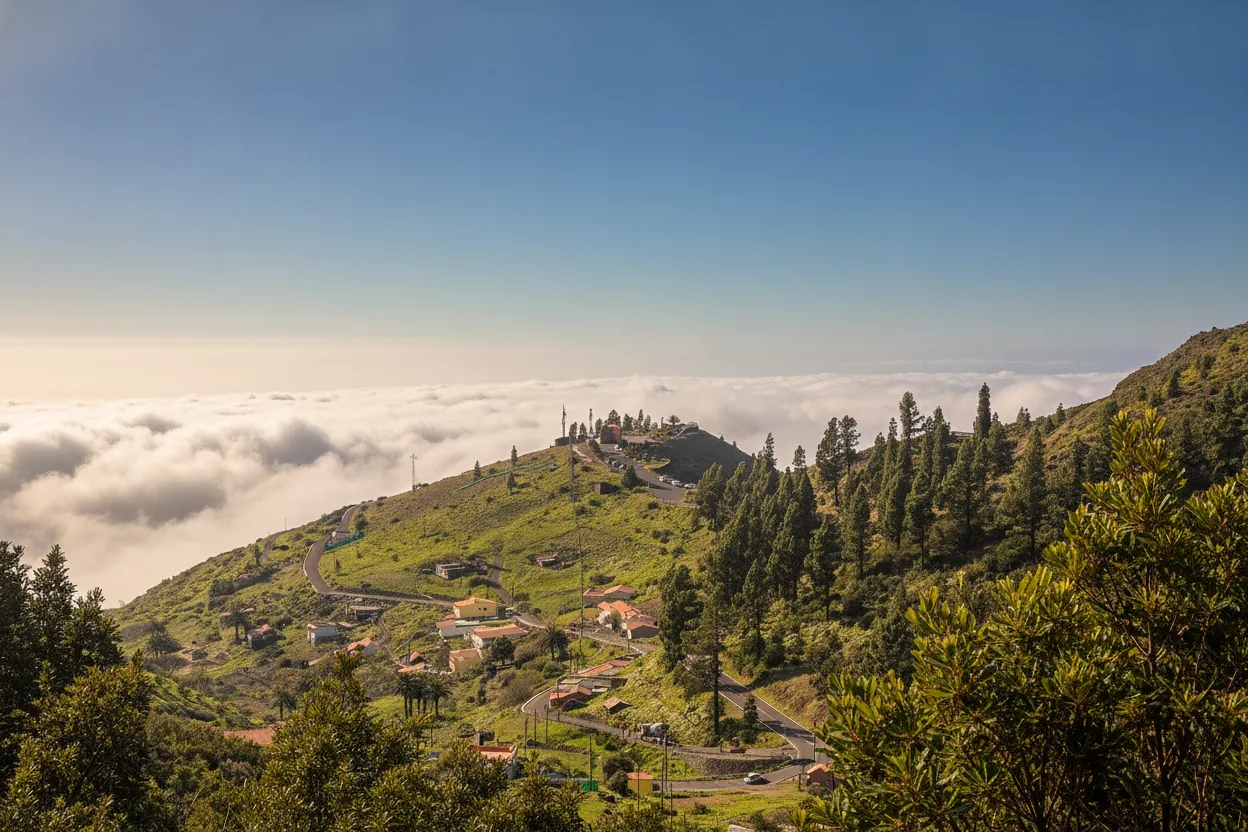
The magic lies in its practical application. La Gomera is an island of dramatic, undulating terrain – deep barrancos (ravines) carve through its landscape, making direct spoken communication almost impossible over any significant distance. But a whistle? A strong, clear whistle can cut through the air, echoing across valleys and ascending steep slopes, carrying messages up to two miles away. Farmers could coordinate, shepherds could guide their flocks, and communities could share news without ever needing to traverse treacherous paths. It’s a natural, organic form of long-distance communication, predating telephones and radios by millennia.
What truly elevates Silbo Gomero beyond a historical curiosity is its vibrant presence in modern life. In 2009, UNESCO recognized Silbo Gomero as a Masterpiece of the Oral and Intangible Heritage of Humanity, a crucial step in preserving this unique tradition. But more importantly, the islanders themselves have embraced its legacy. Silbo Gomero isn't just taught in museums; it's a mandatory subject in La Gomera's schools. Imagine children learning to whistle entire conversations, connecting with an ancestral skill that is as relevant today as it was hundreds of years ago. It’s a living language, a cultural heartbeat that continues to echo across the island's magnificent landscapes.
A Whistle Through Time: History and Background
The roots of Silbo Gomero stretch back further than you might imagine, long before the arrival of the Spanish. Its origins are believed to be pre-Hispanic, developed by the indigenous Guanches who inhabited the Canary Islands. Faced with the challenging topography of La Gomera, they devised a system to communicate across its formidable ravines. When the Castilian conquerors arrived in the 15th century, the islanders cleverly adapted their existing whistling language to the new tongue, Spanish, ensuring its survival and continued utility. This adaptation is a testament to the language's inherent flexibility and the ingenuity of the Gomeran people.
For centuries, Silbo Gomero thrived, an indispensable tool for daily life on the island. However, as modern infrastructure developed – roads, telephones, and eventually the internet – its practical necessity began to wane. By the mid-20th century, the language faced a real threat of extinction, known only to a dwindling number of older islanders. It was a poignant moment, as a millennia-old tradition teetered on the brink of being lost forever.
Thankfully, the people of La Gomera, recognizing the immense cultural value and historical significance of Silbo Gomero, rallied to save it. A concerted effort, spearheaded by local authorities and educators, led to its reintroduction into the school curriculum in the late 1990s. This proactive approach, combined with the UNESCO recognition, breathed new life into the ancient language. Today, you'll find generations, from young children to their grandparents, who can fluently communicate in whistles, ensuring that the unique voice of La Gomera continues to resonate far into the future.
Experiencing the Melodies of La Gomera: What You'll See There
Visiting La Gomera is an adventure in itself, a journey to an island less trodden, where nature reigns supreme and ancient traditions whisper from the hills. And when you're there, experiencing Silbo Gomero firsthand is nothing short of magical. While it’s primarily taught in schools, there are several ways for visitors to witness this incredible linguistic art.
Many local restaurants, particularly in the more traditional towns like Agulo or Hermigua, offer live demonstrations of Silbo Gomero during meal times. Imagine savoring delicious Canarian cuisine as a "silbador" (whistler) communicates complex messages across the dining room, or even out into the valley, transforming your dinner into an unforgettable cultural immersion. These demonstrations are not just performances; they are a vibrant display of a living heritage, often accompanied by explanations of how the language works.
Beyond the demonstrations, simply being on La Gomera allows you to appreciate the context in which Silbo Gomero evolved. Hike through the mystical, cloud-kissed laurel forests of Garajonay National Park – another UNESCO World Heritage site – and you'll immediately understand the challenges of communication across such dense, rugged terrain. Explore the charming villages clinging to hillsides, and you might even hear the distant, melodic calls of locals exchanging messages, an authentic echo of centuries past.
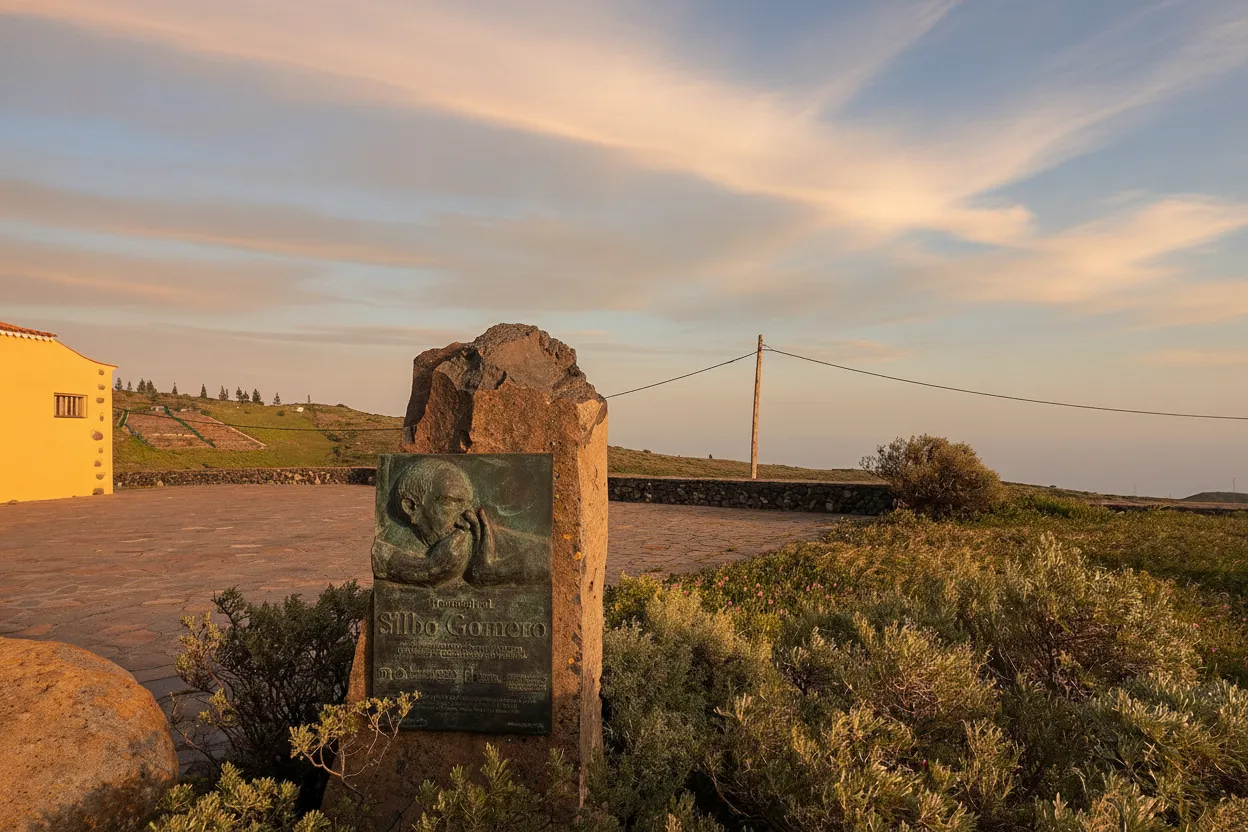
For those eager to delve deeper, some cultural centers or specialized tour operators offer workshops or introductory classes for visitors. While you won't become fluent in a day, these sessions provide fascinating insights into the mechanics of the language and a chance to try your hand (or rather, your lips) at producing some basic whistled sounds. It's an opportunity to connect with the island's soul in a truly unique way, moving beyond typical tourist experiences to something profoundly authentic.
Your Journey to the Whistling Island: Practical Visit Tips
Getting to La Gomera is part of the adventure, as the island doesn't have an international airport. The most common route is to fly into Tenerife South Airport (TFS), then take a scenic ferry ride from Los Cristianos to San Sebastián de La Gomera, the island's capital. The ferry journey itself offers stunning views of both islands and takes about 50 minutes to an hour.
The best time to visit La Gomera is during the shoulder seasons (spring: April-May, or autumn: September-October). The weather is pleasantly warm, ideal for hiking and exploring, and the island is less crowded than during peak summer months. Winter is also lovely, with mild temperatures, though you might encounter more rain in the northern, higher regions.
Accommodation options range from charming rural hotels and guesthouses (casas rurales) to apartment rentals and a few larger hotels in San Sebastián and Valle Gran Rey. Renting a car is highly recommended for exploring the island's winding roads and accessing its hidden gems, but a good network of local buses (guaguas) also connects the main towns.
To experience Silbo Gomero, inquire at local tourist information centers or check with your accommodation for schedules of restaurant demonstrations. Many of these are advertised locally. Don't be afraid to ask locals; their pride in their heritage means they're often eager to share information. Beyond the whistling language, make sure to explore Garajonay National Park, enjoy the black sand beaches, and savor the local cuisine, including almogrote (a strong cheese paste) and fresh fish.
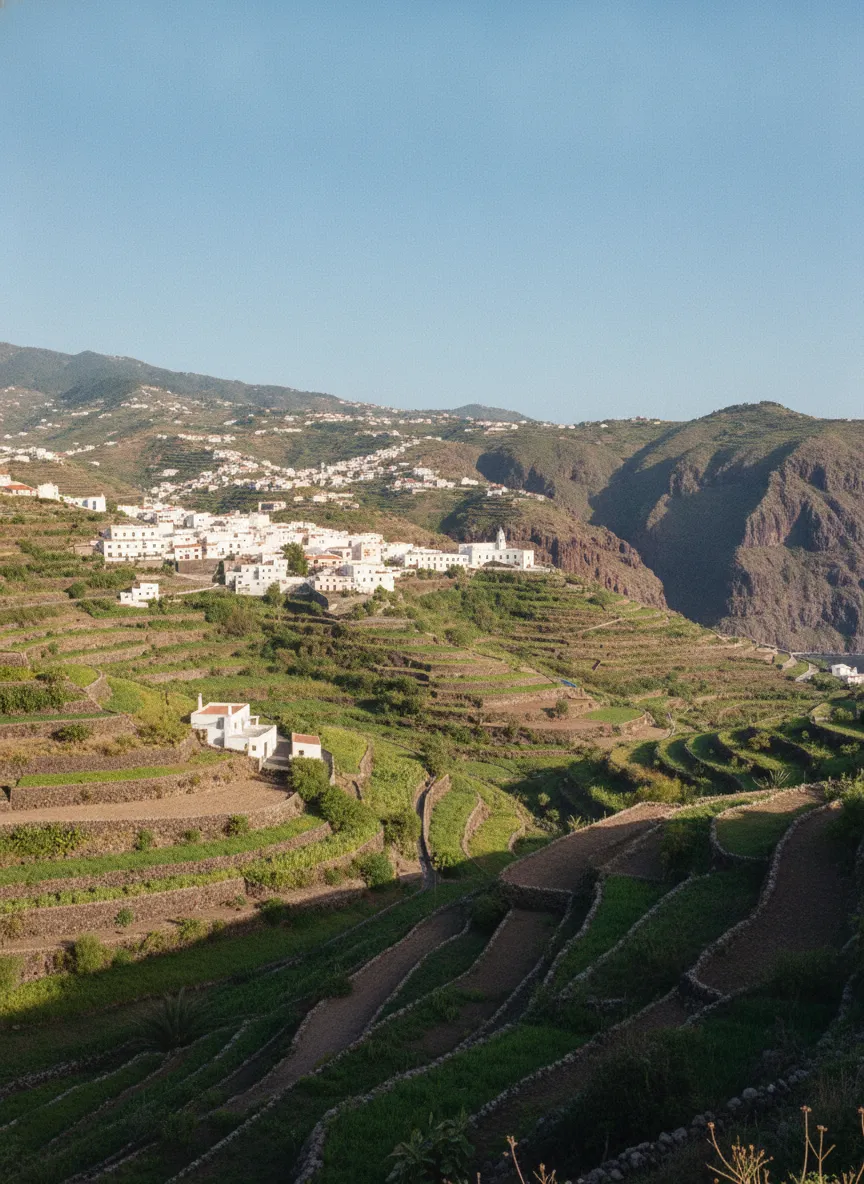
La Gomera is more than just a beautiful island; it's a living museum of human ingenuity, a place where an ancient language continues to thrive against all odds. Visiting this hidden gem and witnessing Silbo Gomero is an experience that will stay with you long after you've left its shores, a melodic reminder of the incredible diversity and resilience of human culture. So, pack your bags, open your ears, and prepare to be whistled away by the magic of La Gomera.
Essential Travel Information
- Location Silbo Gomero (Whistling Language of La Gomera), Spain
- Best Time April-May (Spring) or September-October (Autumn)
- Getting There Fly to Tenerife South Airport (TFS), then take a ferry from Los Cristianos to San Sebastián de La Gomera.
- Airport Tenerife South Airport (TFS)
- Budget Mid-range, approximate daily cost €80-€150 (excluding flights)
- Language Spanish, Silbo Gomero
Find Places to Stay Near Silbo Gomero (Whistling Language of La Gomera)
Compare hotels, hostels, and unique stays in Spain.
Search AccommodationTours & Experiences Near Silbo Gomero (Whistling Language of La Gomera)
Book guided tours, day trips, and unique experiences.
Browse Tours