What Makes Sima de las Cotorras So Special?
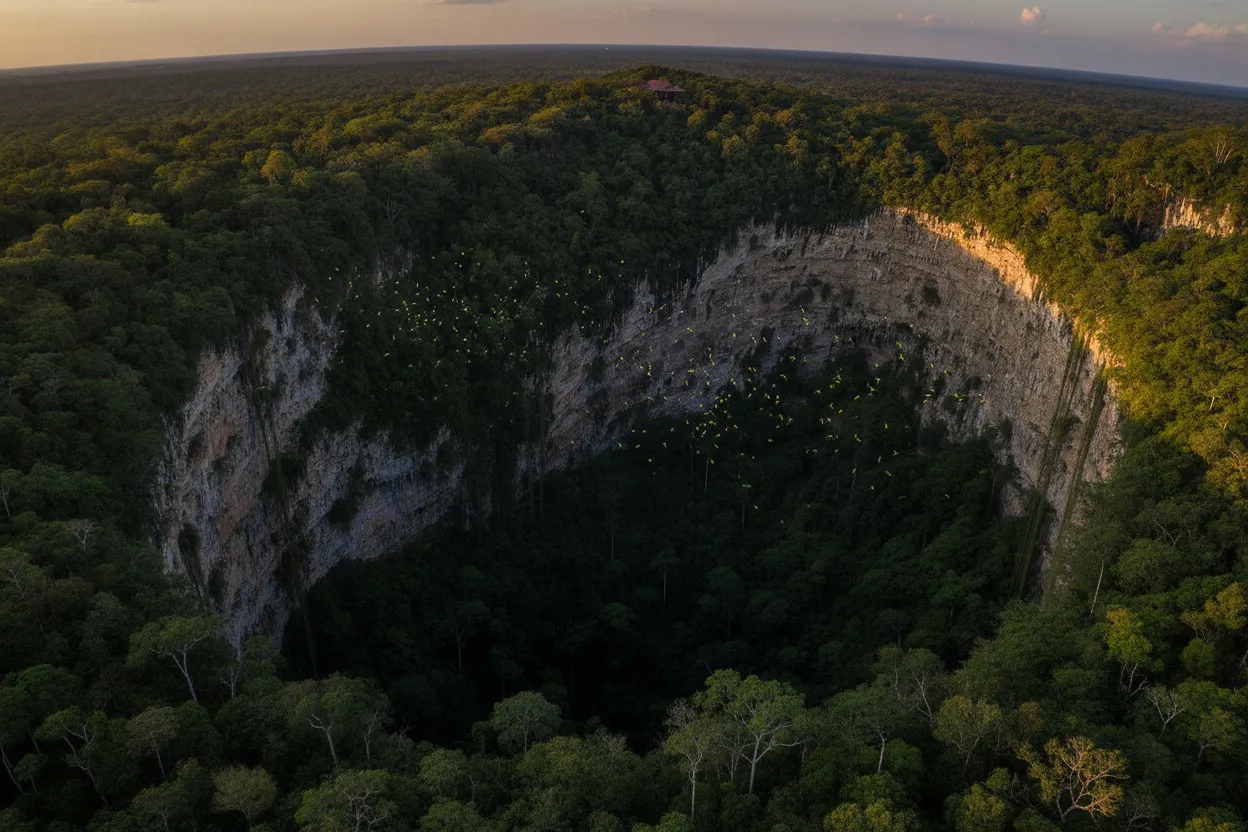
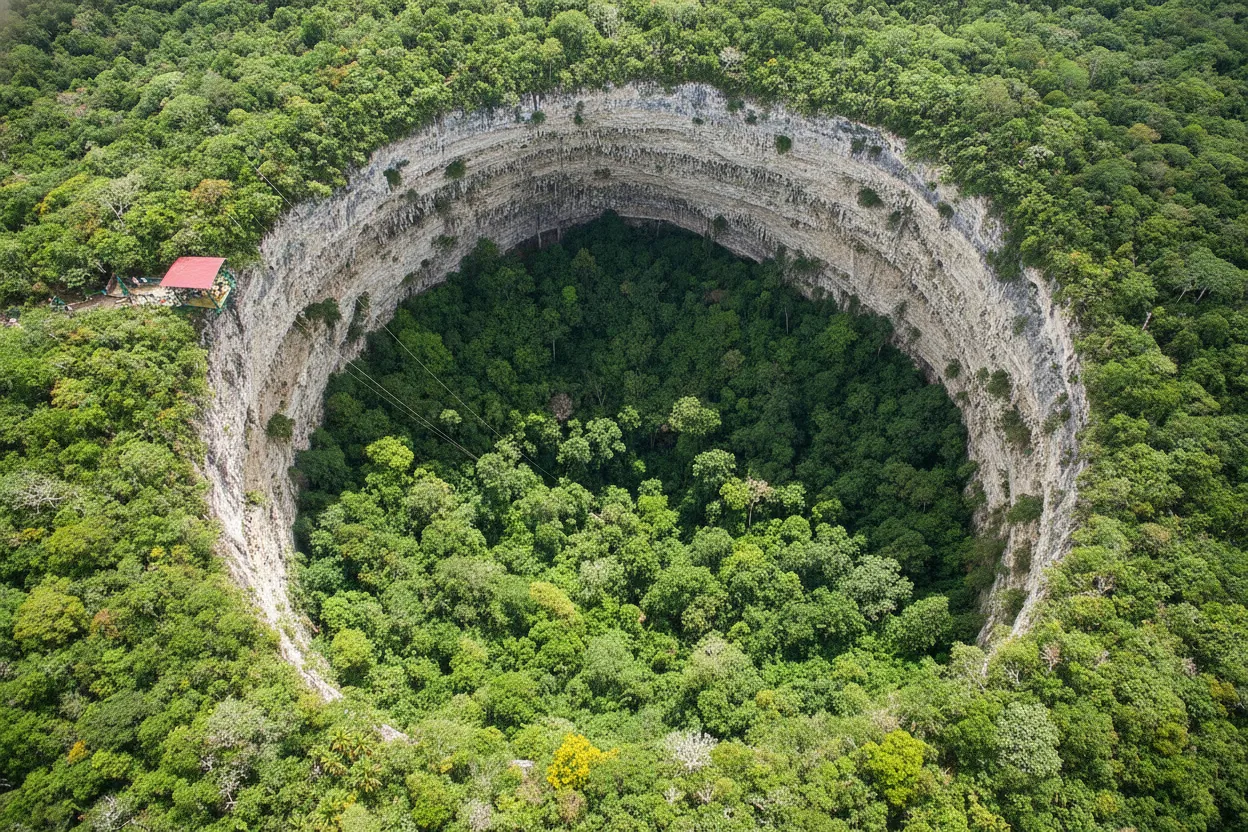
Sima de las Cotorras, which literally translates to "Sinkhole of the Parakeets," is more than just a name; it's a promise of an extraordinary spectacle. This isn't just any hole in the ground; it's a geological masterpiece, a massive circular sinkhole measuring an astonishing 160 meters in diameter and plunging a dizzying 140 meters deep. To put that into perspective, imagine a football field dropping straight down into the earth, then growing a vibrant, self-contained mini-forest at its base. Yes, within this colossal chasm, a lush ecosystem thrives, boasting trees that reach towards the sky, fed by the unique microclimate created by the sinkhole's immense depth.But the true magic, the phenomenon that draws visitors from around the globe, is the daily avian ballet. Every morning, as the sun begins to kiss the horizon, thousands upon thousands of emerald-green parakeets (cotorras) burst forth from the sinkhole's depths, spiraling upwards in a cacophony of squawks and a blur of vibrant wings. They ascend to forage in the surrounding jungle, only to return en masse at sunset, a swirling, green vortex descending back into their natural, protected dormitory. It’s an unforgettable, goosebump-inducing display of nature's raw power and beauty, a wildlife spectacle that feels almost primeval.
Yet, Sima de las Cotorras holds another, even deeper secret. Its sheer, ochre-colored walls serve as an unexpected canvas for ancient human history. Etched and painted onto these geological formations are pre-Hispanic petroglyphs and pictographs, silent testaments to the indigenous cultures who once inhabited this region. These ancient artworks depict warriors, mysterious hands, and various animals, transforming a natural wonder into an open-air museum of human expression and belief. It’s this unique confluence of dramatic geology, vibrant wildlife, and profound ancient history that truly sets Sima de las Cotorras apart as an unparalleled hidden destination.
A Canvas of Ancient Echoes: History and Background
The rock art adorning the walls of Sima de las Cotorras offers a tantalizing glimpse into the minds and lives of the pre-Hispanic peoples who once roamed these lands. While the exact age and cultural affiliation of all the art are still subjects of ongoing study, many of the depictions are attributed to Zoque and Maya cultures, dating back potentially over a thousand years. Imagine the individuals who, centuries ago, ventured to this very sinkhole, perhaps rappelling down its perilous walls or navigating its base, to leave their indelible mark.What compelled them to create these masterpieces in such a dramatic, secluded location? Was it a sacred site, a place where the earthly realm met the underworld, a portal for spiritual journeys? The depictions themselves offer clues: warriors, perhaps celebrating victories or seeking spiritual strength; hands, a universal symbol of human presence, creativity, or even prayer; and animals, likely representing deities, spirits, or important aspects of their daily lives and cosmology. The sheer effort involved in creating these artworks in such a challenging environment suggests a profound reverence for the sinkhole itself.
Archaeologists and historians continue to unravel the mysteries held within these ancient paintings. They tell a story of human connection to nature, of spiritual beliefs intertwined with the landscape, and of the enduring legacy of cultures that thrived long before modern civilization. Standing at the base of the sinkhole, gazing up at these millennia-old images, you can almost hear the echoes of their rituals, their stories, and their wonder at this extraordinary place. It’s a powerful reminder that while the parakeets provide the daily spectacle, the human spirit has long found inspiration and meaning in the depths of Sima de las Cotorras.
Experiencing the Marvel: What You'll See and Do
Your adventure at Sima de las Cotorras truly begins the moment you approach its rim. The first glimpse into the abyss is often met with a gasp – the sheer scale is simply breathtaking. From the various viewing platforms strategically placed around the edge, you can peer down into the lush mini-forest below, a vibrant green carpet framed by towering, ancient walls.Of course, the star attraction is the parakeet spectacle. To witness this, you’ll need to plan your visit for either sunrise or sunset. As dawn breaks, find a good spot along the rim, binoculars in hand. The first sign is usually the growing chatter from below, a low hum that gradually builds into a crescendo. Then, they emerge – a swirling, emerald torrent of thousands of birds, spiraling upwards against the brightening sky. It’s a sensory overload: the intense green of their feathers, the rush of air from their wings, and the deafening chorus of their calls. Similarly, at dusk, you’ll witness the reverse, an equally mesmerizing spectacle as they descend in unison, disappearing into the sinkhole's depths for the night.
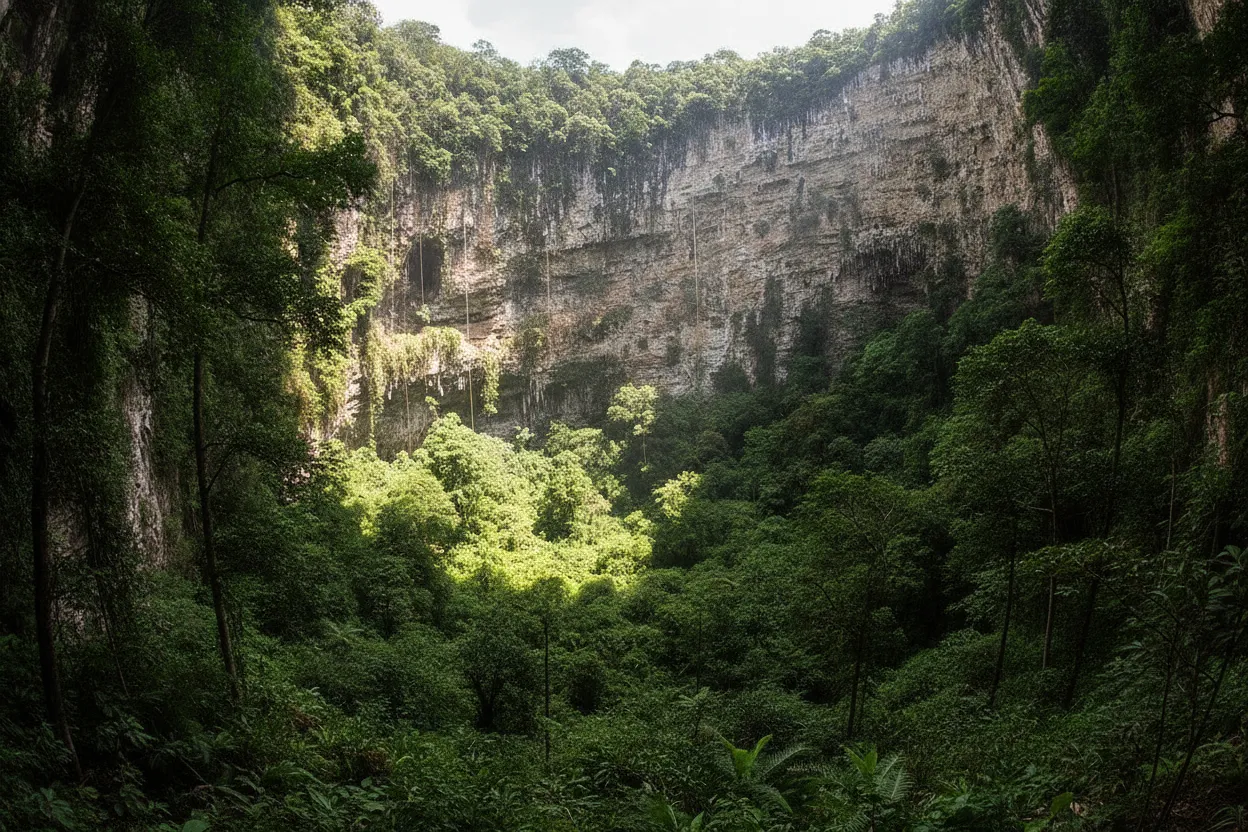
But the experience doesn't end at the rim. For the more adventurous, there's a path that winds its way down into the sinkhole itself. The descent can be steep and rugged in parts, but it’s an incredibly rewarding journey. Once at the base, you'll find yourself immersed in a unique subterranean forest, a world apart from the jungle above. Here, you can truly appreciate the scale of the sinkhole and feel the cool, damp air. This is where you'll get up close and personal with the ancient rock art. Follow a local guide who can point out the various paintings and share their interpretations, bringing the ancient stories to life. Seeing these intricate depictions of warriors, hands, and animals illuminated by the dappled light filtering from above is an incredibly moving experience.
For the truly intrepid, Sima de las Cotorras also offers opportunities for rappelling down its sheer walls, an exhilarating way to experience its immense verticality (usually requiring specialized tour operators). Even if you stick to the viewing platforms and the hike to the base, the sheer majesty of this place – the vibrant wildlife, the geological grandeur, and the whispers of ancient history – will leave an indelible mark on your soul. It’s a place that engages all your senses and reminds you of the profound wonders our planet holds.
Practical Tips for Your Sima de las Cotorras Adventure
Ready to embark on your journey to this extraordinary hidden destination? Here are some practical tips to help you make the most of your visit to Sima de las Cotorras:Getting There: Sima de las Cotorras is located in a rural area of Chiapas, roughly 1.5 to 2 hours drive from Tuxtla Gutiérrez, the state capital. The nearest larger town is Ocozocoautla de Espinosa. While the main roads are paved, the final stretch to the sinkhole is often on unpaved, sometimes rough, dirt roads. A 4x4 vehicle is recommended, especially during the rainy season, but a regular car can manage in the dry season if driven carefully. Many visitors opt for organized tours from Tuxtla Gutiérrez or San Cristóbal de las Casas, which handle transportation and often include a guide.
Best Time to Visit: The dry season (roughly November to May) is generally the best time to visit, as the roads will be in better condition and the weather more predictable. To witness the parakeet spectacle, you must arrive either at sunrise (around 6:00 AM - 7:00 AM) or sunset (around 5:00 PM - 6:00 PM). Confirm exact times locally as they vary throughout the year. Visiting during the middle of the day is still rewarding for seeing the sinkhole and rock art, but you'll miss the main avian event.
What to Bring:
- Camera and Binoculars: Essential for capturing the parakeet spectacle and getting a closer look at the rock art.
- Comfortable Hiking Shoes: The path to the bottom of the sinkhole can be steep and uneven.
- Water and Snacks: While there might be basic stalls selling refreshments, it's best to bring your own.
- Sun Protection: Hat, sunglasses, and sunscreen are crucial, especially if you're there for sunrise/sunset or hiking during the day.
- Insect Repellent: It's a jungle environment, so mosquitoes and other insects are present.
- Light Jacket or Sweater: Mornings and evenings can be cool, especially at the rim.
- Small Backpack: To carry your essentials.
Facilities and Guides: There’s usually an entrance fee to the site, which goes towards its maintenance and the local community. Basic restrooms may be available. Local guides are often available at the entrance and are highly recommended. They can provide invaluable insights into the history, geology, and ecology of the sinkhole, and help you locate the best vantage points for the rock art. Supporting local guides also directly benefits the community.
Respecting the Site: Please remember to leave no trace. Pack out everything you pack in. Do not touch the rock paintings, as the oils from your skin can cause irreparable damage to these ancient treasures. Stay on marked paths and respect the natural environment and local culture.
Sima de las Cotorras is a journey into the heart of Chiapas, offering a unique blend of natural wonder, thrilling wildlife, and profound historical resonance. It’s a place that reminds us of the planet's incredible power to create beauty and the enduring human desire to connect with it. So, if you're craving an adventure that goes beyond the ordinary, a place that truly feels like a discovery, then Sima de las Cotorras is calling your name. Prepare to be amazed, to be inspired, and to carry the memory of thousands of emerald wings long after you've left its colossal depths.
Essential Travel Information
- Location Sima de las Cotorras, Mexico
- Best Time Dry season (November to May) for easier access and clearer skies, specifically sunrise or sunset for the parakeet spectacle.
- Getting There From Tuxtla Gutiérrez or Ocozocoautla, drive towards the community of 'La Cueva' or 'Sima de las Cotorras.' The final stretch involves unpaved roads, often requiring a 4x4 or careful driving; organized tours are a popular option.
- Airport Tuxtla Gutiérrez International Airport (TGZ)
- Budget Mid-range (approx. $50-$100 USD/day, including basic accommodation, transport, entry fees, and local guide if applicable).
- Language Spanish
Find Places to Stay Near Sima de las Cotorras
Compare hotels, hostels, and unique stays in Mexico.
Search AccommodationTours & Experiences Near Sima de las Cotorras
Book guided tours, day trips, and unique experiences.
Browse Tours