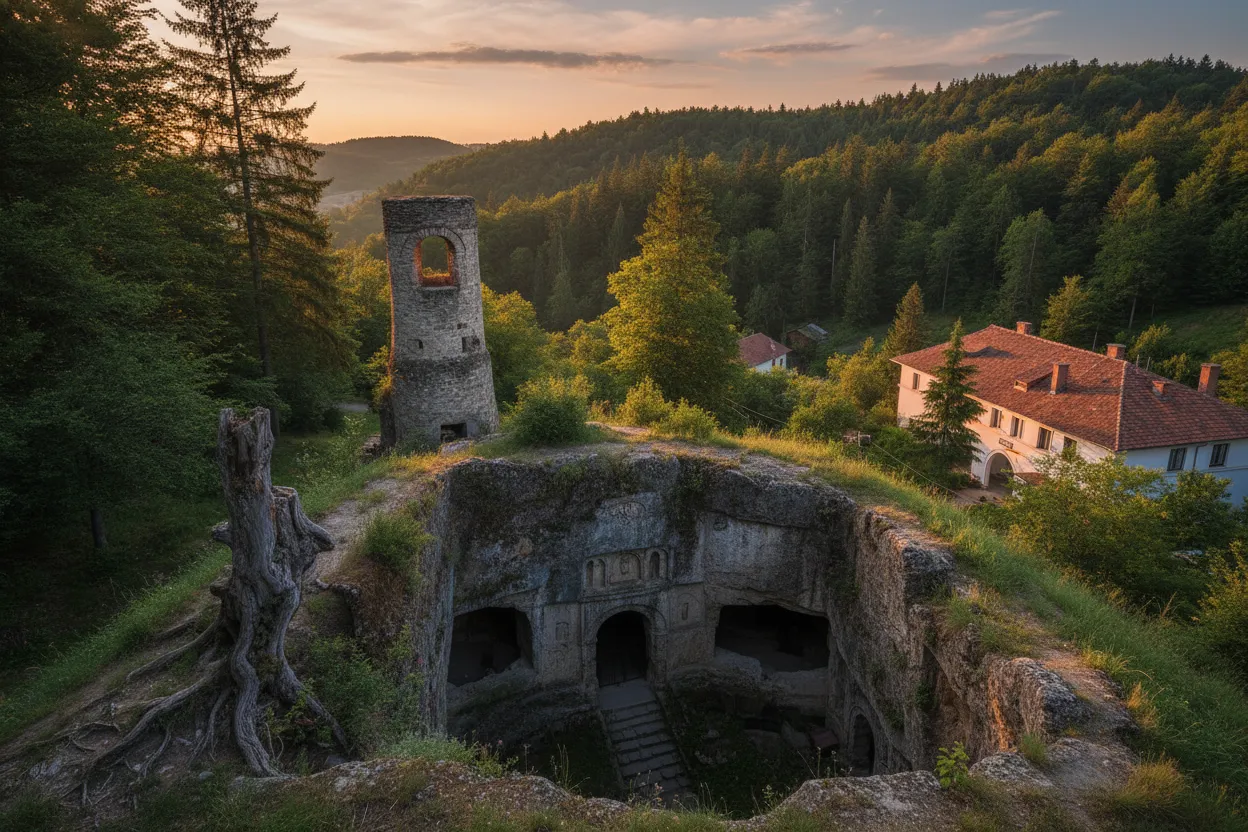
Sinca Veche: A Whisper from the Past, a Riddle for Today
Often referred to as the Temple of Ursitelor, or 'Fairy Temple,' this isn't your typical monastic complex. While an Orthodox monastery now stands above ground, the real marvel lies beneath: a subterranean labyrinth that feels like it belongs to another dimension. This isn't a natural cave system; it's a meticulously carved structure, a testament to an unknown ancient people's ingenuity and spiritual drive. What makes Sinca Veche truly special is its profound sense of mystery. In an age where most historical sites have a well-documented past, Sinca Veche remains an open question, inviting every visitor to become a detective, a philosopher, and a dreamer.
The sheer scale and complexity of the underground temple are breathtaking. Nine distinct rooms, two altars, and an utterly bizarre, open-to-the-sky chimney-like tower pierce the earth, allowing a single beam of light to descend into the darkness. The atmosphere is palpable – a cool, silent embrace that seems to hold centuries of prayers, rituals, and secrets within its ancient walls. It’s a place that transcends mere sightseeing, offering a deeply personal and often spiritual experience that stays with you long after you’ve re-emerged into the sunlight.
Delving into the Depths: Theories and Legends
The history of Sinca Veche is less a timeline and more a tapestry of tantalizing theories. Scholars and archaeologists have debated its age and purpose for decades, each theory adding another layer to its enigmatic charm. Was it a Dacian sanctuary, predating the Roman conquest, used by ancient priests to commune with their gods and the spirits of the land? The Dacians, known for their advanced spiritual practices and reverence for nature, certainly had the skill to create such a structure.
Another compelling theory suggests a Roman pagan sanctuary, perhaps dedicated to Mithras or other syncretic deities, especially given the Roman presence in the region. The layout, with its various chambers and altars, could align with certain ancient pagan rites. Or could it have been an early Christian church, carved in secret to escape persecution, a hidden refuge for forbidden worship? The resemblance to catacombs or early monastic cells is uncanny.
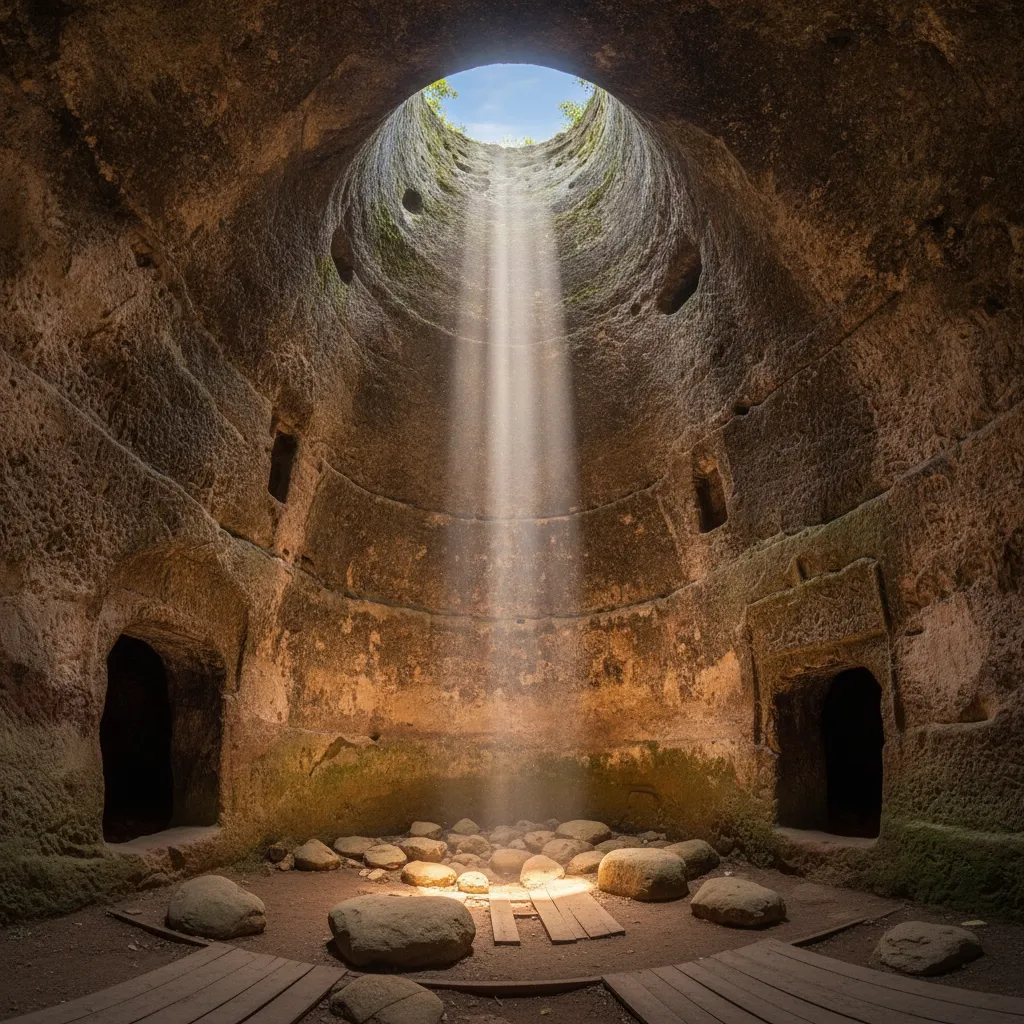
Perhaps the most intriguing theory, however, posits Sinca Veche as a site of unknown esoteric rituals, an energy vortex, or a place of spiritual initiation. The name "Temple of Ursitelor" – 'Fairy Temple' – evokes ancient folklore and a connection to unseen forces. Local legends speak of powerful energies, healing properties, and a sense of timelessness within its stone embrace. The structure itself, particularly the unique open-to-the-sky chimney, seems designed for more than just shelter; it hints at astronomical alignments, a connection to the heavens, or a conduit for spiritual ascent. Stepping into Sinca Veche is stepping into a place where history is fluid, where every stone has a story, and where the truth is left for you to ponder.
Unveiling the Secrets: What Awaits Inside
Your journey into the Temple of Ursitelor begins subtly. The entrance, often a simple opening in the hillside, belies the complex world beneath. As you descend, the temperature drops, and the sounds of the outside world fade, replaced by a profound silence that seems to amplify your own heartbeat. The air is cool, earthy, and carries a faint scent of damp stone and ancient history. You'll navigate through narrow passageways, each turn revealing another of the nine meticulously carved rooms.
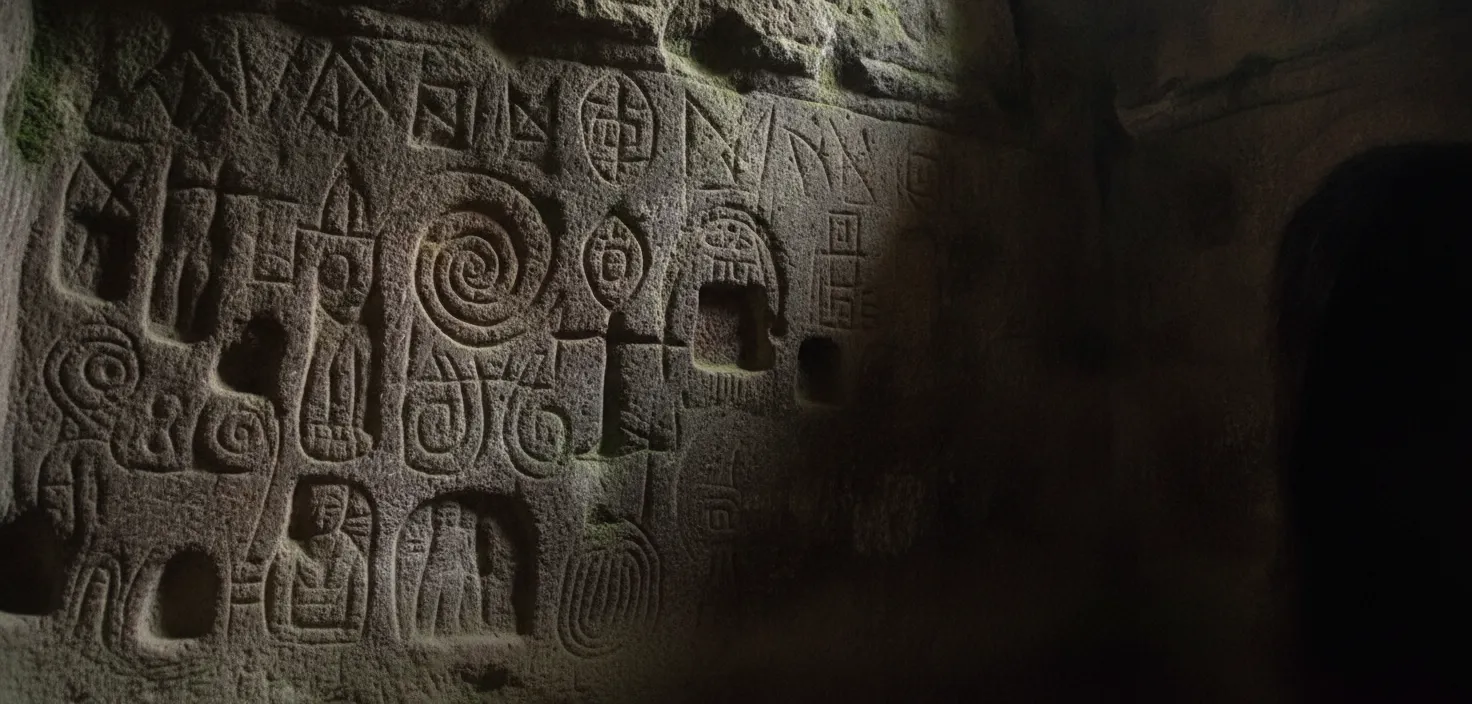
Each chamber, though simple in its construction, exudes a powerful presence. The walls bear the marks of ancient tools, and the smooth, worn surfaces of the two altars hint at countless hands that have touched them over the millennia. You can almost feel the echoes of prayers and ceremonies conducted in these very spaces. The layout is not random; there's a flow, a deliberate design that suggests a process or a journey meant to be undertaken by those who entered.
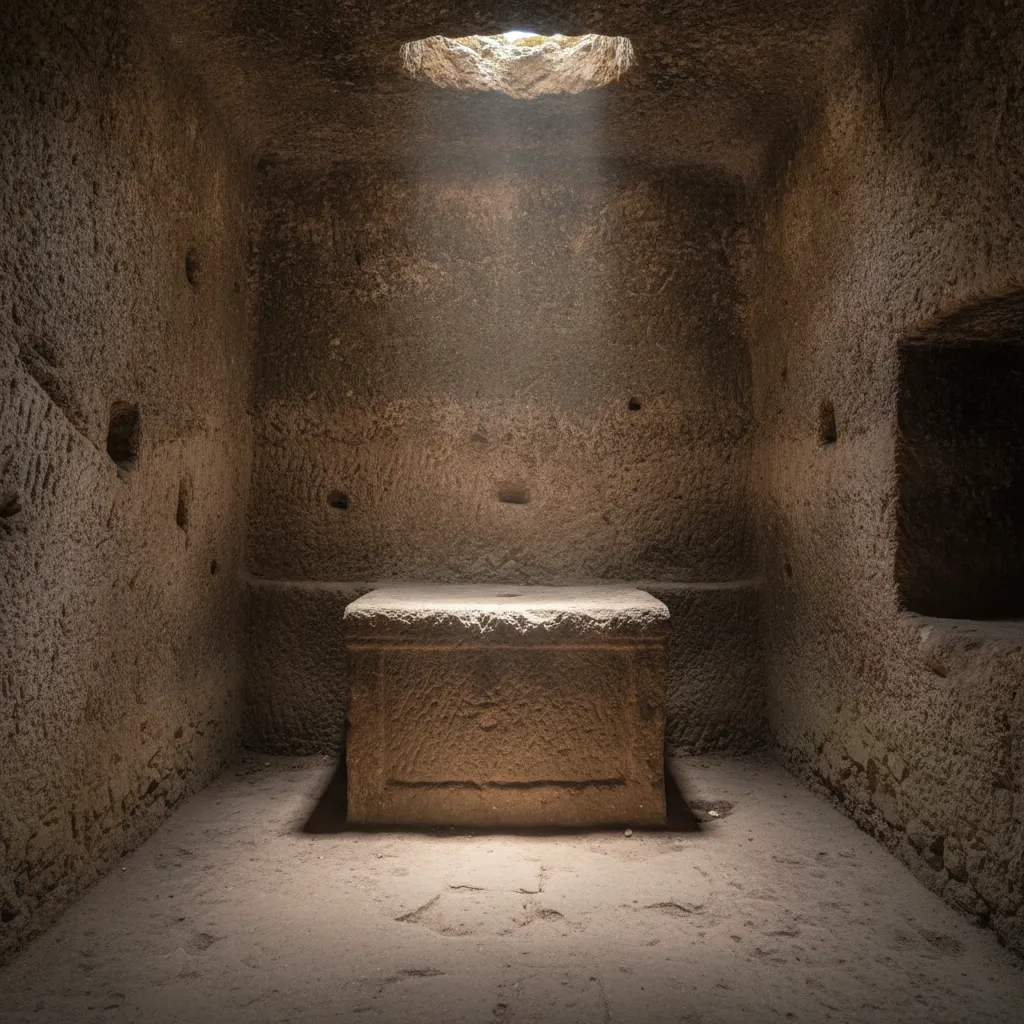
The true highlight, and arguably the most perplexing feature, is the chimney-like tower. Rising vertically through the rock, it opens directly to the sky, allowing a shaft of natural light to penetrate deep into the complex. On a sunny day, this beam of light can be almost ethereal, illuminating dust motes dancing in the ancient air. What was its purpose? A smoke vent? A light source? A sundial? A spiritual conduit for connecting with the cosmos? The possibilities are endless, and the wonder it inspires is immense. Standing beneath it, looking up at the small circle of sky, is a truly humbling and thought-provoking experience.
Beyond the architectural marvels, the Temple of Ursitelor offers a unique sensory experience. The profound silence encourages introspection. The cool, constant temperature provides a sense of refuge. The subtle play of light and shadow creates an atmosphere of deep reverence. It’s a place where you don't just observe history; you feel it, breathe it, and become a part of its ongoing mystery.
Planning Your Journey to the Temple of Ursitelor
Visiting Sinca Veche is an adventure into the heart of Transylvania's hidden depths. It's not a bustling tourist attraction but a place for quiet contemplation and discovery, making your experience all the more authentic.
When to Go: The best time to visit Sinca Veche is during the spring (April-June) or autumn (September-October). The weather is pleasant for exploring the surrounding countryside, and the crowds are generally lighter than in peak summer. Winter visits are possible, but the roads can be challenging, and the full beauty of the Transylvanian landscape might be obscured by snow.
Getting There: Sinca Veche is located in a rural area of Brașov County, Transylvania. The easiest way to reach it is by car. It’s about a 1.5 to 2-hour drive from Brașov city. While public transport options are limited and often require multiple changes, a rental car or hiring a private driver will offer the most flexibility and comfort. The roads leading to the monastery are generally well-maintained, but some sections might be unpaved as you get closer to the site itself.
What to Bring:
- Comfortable Shoes: You'll be walking on uneven surfaces and potentially damp ground inside the temple.
- Layers: Even on a warm day, the underground temple is cool. A light jacket or sweater is recommended.
- Flashlight/Headlamp: While parts of the temple are lit (and the chimney provides natural light), a personal light source can enhance your exploration of darker corners.
- Water and Snacks: There are limited facilities directly at the site.
- Camera: Capture the unique atmosphere, but be respectful and mindful of others.
Etiquette: Sinca Veche is a place of spiritual significance. Maintain a respectful silence, especially within the underground temple. Avoid touching the walls or altars, as they are ancient and fragile. Dress modestly, particularly if you plan to visit the active Orthodox monastery above ground.
Beyond Sinca Veche: Your visit to Sinca Veche can be part of a larger Transylvanian adventure. The vibrant city of Brașov, with its charming Old Town and Black Church, is an excellent base. Nearby attractions include the legendary Bran Castle (Dracula's Castle), the impressive Râșnov Fortress, and the stunning Piatra Craiului National Park for nature lovers. Combining these sites will give you a comprehensive taste of this magical region.
Sinca Veche is more than just a destination; it's an experience that resonates deeply with the soul. It challenges you to look beyond the obvious, to ponder the unknown, and to connect with a past that refuses to be fully revealed. If you're a traveler yearning for genuine wonder, for a place where history breathes and mystery thrives, then the Temple of Ursitelor in Transylvania awaits your discovery. Come, and let its ancient whispers tell you a story that time itself has struggled to contain.
Essential Travel Information
- Location Sinca Veche Monastery (The Temple of Ursitelor), Romania
- Best Time Spring (April-June) and Autumn (September-October)
- Getting There Best by rental car or private transfer; approximately 1.5-2 hours drive from Brașov city. Located in a rural area of Brașov County.
- Airport Sibiu International Airport (SBZ) or Henri Coandă International Airport (OTP - Bucharest)
- Budget Mid-range (approx. $50-100 USD daily, excluding major tours/flights)
- Language Romanian
Find Places to Stay Near Sinca Veche Monastery (The Temple of Ursitelor)
Compare hotels, hostels, and unique stays in Romania.
Search AccommodationTours & Experiences Near Sinca Veche Monastery (The Temple of Ursitelor)
Book guided tours, day trips, and unique experiences.
Browse Tours